
Why Plumbers Need Specialized Insurance
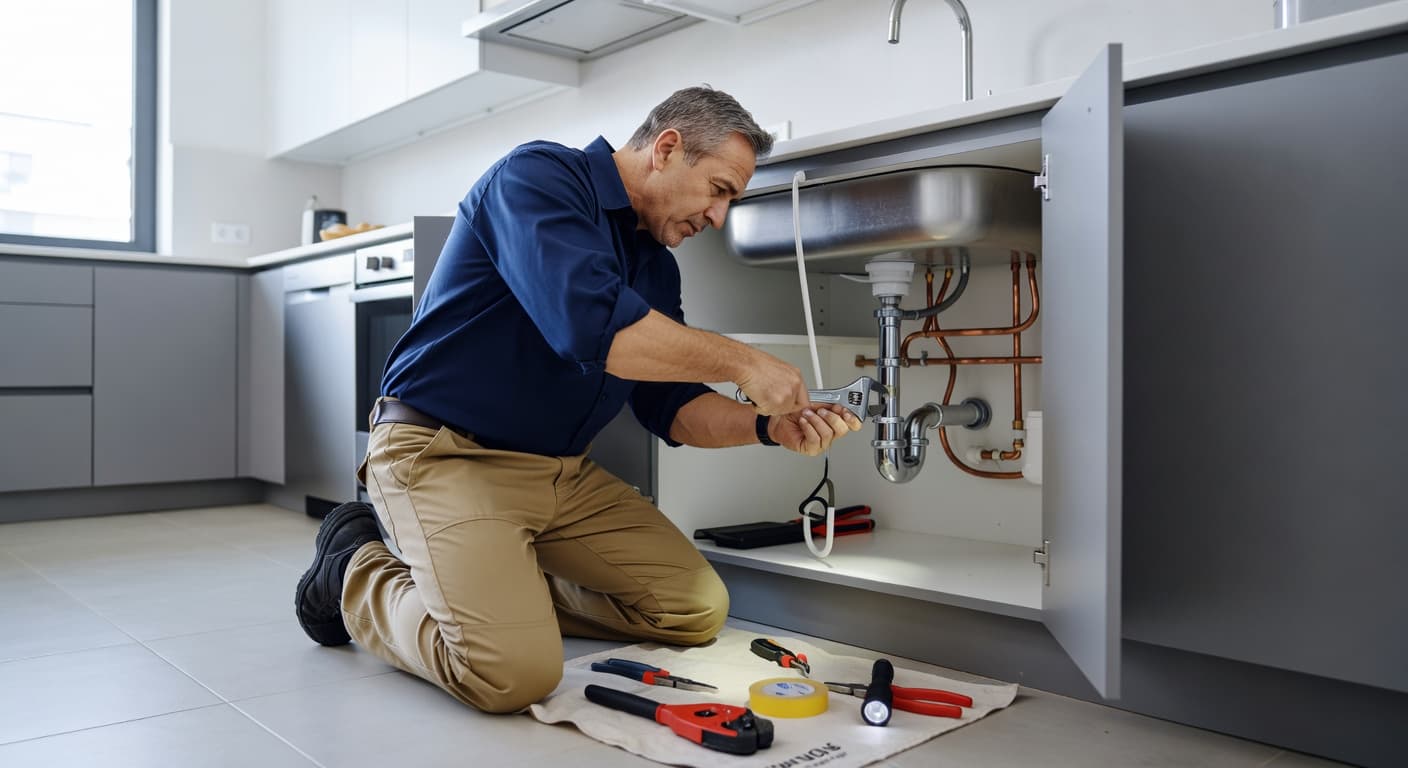
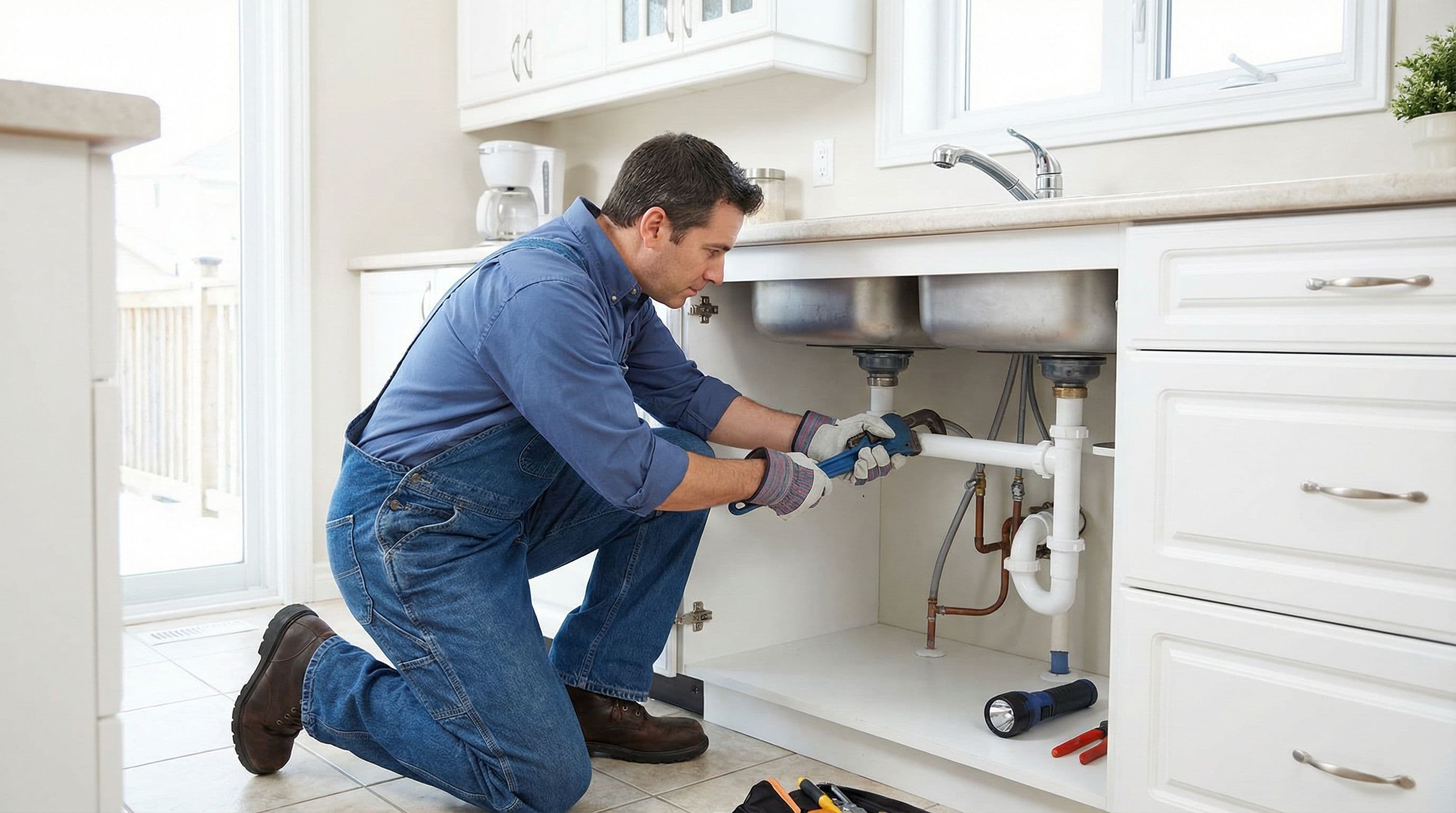
Plumbing work carries a unique set of risks that most general business insurance programs are not designed to address. Every time you cut into a wall, connect a water line, or install a fixture, there is a chance that something can go wrong. A poorly sealed joint can lead to thousands of dollars in water damage. A gas line error can create an explosion risk. A customer can slip on a wet floor you created while working.
Water damage is one of the most expensive types of property damage claims in the insurance industry. A single burst pipe or failed connection can cause tens of thousands of dollars in damage to floors, walls, ceilings, and personal property. As a plumber, you are responsible for these damages if they result from your work, even if the problem does not manifest until weeks or months after you leave the job.
Beyond liability risks, plumbing is physically demanding work that exposes workers to burns from soldering, cuts from tools, chemical exposure from drain cleaners, and musculoskeletal injuries from working in cramped spaces. Workers compensation claims in the plumbing trade are common and can be expensive, making proper coverage essential for any plumbing business with employees.
Required Plumber Insurance Policies
General liability insurance is the most critical policy for any plumbing business. It responds to third-party bodily injury and property damage claims that result from your work. If you accidentally flood a customer's basement, damage their hardwood floors, or cause a water heater to leak onto their belongings, general liability can help pay for the repairs, replacements, and any resulting legal costs. Many states require plumbers to carry a bond for licensing, and some require proof of general liability coverage, with minimums that vary by state.
Workers compensation insurance is required by law in nearly every state if you have employees. Plumbing work involves real physical hazards including burns from torches and hot pipes, lacerations from cutting tools, back injuries from lifting heavy fixtures, and exposure to sewage and hazardous materials. Workers comp pays for the medical treatment, lost wages, and rehabilitation costs of injured employees. Even if you are a sole proprietor, many general contractors and commercial clients will require you to carry workers comp before they allow you on their job site.
Commercial auto insurance is necessary for the trucks and vans you use to travel between jobs. Plumbing service vehicles are loaded with expensive tools, equipment, and materials, and they are on the road constantly. Your personal auto insurance typically will not cover business use, and a serious accident in an uninsured work vehicle could result in devastating financial liability.
Recommended Additional Coverage for Plumbers
Inland marine insurance can help protect your tools and equipment while they are in transit or stored at a job site. Plumbers typically carry thousands of dollars worth of pipe wrenches, cutters, soldering equipment, cameras, and diagnostic tools in their service vehicles. If your van is broken into overnight or your tools are stolen from a job site, inland marine coverage can help pay to replace them.
A business owners policy combines general liability with commercial property insurance at a bundled rate. If you own or lease a shop, warehouse, or office space, a BOP helps protect that location and its contents against fire, theft, vandalism, and weather damage. It also typically includes business interruption coverage that replaces lost income if a covered event forces you to temporarily close.
Commercial umbrella insurance adds an extra layer of liability protection above your general liability, auto, and workers comp limits. Water damage claims can escalate quickly, and a single major incident like a catastrophic pipe failure in a commercial building can easily exceed standard policy limits. An umbrella policy provides the additional cushion you need.
Professional liability insurance can help cover claims arising from errors in your professional advice, design recommendations, or code compliance assessments. If a customer follows your recommendation and it leads to a problem, this policy can respond to the resulting claims and legal defense costs.
How Much Coverage Do Plumbers Need
Most plumbing businesses should carry at least $1,000,000 per occurrence and $2,000,000 aggregate in general liability coverage. Commercial and new construction projects often require higher limits, and some general contractors specify higher per occurrence limits as a minimum for their subcontractors.
Workers compensation limits are determined by state regulations, but the employers liability component should be at least $500,000 per accident and $500,000 policy limit. Commercial auto coverage should carry a combined single limit high enough to satisfy your contracts and reflect the value of the loaded vehicles you put on the road.
Inland marine coverage should reflect the full replacement cost of your tools and equipment. Take an inventory of everything in your service vehicles and shop, including hand tools, power tools, diagnostic equipment, and safety gear. Most plumbers are surprised to find that their total tool investment exceeds $15,000 to $30,000.
An umbrella policy is a smart investment for any plumbing business. The premium depends on your payroll, vehicle count, loss history, and underlying liability limits, and it provides critical protection against catastrophic claims that could otherwise bankrupt your business.
Getting the Right Plumber Insurance
Start by understanding your state's licensing requirements. Many states require plumbing contractors to post a bond before issuing or renewing a license, some set minimum coverage amounts, and a few require both. Your state licensing board or contractor registration office can provide the exact requirements.
Work with CPK Insurance to compare options and connect with a licensed insurance professional who understands the plumbing industry. A specialist can help you review which providers offer competitive rates for plumbing contractors and which policy endorsements are important for your trade. They can also help you navigate common exclusions that affect plumbers, such as pollution liability for sewage backup and mold exclusions.
Get quotes from at least three carriers. Insurance pricing for plumbing contractors varies significantly between companies, and the carrier that offers the lowest rate for a residential plumber may not be competitive for commercial plumbing work. A licensed insurance professional can handle this comparison shopping on your behalf.
Review your policies annually and update your coverage whenever your business changes. Adding employees, purchasing new vehicles, expanding into commercial work, or increasing your annual revenue all affect your insurance needs. Regular reviews ensure you maintain adequate coverage without paying for protection you no longer need.
Typical Plumber Insurance Costs
General liability premiums for a plumbing business scale with revenue, location, and the mix of work you perform. Residential service plumbers generally pay less than those who take on commercial or new construction projects, where a single failed connection can damage an entire building.
Workers compensation premiums for plumbing contractors are calculated based on your payroll and your state's classification rate for plumbing work. Rates vary considerably by state but typically range from $3 to $8 per $100 of payroll. A plumbing company with $200,000 in annual payroll might pay $6,000 to $16,000 per year for workers comp.
The rest of the stack is priced on what you own: commercial auto follows the van and its drivers, inland marine follows the value of the tools inside it, and a business owners policy follows the shop and its contents.
The total annual insurance cost for a small plumbing business with two to five employees typically ranges from about $8,000 to $20,000 once workers compensation is included. While this represents a meaningful expense, it is a fraction of what a single uninsured water damage claim could cost. Compare quotes through CPK Insurance to see pricing from participating licensed insurance providers.
Request a Quote Comparison
Enter your ZIP code to compare insurance rates from top carriers.
Updated July 17, 2026