
What Is Inland Marine Insurance (and Why the Name)?
Inland marine insurance is one of the most misunderstood types of business insurance, primarily because of its name. Despite the word "marine," this coverage has nothing to do with boats, ships, or ocean cargo. The name is a historical artifact from the early days of insurance when marine insurance covered goods transported by sea. As commerce expanded to include overland transportation by rail and truck, a new category of coverage was created for goods moving over land, and it was called inland marine to distinguish it from ocean marine. The name stuck, even though the coverage has evolved far beyond goods in transit.
Today, inland marine insurance extends to a broad category of property that is mobile, transportable, or used at locations away from your primary business premises. This includes contractor tools and equipment taken to job sites, portable electronics and technology equipment, property in transit between locations, fine arts and valuable objects, installation projects before they are completed and accepted by the owner, and specialized equipment used in the field.
The key characteristic that distinguishes inland marine property from standard commercial property is mobility. Your commercial property policy is designed to cover property at a fixed, scheduled location such as your office, warehouse, or store. When property moves beyond those locations, whether it is tools going to a job site, equipment shipped to a client, or inventory in transit between warehouses, standard commercial property coverage often provides limited or no protection. Inland marine insurance fills this gap.
For contractors, service providers, and technology companies that regularly move equipment and tools between locations, inland marine insurance is an essential part of a comprehensive insurance program. CPK Insurance helps you compare inland marine options from participating licensed insurance providers so your assets do not fall through the cracks between policies.
What Does Inland Marine Insurance Cover?
Inland marine insurance encompasses a wide range of coverage forms, each designed for specific types of property or situations. The flexibility of inland marine coverage allows it to be tailored to the unique needs of virtually any business that has property on the move or at temporary locations.
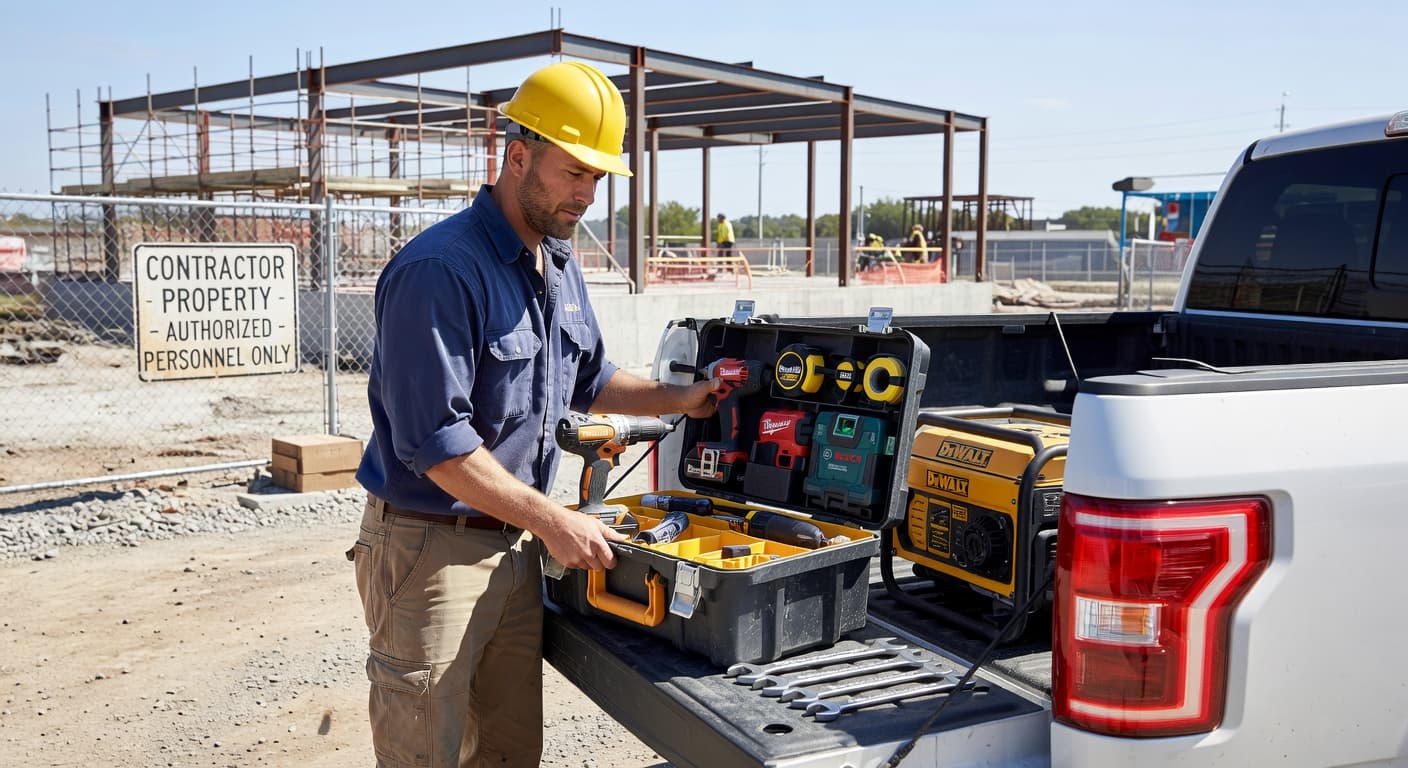
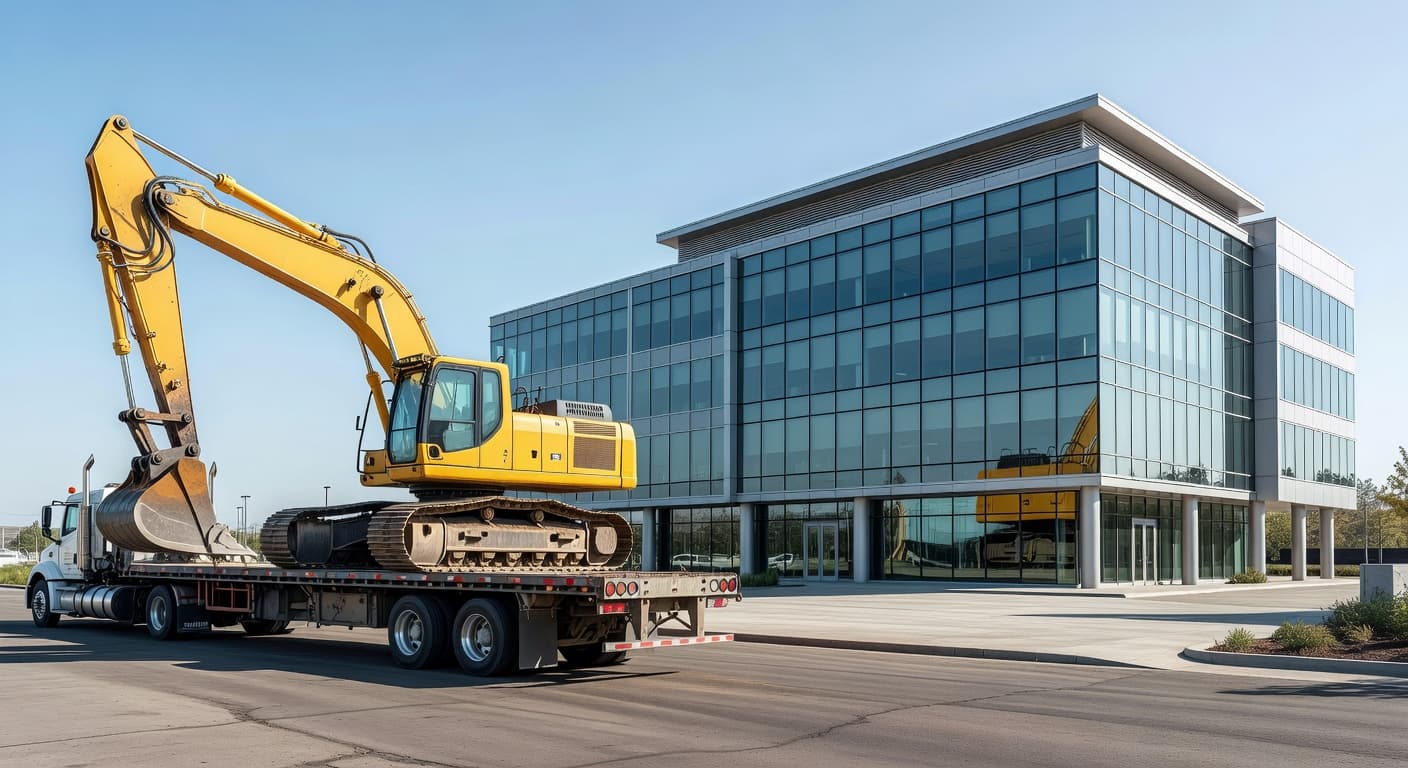
Contractors equipment coverage, also known as a contractors equipment floater, is one of the most common inland marine policies. It protects tools, machinery, and equipment that contractors take to job sites. This includes everything from hand tools and power tools to heavy equipment like excavators, generators, and scaffolding. A general contractor with $200,000 worth of equipment spread across multiple job sites needs inland marine coverage because the commercial property policy only applies to equipment at the business's scheduled premises.
Electronic data processing (EDP) equipment coverage can help protect computers, servers, networking equipment, and other technology assets that may be used at various locations. For a technology company whose employees travel with laptops, tablets, and diagnostic equipment, or a video production company with cameras and editing gear that moves between studios and location shoots, EDP coverage fills a critical gap.
Builders risk insurance, while technically a form of inland marine coverage, protects buildings under construction from damage during the building process. It covers the structure, materials, and equipment on site from risks like fire, theft, vandalism, and weather damage. Any business involved in new construction or major renovation projects should consider builders risk coverage.
Installation floaters cover equipment and materials after they have been shipped to a job site but before the installation is complete and accepted by the property owner. An HVAC contractor installing a new system in a commercial building or an audio-visual company setting up equipment in a convention center needs installation coverage to protect materials during the vulnerable period between delivery and final acceptance.
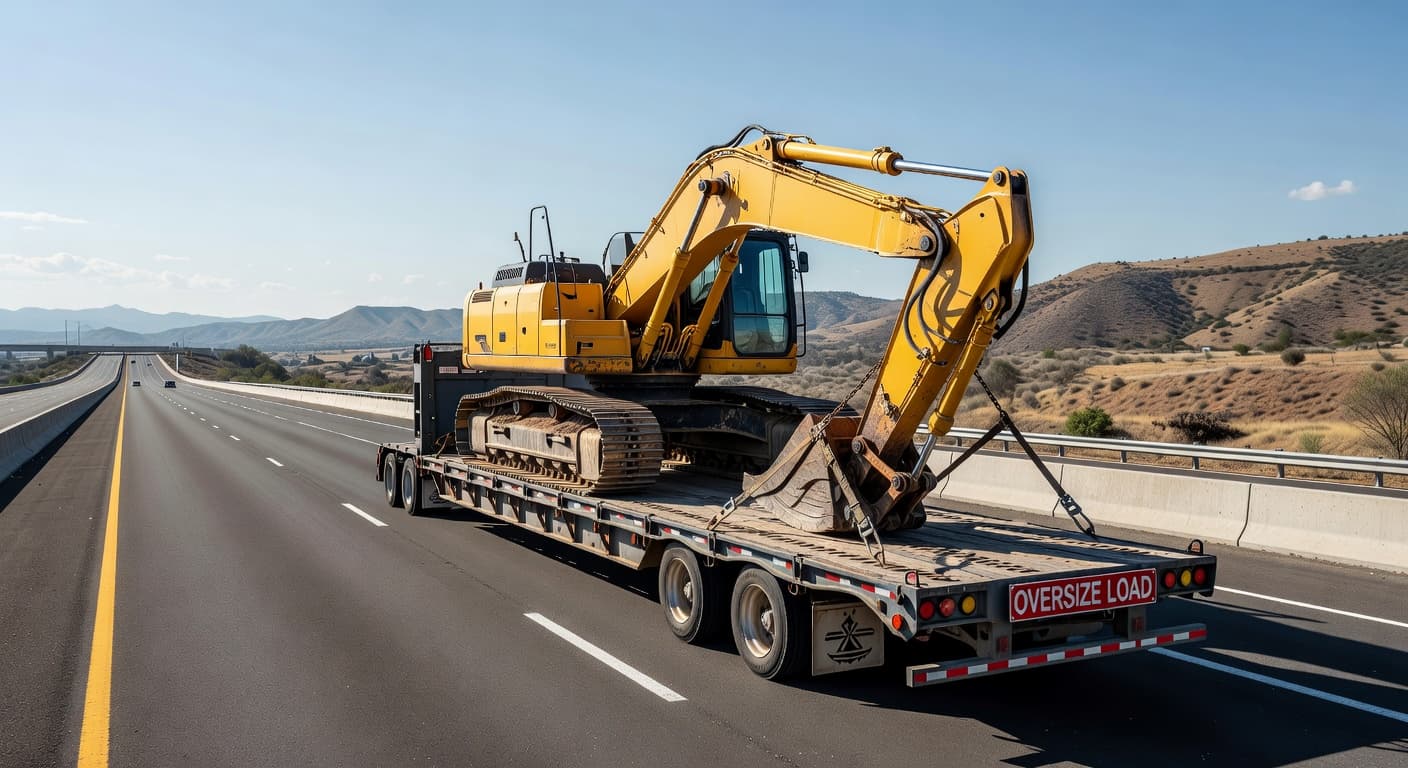
Transportation and motor truck cargo coverage can help protect goods while they are being transported from one location to another. This is different from commercial auto insurance, which covers the vehicle itself. If a truck carrying $50,000 worth of merchandise between a warehouse and a retail location is involved in an accident and the cargo is destroyed, the commercial auto policy responds for the truck, while the inland marine policy responds for the cargo.
Equipment and Tools in Transit: Why Standard Property Falls Short
One of the most common and costly insurance gaps for businesses that operate in the field is inadequate coverage for equipment and tools that travel between locations. Standard commercial property insurance is designed to cover property at your scheduled premises, and its protection for property away from those premises is severely limited.
Most commercial property policies include a small amount of coverage for property temporarily away from the insured location, typically limited to $10,000 or a similar modest amount. For a plumbing contractor with $75,000 worth of tools and equipment on the truck every day, or an electrician carrying $50,000 in specialized testing equipment, this limited coverage is woefully inadequate. If the truck is broken into overnight and tools are stolen, or if the vehicle is involved in an accident and the equipment is damaged, the commercial property policy would pay only a fraction of the loss.
The problem is compounded for businesses that store equipment at multiple job sites. A construction company working on three residential projects simultaneously might have equipment worth $150,000 spread across those sites. None of those job sites are scheduled locations on the company's commercial property policy, which means the equipment at those sites has little or no coverage under the standard policy.
Inland marine insurance solves this problem by providing coverage that follows the property wherever it goes. Whether your tools are on your truck, at a job site, stored at a temporary staging area, or in transit between locations, an inland marine policy is built to follow them. Most inland marine policies are written on an open perils basis, meaning they cover all causes of loss except those specifically excluded, which provides broader protection than many commercial property policies.
The coverage also typically includes theft, which is particularly important for contractors and service businesses. Tool and equipment theft is a significant problem on construction sites and from work vehicles across the country. Industry estimates put the cost of construction equipment theft at between $300 million and $1 billion annually. An inland marine policy with appropriate limits can help keep a theft from derailing your operations or forcing you to replace expensive equipment out of pocket.
Many businesses carry significant inland marine exposure without realizing how limited their commercial property policy becomes once equipment leaves the premises. A licensed insurance professional from a participating provider can review your property and equipment to identify assets that may need inland marine protection and help you choose limits that reflect their actual value.
Who Needs Inland Marine Insurance?
Inland marine insurance is essential for any business that regularly moves property, equipment, or goods away from its primary location. While the coverage is most commonly associated with contractors, a much wider range of industries benefit from inland marine protection.
Contractors and construction companies are the most obvious candidates. General contractors, electricians, plumbers, HVAC technicians, painters, landscapers, roofers, and virtually every trade that takes tools and equipment to job sites needs a contractors equipment floater. The investment in tools and equipment for a single contractor can easily reach $50,000 to $200,000, and for larger construction firms, the total equipment value may be in the millions. No trade that hauls its livelihood to the job site each morning can afford to be without this coverage.
Technology and telecommunications companies that install, service, or transport expensive electronic equipment are strong candidates for inland marine coverage. A managed IT services provider that carries networking equipment, servers, and diagnostic tools to client sites, or a telecommunications contractor installing fiber optic systems, needs coverage for equipment that standard property policies do not adequately protect.
Transportation and logistics companies that move goods on behalf of others need motor truck cargo coverage, a form of inland marine insurance. If you are responsible for cargo while it is on your vehicle, you are liable for damage to that cargo, and your commercial auto policy does not cover the goods being transported. Freight haulers and delivery services need cargo coverage to protect against loss of the goods in their care.
Photographers, videographers, and production companies carry expensive cameras, lighting, sound, and editing equipment to shoots and events across the country. A wedding photographer with $40,000 in camera equipment or a production company with $200,000 in gear needs inland marine coverage for equipment that travels constantly.
Art dealers, galleries, museums, and businesses that display or transport valuable objects use fine arts floaters, another type of inland marine coverage, to protect items that move between locations for exhibitions, sales, and appraisals. Even businesses like florists, caterers, and event planners that transport inventory and equipment to off-site events can benefit from inland marine coverage. Get a quote with CPK Insurance and connect with a licensed insurance professional who can evaluate whether inland marine coverage fits your operations.
How Much Does Inland Marine Insurance Cost?
Inland marine insurance is generally very affordable relative to the value of the property it protects. Premiums are typically calculated as a percentage of the total insured value, with rates often ranging from about 1 to 5 percent of the equipment or property value per year, depending on the type of property, the industry, and the risk factors involved.
For a small contractor with $50,000 in tools and equipment, an inland marine policy might cost about $250 to $1,200 per year. A mid-sized construction company with $300,000 in equipment could expect annual premiums of about $3,000 to $9,000. A technology company with $100,000 in portable electronics and field equipment might pay about $1,000 to $3,000 annually. These costs are modest when you consider that a single theft or accident could result in the loss of equipment worth tens of thousands of dollars.
Several factors influence inland marine insurance pricing. The type of property being insured is the primary factor. Hand tools and small equipment are relatively inexpensive to insure, while heavy construction equipment, specialized electronics, and high-value items command higher rates. The total insured value determines the premium base, and insurers typically offer lower rates per dollar of coverage as the total value increases.
The nature of your operations and where the property is used affects pricing. Equipment used on secured, well-managed job sites costs less to insure than equipment left on open construction sites in high-crime areas. Property that is stored in locked vehicles or secured trailers overnight qualifies for better rates than property left exposed. Your claims history is also considered, with businesses that have had prior theft or damage claims paying more than those with clean records.
The deductible you choose affects your premium. Inland marine deductibles typically range from $500 to $5,000, with higher deductibles resulting in lower premiums. For businesses that can absorb smaller losses, a higher deductible can meaningfully reduce annual costs. A licensed insurance professional from a participating provider can help you weigh premium cost against deductible exposure so the coverage delivers real financial protection when a loss occurs.
Average Inland Marine Insurance Cost
$20 - $100
per month
Nationally, inland marine insurance coverage typically runs $20 - $100 per month for small businesses.
Prices shown are general estimates, not guaranteed rates or quotes. Your actual premium will depend on the insurer, coverage selected, business details, location, claims history, and other underwriting factors. Learn about our pricing methodology.
How Much Does Inland Marine Insurance Cost by State?
Where you operate moves the number. State rules, local claim patterns, and market competition all feed into pricing, so the same coverage can quote differently across state lines. The table below shows typical monthly ranges for every state plus the District of Columbia, along with how each market tends to compare with the national average. Select a state to see coverage details, requirements, and carrier options for that market.
| State | Typical range | Vs national |
|---|---|---|
| Alabama | $20 - $95 per month | 4% below national average |
| Alaska | $30 - $120 per month | 25% above national average |
| Arizona | $25 - $95 per month | near national average |
| Arkansas | $20 - $100 per month | near national average |
| California | $25 - $140 per month | 38% above national average |
| Colorado | $25 - $100 per month | 4% above national average |
| Connecticut | $25 - $110 per month | 13% above national average |
| Delaware | $25 - $100 per month | 4% above national average |
| District of Columbia | $25 - $110 per month | 13% above national average |
| Florida | $25 - $130 per month | 29% above national average |
| Georgia | $25 - $110 per month | 13% above national average |
| Hawaii | $25 - $130 per month | 29% above national average |
| Idaho | $20 - $90 per month | 8% below national average |
| Illinois | $20 - $95 per month | 4% below national average |
| Indiana | $20 - $85 per month | 12% below national average |
| Iowa | $20 - $80 per month | 17% below national average |
| Kansas | $20 - $100 per month | near national average |
| Kentucky | $25 - $90 per month | 4% below national average |
| Louisiana | $35 - $130 per month | 38% above national average |
| Maine | $20 - $90 per month | 8% below national average |
| Maryland | $25 - $100 per month | 4% above national average |
| Massachusetts | $25 - $120 per month | 21% above national average |
| Michigan | $20 - $90 per month | 8% below national average |
| Minnesota | $25 - $100 per month | 4% above national average |
| Mississippi | $25 - $100 per month | 4% above national average |
| Missouri | $20 - $110 per month | 8% above national average |
| Montana | $25 - $110 per month | 13% above national average |
| Nebraska | $20 - $100 per month | near national average |
| Nevada | $20 - $100 per month | near national average |
| New Hampshire | $20 - $95 per month | 4% below national average |
| New Jersey | $25 - $110 per month | 13% above national average |
| New Mexico | $25 - $110 per month | 13% above national average |
| New York | $30 - $170 per month | 67% above national average |
| North Carolina | $20 - $95 per month | 4% below national average |
| North Dakota | $20 - $85 per month | 12% below national average |
| Ohio | $20 - $85 per month | 12% below national average |
| Oklahoma | $20 - $95 per month | 4% below national average |
| Oregon | $20 - $95 per month | 4% below national average |
| Pennsylvania | $20 - $110 per month | 8% above national average |
| Rhode Island | $25 - $95 per month | near national average |
| South Carolina | $20 - $100 per month | near national average |
| South Dakota | $20 - $80 per month | 17% below national average |
| Tennessee | $25 - $100 per month | 4% above national average |
| Texas | $25 - $120 per month | 21% above national average |
| Utah | $20 - $90 per month | 8% below national average |
| Vermont | $20 - $95 per month | 4% below national average |
| Virginia | $20 - $110 per month | 8% above national average |
| Washington | $25 - $100 per month | 4% above national average |
| West Virginia | $20 - $85 per month | 12% below national average |
| Wisconsin | $20 - $100 per month | near national average |
| Wyoming | $25 - $90 per month | 4% below national average |
Show all 51 statesShow fewer states
Which states tend to have the cheapest inland marine insurance?
| State | Typical range | Vs national |
|---|---|---|
| Iowa | $20 - $80 per month | 17% below national average |
| South Dakota | $20 - $80 per month | 17% below national average |
| Indiana | $20 - $85 per month | 12% below national average |
| North Dakota | $20 - $85 per month | 12% below national average |
| Ohio | $20 - $85 per month | 12% below national average |
Which states tend to be the most expensive for inland marine insurance?
| State | Typical range | Vs national |
|---|---|---|
| New York | $30 - $170 per month | 67% above national average |
| California | $25 - $140 per month | 38% above national average |
| Louisiana | $35 - $130 per month | 38% above national average |
| Florida | $25 - $130 per month | 29% above national average |
| Hawaii | $25 - $130 per month | 29% above national average |
In our compiled ranges, Iowa tends to see the lowest inland marine insurance premiums, while New York generally runs highest. Actual pricing varies with your business profile, so a quote comparison is the only way to know where you land.
Prices shown are general estimates, not guaranteed rates or quotes. Your actual premium will depend on the insurer, coverage selected, business details, location, claims history, and other underwriting factors. Learn about our pricing methodology.
How Inland Marine Works with Your Other Business Policies
Understanding how inland marine insurance coordinates with your other business insurance policies is essential for avoiding both coverage gaps and unnecessary overlaps. Inland marine coverage is not a replacement for commercial property insurance; rather, it is a complement that extends protection to property and situations that your property policy does not adequately cover.
Your commercial property policy can help cover property at your scheduled business locations, including your building, business personal property, inventory, and improvements to leased space. Inland marine coverage picks up where commercial property leaves off, covering property that moves beyond your premises. The two policies work together to create comprehensive protection for all of your business's physical assets, whether they are at your office, on a truck, at a job site, or in transit.
For contractors and businesses that operate vehicles, it is important to understand the distinction between inland marine coverage and commercial auto insurance. Your commercial auto policy covers the vehicle itself, including damage from accidents, theft, and weather, subject to its terms. It does not cover the tools, equipment, or cargo inside the vehicle. A plumber whose van is broken into and all their tools stolen would file a claim under their inland marine policy for the tools, not under their commercial auto policy. If the van itself was also stolen, that would be a separate claim under the auto policy.
Business owners policies deserve special attention in the context of inland marine coverage. A BOP provides some coverage for property away from premises, but the limits are typically modest and may not cover all types of property or all causes of loss. A small business with a BOP providing $10,000 in off-premises property coverage and $75,000 worth of equipment that travels to job sites has a $65,000 gap that inland marine coverage should fill.
When structuring your insurance program, a licensed insurance professional from a participating provider can help coordinate your commercial property and inland marine policies so that limits are adequate on both sides, deductibles are consistent and manageable, no gap between the two policies leaves property uncovered, and you are not paying twice where the policies might overlap. Coordinated this way, each asset sits under the policy intended to respond to it, wherever the property happens to be when a loss occurs.
Whether you need a standalone inland marine policy or an endorsement added to your existing property coverage, CPK Insurance can help you compare options from participating licensed insurance providers that fit your operations and budget.
Request a Quote Comparison
Enter your ZIP code to compare insurance rates from top carriers.
Updated July 17, 2026