Updated July 16, 2026

Key Takeaways
- Review your construction contract before requesting a quote, so the named insureds and insurance responsibility match the job documents.
- Prepare the project budget, timeline, address, and scope summary before applying, so the quote reflects the work actually being built.
- Check whether the policy addresses on-site materials, transit, temporary structures, and soft costs before the first delivery arrives.
- Compare the policy term against your realistic completion schedule, then ask about extension options before the original term gets close to expiring.
- Map builders risk against your liability, installation, and equipment policies, so you avoid both coverage gaps and overlapping property insurance.
Builders Risk Insurance in Iowa
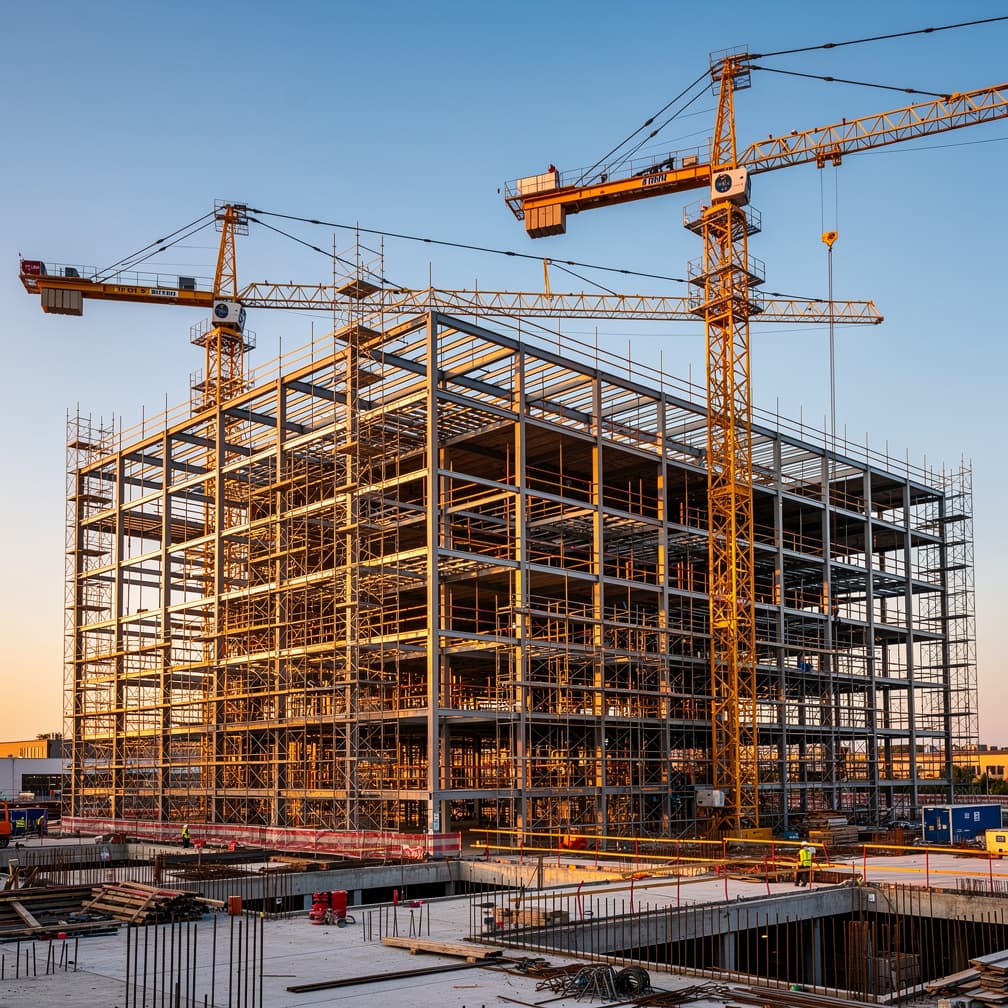
A partially framed house, a roof deck waiting on dry-in, or a remodel opened up for structural work can take a hard hit before the job is finished. That risk often shows up as wind-driven rain entering an unfinished envelope, hail striking stored materials, or a storm event damaging work that has already been paid for but not yet turned over. That is where builders risk insurance becomes a practical buying decision, not a paperwork exercise. You are usually trying to protect the money already committed to labor, materials, and schedule, while keeping lenders, owners, and contractors aligned on who insures what. Before you request a quote, gather the construction contract, project address, completed value, draw schedule, and a clear list of temporary structures, stored materials, and installation exposures. That gives you a cleaner way to compare terms before work, weather, or theft turns a manageable project into a disputed loss.
What Builders Risk Insurance Covers
The useful question is not whether a builders risk policy applies to construction generally. The useful question is which parts of your specific job are inside the coverage grant, which are limited, and which need to be scheduled or endorsed before materials arrive on site. A new build outside a town center, an addition to an occupied commercial property, and a gut renovation in an older neighborhood can create very different property exposures even when the contract value looks similar.
Start by reviewing how your policy treats materials after delivery but before installation. If your project depends on staged deliveries, off-site storage, or owner-supplied items, ask where coverage begins and where it pauses. The same goes for temporary works, fencing, scaffolding, construction forms, and job trailers if those items matter to your budget after a loss. On a remodel, pin down whether existing structures are excluded, limited, or available by endorsement, because that point often drives the biggest misunderstanding after a water or collapse claim.
You should also read the causes of loss section with weather in mind. Wind, hail, and water entry can happen before the building is dried in, so test the policy against those scenarios. Ask how the policy handles debris removal, pollutant cleanup if building materials are damaged, and soft cost options that can help cover added interest, real estate taxes, and administrative overhead if a covered property loss delays completion. If employee theft exposures matter on your job, confirm whether that belongs in this policy or in separate crime coverage instead of assuming it is automatically included.

Structure Coverage
Covers the building or structure under construction.

Materials on Site
Covers building materials stored at the construction site.

Materials in Transit
Covers materials being transported to the job site.
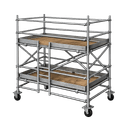
Temporary Structures
Covers scaffolding, fencing, and temporary buildings.

Soft Costs
Covers additional expenses from construction delays due to covered losses.

Equipment Coverage
Covers permanently installed fixtures and equipment.
Builders Risk Insurance Requirements in Iowa
- Storm exposure makes it important to review how the policy responds while roofing, siding, windows, or other envelope components are still incomplete.
- On farm, rural, or edge-of-town projects, distance from suppliers and longer material staging can make off-site storage and transit terms more important.
- Renovation work often needs a clear separation between covered new construction and any existing building elements that remain in service during the job.
- If your project is lender financed, align policy terms with draw requirements and claim payment provisions before the first major disbursement.
How Much Does Builders Risk Insurance Cost in Iowa?
For projects in the state, pricing usually turns on how underwriters see the job's property exposure from groundbreaking through completion. You are asking an insurer to price a defined construction project with a stated completed value, a timeline, a location, and a set of loss drivers that can change as the work progresses.
Your quote is shaped by the project address, construction type, total completed value, renovation versus ground-up scope, and how long the site will stay exposed before final completion. A lender-funded custom home with materials ordered in phases can underwrite differently from a tenant improvement in an existing commercial shell. If the site will carry higher-value finishes before permanent security, or if materials will sit off site or in transit before installation, expect those details to affect terms and price.
Weather-sensitive scheduling matters because a project that stays open to the elements longer can create more opportunity for a covered loss. That means more room for disputes about what was damaged, when, and whether the property was properly protected. A clean submission often saves more than aggressive shopping because underwriters price what they can see clearly. Missing details force them to assume the worst case and charge accordingly. Include the contract value, construction budget, plans, timeline, protective safeguards, and the exact list of named insureds and loss payees the first time.
Ask whether the deductible changes by cause of loss, whether testing is covered, and whether delay-related expenses are available by endorsement. A quote that looks lean at first can become expensive if it leaves out stored materials, temporary works, or ordinance-related rebuilding issues, which means paying out of pocket to bring a damaged structure up to current code. Compare policy terms line by line before you compare price alone.
Request a Quote Comparison
Enter your ZIP code to compare builders risk insurance rates from top carriers.
Business insurance starting at $25/mo
Who Needs Builders Risk Insurance?
The party that should review builders risk first is the one carrying the financial risk if partially completed work is damaged before handoff. That can be the property owner, a general contractor, a developer, or another party named in the construction agreement. The right answer usually sits in the contract language, the loan documents, and the practical reality of who would have to fund repairs if a storm or fire interrupts the job.
Owners often need to review it closely on custom homes, additions, and commercial projects where they are financing the work and want control over policy terms, limits, and claim proceeds. General contractors may need it when the contract places responsibility for the work in their hands until substantial completion, especially if they are coordinating multiple trades and carrying the schedule risk. Developers should pay attention when a project has phased construction, changing site conditions, or lender requirements tied to draws and inspections.
Subcontractors usually do not buy the main policy for the whole project, but they still need to know whether their installed work, stored materials, and change-order exposures are actually protected under the project form. If you are a lender, property manager, or investor with a stake in the project, review how your interest is shown and how claim payments are handled before funds are advanced. If you are comparing forms, endorsements, or complaint procedures, keep the state oversight process in view while you review policy language. Before the first major delivery reaches the site, confirm every party with a financial interest is named correctly on the policy.
Builders Risk Insurance by City in Iowa
Builders Risk Insurance rates and coverage options can vary across Iowa. Select your city below for localized information:
How to Buy Builders Risk Insurance
The cleanest way to buy builders risk is to build the submission around the project file, not around a short online form. Start with the signed or draft construction contract, because that document usually tells you who must insure the work, whose interest must be shown, and whether coverage should apply to the full completed value or only to a defined phase. Then gather the plans, budget, timeline, site address, and loan requirements so the quote reflects the actual job instead of a rough estimate.
From there, map the property flow. List what will be delivered to the site, what may be stored elsewhere, and what owner-furnished materials are involved. On remodels and additions, that step matters because the line between new work and existing structures can decide whether a loss falls inside the policy, faces a sublimit, or is excluded entirely. If the project includes temporary structures, scaffolding, fencing, or expensive fixtures arriving early, ask for those items to be addressed directly in the quote request.
Identify the parties that need to appear on the policy. That may include the owner, general contractor, lender, and others with a contractual or financial interest. Get the exact legal names right before binding. Small naming errors can slow down certificates, draw approvals, and claim handling later.
Before you buy, compare more than the premium. Review covered causes of loss, deductible structure, vacancy or occupancy conditions, theft limitations, water damage language, and any endorsement for soft costs or delay. Then ask one practical question: if a storm damages the project next week, do the named insureds, values, and property categories on this quote match how the job is actually operating today? If not, revise the submission before binding. Request a quote through CPK Insurance to compare your options with participating licensed providers.
How to Save on Builders Risk Insurance
The most dependable way to lower builders risk cost is to make the project easier to understand and less likely to produce a disputed property claim. Start with a complete statement of values. If the completed value is understated, the quote may look attractive at first but create coinsurance issues, limit problems, or mid-project corrections that cost more later. If the insurer applies coinsurance and your declared value falls short of the actual project cost, you could share in the loss even on a covered claim. If it is overstated, you may pay for limits you do not need.
Tight project documentation also helps. Give underwriters the construction schedule, site security plan, delivery pattern, and details on how the structure will be protected during open phases of work. A project with controlled access, documented material storage, and a realistic completion timeline is easier to price than one with vague values and no clear loss-prevention plan. That does not guarantee a lower premium, but it gives you a better chance at cleaner terms.
For jobs exposed to storm-driven property damage, ask whether adjusting the deductible changes the quote in a useful way. Compare that against your ability to absorb a loss without disrupting the project. Review whether you need every optional extension being offered. Some projects need soft cost protection, off-site storage, and transit coverage, while others do not. Buying only the extensions your contract and property flow actually require can keep the policy focused.
You can also save by reducing avoidable endorsement changes after binding. Finalize named insureds, lender interests, and major value assumptions before the policy is issued. Midterm corrections can create extra work and sometimes extra cost. Wait until your contract, budget, and materials plan are stable enough to support accurate underwriting before you request a quote.
Our Recommendation for Iowa
For projects in the state, treat weather exposure as a contract and scheduling issue, not just an insurance issue. If the building will sit partially enclosed for any meaningful period, review who is responsible for temporary protection, site checks after storms, and documenting mitigation steps. A claim is easier to adjust when the file shows what was in place before the loss and what was done immediately after.
On renovations, ask for a direct answer on existing structures. That is often the point where owners and contractors assume the same thing while the policy says something narrower. If the job touches load-bearing elements, roofing, or building systems that can affect occupied areas, get that issue resolved before work starts.
For lender-backed projects, line up the insurance review with the draw process. Confirm the completed value, named insureds, and loss payee language early so you are not rewriting the policy while materials are already on site. If owner-furnished materials or long-lead items are part of the budget, identify where they are stored and when coverage attaches.
Read the exclusions and deductible language with the same care you give the declarations page. The declarations tell you what was requested. The exclusions and conditions tell you how the policy is likely to respond when a real loss interrupts the job. Use that review to build a submission that matches the project as built, not just the project as bid.
FAQ
Frequently Asked Questions
The buyer is usually the party the contract makes responsible for the work before completion, often the owner or general contractor. Review the agreement first, then confirm the named insureds and lender interests before materials are delivered.
Projects often need close review of storm-related property terms because weather can damage unfinished work before turnover. Coverage depends on the policy's causes of loss, exclusions, deductibles, and whether the damaged property is actually included.
Renovation projects often need builders risk review when structural work, roofing, or major interior rebuilds expose the property to loss during construction. The key question is whether the policy addresses only new work or also any existing structures.
Lender-backed projects usually require the policy to match loan and draw documents closely. Before binding, confirm completed value, loss payee wording, and the exact legal names of all parties with a financial interest in the job.
Quote requests work better when they include the contract, project address, completed value, timeline, plans, and a list of stored or owner-furnished materials. That gives underwriters what they need to price the job accurately the first time.
Yes. The state insurance division reviews policy forms, licenses carriers, and handles consumer complaints. If a dispute arises over a claim or policy form, that oversight gives you a formal channel to escalate the issue beyond the carrier.
Subcontractors should not assume the project policy automatically protects every material, installation, or change-order exposure. Review the contract and policy wording to see what property is covered, whose interest is insured, and where gaps remain.
Builders risk insurance may cover, subject to policy terms, the structure under construction, materials on site, materials in transit, temporary structures, and fixtures or equipment being installed. Depending on the policy, you can also review soft costs and delay-related coverage tied to a covered property loss.
Updated July 16, 2026