Updated July 16, 2026

Key Takeaways
- Compare quotes using the same peak inventory value, deductible, and valuation assumptions so you can see real coverage differences.
- Ask in writing how the policy handles hail, flood, theft, vandalism, and test drives before you bind coverage.
- Prepare a current inventory schedule, offsite storage list, and security summary before requesting dealer open lot insurance quotes.
- Review whether flood needs separate placement instead of assuming another policy form includes it automatically.
- Requote after security upgrades, lot layout changes, or improved claims history so pricing reflects your current risk.
Dealer Open Lot Insurance in Iowa
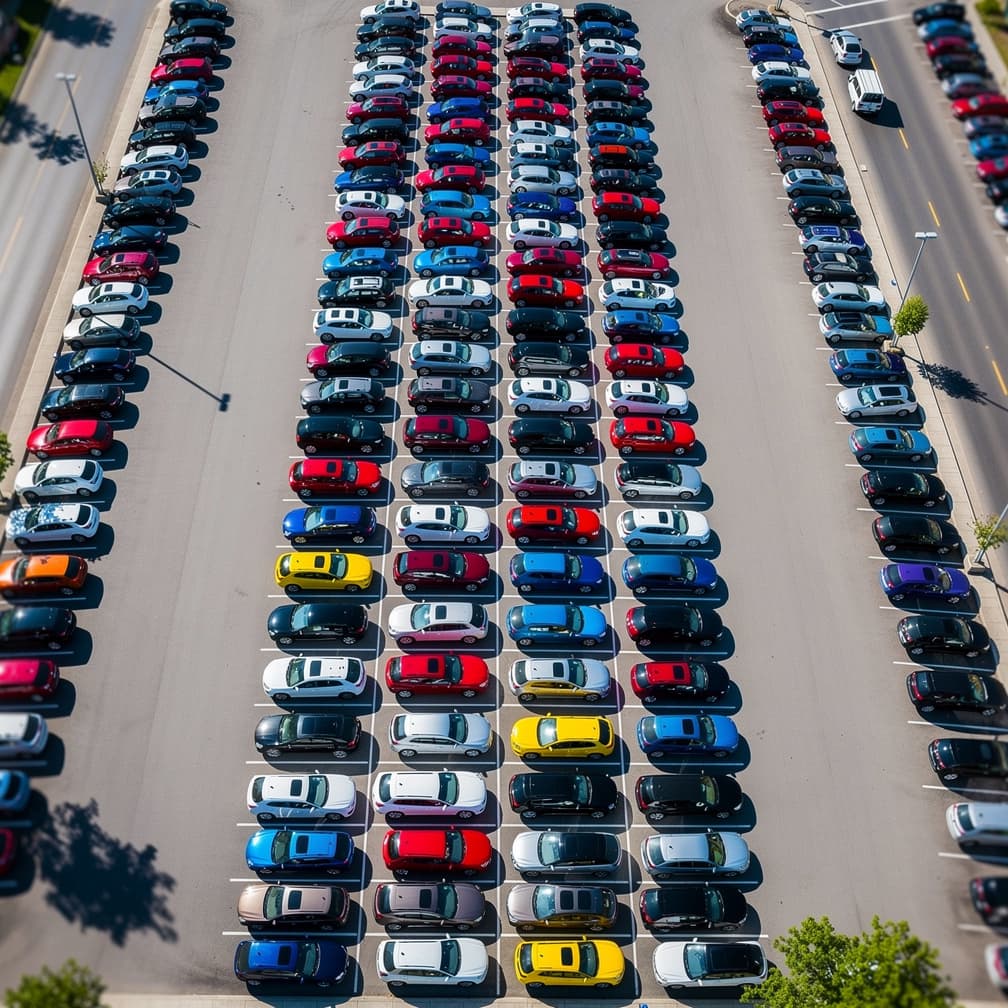
A vehicle that sits safely on your front line Monday might be parked in a drainage-prone overflow lot by Thursday and sitting at an auction pickup Friday morning. Your units may rotate between the front line, overflow storage, service areas, auction pickups, and temporary offsite locations. A policy can look adequate on paper and still leave gaps once vehicles are moved, staged, or held away from the main lot.
Wind, hail, tornado activity, and flooding can affect how you store vehicles, how quickly you relocate them, and whether your reporting values stay current as inventory shifts. If your operation carries trucks, SUVs, farm-adjacent trade-ins, or higher-value used units, a small mismatch between actual inventory practice and scheduled locations can become expensive fast. A useful quote starts with how your lot really operates day to day, not with a generic dealership template.
What Dealer Open Lot Insurance Covers
In Iowa, the practical review is less about the basic idea of lot coverage and more about the edges of your operation. Many dealers keep some units highly visible near the road, some packed tighter in rear rows, and others parked at a secondary storage area when trade-ins stack up. That changes how you should review location schedules, maximum values at each site, and whether newly acquired units are handled the way your inventory actually turns.
You should also look closely at movement inside the dealership workflow. A vehicle may arrive from auction, sit in intake, move to detail, shift to service for light reconditioning, then return to the sales line. If your staff regularly moves units between buildings or to an overflow lot, ask whether those transitions are covered and whether any location or distance conditions apply. That is where claim disputes often start, not in the broad promise of coverage.
Iowa weather makes storage decisions operational, not theoretical. If severe wind or hail is part of your planning, review whether your policy terms line up with where you place higher-value inventory during a storm watch and how quickly you can document pre-loss condition. Flood exposure also matters if part of your inventory sits near low-lying pavement, drainage channels, or offsite storage with different runoff patterns.
A strong review also includes valuation. Ask whether losses are settled on actual cash value, agreed value, or another basis, so you know before a loss whether the payout will match what you owe your floorplan provider or can replace the unit for. Then confirm how deductibles apply by event, by location, and across multiple damaged units from the same storm. Those details matter more than broad labels when you are trying to keep sales moving after a loss.

Weather Damage
Covers hail, wind, flood, and storm damage to lot inventory.
Theft Protection
Covers vehicles stolen from your lot.
Fire Damage
Covers fire and explosion damage to inventory vehicles.

Vandalism
Covers intentional damage to vehicles on your lot.
Test Drive Coverage
Covers vehicles during customer and employee test drives.
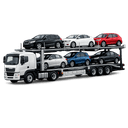
Transit Coverage
Covers vehicles being moved between lot locations.
Dealer Open Lot Insurance Requirements in Iowa
- Iowa dealers using overflow parcels or secondary storage should confirm each location is described the way inventory is actually parked and rotated.
- Wind, hail, tornado activity, and flooding make concentration management important, especially when higher-value units are grouped tightly outdoors.
- If your dealership serves rural or farm-adjacent buyers, trade-in cycles can change inventory mix quickly and should be reflected in reported values.
- A policy review should also test how claims are handled when vehicles are in recon, detail, or service rather than simply lined up for sale.
How Much Does Dealer Open Lot Insurance Cost in Iowa?
Dealer open lot insurance pricing in Iowa usually turns on inventory concentration, storage practice, and how clearly your records support the values you report. Underwriters want to see the total value of vehicles held for sale, but they also look at how that value is distributed. A lot with an average unit value of $18,000 can still represent $900,000 in exposure if fifty vehicles are parked in a low-lying area with tight spacing and no physical separation between rows. If your reported values or location limits fall below that real total, a coinsurance penalty or sublimit cap can reduce what you recover after a storm.
Late-model pickups, specialty units, lifted trucks, diesel inventory, and vehicles with expensive accessories can change the loss profile because repair costs and replacement values move differently than they do for lower-value commuter inventory. If you carry seasonal swings in inventory, tell that story clearly. A quote is more useful when it reflects how values rise and fall during the year instead of assuming the same exposure every month.
A higher deductible may reduce premium, but it only helps if your dealership can absorb a multi-unit weather loss without disrupting cash flow. Review deductibles against the kind of event you actually worry about: one storm damaging many vehicles at once, not just a single isolated claim. Ask whether the deductible applies in a way that matches your tolerance for that scenario.
If you use overflow storage, shared lots, fenced rear inventory areas, or buildings for selected units, provide those details up front. The cleaner your submission, the fewer assumptions an underwriter has to make. That usually leads to a quote you can compare on real terms, including valuation method, location treatment, and claim handling conditions, instead of premium alone.
Request a Quote Comparison
Enter your ZIP code to compare dealer open lot insurance rates from top carriers.
Business insurance starting at $25/mo
Who Needs Dealer Open Lot Insurance?
In Iowa, the need becomes clearer once you map where sale inventory actually sits before delivery. A main lot is only part of the picture for many dealers. You may have units waiting on title work, vehicles staged for recon, trucks parked at a secondary parcel, or fresh auction purchases not yet front-lined. If your business owns those vehicles for resale while they are exposed to weather, theft, or accidental damage, this coverage may help protect that exposure.
That applies to more than a traditional used car lot. Dealers handling pickups, work trucks, vans, trailers, powersports units, or mixed inventory often face uneven storage patterns because different units need different space, security, and display treatment. Operations tied to agricultural communities may also see heavier trade-in cycles around trucks and utility vehicles, which can create temporary spikes in outdoor inventory values. If that sounds familiar, your policy should be reviewed around peak accumulation, not just average month-end numbers.
You should also pay attention if your dealership relies on offsite storage. Some businesses use nearby parcels, service lots, or shared commercial property to hold overflow units. Others move inventory between rooftops or keep selected vehicles indoors while the rest remain outside. Those choices can change how a loss is adjusted if the policy was quoted as though everything stayed at one address.
If a storm, theft event, or fire affected multiple vehicles you own for sale today, would your current policy description match where those units were actually kept and how they were being handled? If you are not sure, a review is worth requesting before your next renewal.
Dealer Open Lot Insurance by City in Iowa
Dealer Open Lot Insurance rates and coverage options can vary across Iowa. Select your city below for localized information:
How to Buy Dealer Open Lot Insurance
Buying this coverage in Iowa goes more smoothly when you prepare for the questions that matter after a claim, not just the ones needed to generate a fast indication. Start with a current inventory report that shows each unit held for sale, its value, where it is stored, and whether it is on the main lot, in overflow, in service, or at another location. If your inventory changes quickly, note how often you can update values and who is responsible for that reporting.
Next, map your locations the way an underwriter would. List every address where sale inventory can be kept, even temporarily. Include fenced rear lots, leased overflow parcels, indoor storage, and any place vehicles wait after auction purchase or before reconditioning. If units move between those places during the week, explain that workflow clearly. A policy is easier to trust when the application matches real operations.
Then review loss controls before you shop. Document lighting, fencing, gate procedures, key control, camera placement, drainage concerns, and how staff respond to severe weather alerts. In Iowa, that conversation is practical because storm planning can affect where higher-value units are parked and how quickly you can protect them. Underwriters usually respond better to specific procedures than to broad statements that the lot is secure.
Finally, compare quotes on terms, not just premium. Ask how newly acquired vehicles are treated, how offsite storage is handled, what valuation basis applies, and how deductibles work in a multi-unit event. If wording is unclear, ask for it to be explained before binding. That is also the right time to confirm any policy questions through official consumer or regulatory materials, so your purchase decision rests on language you can defend later. Request a quote through CPK Insurance to compare your options with participating licensed providers.
How to Save on Dealer Open Lot Insurance
The most dependable savings move in Iowa is to make your inventory story easier to price and easier to verify. Start with reporting discipline. If your values are outdated, underwriters may price for uncertainty, and claims can become harder to document. Keep a current inventory schedule, reconcile it to accounting records, and separate units by location so you can show exactly what was exposed at the time of loss.
Storage strategy can also help. If you know certain rows collect water, sit closer to unsecured edges, or take the brunt of wind exposure, use that information when deciding where higher-value units are parked. You are not trying to eliminate weather risk entirely. You are showing that your dealership manages concentration thoughtfully, which can support a cleaner submission and a more credible renewal discussion.
Physical controls matter because they reduce both loss frequency and claim friction. Tight key control, working cameras, documented gate procedures, and clear after-hours access rules can help underwriters see a more defensible risk. The same is true for storm response plans. If staff know when to move selected inventory, where to place it, and who documents conditions before and after an event, you reduce confusion at the worst time.
You can also save by avoiding coverage mismatches. A lower premium is not a real savings if offsite storage, newly acquired units, or valuation terms do not fit your operation. Then compare deductibles against what your dealership could realistically absorb after a hail or wind event affecting multiple vehicles. The goal is not the lowest number on day one. It is a policy you can keep, explain, and use without surprises.
Our Recommendation for Iowa
The smartest buying move is to review accumulation by location before you review premium. A lot that looks manageable at normal volume can change quickly after auction buys, trade-in spikes, or temporary overflow storage. If values bunch up at one address or one rear section of the property, ask whether your limits and deductibles still make sense for a single weather event.
Many claims become harder because a vehicle was between the sales line, recon, service, and overflow storage when the loss happened. If that is normal for your dealership, make sure the quote reflects it in plain language. Do not assume the underwriter pictures your workflow correctly from a short application.
Because Iowa weather planning is operational, document your storm procedures before renewal. Decide who monitors alerts, who moves selected units, where they go, and how condition is photographed. That preparation helps both underwriting and claims.
Finally, use the renewal process to test your records. Pull an inventory report, match it to locations, and confirm that values, addresses, and storage practices line up with the policy you are about to buy. If they do not, fix the application before binding.
FAQ
Frequently Asked Questions
Iowa dealers should list every place sale inventory is kept if vehicles move beyond the main lot. That helps the policy match actual storage practice and gives you a clearer basis for claim handling if a loss happens away from the front line.
Iowa weather can change where you park vehicles, how you stage higher-value units, and how quickly you need documentation after a loss. Review storm procedures, drainage concerns, and inventory concentration before renewal so the quote reflects real operating conditions.
Iowa used car dealers often can, but the key issue is whether the overflow location and inventory practice are disclosed correctly. If units regularly sit offsite, ask for that exposure to be addressed clearly before binding coverage.
Iowa dealers should prepare a current inventory list, values, storage addresses, security details, and notes on how vehicles move through recon and overflow areas. That gives underwriters a cleaner picture and helps you compare quotes on terms, not just price.
Iowa claims often turn on exactly where a vehicle was and what stage of handling it was in. Ask your agent to review how the policy treats units in service, detail, or reconditioning instead of assuming every on-premises movement is handled the same way.
Iowa insurance questions are overseen by the Iowa Insurance Division. If a dispute arises over a claim or policy term, you can file a complaint or request consumer guidance through that office.
Iowa dealers should review values often because trade-ins, auction buys, and seasonal shifts can change total exposure quickly. If reported values lag behind actual inventory, your quote and your claim documentation may both become harder to defend.
Dealer open lot insurance nationwide is generally reviewed for damage or loss to vehicles you own for sale, including hail, wind, theft, vandalism, fire, flood, and test drive exposure, depending on your policy terms, deductibles, valuation method, and any location or off-premises limitations.
Sources
- 1.Iowa Insurance Division(Iowa insurance questions are overseen by the Iowa Insurance Division.)
Updated July 16, 2026