Updated July 16, 2026

Key Takeaways
- List every towing and transport service you perform before requesting quotes, so loading, unloading, winching, and recovery exposures are reviewed correctly.
- Compare the on-hook limit, deductible, valuation method, and exclusions side by side instead of choosing a policy on premium alone.
- Ask in writing whether your policy addresses the specific vehicles you tow most often, especially specialty, modified, low-clearance, or higher-value units.
- Use pre-tow photos, condition notes, and signed release procedures on every job to reduce disputes and support claims handling.
- Review on-hook coverage together with auto liability and any garagekeepers coverage before renewal to catch gaps between transport and storage.
On-Hook Towing Insurance in Iowa
The gap that catches many towing operators is simple. Your truck can be insured, your garage can be insured, and the customer vehicle can still sit in a gray area at the exact moment it is attached, winched, carried, or unloaded. That gap matters because a single damaged pickup, SUV, or work van can turn into a dispute over who had care, custody, and control when the loss happened. If you are shopping for on-hook towing insurance in Iowa, that is the part to review first.
Iowa weather shifts, rural mileage, and mixed-use towing schedules can change how exposure shows up from one call to the next. A roadside tow on a wet shoulder, a farm pickup pulled from a ditch, and a dealer transfer into a tight service lane do not create the same claim profile. You want limits, vehicle types, and towing methods reviewed against the jobs you actually accept, not just the label on your business card. Build your quote around your dispatch pattern, your equipment, and the kinds of customer vehicles you take into your custody before the next loss tests the wording.
What On-Hook Towing Insurance Covers
In Iowa, the useful question is not whether this coverage exists, but where your operation is most likely to create a disagreement after damage. That usually starts with the handoff point. If your driver takes possession on a highway shoulder, in a gravel lot, at an apartment complex, or on a rural road after a weather event, you need the policy wording reviewed around the exact towing and loading steps your crew performs. Small differences in how a vehicle is approached, secured, lifted, and released can matter once a claim file is opened.
This is especially important if your schedule mixes routine tows with higher-friction work. A unit that handles straightforward disabled-vehicle calls in the morning may be sent to a ditch pull, a private property impound, or a damaged vehicle with compromised steering later the same day. Those jobs can raise questions about pre-existing damage, attachment points, undercarriage contact, wheel security, and whether the loss happened before loading, during transport, or while unloading. You want those scenarios discussed before binding, not argued after a customer complains.
Iowa weather also changes the practical side of coverage review. Rain, hail, tornado conditions, flooding, and winter ice can turn an ordinary hookup into a more complex recovery environment, even when the tow distance is short. That should change what you disclose and what your agent asks underwriters to consider, even though it does not automatically change what your policy may cover. Bring photos of your equipment, list your wheel-lift and flatbed use, and explain whether you handle recoveries, storage transfers, or impounds so the quote matches the real exposure.

Collision on Hook
Covers damage to towed vehicles from collisions during transport.
Comprehensive on Hook
Covers theft, fire, and weather damage to vehicles being towed.
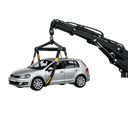
Loading & Unloading
Covers damage during the process of loading and unloading vehicles.
Winching Coverage
Covers damage to vehicles during winching and recovery operations.

Multiple Vehicle
Covers all vehicles on multi-car carriers and rollback flatbeds.
On-Hook Towing Insurance Requirements in Iowa
- Iowa Code section 321B.10 requires towing operators to file a tariff schedule with the Iowa Department of Transportation, and discrepancies between your filed rates and what you charge can create disputes that spill into damage claims.
- If your operation serves rural Iowa routes, review how longer travel distances and limited-shoulder pickups affect the vehicles and situations you accept.
- Iowa's seasonal weight limits on certain roads can restrict truck routing, which may extend transport distances and increase the window where a customer vehicle is in your custody.
- Customer vehicle condition disputes are easier to manage when your Iowa drivers document pre-existing damage before loading and confirm condition again at delivery.
How Much Does On-Hook Towing Insurance Cost in Iowa?
Underwriters look closely at what kinds of vehicles you tow, whether you use flatbeds, wheel-lifts, or both, how often you handle damaged vehicles, and whether your dispatches are mostly routine roadside calls or a mix that includes recovery and impound work. A business moving standard passenger vehicles on planned runs is evaluated differently from one that regularly accepts nighttime calls, difficult roadside pickups, or vehicles with existing collision damage.
Your service territory also affects the quote. If your drivers cover longer rural routes, work on shoulders with limited space, or respond in poor weather, the chance of a disputed or more expensive loss can rise. The same is true if your operation frequently tows heavier pickups, commercial vans, or vehicles with low clearance, modified suspensions, or all-wheel-drive systems that require careful handling. Those details matter because a single loading error on a low-clearance all-wheel-drive vehicle can multiply a repair bill well beyond what a routine tow would generate. If you do not disclose that work, a claim from that job can be denied for misrepresentation of your operations.
The cleanest way to get a usable Iowa quote is to present the operation in underwriting language. Show each truck, each towing method, your typical call types, your driver experience, and any procedures you use for intake photos, damage notation, and release documentation. If you also perform storage, recovery, or impound work, separate those activities clearly instead of blending everything into one vague description. That gives you a quote you can compare on limits, exclusions, and claim defensibility, rather than choosing on price alone and finding out later that the policy was built for a different kind of towing business.
Request a Quote Comparison
Enter your ZIP code to compare on-hook towing insurance rates from top carriers.
Business insurance starting at $25/mo
Who Needs On-Hook Towing Insurance?
In Iowa, this coverage deserves attention from any operator who takes control of someone else's vehicle during the tow process, even if towing is only part of the business. That includes traditional roadside towing companies, but it also reaches repair shops with a rollback, recovery operators, repossession businesses, transport services that occasionally move disabled vehicles, and contractors who use towing equipment as part of a broader service model. If a customer vehicle is attached to your unit and damage is alleged during that movement, your business can be the one expected to answer for it.
The need becomes more obvious when your work crosses several environments in the same week. You might pick up a stranded commuter vehicle in town, move a farm truck from a county road, transfer a dealership unit to a service department, and remove an unauthorized vehicle from private property. Those are not identical exposures. The customer, property owner, and storage destination may all have different expectations about condition reports, timing, and who is responsible for visible or hidden damage. If your paperwork and coverage do not line up with those expectations, disputes get harder to resolve.
This is also a priority for operators whose contracts require proof of insurance before work starts. Municipal, commercial, apartment, and fleet relationships often expect clear evidence that the vehicle being towed is addressed while it is in your care. Iowa's insurance regulator is the Iowa Insurance Division, so keep that agency in mind if you are reviewing policy forms, complaint handling, or licensing questions while you compare options. Before renewing, match your policy review to the actual vehicles you tow, the contracts you sign, and the handoff points where claims usually begin.
On-Hook Towing Insurance by City in Iowa
On-Hook Towing Insurance rates and coverage options can vary across Iowa. Select your city below for localized information:
How to Buy On-Hook Towing Insurance
Start your Iowa purchase process by mapping the jobs that create the most exposure, not by asking for a generic towing package. Build a submission that shows each truck, the towing method used by that truck, the kinds of vehicles you accept, and the situations where your drivers take custody. If one unit is mostly flatbed transport and another is used for wheel-lift roadside calls or impounds, separate those uses clearly. Underwriters can only price and structure the coverage they can see.
Next, gather the operating details that help prevent a bad fit. Include your service area, whether you work rural roads or mostly urban calls, whether you handle recoveries after storms or winter events, and whether you tow vehicles with existing damage. Explain your intake process with photos before hookup, notation of prior damage, securement procedures, and signed release or drop documentation. Those steps do not just support claims later, they also show that your operation is organized and easier to underwrite.
Then compare quotes on the parts that matter in a real Iowa loss. Review the on-hook limit against the highest-value vehicles you may tow, ask how the policy treats different towing methods, and look for exclusions that could affect recoveries, impounds, or specialty vehicles. If a quote looks inexpensive because the description of operations is too broad or too clean, slow down and correct it before binding. Request a quote through CPK Insurance to compare your options with participating licensed providers.
How to Save on On-Hook Towing Insurance
In Iowa, the most reliable savings usually come from making your operation easier to document and easier to defend, not from stripping down the policy. Start with dispatch discipline. Separate routine tows from recoveries, impounds, dealer moves, and any higher-risk work in your records. If your submission lumps every call into one vague category, underwriters may assume a broader exposure than you actually present, or they may quote conservatively because they cannot tell how your trucks are used.
Driver procedure is the next place to save without weakening protection. Use consistent pre-tow photos, note existing damage before hookup, document the towing method used, and record the condition at drop-off. In a disputed Iowa claim, that file can matter as much as the policy itself. It helps show whether damage was pre-existing, whether the vehicle was properly secured, and whether the loss likely happened during a covered part of the tow. Better documentation can support cleaner underwriting at renewal because your operation looks controlled rather than improvised.
Equipment matching also matters. If a truck is routinely used outside its ideal role, claims become easier to make and harder to defend. Review whether low-clearance vehicles, all-wheel-drive units, heavier pickups, or damaged vehicles are being assigned to the right equipment every time. Adding impounds, taking on more recovery work, or expanding into longer rural runs can change the exposure materially, so update your file before renewal rather than carrying a misdescribed policy until a claim exposes the gap.
Our Recommendation for Iowa
For Iowa towing operators, the smartest buying move is to treat on-hook coverage as a claims-handling tool, not just a certificate requirement. Review the exact point where your responsibility begins and ends on your most common calls. If your drivers regularly work wet shoulders, gravel approaches, farm access roads, apartment lots, or post-storm scenes, say that plainly during quoting. Those details help shape a policy that matches the way losses actually happen.
Many operators think in terms of average vehicles, but claims often get painful when a heavier pickup, work van, or newer SUV is damaged during loading or unloading. Also review whether your operation mixes flatbed and wheel-lift work, because the towing method can change both exposure and underwriting questions.
Before you bind, test your documentation process against one real claim scenario. If you cannot show pre-tow condition, attachment method, securement, route, and drop-off condition without guessing, fix that process now. That is usually the difference between a policy that looks acceptable on paper and one that stands up when a customer disputes damage.
FAQ
Frequently Asked Questions
Yes. A rural roadside call often means loading on a soft shoulder, a gravel approach, or an uneven farm lane, and custody begins the moment your driver starts winching. If your policy only accounts for transport, you may have no coverage for damage that occurs during the hookup itself.
Ice, flooding, and storm debris change how a vehicle is approached and secured, and they increase the chance of a slip, a strap failure, or an undercarriage strike. Disclose that work during underwriting so the policy is reviewed around the calls your drivers actually handle.
Iowa insurance questions are overseen by the Iowa Insurance Division. If you are comparing policy forms, checking licensing concerns, or reviewing complaint options, keep that agency in mind while you shop coverage.
Yes. A flatbed creates contact-point and tie-down questions, while a wheel-lift raises concerns about drivetrain and suspension loading. If your business uses both, list each truck's role clearly so the quote reflects the real exposure.
Yes. If your shop moves customer vehicles on a rollback, the same custody gap applies. A vehicle damaged while loading or unloading at your bay can trigger a claim that your garage policy was not built to handle.
Show each truck, each towing method, the types of vehicles handled, service territory, and any recovery or impound work. Pre-tow photo procedures, damage notation, and release documentation also help the quote match the operation more accurately.
No. If your drivers handle post-storm recoveries, ditch pulls, or damaged vehicles after severe weather, ask for those activities to be reviewed specifically before binding. A generic towing description may not extend to recovery work, and a claim from an undisclosed ditch pull can be excluded.
On-hook towing insurance may cover damage to a customer vehicle while it is being loaded, attached, carried, winched, or unloaded by your tow truck, depending on the policy terms. Buyers should review collision, fire, theft, weather, and loading-related damage carefully.
Sources
- 1.Iowa Insurance Division(Iowa's insurance regulator is the Iowa Insurance Division.)
Updated July 16, 2026