Updated July 16, 2026

Key Takeaways
- Compare quotes using the same peak inventory value, deductible, and valuation assumptions so you can see real coverage differences.
- Ask in writing how the policy handles hail, flood, theft, vandalism, and test drives before you bind coverage.
- Prepare a current inventory schedule, offsite storage list, and security summary before requesting dealer open lot insurance quotes.
- Review whether flood needs separate placement instead of assuming another policy form includes it automatically.
- Requote after security upgrades, lot layout changes, or improved claims history so pricing reflects your current risk.
Dealer Open Lot Insurance in Kansas
A wind-driven hailstorm can hit after closing, or a spring tornado warning can force you to move units fast with only part of the lot cleared. In Kansas, that is the kind of loss scenario that makes dealer open lot insurance worth reviewing before the next weather swing, not after it. If your inventory sits outside, rotates between the front line and overflow storage, or moves between rooftops and recon locations, your quote needs to match those operating details. Kansas weather can change quickly, and that changes how you should think about deductibles, lot layout, secondary storage, and the values you report to the carrier. Theft and vandalism still matter, but a single storm hitting a full lot can turn a manageable claim into a balance sheet problem.
A useful review starts with where vehicles are parked, how often inventory values spike, whether keys and titles are controlled separately, and how your team documents condition before and after movement. Bring those details into the quote process so you can compare terms, not just premiums.
What Dealer Open Lot Insurance Covers
A severe storm can damage a concentrated row of higher-value trucks, a tornado warning can force hurried vehicle movement that creates handling losses, and overflow storage can leave part of your inventory subject to different security or drainage conditions than the front line.
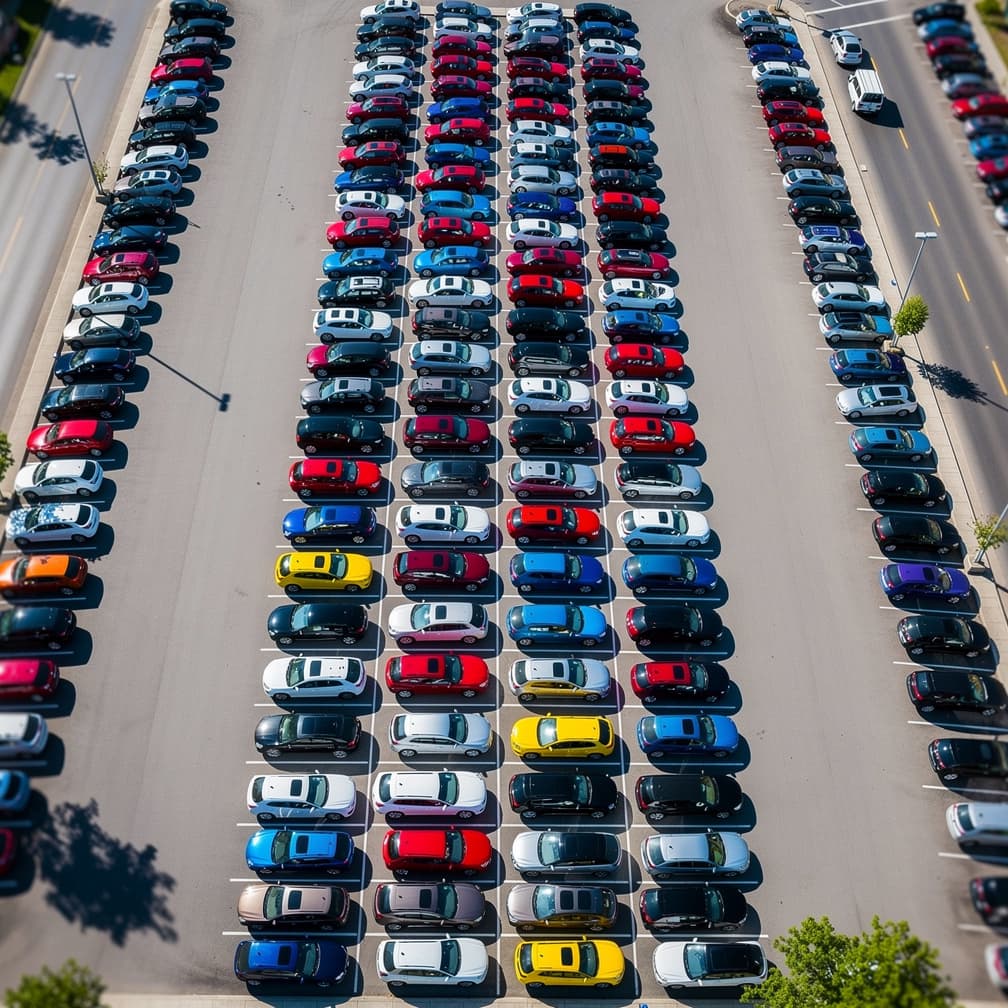
For a Kansas risk review, start by separating vehicles by where and how they are stored. Identify each parking area clearly so the policy review matches your real exposure. If units move between locations during reconditioning, detail that movement. If your staff stages vehicles tightly before a sales event or seasonal push, note that too, because concentration can change the size of a single weather loss.
You should also review how the policy handles temporary movement, employee handling, and any gap between acquisition and formal inventory reporting. In practice, claim disputes often start with timing, location, or valuation records, not just the cause of loss. That is why photo documentation, acquisition records, and a current inventory schedule matter as much as the declarations page. Kansas buyers should also ask how the policy terms apply to hail-prone periods, wind events, and vehicles stored on surfaces with different drainage or debris exposure. The goal is to line up coverage terms with the way your lot actually operates this month, not the way it looked when the business first applied.

Weather Damage
Covers hail, wind, flood, and storm damage to lot inventory.
Theft Protection
Covers vehicles stolen from your lot.
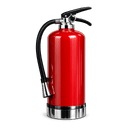
Fire Damage
Covers fire and explosion damage to inventory vehicles.

Vandalism
Covers intentional damage to vehicles on your lot.
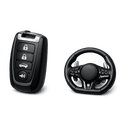
Test Drive Coverage
Covers vehicles during customer and employee test drives.
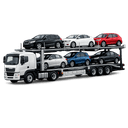
Transit Coverage
Covers vehicles being moved between lot locations.
Dealer Open Lot Insurance Requirements in Kansas
- Kansas weather can concentrate damage across many vehicles in one event, which makes lot layout, unit spacing, storm response procedures, and surface drainage critical factors during the quote process.
- If your dealership uses overflow storage or a secondary yard, list each location clearly so the policy review matches actual inventory placement.
- Hurried vehicle movement during a storm can create separate handling issues alongside the original weather loss, and debris control matters most where inventory sits outdoors for longer periods.
How Much Does Dealer Open Lot Insurance Cost in Kansas?
Dealer open lot insurance costs in Kansas usually turn on exposure quality more than a simple vehicle count. Underwriters want to know the total value you carry, but they also look at how that value is concentrated, how often it changes, and whether part of the inventory sits in areas with weaker controls or greater weather exposure. A lot with disciplined reporting and consistent storage practices is easier to price than one with frequent value swings and unclear offsite locations.
For operations here, the clustering of high-value inventory in open air is often a practical pricing issue. If a large share of your inventory sits outdoors with little separation between units, one hail or wind event can affect many vehicles at once. That can influence deductibles, sublimits, and the way a carrier views your loss potential. If you use multiple storage areas, expect the quote process to ask where each group of vehicles is kept and how those locations are secured and monitored.
Your claims history, requested limits, and deductible choices also shape the premium, as do the types of vehicles you stock. Higher-value units, specialty inventory, or inventory that turns slowly can change the exposure profile because values stay on the lot longer or create larger single-unit losses. Seasonal buying patterns matter too, so if your inventory peaks at certain times, your reported values should keep up. A practical quote review compares more than price. Ask how values are reported, how recent acquisitions are treated, whether off-premises storage is contemplated, and what documentation the carrier expects after a storm loss. That gives you a better basis for choosing terms you can actually use when a claim happens.
Request a Quote Comparison
Enter your ZIP code to compare dealer open lot insurance rates from top carriers.
Business insurance starting at $25/mo
Who Needs Dealer Open Lot Insurance?
In Kansas, this coverage deserves attention anywhere vehicle inventory is exposed outdoors before sale and delivery. That includes dealers with a visible front line, overflow storage behind the building, units parked at a secondary lot, or vehicles moving between auction pickup, recon, and retail display. What matters is that your business owns inventory for resale and that inventory may be damaged before the buyer takes possession.
Kansas weather makes that review more urgent for operations that carry a lot of value in open air. If your inventory mix includes trucks, SUVs, work vans, trailers, powersports units, or other stock that spends time outside, you should look closely at how values are tracked and where units sit during severe weather periods. Dealers that expand inventory seasonally or hold slower moving units longer should also review whether their reported values still match reality.
This also matters for businesses that do not think of themselves as a traditional auto dealership. If you sell titled units, keep them on display, and move them between locations or storage areas before sale, your exposure can resemble a dealer open lot risk even if your operation is more specialized. The key question is simple: do you have resale inventory that may be hit by weather, theft, vandalism, or handling loss while it is still yours? Kansas buyers should pay special attention if they rely on overflow parking, share space with service operations, or use temporary storage during busy periods. Those are the situations where a standard assumption about where inventory sits can break down, and where a more careful quote review can prevent a coverage mismatch.
Dealer Open Lot Insurance by City in Kansas
Dealer Open Lot Insurance rates and coverage options can vary across Kansas. Select your city below for localized information:
How to Buy Dealer Open Lot Insurance
To buy this coverage in Kansas, build the submission around the way your inventory is actually stored and moved today. Start with a current inventory list and make sure values are updated, not estimated from an older month. Then map every place vehicles are kept: the main lot, fenced overflow, service-adjacent parking, any secondary storage, and any temporary holding area used after auction purchases or during reconditioning. If an underwriter cannot see the full storage picture, the quote may miss a meaningful part of your exposure.
Next, document your controls. Show how keys are secured, who can move vehicles, how titles are stored, whether the lot is fenced, how lighting and cameras are used, and how often inventory is reconciled. In Kansas, it also helps to explain your storm procedures. If your team relocates higher-value units, uses covered areas for selected inventory, or has a written process for weather alerts, include that. Concrete procedures can make the risk easier to evaluate.
You should also be ready to discuss prior losses, deductible preferences, and whether inventory values spike during certain seasons. If you buy aggressively at auction or shift units between locations, say so up front. Kansas buyers should confirm that the insurer they are considering is regulated by the Kansas Insurance Department, which means the department reviews policy forms and can assist with consumer complaints if a dispute arises. Before binding, compare how each quote treats valuation, recent acquisitions, secondary storage, and claim documentation requirements. Then choose the option that fits your lot operations, not just the lowest premium.
Request a quote through CPK Insurance to compare your options with participating licensed providers.
How to Save on Dealer Open Lot Insurance
Saving money on this coverage in Kansas usually starts with reducing uncertainty for the underwriter. The more clearly you can show where vehicles are stored, how values are tracked, and what controls are in place, the easier it is to earn a quote based on your actual operation instead of broad assumptions. That means keeping a current inventory schedule, reconciling it regularly, and making sure overflow or temporary storage is documented the same way as the main lot.
Weather planning can also affect cost over time because it can reduce claim severity. If your team has a written process for storm alerts, designated relocation areas, and a clear chain of responsibility for moving higher-value units, that can strengthen your risk profile. Separating vehicles enough to limit chain damage helps too, as does maintaining drainage around storage areas and removing loose debris before severe weather arrives. Security discipline also plays a role here, so separate key control from title control, limit who can move inventory, and keep movement logs for offsite transfers. If a claim happens, those records help establish what was on hand, where it was located, and when the damage likely occurred. Better records can support cleaner claims handling and may help you avoid paying for preventable disputes later.
You can also save by choosing deductibles that fit your balance sheet instead of defaulting to the lowest out-of-pocket option. In Kansas, where weather losses can affect multiple units at once, the right deductible is the one you can absorb without disrupting operations. Review it alongside your peak inventory values so you can compare total cost, not just premium.
Our Recommendation for Kansas
The smartest buying move is to treat storm exposure as a financial planning issue, not just an insurance issue. Review your peak inventory values, identify where the highest-value units sit, and decide in advance which vehicles your team moves first when severe weather is approaching. If that plan only exists in someone's head, it is not reliable enough.
Ask for a quote review that matches each storage location separately. A main sales lot, overflow yard, and temporary offsite area do not present the same exposure, and combining them loosely can hide a coverage gap. You should also verify how recent acquisitions are reported and how quickly your inventory schedule needs to be updated after auction purchases or transfers. On the documentation side, keep date-stamped photos, acquisition records, and movement logs organized before storm season. Those records matter when damage affects many units at once and condition questions come up after the fact. Finally, test your deductible against a scenario where several vehicles are damaged in the same event, since that is how most severe weather claims actually unfold. That is often the difference between a policy that looks affordable on paper and one your dealership can actually use without straining cash flow.
FAQ
Frequently Asked Questions
You should review overflow storage specifically, because inventory parked away from the main display area can create different security, drainage, and weather exposure issues. Ask for each storage location to be scheduled and described accurately before you bind coverage.
Closer attention to deductibles, concentration of values, and storm procedures is usually needed because severe weather can damage many units in one event. Review where higher-value vehicles sit, how quickly they can be moved, and how losses are documented afterward.
Insurance markets here are regulated by the Kansas Insurance Department, which reviews policy forms and can assist with consumer complaints if a dispute arises. Confirm the insurer and policy form are appropriate for your transaction.
You can often address off-premises inventory, but only if those locations are disclosed during underwriting. If units are stored at a secondary yard, recon site, or temporary holding area, include that information in the submission.
Prepare a current inventory list, values, all storage locations, security details, and any offsite movement practices. A stronger submission also explains storm procedures, key control, title control, and how often inventory records are reconciled.
Coverage terms vary by policy, so movement between display rows, overflow areas, and reconditioning spaces should be reviewed carefully. Do not assume every handling situation is treated the same way. Ask the agent to walk through your normal movement patterns.
Test deductibles against a realistic weather event that affects multiple vehicles at once, not just a single unit loss. The right choice is one your business can absorb while still repairing, replacing, and continuing normal sales operations.
Dealer open lot insurance nationwide is generally reviewed for damage or loss to vehicles you own for sale, including hail, wind, theft, vandalism, fire, flood, and test drive exposure, depending on your policy terms, deductibles, valuation method, and any location or off-premises limitations.
Sources
- 1.Kansas Insurance Department(Kansas insurance markets are regulated by the Kansas Insurance Department.)
Updated July 16, 2026