Updated July 16, 2026

Dealer Open Lot Insurance in Kansas City
The decision usually lands here when you are about to sign a lot lease, take in a fresh run of auction units, or move overflow inventory onto a secondary fenced parcel near the interstate. At that point, your policy stops being a back office item and becomes an inventory control question. You need to know where each vehicle sits and how quickly you can document units across more than one location, because keys, lighting, and fencing can vary from site to site. This market also asks you to think about buyer affordability. Kansas City median household income is $59,183, which means many local shoppers are comparing payments on older, value-priced vehicles that may sit outside longer while they decide. Longer outdoor dwell time can change how you review limits, reporting practices, and any gap between your peak inventory and your scheduled values. Before you request quotes, map every storage address and be ready to show how you secure vehicles after hours, including whether units are packed tightly on one site or spread across separate parcels.
Dealer Open Lot Insurance Risk Factors in Kansas City
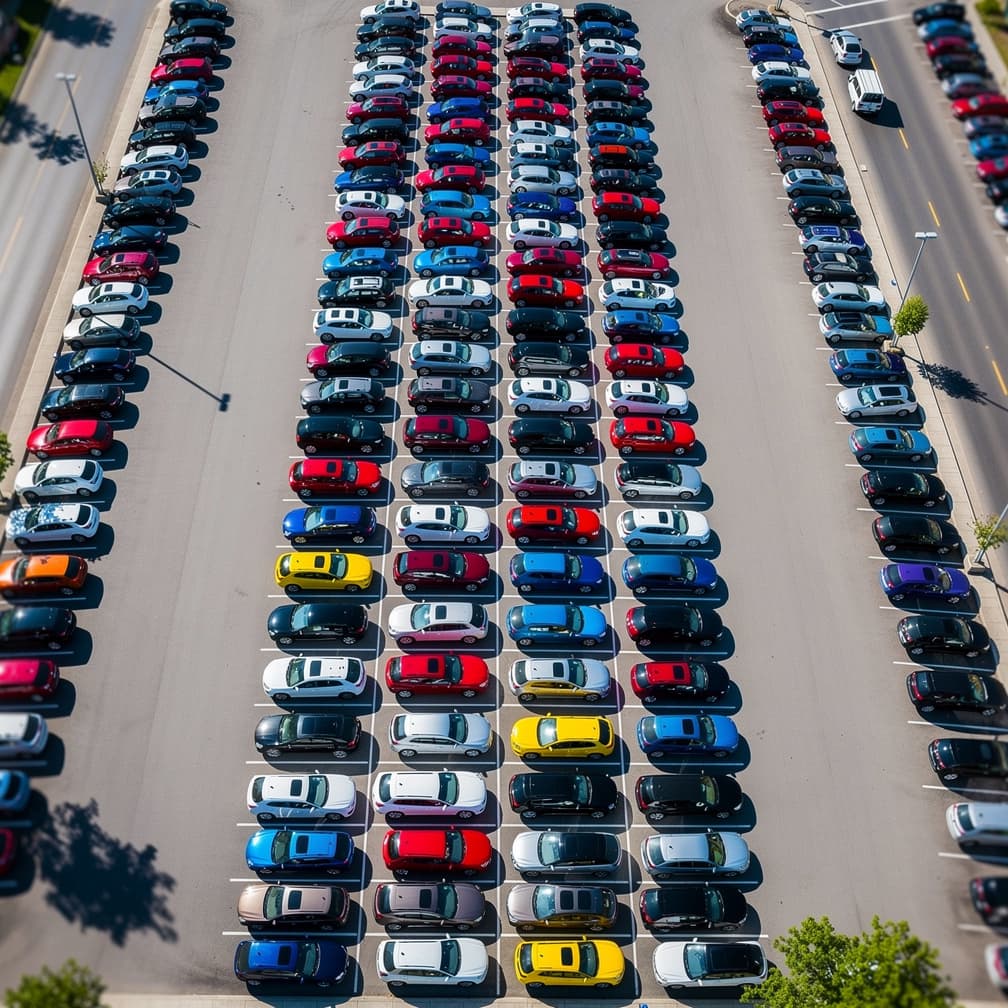
Local lot management is the real difference here. Many dealers work from compact urban parcels, then use a second address for overflow or recently acquired units, which creates a documentation problem before it becomes an insurance problem. If a loss hits, you want the carrier to see a clean schedule of where inventory was kept, how often counts were updated, and whether the same security standards applied at each site. The state page already covers Kansas weather generally, so the local question is operational: can you move, count, and verify units fast when inventory is **split between a main lot and a nearby storage location**? Review fencing, gate control, camera coverage, lighting, and key procedures by address, not just for the dealership as a whole. If your inventory turns slowly or includes more older vehicles, ask whether your reporting method still matches how many units are actually outside on the lot each month.
Kansas has a very high climate risk rating. Top hazards: Tornado (Very High), Hailstorm (Very High), Severe Storm (Very High), Drought (Moderate). The state's expected annual loss from natural hazards is $1.6B, which influences dealer open lot insurance premiums and may affect coverage availability in high-risk areas.
What Dealer Open Lot Insurance Covers
A severe storm can damage a concentrated row of higher-value trucks, a tornado warning can force hurried vehicle movement that creates handling losses, and overflow storage can leave part of your inventory subject to different security or drainage conditions than the front line.
For a Kansas risk review, start by separating vehicles by where and how they are stored. Identify each parking area clearly so the policy review matches your real exposure. If units move between locations during reconditioning, detail that movement. If your staff stages vehicles tightly before a sales event or seasonal push, note that too, because concentration can change the size of a single weather loss.
You should also review how the policy handles temporary movement, employee handling, and any gap between acquisition and formal inventory reporting. In practice, claim disputes often start with timing, location, or valuation records, not just the cause of loss. That is why photo documentation, acquisition records, and a current inventory schedule matter as much as the declarations page. Kansas buyers should also ask how the policy terms apply to hail-prone periods, wind events, and vehicles stored on surfaces with different drainage or debris exposure. The goal is to line up coverage terms with the way your lot actually operates this month, not the way it looked when the business first applied.
Coverage Included

Weather Damage
Covers hail, wind, flood, and storm damage to lot inventory.
Theft Protection
Covers vehicles stolen from your lot.

Fire Damage
Covers fire and explosion damage to inventory vehicles.

Vandalism
Covers intentional damage to vehicles on your lot.

Test Drive Coverage
Covers vehicles during customer and employee test drives.
Transit Coverage
Covers vehicles being moved between lot locations.
What Makes Kansas City Different
Inventory gets split across addresses in ways that are specific to this market. In the county containing Kansas City, there are 3,129 business establishments, with retail trade at 14.1%, construction at 12.2%, and other services at 10.6%. Those sectors often compete for the same commercial corridors near I-70 and State Avenue, which pushes dealer storage onto secondary parcels instead of one simple front-line lot. For your policy, that matters because underwriting gets more sensitive when inventory is spread across multiple addresses with different fencing, lighting, traffic patterns, and after-hours controls. A clean submission here should show each location, the maximum unit count by site, how often values are updated, and whether transport between parcels is routine. If you use overflow storage, do not assume the carrier views it the same way as your primary sales lot. Ask specifically how off-site inventory is scheduled and whether any location conditions need to be listed before binding.
Our Recommendation for Kansas City
Start with a location-by-location inventory worksheet, not a rough total. List every lot, overflow parcel, and temporary holding area, then match each address to its security details in a single document an underwriter can follow. A site-by-site breakdown gives underwriters a clearer picture than a combined vehicle count, especially when fencing and camera coverage differ between locations. Review how long units typically remain outside before sale. If your mix leans toward older, payment-sensitive inventory, slower turns can leave more vehicles exposed at one time than your last policy review assumed. Ask how newly acquired vehicles are reported during busy buying periods, especially if they spend a few days at a secondary site before front-line placement. If any quote language is unclear on off-premises storage, ask for that point to be answered in writing before you bind. The strongest submissions include your addresses, peak inventory estimate, and security details up front, so the carrier can price the risk accurately rather than chasing corrections after a loss.
Get Dealer Open Lot Insurance in Kansas City
Enter your ZIP code to compare dealer open lot insurance rates from carriers in Kansas City, KS.
Business insurance starting at $25/mo
FAQ
Frequently Asked Questions
Yes. A second lot means a separate address with its own exposure, and underwriters need each site scheduled individually so there is no gap if a vehicle is damaged at the overflow parcel rather than the main sales lot.
Kansas City lots often carry value-priced inventory for local buyers. With median household income at $59,183, some dealers see older vehicles remain outside longer, which makes accurate peak value reporting and lot-by-lot scheduling worth reviewing before binding.
When vehicles sit at multiple addresses, underwriters need to see security details, unit counts, and reporting practices broken out by location rather than lumped together. A single combined total does not tell them which site has camera coverage or which lot relies on chain-link and a padlock.
Kansas City sits in a county where retail trade accounts for 14.1% of establishments, construction 12.2%, and other services 10.6%. Those industries compete for commercial land along the same corridors dealers use, which can push storage onto scattered parcels and make a clear location schedule essential before you submit for quotes.
You should review overflow storage specifically, because inventory parked away from the main display area can create different security, drainage, and weather exposure issues. Ask for each storage location to be scheduled and described accurately before you bind coverage.
Closer attention to deductibles, concentration of values, and storm procedures is usually needed because severe weather can damage many units in one event. Review where higher-value vehicles sit, how quickly they can be moved, and how losses are documented afterward.
Insurance markets here are regulated by the Kansas Insurance Department, which reviews policy forms and can assist with consumer complaints if a dispute arises. Confirm the insurer and policy form are appropriate for your transaction.
You can often address off-premises inventory, but only if those locations are disclosed during underwriting. If units are stored at a secondary yard, recon site, or temporary holding area, include that information in the submission.
Sources
- 1.U.S. Census Bureau, ACS 5-Year Estimates, table B19013(Kansas City median household income is $59,183)
- 2.U.S. Census Bureau, County Business Patterns, Wyandotte County(In the county containing Kansas City, there are 3,129 business establishments; Retail trade at 14.1%, construction at 12.2%, and other services at 10.6% of establishments)
Updated July 16, 2026