Updated July 16, 2026

Key Takeaways
- Compare liquor liability quotes using the same limits and the same description of your alcohol operations, then read exclusions and defense wording before you choose a policy.
- Ask whether assault and battery is included, limited, or excluded, especially if you operate late hours, use security, host events, or manage crowded service areas.
- Document ID checks, server training, incident logs, and cut-off procedures so your application and your claim file both support how you actually operate.
- Review contracts from landlords, venues, and event partners early so you can match liquor liability limits and certificate requirements before binding coverage.
- Separate host liquor questions from true liquor liability needs if alcohol is only furnished occasionally and not part of your regular business revenue.
Liquor Liability Insurance in Kansas
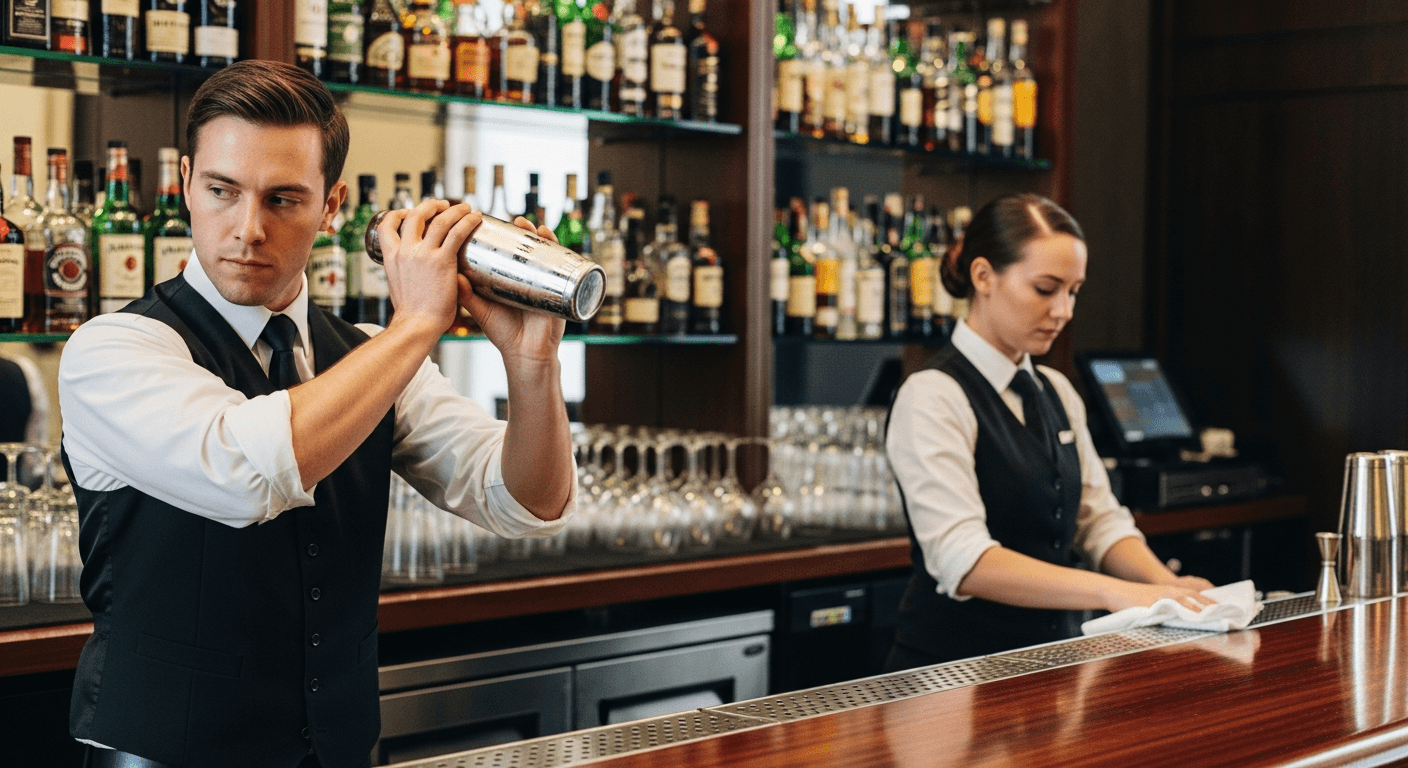
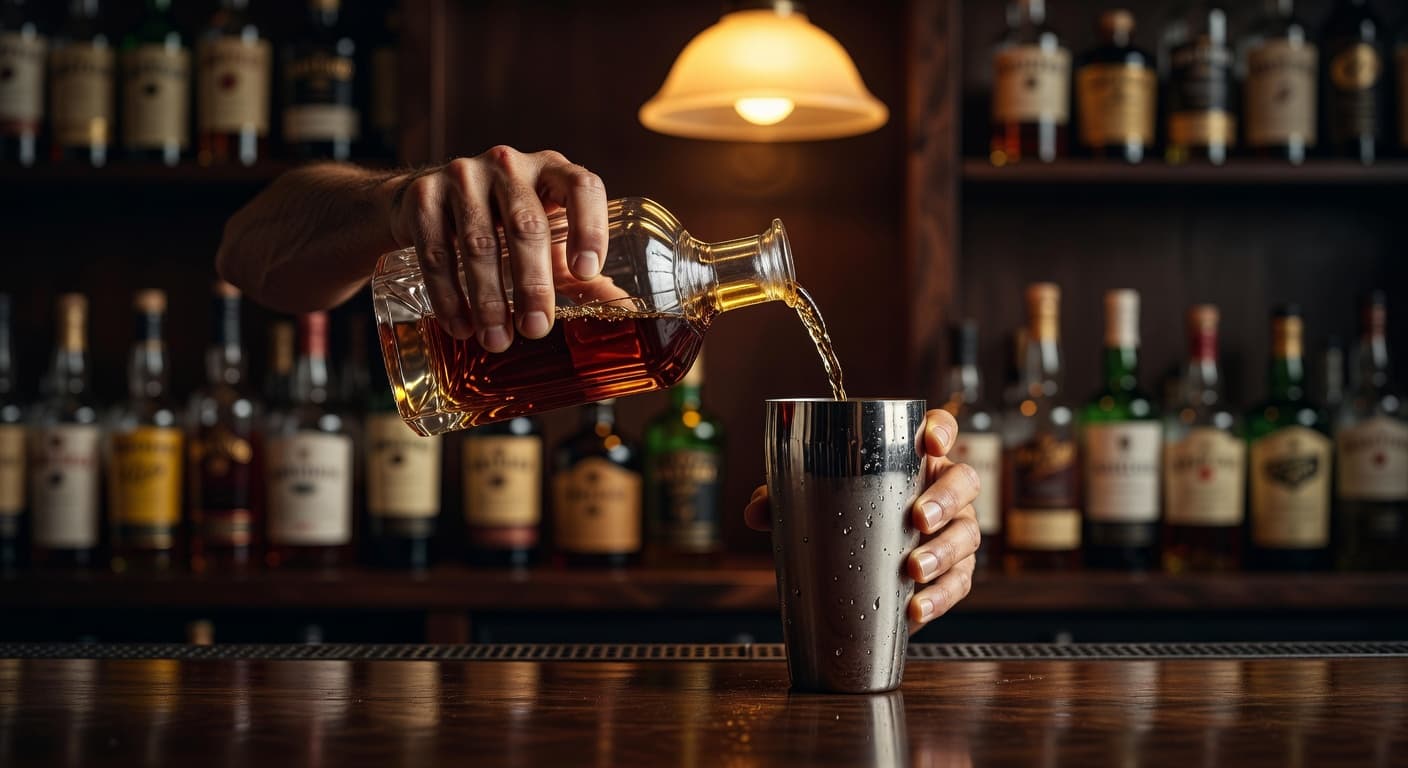
A customer leaves your bar, tasting room, private club, or catered event after a few rounds, causes a crash, and your business gets pulled into the claim because staff kept serving or controls broke down. That is the loss scenario this coverage is built around. Your quote needs to match how alcohol is actually sold, checked, poured, and supervised at your location. A neighborhood tavern with late-night service, a wedding venue that brings in bartenders for weekend receptions, and a restaurant that treats alcohol as an add-on to food all present different exposure. In Kansas, the practical buying work is less about broad promises and more about documenting service methods, training expectations, incident procedures, and any lease or event-contract insurance language before you bind coverage. If you are reviewing options now, gather your alcohol sales mix, hours of service, security practices, prior incidents, and the exact way temporary events are handled so your quote is built around those details rather than a generic class code.
What Liquor Liability Insurance Covers
For a Kansas alcohol-serving business, the useful question is not whether the policy exists, but where a claim is most likely to start and whether your form is built for that path. A claim often begins after an alleged overservice incident, a failure to check identification, a disturbance that escalates after drinks are served, or an off-premises event where responsibility between the venue, caterer, and bartender is blurred. Your review should focus on how the policy responds to those operating realities, not just the declarations page.
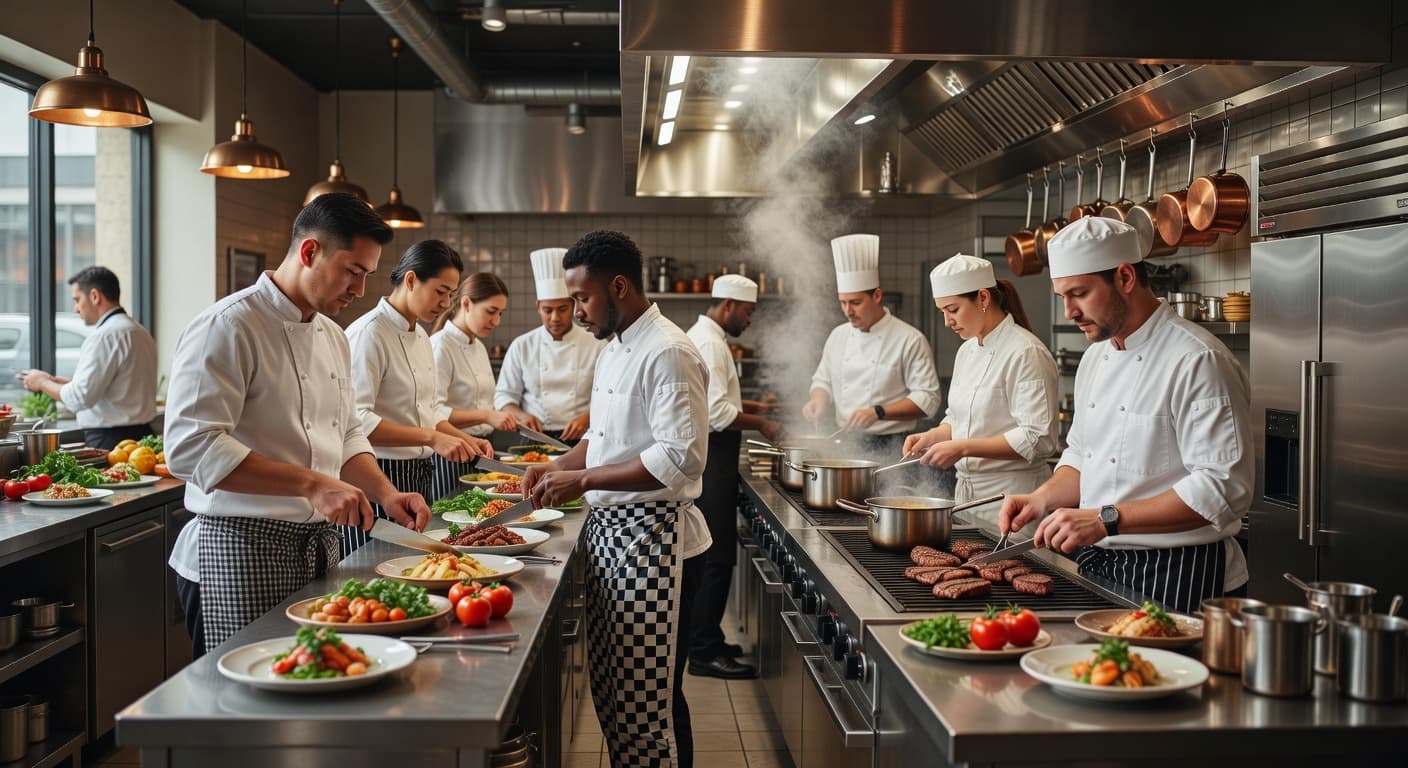
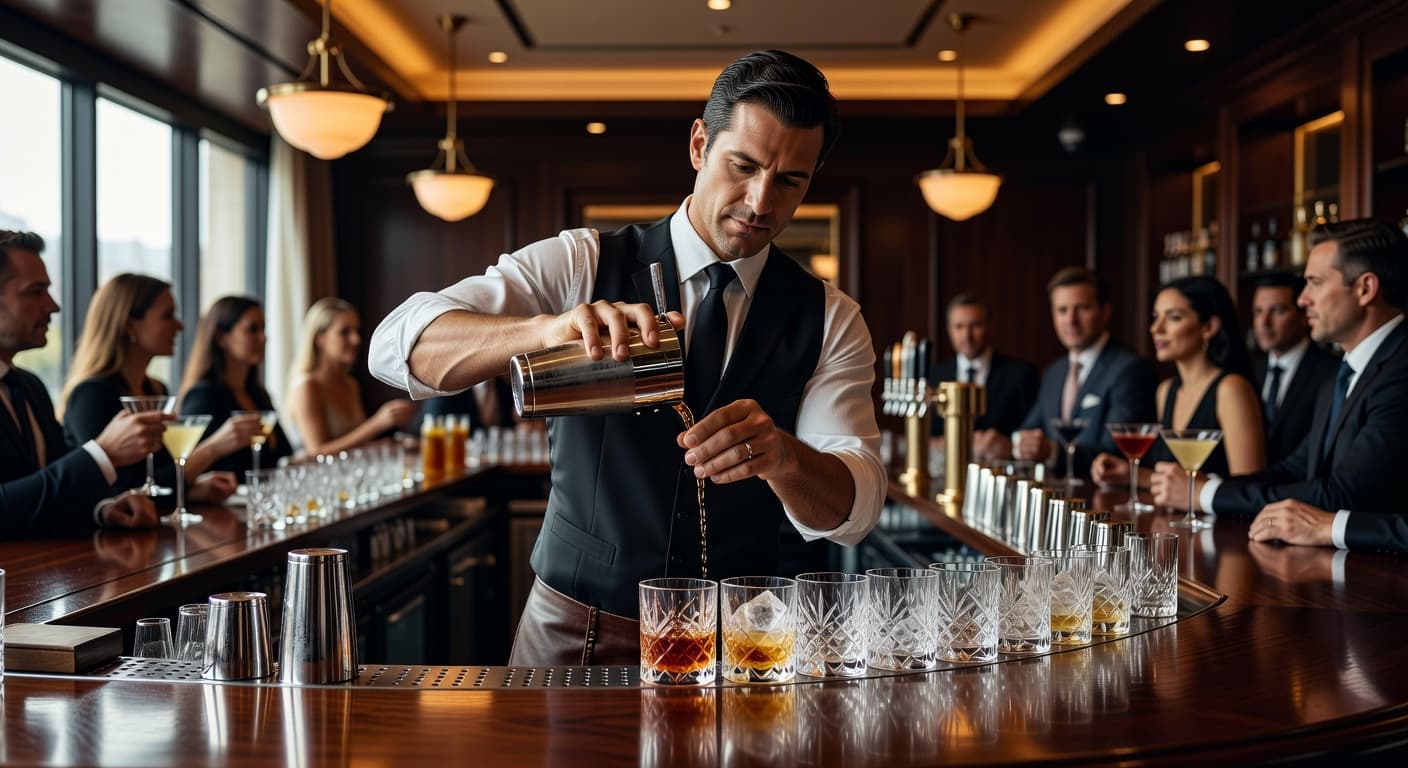
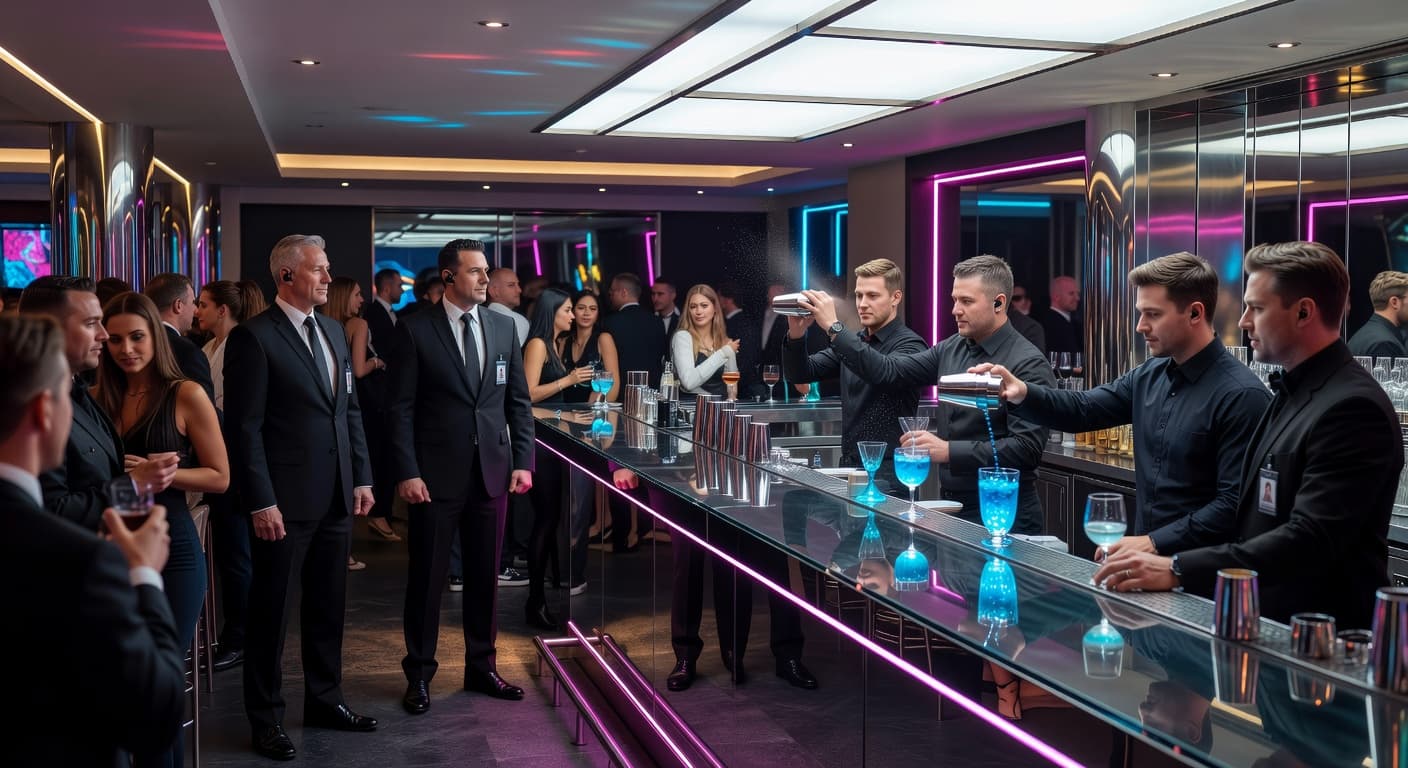
Start with your service model. If you run a restaurant where alcohol is secondary to food, ask how the carrier classifies bar receipts, happy hour promotions, and any separate bar area. If you operate a tavern, club, brewery taproom, or event venue, review whether the quote includes door staff, drink specials, dance floor exposure, security vendors, and the latest hour alcohol is served. Those details can change both underwriting appetite and the endorsements worth requesting.
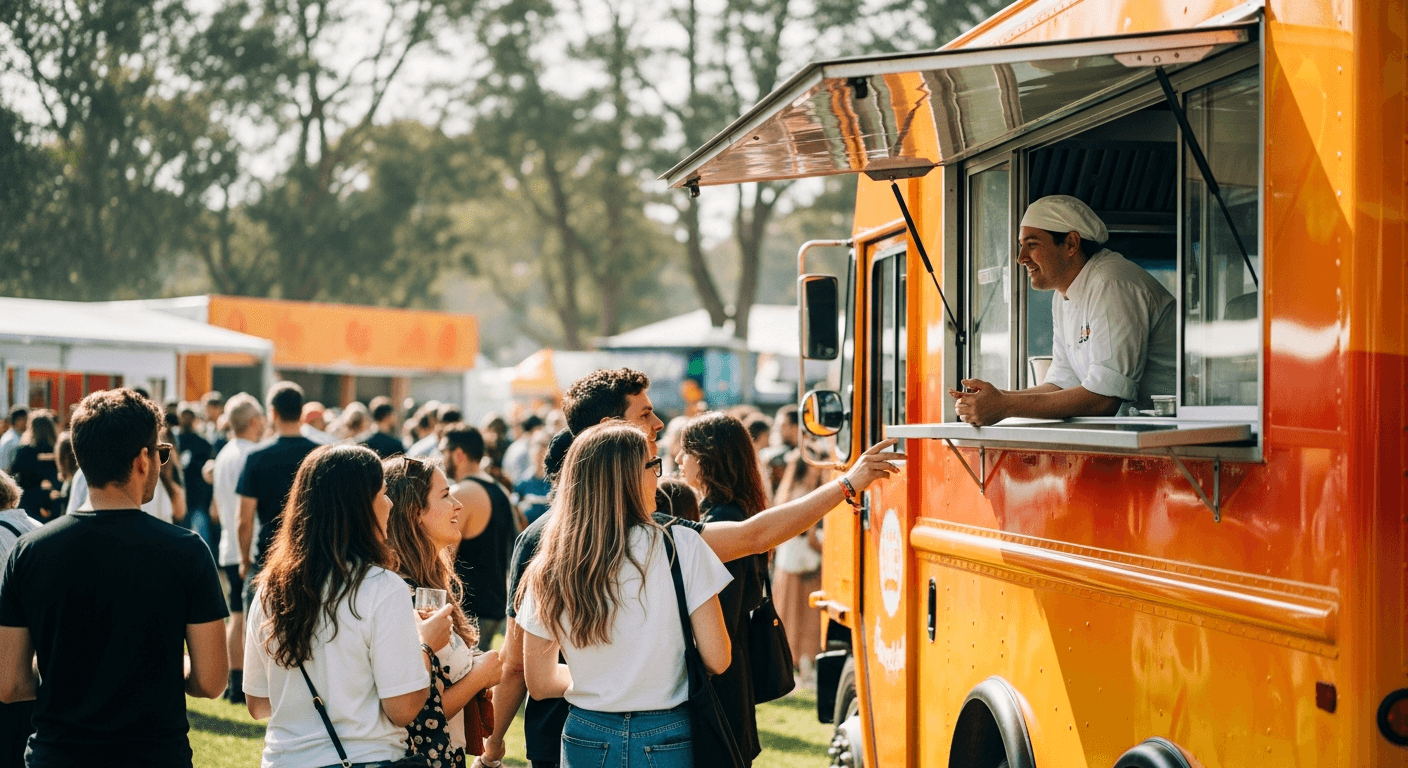
Then look at where service happens. Kansas businesses often need clarity around banquet rooms, patios, festivals, pop-up service bars, and catered events away from the main premises. If your staff pours at weddings, fundraisers, or corporate functions, confirm whether those dates, locations, and subcontracted bartenders are included before the event goes on the calendar.
Finally, line up the policy with your contracts. Landlords, event hosts, and distribution partners may ask for specific limits, additional insured wording, or proof of coverage before service starts. Review those requirements early, because changing forms after a contract is signed can slow down opening dates or event approvals.

Bodily Injury Liability
Can help cover injuries an intoxicated patron causes to others after your business served or sold them alcohol.

Property Damage Liability
May pay for property damage caused by an intoxicated customer your establishment served, such as a car crash after leaving.

Assault & Battery
Can help cover claims arising from fights or physical altercations involving intoxicated patrons at your bar or restaurant.

Defense Costs
May pay for attorneys, court fees, and related legal expenses when your business is sued over an alcohol-related incident.

Host Liquor Liability
Can help cover alcohol-related claims from events where you host or serve drinks without selling them, like company parties.
Liquor Liability Insurance Requirements in Kansas
- Kansas venues face a few recurring patterns worth watching. If you allow outside bartenders, confirm whether the policy includes subcontracted service and how certificates will be handled before bookings are finalized.
- Restaurants with occasional private receptions present a related issue: the quote may need to reflect both ordinary dining service and higher-risk event nights, not just average weekly operations.
- Off-premises service adds another layer, so if your business pours at weddings, fundraisers, or corporate functions, review how temporary service locations are scheduled and reported before coverage is bound.
- And if your layout includes patios, tasting counters, or multiple bar stations, make sure each service area is disclosed so supervision assumptions match the floor plan.
How Much Does Liquor Liability Insurance Cost in Kansas?
Average Cost in Kansas
$45 - $200
per month
Businesses in Kansas typically see liquor liability insurance premiums of $45 - $200 per month, which tends to run 16% below the national range of $50 - $240 per month.
- Share of sales that comes from alcohol
- Type of venue and how late you serve
- Server training and service procedures
- State dram shop law
- Liquor liability limits selected
- Prior over-service or assault claims
Contact CPK Insurance for a personalized quote.
In Kansas, pricing usually turns on how your alcohol operation behaves in practice. Many businesses see premiums from $45 to $200 per month, depending on alcohol receipts, hours of service, entertainment, security controls, prior claims, and the limits you request. For a small operation, that may mean budgeting roughly the cost of a monthly utility bill, around $45 to $75. A busy venue with late-night service and frequent events should expect the higher end of that range to apply, often $150 to $200 per month, because underwriters price the added exposure of crowds, security, and extended hours.
Underwriters usually look closely at your alcohol sales mix. A venue where liquor drives traffic can be viewed differently from a restaurant where drinks are incidental to meals. They also study closing time, whether you use bouncers or contracted security, how identification is checked, whether staff document refusals of service, and whether incidents are escalated to management. If you host live music, private events, or temporary bars, expect those details to matter.
Your requested limits and any contract-driven insurance requirements also affect cost. A landlord, festival organizer, or wedding client may require higher limits or specific wording, and that can move the premium more than owners expect. Deductible structure, claims history, and whether you package coverage with other business policies can also change the quote.
Provide alcohol revenue estimates, floor plan notes, event schedules, security procedures, and copies of any lease or venue contract language. Cleaner submissions usually produce more comparable quotes, which makes it easier to decide whether a lower premium is actually tied to narrower terms.
Prices shown are general estimates, not guaranteed rates or quotes. Your actual premium will depend on the insurer, coverage selected, business details, location, claims history, and other underwriting factors. Learn about our pricing methodology.
Request a Quote Comparison
Enter your ZIP code to compare liquor liability insurance rates from top carriers.
Business insurance starting at $25/mo
Who Needs Liquor Liability Insurance?
In Kansas, this coverage deserves a close look if alcohol service is part of how you make money, attract customers, or fulfill an event contract. That includes bars, restaurants, taverns, private clubs, breweries with taprooms, wineries, music venues, bowling centers, golf facilities, banquet halls, wedding venues, caterers, and mobile bar operators. The common thread is not your business label. It is whether your operation can be accused of contributing to an alcohol-related injury claim.
Some owners underestimate the exposure because alcohol is not their main product. A restaurant may think of itself as food-first, but if it serves cocktails at dinner, hosts weekend brunch with drink specials, or rents a private room for receptions, the alcohol piece still needs to be underwritten correctly. The same issue comes up with event venues that let outside bartenders work on site. Even if another party serves the drinks, your contracts and premises operations can still pull you into a dispute.
This also matters for businesses with occasional service rather than daily pours. If you host ticketed tastings, holiday parties, fundraising galas, or seasonal events where alcohol is sold or served, review whether your existing program includes those dates. A policy built around ordinary daily operations may not line up with a one-off event that changes crowd size, security needs, or service setup.
If you are unsure whether you need a full policy or a narrower host liquor review, do not guess from the business name alone. Map out who buys the alcohol, who serves it, who profits from it, and whose contract requires proof of coverage, then request quotes around that fact pattern.
Liquor Liability Insurance by City in Kansas
Liquor Liability Insurance rates and coverage options can vary across Kansas. Select your city below for localized information:
How to Buy Liquor Liability Insurance
Buying this coverage in Kansas goes faster when you approach it like an underwriting file, not a last-minute certificate request. Start by writing down exactly how alcohol enters your operation. Note what you sell, where it is served, your latest service hour, whether minors are ever on premises, how identification is checked, and who has authority to cut off service. If you host private events, list whether bartenders are employees, subcontractors, or supplied by the client.
Once you have that picture, collect the documents that usually drive the quote. Your current policy information if you have prior coverage, estimated alcohol receipts, total sales, and loss runs form the financial core. Layer in sample event contracts, lease insurance requirements, and any written service or incident procedures so the underwriter sees how controls work in practice. If security is used, note whether it is in-house or contracted and when it is present. If entertainment changes the crowd profile, include that too.
Then ask for quotes that match your real operation. A useful submission distinguishes between on-premises service, off-premises catering, occasional festivals, and private events. It also flags any special exposures such as drink promotions, dance floors, patio service, or multiple service points.
Before binding, review the quote against your contracts and compliance needs. Kansas insurance oversight runs through the Kansas Insurance Department, so if you need to verify licensing, complaint resources, or consumer guidance, use that source while you compare forms. Then request the certificate wording, effective dates, and any additional insured changes before your next event or renewal deadline.
How to Save on Liquor Liability Insurance
The safest way to lower cost is to make your operation easier for an underwriter to understand and easier for staff to control. Start with your application. Incomplete submissions often lead to conservative pricing because the carrier fills gaps with assumptions. Clear details on alcohol receipts, service hours, event frequency, security practices, and incident procedures can produce a more accurate quote.
You can also save by tightening the parts of the operation that most often concern underwriters. Written identification-check procedures, documented refusal-of-service rules, manager escalation steps, and incident logs show that alcohol service is supervised rather than improvised. If you use outside bartenders or security, keep signed contracts that assign responsibilities clearly. That helps avoid pricing built around uncertainty.
Another practical move is to separate exposures that do not belong together. If your business has a low-key dining operation most nights but hosts a handful of high-energy private events, tell the market exactly how those events are controlled. Distinguishing ordinary service from exceptional dates can matter more than simply asking for a lower premium. The same applies if off-premises catering is occasional rather than routine.
Finally, shop before the deadline. Last-minute renewals leave little time to correct classifications, update revenue splits, or negotiate contract wording. Ask for a fresh review well before renewal, compare terms side by side, and question any quote that seems low because it omits events, outside service locations, or the actual latest hour drinks are poured.
Our Recommendation for Kansas
For Kansas buyers, the strongest purchase decision usually comes from matching the policy to the way alcohol moves through your business on a normal night and on your busiest event night. If your operation changes shape during the week, seated dining on weekdays, live entertainment on weekends, private events on Sundays, make sure the submission says that plainly. Underwriters price uncertainty, so vague applications often cost more or leave gaps you only notice when a contract arrives.
Review every place alcohol is served. A main bar, patio, banquet room, tasting counter, and off-site event station can create different supervision problems even under one business name. Ask whether the quote includes each setting, especially if temporary bars are set up for weddings, fundraisers, or seasonal events.
Do not treat contracts as an afterthought. Lease language, venue agreements, and client event requirements can drive limits, additional insured wording, and certificate timing. Put those documents in front of the quoting process, not after you choose a premium.
If you are comparing options now, request one quote built around your current setup and another reflecting any planned changes in service hours, entertainment, or event volume. That side-by-side review often shows whether a lower price is truly efficient or simply based on a narrower picture of your risk.
FAQ
Frequently Asked Questions
Yes. Even when another party pours the drinks, venue contracts, premises exposure, and event supervision can pull the property owner into a claim. Your quote should reflect who serves, who profits, and who must provide certificates.
Kansas restaurants often benefit from separate underwriting detail for private events because receptions, buyouts, and banquet service can change crowd size, service points, and security expectations. A quote built only on normal dining operations may miss the exposures that matter most on event nights.
Kansas applicants usually get a cleaner quote by providing alcohol receipts, total sales, latest service hour, event schedule, security details, prior coverage information, and any lease or client insurance requirements. That helps the market price your actual operation instead of a generic class description.
Kansas off-premises catering can change the underwriting because service controls, staffing, and responsibility between the caterer and host are different away from your main location. Tell the market where alcohol is served, how often those events happen, and who supplies bartenders.
Kansas business insurance oversight runs through the Kansas Insurance Department, which is the state resource to check licensing, consumer information, and complaint channels while you review policy options and producer credentials.
Kansas late-night service can affect a quote because underwriters often look at closing time, crowd profile, security presence, and how refusals of service are handled near the end of the night. Include your actual latest pour time so the pricing reflects real operations.
Kansas brewery taprooms should disclose festivals and temporary pouring locations because off-site service changes supervision, staffing, and certificate needs. If those dates are part of your business plan, ask for them to be included before the season starts.
U.S. businesses that sell, serve, or distribute alcohol should review liquor liability insurance. That usually includes bars, restaurants, breweries, wineries, liquor stores, caterers, hotels, and event venues, especially when alcohol service is part of normal operations rather than an occasional event.
Sources
- 1.Kansas Insurance Department(Kansas insurance oversight runs through the Kansas Insurance Department.)
Updated July 16, 2026