







































Updated July 5, 2026

Builders Risk Insurance in Kansas City
The decision point here usually arrives when a project is about to move from plans to exposed work: a lender asks for evidence of coverage before closing, a contractor schedules material delivery, or a renovation starts opening walls and roofs before the next weather shift. Builders risk insurance in Kansas City works best when the policy matches that exact handoff from paper risk to jobsite risk. That matters locally because projects often range from modest owner-funded rehabs to tighter-budget new construction, and the city’s median home value is $147,100, so the amount you insure should track the completed value and the materials actually at risk, not a generic template. The city’s median household income is $59,183, so many owners are balancing lender requirements, contractor draw schedules, and a limited cash cushion if theft, wind, or water damage interrupts the build. Before you request quotes, line up the construction contract, project timeline, site address, draw schedule, and who is responsible for materials before installation. That gives you a cleaner review of limits, soft-cost needs, and whether temporary storage or transit should be scheduled.
Builders Risk Insurance Risk Factors in Kansas City
Local jobsite exposure is the main difference. Kansas projects already deal with weather and theft timing, but here the practical issue is often how long materials sit before installation and how visible a partially completed structure becomes during a stop-start schedule. On a small infill build or a house renovation, one delayed trade can leave roofing components, windows, cabinets, or mechanical equipment waiting on site longer than planned. That is the point to review not just the completed value, but also **when coverage begins**, how materials are protected before installation, and whether temporary storage away from the site needs to be specifically addressed. If your project includes phased work, ask how the policy handles partial occupancy, change orders, and any gap between substantial completion and final handoff. Those details matter more than a generic form because the loss usually happens during a transition, not during the easy part of the schedule.
Kansas has a very high climate risk rating. Top hazards: Tornado (Very High), Hailstorm (Very High), Severe Storm (Very High), Drought (Moderate). The state's expected annual loss from natural hazards is $1.6B, which influences builders risk insurance premiums and may affect coverage availability in high-risk areas.
What Builders Risk Insurance Covers
The practical coverage review usually turns on where property sits before it becomes part of the structure and which party controls it at each stage. That matters on projects where materials arrive early, sit in a laydown yard, or move between a supplier, temporary storage, and the job site before installation. If your schedule depends on long-lead items, ask whether the policy is written broadly enough for those movements and whether any sublimits apply to property away from the site.
You should also review how the policy treats partial completion. Some policies may cover completed portions of the project differently from work still in progress, so ask whether coverage shifts once a section is finished or whether the full completed value stays in force until final acceptance. A project can be most vulnerable before the building is dried in, but loss exposure does not disappear once portions are enclosed. Interior finishes, mechanical equipment, and electrical components can still be damaged by water intrusion, theft, or a job site incident. On a renovation, that review becomes even more important if work happens around an occupied building, because the line between existing property and new work needs to be clear before a claim ever happens.
For your quote request, bring the site address, project description, contract value, target completion date, and a list of any temporary structures, scaffolding, fencing, or stored materials you expect to insure. Then ask the agent to walk you through exclusions, valuation method, and when coverage begins and ends under the policy terms.
Coverage Included

Structure Coverage
Covers the building or structure under construction.

Materials on Site
Covers building materials stored at the construction site.

Materials in Transit
Covers materials being transported to the job site.
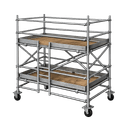
Temporary Structures
Covers scaffolding, fencing, and temporary buildings.

Soft Costs
Covers additional expenses from construction delays due to covered losses.

Equipment Coverage
Covers permanently installed fixtures and equipment.
Industries & Insurance Needs in Kansas City
County contracting volume changes how you should buy. Wyandotte County has 3,129 business establishments, and construction accounts for 12.2% of establishments, so projects here often involve multiple small trades, supplier handoffs, and subcontracted scopes rather than one vertically integrated builder controlling every step. That raises a practical insurance question: whose financial interest is actually being insured at each phase of the job. If your project uses a general contractor plus specialty subs, review the contract language for who buys the builders risk policy, who is named, and when responsibility for materials transfers after delivery. The county mix also includes retail trade at 14.1% and other services at 10.6%, so tenant improvements and small commercial build-outs can be part of the local demand, not just ground-up residential work. Ask for a quote review that follows the contract chain and the draw schedule, especially if fixtures or finish materials arrive before the installation window.
What Makes Kansas City Different
Budget sensitivity is the local difference. In a market where the median home value is $147,100 and median household income is $59,183, many projects do not have much room for an uninsured delay, a second material purchase, or a dispute over who should absorb a loss before completion. That changes the buying calculus. Instead of treating builders risk as a box to check for a lender or contract, you should pressure-test the valuation method, the deductible, and the named insured structure against the actual money at stake. On a lower-value renovation, overinsuring can waste budget that should go toward better terms for theft-prone materials or soft costs. On a financed build, underinsuring can create a painful gap if a covered loss hits after draws have already been advanced. The useful local move is to build the quote around the completed value, the construction schedule, and the transfer of responsibility for materials, then compare forms before work is exposed.
Our Recommendation for Kansas City
Start with the contract, not the application. Confirm who carries the clearest financial risk during each phase, then match the named insureds and any additional interests to that structure before you compare quotes. Next, set the insured value from the completed project value and current material exposure, especially if the job is a renovation where existing structure and new work are easy to blur. If materials will be delivered early, ask specifically about on-site storage, off-site temporary storage, and transit so you know where a loss would be reviewed. For phased jobs, review whether the policy language handles partial occupancy, punch-list delays, and change orders without creating a gap near completion. If the project is lender financed, have the draw schedule ready during quoting. That makes it easier to review deductible tolerance, soft-cost needs, and the point at which a delay would become a cash-flow problem. The goal is a policy that follows the job as it is actually built, not as a short form application describes it.
Get Builders Risk Insurance in Kansas City
Enter your ZIP code to compare builders risk insurance rates from carriers in Kansas City, KS.
Business insurance starting at $25/mo
FAQ
Frequently Asked Questions
Kansas City buyers should start with completed value, not just current spend. With a median home value of $147,100, smaller projects can be easy to understate or overstate, so bring your contract amount, material list, and any lender requirements into the quote review.
Kansas City renovation projects usually turn on the contract chain. If the owner, general contractor, and trades each carry part of the financial risk, the policy should be reviewed against that allocation before walls, roofs, or finish materials are exposed.
Wyandotte County has 3,129 business establishments, with construction making up 12.2% of establishments, so many jobs involve several smaller trades. That makes it important to review when responsibility for delivered materials shifts and whose interest the policy names.
Kansas City tenant improvement work can need builders risk review when the project exposes materials, finishes, or partially completed work before handoff. That is especially relevant where county business activity includes retail trade at 14.1% and other services at 10.6%.
The Kansas Insurance Department regulates policy forms, endorsements, and carrier compliance.
Renovation projects often deserve a builders risk review when new work, materials, and partially completed improvements could be damaged before completion. The key step is separating existing property from the renovation scope so responsibilities are clear.
Construction financing often comes with insurance conditions in the loan documents. Before closing, compare the lender's requirements with the construction contract so the named parties, valuation approach, and policy term all match.
Projects sometimes need off-site storage because materials arrive before installation. Coverage may be available depending on the policy terms, so ask specifically about temporary storage locations, sublimits, and who controls the property there.
Sources
- 1.U.S. Census Bureau, ACS 5-Year Estimates, table B25077(The city’s median home value is $147,100)
- 2.U.S. Census Bureau, ACS 5-Year Estimates, table B19013(The city’s median household income is $59,183)
- 3.U.S. Census Bureau, County Business Patterns, Wyandotte County(Wyandotte County has 3,129 business establishments; Construction accounts for 12.2% of establishments, retail trade 14.1%, and other services 10.6% in Wyandotte County)
Updated July 5, 2026





