







































Updated July 16, 2026

On-Hook Towing Insurance in Kansas City
Wyandotte County has 3,129 business establishments, which means a single tow can involve a retailer trying to reopen a lot, a shop waiting on the unit, and a contractor whose truck is down for the day. Your review should start with how calls actually arrive: private-property tows around retail sites, disabled work trucks headed to repair facilities, and customer vehicles moved between neighborhoods and commercial corridors. If your book mixes police rotation, impounds, roadside assistance, and transport for service accounts, your policy language should match those handoffs. A quote built around the vehicles you tow most often should address where custody begins, how units are secured, and whether storage, recovery, or subcontracted work changes the exposure on a given call.
On-Hook Towing Insurance Risk Factors in Kansas City
Kansas City's top risk factors include Tornado damage, Hail damage, Severe storm damage, and Wind damage.
Kansas has a very high climate risk rating. Top hazards: Tornado (Very High), Hailstorm (Very High), Severe Storm (Very High), Drought (Moderate). The state's expected annual loss from natural hazards is $1.6B, which influences on-hook towing insurance premiums and may affect coverage availability in high-risk areas.
What On-Hook Towing Insurance Covers
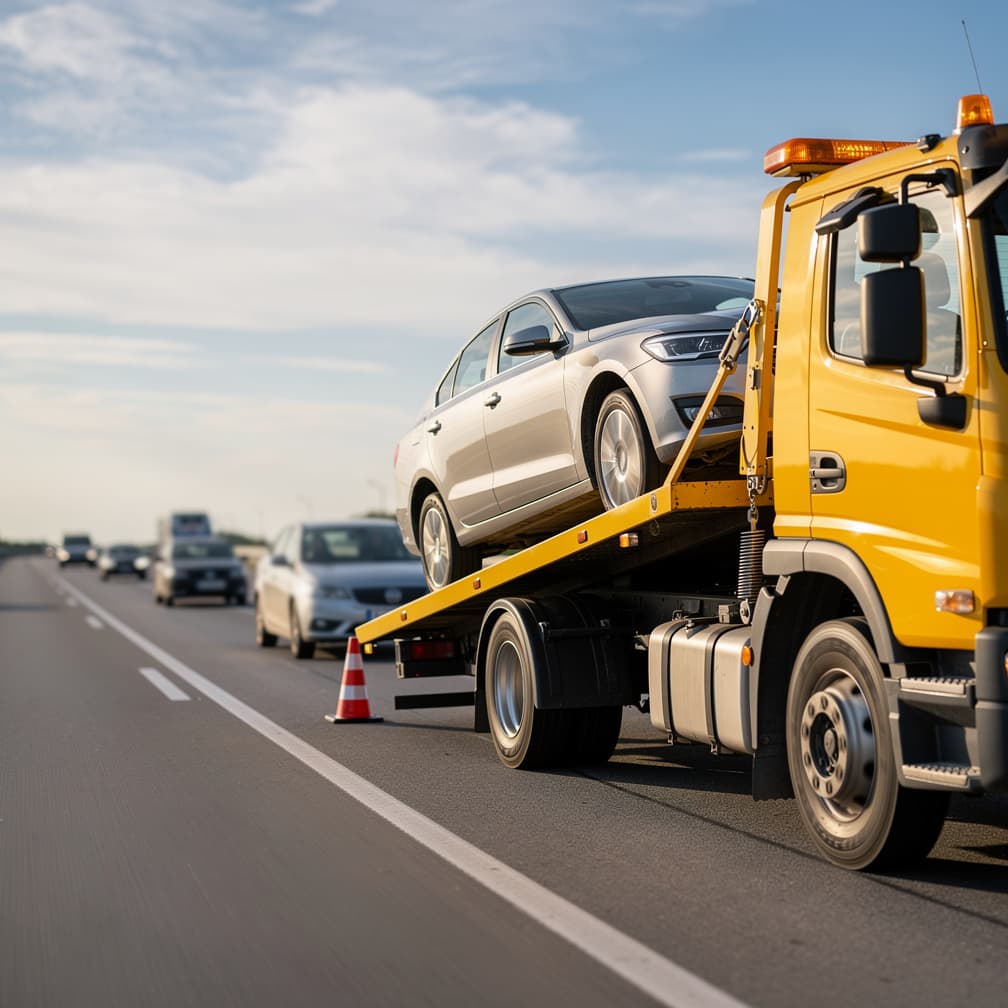
You are looking at whether your policy terms match the way damage can happen during roadside loading, transport on open roads, wheel-lift movement, bed transport, and unloading in changing weather. If your work includes storm-related calls, rural recoveries, or longer transfers between towns, walk through those scenarios one by one with your agent.
The state difference is less about a special form and more about how your operation meets local conditions. Open-road exposure comes into play when a customer vehicle is carried through high wind, blowing debris, or hail, and your policy may cover damage that results. Recovery work creates its own set of risks when a disabled vehicle is pulled from a ditch, shoulder, field entrance, or uneven surface where contact points and shifting weight can lead to a dispute. Storage handoffs become critical when a claim starts during the tow but the customer notices damage only after the vehicle reaches a lot, shop, or destination.
You should also review how your policy handles the kinds of vehicles you actually move. A light-duty roadside unit, a flatbed handling dealer or auction transfers, and a truck that mixes impounds with recovery work can present very different claim patterns. Ask for clear confirmation on vehicle types, service radius, loading methods, and any exclusions tied to unattended units, specialty vehicles, or recovery operations. Schedule-level accuracy is often what separates a smooth claim from a coverage argument. Your schedule is the list of specific trucks, vehicle types, and services your policy covers. If it is wrong, a claim can turn into a dispute over whether the truck or job was covered at all.
Coverage Included

Collision on Hook
Covers damage to towed vehicles from collisions during transport.

Comprehensive on Hook
Covers theft, fire, and weather damage to vehicles being towed.
Loading & Unloading
Covers damage during the process of loading and unloading vehicles.
Winching Coverage
Covers damage to vehicles during winching and recovery operations.
Multiple Vehicle
Covers all vehicles on multi-car carriers and rollback flatbeds.
Industries & Insurance Needs in Kansas City
Wyandotte County's establishment mix leans toward retail trade at 14.1%, construction at 12.2%, and other services, except public administration, at 10.6%, so towing demand here often comes from parking enforcement, contractor vehicle downtime, and service businesses that need customer units moved without added damage. That mix changes what you should review in an on-hook policy. A retail-centered account can create frequent private-property tows with disputed condition at pickup. Construction-related work can mean heavier pickups, vans, or work trucks with racks, tools, and existing wear that should be documented before loading. Service businesses often need fast transfers to keep appointments and routes moving, which raises the importance of clear custody procedures. When you request terms, describe your actual dispatch mix by account type and vehicle type, then ask how condition reports, photos, and release documentation support a claim if damage is alleged after delivery.
What Makes Kansas City Different
In a market shaped by retail sites, contractors, and service businesses, the exposure is not just the tow itself but the chain of custody around it. A vehicle might be picked up from a store lot, delivered to a repair facility, held briefly, and then released to an owner or fleet contact, and each of those steps is a fresh opportunity for a damage dispute. That is why operational detail matters more than broad labels: when on-hook responsibility starts, how your drivers document pre-existing damage, and whether after-hours drop procedures stay consistent across shifts. Keys, photos, and signed releases should be handled the same way at every transfer, and your policy should reflect how you actually take possession, transport, and release vehicles.
Our Recommendation for Kansas City
Start with your dispatch reality, not a generic application, and sort your work into categories like private-property towing, roadside calls, shop-to-shop transport, and commercial account work. If you move contractor pickups or vans, your typical vehicle weights, attachments, and loading methods should be clearly represented in the policy. If you tow for retail lots or service businesses, tighten your intake process before renewal: timestamped photos, noted pre-existing damage, signed authorization where available, and a consistent delivery record. Kansas City median household income is $59,183, so a repair bill that looks routine to your shop can be a major expense for the vehicle owner, which is why clear intake records matter when questions arise after release.
Get On-Hook Towing Insurance in Kansas City
Enter your ZIP code to compare on-hook towing insurance rates from carriers in Kansas City, KS.
Business insurance starting at $25/mo
FAQ
Frequently Asked Questions
Kansas City towing operations often work through commercial handoffs, from retail lots to repair shops to owner pickup. Photos, condition notes, and release records become especially important because a damage dispute can arise at any transfer point, not only during transport.
With 3,129 business establishments in Wyandotte County, many local tows connect to stores, contractors, and service accounts that expect clear proof of coverage and documented custody. Your quote should reflect who dispatches you and how vehicles are transferred after delivery.
Describe your private-property work by property type, volume, after-hours procedures, and how drivers document vehicle condition before hookup. Those details help an underwriter evaluate how a damage allegation might develop after a lot tow or release.
Wyandotte County is led by retail trade at 14.1%, construction at 12.2%, and other services at 10.6%, which points to more parking-lot tows, work-truck moves, and service-related transports. Heavier vehicles and frequent handoffs can raise the stakes on a single damage claim, so your policy should account for both.
When a vehicle changes hands three or four times before final release, the owner may not know where damage occurred. Clear intake photos, noted pre-existing damage, and signed delivery records can help you respond if an owner questions vehicle condition after release.
Kansas tow companies often should. Weather can change quickly, which can make it harder to prove when damage happened. Your policy review should be paired with strong photo documentation, driver notes, and clear pickup and drop-off procedures.
The Kansas Insurance Department serves as the state insurance regulator. It is the right reference point for policy filing questions, complaint channels, and general insurance guidance while you compare on-hook coverage options.
Rural routes can increase claim complexity because recoveries may happen on shoulders, ditches, or uneven approaches, and delivery points may be farther apart. Accurate service descriptions, route details, and condition records become more important during underwriting as a result.
Sources
- 1.U.S. Census Bureau, County Business Patterns, Wyandotte County(Wyandotte County has 3,129 business establishments, so local towing operators often deal with dense commercial expectations around documentation, release procedures, and proof of coverage before a vehicle changes hands.; Wyandotte County's establishment mix leans toward retail trade at 14.1%, construction at 12.2%, and other services, except public administration, at 10.6%, so towing demand here often comes from parking enforcement, contractor vehicle downtime, and service businesses that need customer units moved without added damage.)
- 2.U.S. Census Bureau, ACS 5-Year Estimates, table B19013(Kansas City median household income is $59,183, so many personal auto owners will feel even modest post-tow damage costs sharply and may challenge condition or handling if documentation is thin.)
Updated July 16, 2026





