







































Updated July 16, 2026

Builders Risk Insurance in Overland Park
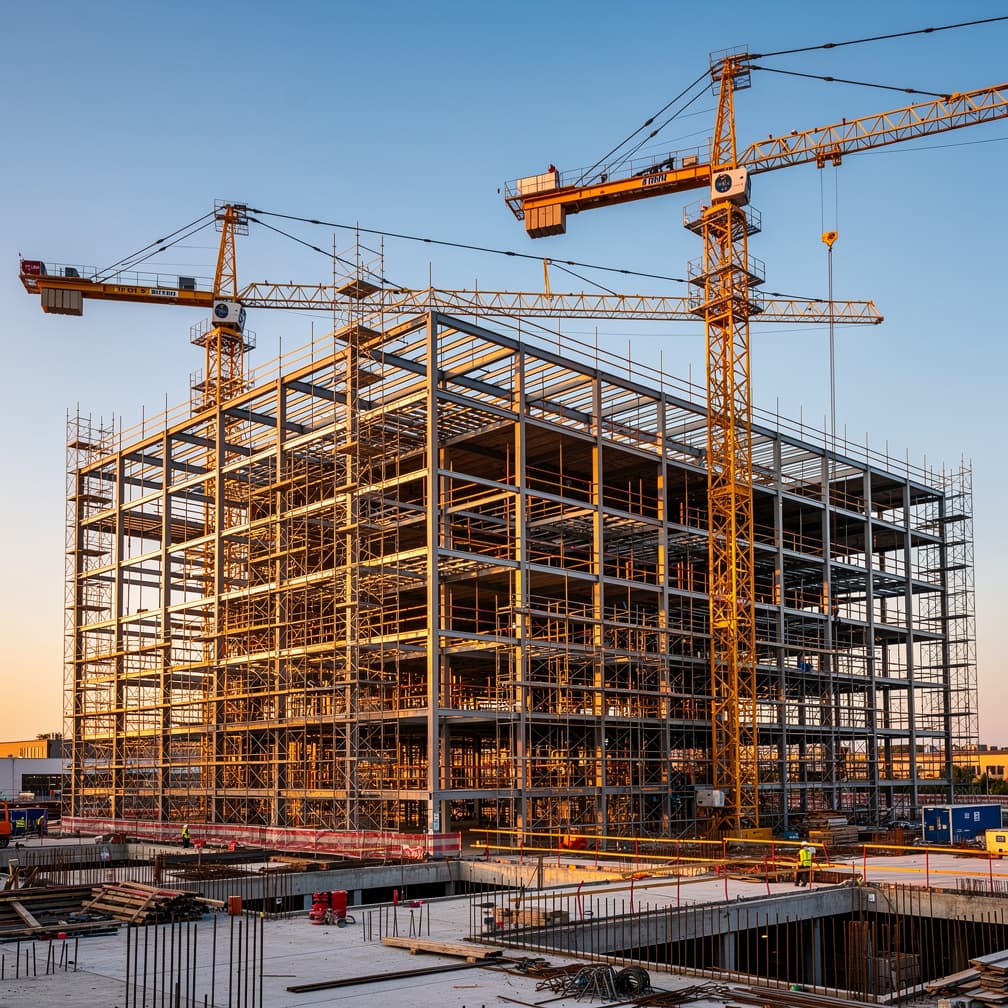
If you are comparing builders risk insurance in Overland Park, the practical question is whether your limit, soft-cost treatment, and change-order process still match the project after upgrades are selected. Affluent residential values are the sharpest difference here. A higher finished property value can raise the amount at risk while owners, lenders, and custom buyers often expect tighter documentation before funds are released. According to Zillow, the city's median home value sits near $384,400, which means even a modest custom build can carry enough replacement exposure to justify a limit review once cabinetry, windows, mechanicals, and owner-selected finishes are finalized. That matters on infill lots, tear-down rebuilds, and phased renovations where materials may arrive before installation and the contract sum changes midstream. Before you request terms, line up the construction budget, signed contract, lender requirements, and any owner-furnished materials so the quote reflects the real completed value, not an early draft.
Builders Risk Insurance Risk Factors in Overland Park
Local residential project values are the clearest risk factor to review here. With a median home value of $384,400, a site that starts as a straightforward rebuild or addition can carry more value on the lot than the first budget suggests, especially after allowances convert into selected finishes and upgraded systems. That changes how you should think about limit adequacy, temporary storage, and the timing of endorsements for change orders. Kansas weather exposures still matter, but the local buying mistake is often administrative: a policy limit that trails the actual project cost after revisions. If your job includes owner-supplied appliances, custom millwork, or long-lead materials delivered before installation, ask how those items are scheduled and where coverage applies while they are waiting to be installed. A short review before each draw can help catch a gap before a loss turns into a contract dispute.
Kansas has a very high climate risk rating. Top hazards: Tornado (Very High), Hailstorm (Very High), Severe Storm (Very High), Drought (Moderate). The state's expected annual loss from natural hazards is $1.6B, which influences builders risk insurance premiums and may affect coverage availability in high-risk areas.
What Builders Risk Insurance Covers
The practical coverage review usually turns on where property sits before it becomes part of the structure and which party controls it at each stage. That matters on projects where materials arrive early, sit in a laydown yard, or move between a supplier, temporary storage, and the job site before installation. If your schedule depends on long-lead items, ask whether the policy is written broadly enough for those movements and whether any sublimits apply to property away from the site.
You should also review how the policy treats partial completion. Some policies may cover completed portions of the project differently from work still in progress, so ask whether coverage shifts once a section is finished or whether the full completed value stays in force until final acceptance. A project can be most vulnerable before the building is dried in, but loss exposure does not disappear once portions are enclosed. Interior finishes, mechanical equipment, and electrical components can still be damaged by water intrusion, theft, or a job site incident. On a renovation, that review becomes even more important if work happens around an occupied building, because the line between existing property and new work needs to be clear before a claim ever happens.
For your quote request, bring the site address, project description, contract value, target completion date, and a list of any temporary structures, scaffolding, fencing, or stored materials you expect to insure. Then ask the agent to walk you through exclusions, valuation method, and when coverage begins and ends under the policy terms.
Coverage Included

Structure Coverage
Covers the building or structure under construction.
Materials on Site
Covers building materials stored at the construction site.

Materials in Transit
Covers materials being transported to the job site.
Temporary Structures
Covers scaffolding, fencing, and temporary buildings.

Soft Costs
Covers additional expenses from construction delays due to covered losses.

Equipment Coverage
Covers permanently installed fixtures and equipment.
Industries & Insurance Needs in Overland Park
County business density changes the paperwork and contract side of a local build more than the hazard side. Johnson County reports 18,802 business establishments, and its largest establishment shares are professional, scientific, and technical services at 15.2%, health care and social assistance at 12.2%, and retail trade at 9.7%. So many projects here involve office interiors, medical tenant improvements, clinic build-outs, and retail finish work where lease obligations, lender conditions, and vendor access rules can be more detailed than on a simple ground-up job. If your project touches occupied space, ask for the exact insurance requirements in the lease, construction contract, and loan documents before binding coverage. That helps you confirm who should be named, whether soft costs need to be reviewed, and how the policy should track phased turnover or partial occupancy.
What Makes Overland Park Different
Here, the more important buying issue is often whether the insured value keeps pace with the real project after design decisions harden into expensive selections. Owners and buyers in this market may choose upgraded finishes, larger scopes, and mid-project changes that push the completed value above the original estimate. When the contract sum grows, your draw approvals, lender requirements, and actual replacement cost all shift with it. For a custom home, major remodel, or premium tenant finish, treat the first budget as a starting point, not the final insurance basis. Review the contract value, allowances, and change orders together, then ask for a quote built around the current total exposed value.
Our Recommendation for Overland Park
Start with the contract set, not just the application. For a local project, ask your agent to review the total completed value, any owner-furnished materials, the draw schedule, and whether soft costs should be considered if a covered loss delays completion. On remodels and additions, clarify how the policy treats existing structure exposure versus new work, because that line can matter on higher-value homes and occupied commercial spaces. Projects tied to a lease or loan need those insurance requirements collected before you bind so named insureds, mortgage interests, and any waiver language are handled up front. You should also revisit the policy after major change orders, not only at renewal or extension. If the scope has grown, update the file while the job is still active so your limit reflects the current contract value.
Get Builders Risk Insurance in Overland Park
Enter your ZIP code to compare builders risk insurance rates from carriers in Overland Park, KS.
Business insurance starting at $25/mo
FAQ
Frequently Asked Questions
A rebuild, addition, or custom renovation can outgrow an early budget as selections are finalized. Higher values mean a larger gap between your preliminary estimate and what the project actually costs to replace.
Custom builds often warrant a mid-project review once allowances turn into actual selections. If cabinetry, windows, flooring, or mechanical systems change the contract sum, the insured value should follow before the next draw or major delivery.
Johnson County commercial work often involves more contract coordination, especially among office, health care, and retail users. Review lease requirements, phased occupancy, and lender conditions before binding coverage.
Renovation quotes go more smoothly when you provide the signed construction contract, current budget, lender insurance requirements, and any list of owner-furnished materials. That gives the underwriter a cleaner picture of value, timing, and where property sits before installation.
Tenant improvement work should start with the lease and construction agreement. Because occupancy rules and turnover timing can complicate claims and scheduling, review those provisions carefully before binding.
The Kansas Insurance Department regulates policy forms, endorsements, and carrier compliance.
Renovation projects often deserve a builders risk review when new work, materials, and partially completed improvements could be damaged before completion. The key step is separating existing property from the renovation scope so responsibilities are clear.
Construction financing often comes with insurance conditions in the loan documents. Before closing, compare the lender's requirements with the construction contract so the named parties, valuation approach, and policy term all match.
Sources
- 1.U.S. Census Bureau, ACS 5-Year Estimates, table B25077(The city's median home value is $384,400.)
- 2.U.S. Census Bureau, ACS 5-Year Estimates, table B19013(The city's median household income is $103,838.)
- 3.U.S. Census Bureau, County Business Patterns, Johnson County(Johnson County reports 18,802 business establishments.; Johnson County's largest establishment shares are professional, scientific, and technical services at 15.2%, health care and social assistance at 12.2%, and retail trade at 9.7%.)
Updated July 16, 2026





