Updated July 16, 2026

Builders Risk Insurance in Bowling Green
Projects here often move from tenant build-outs near Scottsville Road to small commercial renovations around downtown and new single-family work on the city's edges. Materials sit staged on site while lenders, owners, and trades wait on the next draw or inspection, and that operating rhythm is why your policy deserves a project-specific review before framing starts or interior work begins. A vacant structure under renovation, a shell building waiting on mechanicals, and a custom home with owner-supplied finishes each carry distinct property exposures that a generic form may not capture. You want the policy matched to how this job is actually built. Title to materials, off-site storage, unoccupied periods, and scheduled soft costs all shape the coverage that fits. Local jobs also tend to involve tight handoffs among owner, general contractor, lender, and subcontractors. Your policy language needs to track the construction contract and draw schedule rather than work against them. Before you request terms, gather the budget, timeline, site address, renovation scope, and any lender insurance requirements so the quote reflects the real build.
Builders Risk Insurance Risk Factors in Bowling Green
Bowling Green's top risk factors include Tornado damage, Hail damage, Severe storm damage, and Wind damage.
Kentucky has a high climate risk rating. Top hazards: Tornado (High), Flooding (Very High), Severe Storm (High), Landslide (Moderate). The state's expected annual loss from natural hazards is $980M, which influences builders risk insurance premiums and may affect coverage availability in high-risk areas.
What Builders Risk Insurance Covers
Your project often needs a closer look at where property sits before installation, how it moves to the site, and when it becomes part of the work. If your job includes owner-furnished materials, long-lead items, or equipment staged off site before delivery, you should ask whether those values need to be scheduled or addressed by endorsement rather than assumed.
Renovation work deserves extra attention. If you are improving an existing structure, the policy language should be reviewed for the new work, existing building exposure, and any gap between what the owner expects and what the form may cover. A school addition, church renovation, or mixed-use rehab can involve occupied premises, phased turnover, and materials stored in more than one place. Those details affect how a claim is evaluated after a loss.
Kentucky weather patterns also make cause-of-loss wording worth reading line by line. Instead of assuming all site damage is treated the same, ask how the policy handles water entering during construction, wind-driven damage to partially completed work, and theft or vandalism at a site that is not yet enclosed. If your project depends on a lender draw schedule, you should also review whether delay-related expenses or soft costs need to be added, because a property loss can create financing and scheduling problems long before the building is finished.
Coverage Included

Structure Coverage
Covers the building or structure under construction.

Materials on Site
Covers building materials stored at the construction site.

Materials in Transit
Covers materials being transported to the job site.
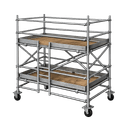
Temporary Structures
Covers scaffolding, fencing, and temporary buildings.

Soft Costs
Covers additional expenses from construction delays due to covered losses.

Equipment Coverage
Covers permanently installed fixtures and equipment.
Industries & Insurance Needs in Bowling Green
Warren County’s business mix changes the kinds of projects that show up for coverage review. The county has 2,992 business establishments, and the largest establishment shares are retail trade at 16.9%, health care and social assistance at 13.8%, and accommodation and food services at 10.1%, so a meaningful share of local work involves tenant improvements, interior remodels, and occupied-premises renovations rather than only ground-up construction. That matters because a quote for a restaurant refresh, clinic expansion, or retail fit-out should address phased work, temporary protection for partially completed interiors, and how materials are handled before installation. These jobs can also involve owner-furnished equipment, signage, or finish packages that need to be identified correctly in the values submitted for review. If your project touches an operating business, ask for the quote to be built around the actual occupancy, construction phase, and property values at risk, not a generic new-build template.
What Makes Bowling Green Different
Occupied commercial renovation is the local difference that changes the conversation here. Warren County has 2,992 business establishments, with retail trade at 16.9%, health care and social assistance at 13.8%, and accommodation and food services at 10.1%, meaning nearly four in ten local businesses are operations where staff, customers, or patients walk through the door daily. That makes a large share of construction work happen inside buildings that stay open during the build. These are remodels, additions, and interior reconfigurations tied to an existing business operation, a landlord turnover deadline, or a financing milestone. The review shifts from broad product definitions to practical property questions. You need to know whether the structure is partially occupied, whether materials are being installed in phases, and whether the contract makes one party responsible for insuring both new work and existing property. Valuation also comes into play. Bowling Green's median home value is $232,100, which means a renovation or infill project can carry enough property value that underreporting completed value or omitting owner-supplied materials creates a real gap. Align covered property, completed value, and renovation scope before the first delivery reaches the site.
Our Recommendation for Bowling Green
On local jobs, work through the construction contract first, then identify what the policy needs to address. Ask who is responsible for insuring materials after delivery, whether any items are stored off site, and whether the lender expects coverage to stay in force through final completion or only until a certificate of occupancy. For a renovation, separate the value of new work from any existing structure that remains, because that distinction often drives whether the policy form fits the job. If the owner is supplying cabinets, fixtures, or specialty finishes, list them clearly instead of assuming they are picked up automatically. For commercial tenant work, confirm whether the premises stays partially open during construction and whether the build is phased by suite or department. For residential projects, compare the planned completed value against local property values before submitting the application. Bowling Green's median household income is $48,419, so owners are watching every dollar on the bid sheet and may push to trim values or soft costs. That can leave a claim dispute at the worst point in the project. Bring the schedule of values, contract, and timeline to the quote request.
Get Builders Risk Insurance in Bowling Green
Enter your ZIP code to compare builders risk insurance rates from carriers in Bowling Green, KY.
Business insurance starting at $25/mo
FAQ
Frequently Asked Questions
Quote these jobs with the actual occupancy, construction phase, and contract terms in mind. Include whether the business stays open, what materials are owner supplied, whether work is phased, and the target completion date so the property values at risk are reviewed correctly.
Renovation jobs often need a closer look at what is new work versus existing structure. If walls, systems, or finishes remain in place, ask how the policy treats those items instead of assuming all property at the site is covered the same way.
The county's heavy concentration of retail, food service, and health care businesses means a large share of local construction is occupied remodels and tenant improvements rather than vacant-site new builds. That mix calls for more precise property scheduling and closer attention to phased work.
Residential projects should use a realistic completed value, especially if the owner is furnishing finishes or upgrades. Undervaluing the build can create a mismatch between the reported project value and the property at risk.
Buyers should be careful about trimming reported values just to reduce premium. A lower figure can leave materials, soft costs, or completed value understated when a loss is adjusted.
Renovation work often calls for a separate policy because the exposure is different from a finished, occupied property. You should compare the contract, the existing building exposure, and the planned phases of work before deciding how the project should be insured.
The buyer usually follows the construction contract. The buyer may be the owner, general contractor, or another party with a financial interest, so you should verify who is responsible for the work, materials, and lender requirements before requesting terms.
Kentucky lenders often require evidence of coverage before draws or closing conditions are satisfied. You should review the financing documents early, confirm required wording, and make sure the named insured and loss payee structure matches the project paperwork.
Sources
- 1.U.S. Census Bureau, County Business Patterns, Warren County(Warren County has 2,992 business establishments, and the largest establishment shares are retail trade at 16.9%, health care and social assistance at 13.8%, and accommodation and food services at 10.1%.)
- 2.U.S. Census Bureau, ACS 5-Year Estimates, table B25077(Bowling Green’s median home value is $232,100.)
- 3.U.S. Census Bureau, ACS 5-Year Estimates, table B19013(Bowling Green’s median household income is $48,419.)
Updated July 16, 2026