Updated July 16, 2026

Commercial Auto Insurance in Lexington
A service van sideswiped on New Circle Road can turn into more than a body shop bill. Tools get delayed, appointments are missed, and a borrowed vehicle can put the wrong driver behind the wheel. Look at your commercial policy based on how your vehicles actually move. Your drivers handle short in-town service calls, retail pickups, client visits, and repeated parking lot exposure in busy commercial corridors. Fayette County has 9,129 business establishments, which means your drivers share the road with a dense mix of vendors, contractors, sales teams, and delivery traffic. More vehicles in the same corridors means more chances for low-speed collisions and parking-lot scrapes, and those small claims add up when downtime keeps a van off the road for a week. Ask whether your policy matches who drives, where vehicles are kept overnight, whether employees use personal cars for work, and how quickly you would need a rental or substitute unit after a loss. Before you request quotes, map your real routes, list every regular driver, and separate owned versus employee-driven use so the proposal reflects your operation.
Commercial Auto Insurance Risk Factors in Lexington
Local traffic density is the main risk factor here. Fayette County supports 9,129 business establishments, so even a small fleet often spends the day moving among medical offices, professional firms, retail centers, and job sites with frequent stops, backing, loading, and parking lot turns. Those are the conditions where low-speed collisions, mirror strikes, and claims involving employee errands can surface. Kentucky's broader storm exposure still matters, but the city-specific buying issue is how often your vehicles are in circulation and how many different people touch them during a normal week. If one unit handles deliveries in the morning, sales calls in the afternoon, and after-hours parking at an employee home, ask for the quote to address garaging, driver schedules, and any **hired or non-owned auto exposure** instead of treating the vehicle like a simple commute car.
Kentucky has a high climate risk rating. Top hazards: Tornado (High), Flooding (Very High), Severe Storm (High), Landslide (Moderate). The state's expected annual loss from natural hazards is $980M, which influences commercial auto insurance premiums and may affect coverage availability in high-risk areas.
What Commercial Auto Insurance Covers
Business-use vehicles need protection built around their actual operation, and the core protection usually starts with liability, collision, comprehensive, medical payments, and uninsured motorist coverage. Kentucky's minimum liability requirement for commercial vehicles applies statewide, so a policy that only meets the floor may not be enough for vehicles that travel long routes, carry tools, or operate in dense traffic around Louisville, Lexington, or the I-75 and I-64 corridors. The state also says all commercial vehicles must be registered with the Kentucky DMV, which means your policy should match the vehicle use and registration status you actually have on the road. Comprehensive coverage is especially relevant here because Kentucky's severe storm, tornado, and flooding exposure can create damage that is not tied to a crash. Collision may help if the business vehicle hits another object or overturns in a crash scenario, while liability responds to bodily injury and property damage claims against your business. Uninsured or underinsured motorist coverage may be required, and that matters in a state where the uninsured driver rate is 13.8%. It can also be important if employees rent vehicles or use personal cars for work.
Coverage Included

Bodily Injury Liability
Covers injuries you cause to others in an accident

Property Damage Liability
Covers damage you cause to others' property
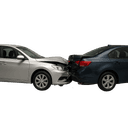
Collision Coverage
Pays for damage to your vehicle in an accident

Comprehensive Coverage
Covers theft, vandalism, weather, and animal damage

Medical Payments
Covers medical costs for your drivers and passengers

Uninsured Motorist
Protection when the other driver lacks insurance
Hired & Non-Owned Auto
Covers rented or employee-owned vehicles used for work
Commercial Auto Insurance Cost in Lexington
Average Cost in Kentucky
$130 - $370
per month
Businesses in Kentucky typically see commercial auto insurance premiums of $130 - $370 per month, which tends to run 9% below the national range of $140 - $410 per month.
- Fleet size and vehicle types
- Driver records and experience
- Coverage limits and deductibles
- Business industry and use
- Annual mileage and operating radius
- Claims history
Rates based on small business averages. Your actual premium may vary.
Prices shown are general estimates, not guaranteed rates or quotes. Your actual premium will depend on the insurer, coverage selected, business details, location, claims history, and other underwriting factors. Learn about our pricing methodology.
Kentucky pricing is shaped by the vehicle, the route, and the way the vehicle is used, not just by the number on the policy. Your premium will depend on vehicle count, use, and annual mileage. Kentucky's premium index sits at 94, which means rates here run slightly below the national average and buyers may find more room to compare. Even so, the actual commercial auto insurance cost in Kentucky still moves with fleet size, vehicle type, driver history, coverage limits, deductibles, annual mileage, operating radius, and claims history. Businesses that run more miles across the state, especially through storm-prone or higher-traffic areas, often see more price pressure than businesses with limited local use. Kentucky's climate risk profile is also important: tornado risk is high, flooding risk is very high, and severe storms are high, so comprehensive coverage can influence the final premium more than it might in a lower-risk state. Kentucky has 340 active insurance companies, which gives buyers more carrier options and makes comparison shopping more meaningful. The state's top carriers include Kentucky Farm Bureau, so quote requests can produce noticeably different structures for the same vehicle and driver profile.
Industries & Insurance Needs in Lexington
The county business mix changes which vehicle exposures deserve attention first. In Fayette County, health care and social assistance account for 14.2% of establishments, professional, scientific, and technical services 13%, and retail trade 12.9%. So local fleets are not all built around heavy hauling. Many are built around patient visits, client appointments, store runs, mobile service, and employee use of sedans, SUVs, vans, and light trucks. That matters because a quote should match use class and liability exposure, not just vehicle type. A home health operator may need to review employee-driven routes and non-owned auto use. A professional firm may need to look closely at company cars used for client meetings. A retailer may need to account for delivery patterns, loading activity, and higher-frequency stop-and-go driving before renewal.
What Makes Lexington Different
Fayette County's 9,129 business establishments create a steady flow of commercial driving between offices, clinics, stores, and service addresses. The distances are short, but the routes involve many turns, parking maneuvers, and schedule pressures. That pattern can produce claims that look minor at first and then grow through lost work time, substitute transportation, or disputes over whether a personal vehicle was being used for business. Spend less time worrying about catastrophic highway losses and more time documenting everyday use. Factors like which employees drive regularly, who occasionally runs errands, where vehicles are parked, and whether any owner uses a personal auto for company tasks can all affect how well the policy responds. Build a quote from those operating details rather than from a generic fleet description.
Our Recommendation for Lexington
Start with a vehicle schedule that reflects real use, not just ownership. If an employee occasionally uses a personal car for deposits, site visits, or supply runs, review coverage for employee-driven vehicles alongside your owned units. If a van or pickup rotates among staff, consider whether every regular driver is disclosed and whether garaging addresses are accurate. For service businesses, ask how downtime is handled after a covered loss and whether rental reimbursement or a substitute vehicle option is worth reviewing. For office-based firms, confirm whether client-visit driving is classified correctly rather than left to a personal policy assumption. If your operation is growing, revisit limits before adding another unit or driver. A policy built for one owner-operated vehicle may not fit a multi-driver schedule. When you request a quote, bring your current declarations page, driver list, and a week of typical routes so the comparison is usable.
Get Commercial Auto Insurance in Lexington
Enter your ZIP code to compare commercial auto insurance rates from carriers in Lexington, KY.
Business insurance starting at $25/mo
FAQ
Frequently Asked Questions
Lexington businesses often do, because even one vehicle can create business-use liability that a personal auto policy may not be designed to handle. If that vehicle is used for deliveries, client visits, or employee errands, ask for a commercial review based on actual use.
Lexington local driving often means more stops, parking, backing, and driver changes rather than long highway mileage. Ask the quote to reflect route density, garaging, all regular drivers, and any employee errands that could create a coverage gap.
Fayette County has 9,129 business establishments, so many local vehicles spend the day moving among offices, stores, and service addresses. That density can increase everyday collision exposure, which translates into higher claim frequency for businesses that drive daily. Review liability limits, driver listings, and downtime options before renewing.
Lexington professional firms should review that exposure carefully. In Fayette County, professional, scientific, and technical services make up 13% of establishments, so client-visit driving is common. More employees logging miles between meetings in personal cars raises the odds that a fender bender happens during business use, which can leave a gap if the personal policy excludes work trips.
Lexington businesses often should. Fayette County's mix includes health care and social assistance at 14.2% and retail trade at 12.9%, so one operation may need to focus on employee travel while another needs to focus on deliveries, loading, and frequent stops. A home-health nurse racking up visit miles faces different exposure than a boutique making weekly inventory runs, so each operation may benefit from tailoring its policy to its actual driving pattern.
In Kentucky, it can help cover liability, collision, comprehensive, medical payments, and uninsured motorist protection, and it can be extended to hired and non-owned vehicles when the right endorsements are added.
Kentucky requires minimum liability of $25,000/$50,000/$25,000 for commercial vehicles, all commercial vehicles must be registered with the Kentucky DMV, and uninsured or underinsured motorist coverage may be required.
Your final cost varies by vehicle type, mileage, drivers, limits, deductibles, and claims history.
Sources
- 1.U.S. Census Bureau, County Business Patterns, Fayette County(Fayette County has 9,129 business establishments, so your drivers are sharing the road with a dense mix of vendors, contractors, sales teams, and delivery traffic that can raise the odds of a claim and the cost of downtime.; In Fayette County, health care and social assistance account for 14.2% of establishments, professional, scientific, and technical services 13%, and retail trade 12.9%.)
Updated July 16, 2026