








































Updated July 16, 2026

Commercial Truck Insurance in Lexington
Lexington operates differently than the wide-open rural lanes elsewhere in Kentucky. A truck based here often serves a tighter mix of medical, professional, and retail stops, which means frequent turns, backing, loading, and short-route scheduling. Frequent stops can create a different loss pattern than pure highway mileage. Fayette County alone has 9,129 business establishments, so a typical local fleet may field certificate requests and site-specific coverage demands almost weekly. Health care and social assistance accounts for 14.2% of establishments, professional and technical services 13%, and retail trade 12.9%, which translates to customers who set narrow delivery windows and require detailed proof of insurance before a truck even docks. If your trucks handle pharmacy runs, office equipment, store replenishment, or service-body work, ask for a quote built around how often you stop and where drivers load instead of treating your operation like a generic statewide route.
Commercial Truck Insurance Risk Factors in Lexington
Lexington's top risk factors include Tornado damage, Hail damage, Severe storm damage, and Wind damage.
Kentucky has a high climate risk rating. Top hazards: Tornado (High), Flooding (Very High), Severe Storm (High), Landslide (Moderate). The state's expected annual loss from natural hazards is $980M, which influences commercial truck insurance premiums and may affect coverage availability in high-risk areas.
What Commercial Truck Insurance Covers
Commercial truck insurance is usually built around the kind of freight work you do, the trucks you run, and whether you operate as an owner-operator, regional fleet, or long-haul carrier. The core protections in this market are motor carrier liability, physical damage, cargo coverage, trailer interchange, bobtail coverage, and non-trucking liability. Motor carrier liability is the base layer for freight operations. Physical damage helps pay for damage to the tractor or trailer from covered events. Cargo insurance is often added when you haul goods that shippers, brokers, or contracts require you to protect while in transit.
Kentucky does not set a special trucking-only minimum, but commercial auto minimums apply, and federal freight rules require a higher liability floor for general freight carriers. That means your policy design may need to exceed the state auto minimum depending on your hauling authority, shipper contracts, and route profile. If you haul hazardous materials, higher liability limits may apply. Trailer interchange coverage becomes important when you use non-owned trailers under agreement.
Because the Kentucky Department of Insurance regulates the market, carriers may underwrite more carefully around route exposure, cargo type, and endorsements. Flooding, severe storms, and tornado risk can also affect how comprehensive and physical damage terms are priced or structured. Coverage details vary by carrier, so you should review whether your quote includes the liability, cargo, and off-dispatch protection your operation actually needs.
Coverage Included

Motor Carrier Liability
Can help cover injuries and property damage your truck causes to others, a coverage federal regulators require most for-hire carriers to maintain.

Physical Damage
Can help pay to repair or replace your own truck after an accident, fire, theft, or vandalism.
Cargo Coverage
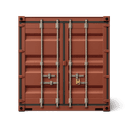
May pay for damage to or theft of the freight you are hauling while it is in your care.
Trailer Interchange
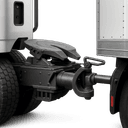
Can help cover damage to trailers you haul under an interchange agreement but do not own.

Bobtail Coverage
May provide liability protection when you drive your tractor without a trailer attached, such as after dropping off a load.

Non-Trucking Liability
Can help cover accidents that happen when you use your truck for personal errands rather than dispatched work.
Commercial Truck Insurance Cost in Lexington
Average Cost in Kentucky
$360 - $925
per month
Businesses in Kentucky typically see commercial truck insurance premiums of $360 - $925 per month, which tends to run 16% below the national range of $400 - $1,125 per month.
- Radius of operation
- Commodities hauled and cargo value
- Number and value of power units
- Driver motor vehicle records and CDL experience
- DOT safety record, inspections, and FMCSA scores
- Liability limits and physical damage deductibles
Contact CPK Insurance for a personalized quote.
Prices shown are general estimates, not guaranteed rates or quotes. Your actual premium will depend on the insurer, coverage selected, business details, location, claims history, and other underwriting factors. Learn about our pricing methodology.
Kentucky pricing falls below the broader product benchmark overall. The state premium index of 94 means premiums here tend to run lower than the national average. In practical terms, that can translate into more favorable base rates for trucking operations than you would see in pricier states. Even so, your final cost may still move up or down based on the truck, the driver, and the route.
Several Kentucky factors matter here. The state has a high overall climate risk rating, with tornado risk rated high and flooding rated very high, and both can influence physical damage and cargo pricing. Kentucky also logged 138,000 crashes in 2023, with speeding, following too closely, and failure to yield among the top causes. More crashes on the road means more claims flowing into the system, and carriers factor that volume into how they price liability and collision coverage for every truck in the pool. The average claim cost of $18,655 and an uninsured driver rate of 13.8% also show why liability and collision choices deserve attention when you quote coverage, since those costs get priced into the pool. When the average claim runs near $19,000 and roughly one in seven drivers lacks insurance, carrying higher liability limits can help protect your business from absorbing those costs out of pocket.
Carrier competition is a meaningful factor because hundreds of insurers are active in the state, including several major carriers in the broader market. That competition can help, but it does not remove underwriting scrutiny. Premiums may rise with higher limits, lower deductibles, prior claims, specialty cargo, long-haul miles, or policy endorsements. They may be lower for cleaner loss histories, simpler local routes, and fleets with strong safety controls. For a precise quote, carriers will still need your operation details.
What Makes Lexington Different
In a market with a concentrated customer base, your exposure is not just miles traveled. It is how often drivers merge, turn across traffic, back into alleys, unload near storefronts, or leave a unit parked between calls. A local truck policy review should start with route shape and service pattern, not only radius and vehicle weight. If your book of business leans toward clinics, offices, shops, or mixed-use commercial properties, review your hired and non-owned auto exposure, physical damage deductibles, and whether your liability limits fit frequent customer-site work. A policy built for long interstate hauls can miss the day-to-day friction that comes with dense local delivery and service routes.
Our Recommendation for Lexington
When you review your operation, begin with how dispatch actually works day to day. If most trips involve multiple stops, ask your agent to rate the operation around your actual territory and who handles loading at each stop. That usually produces a more useful quote than broad descriptions like local delivery or contractor use. From there, make sure your customer types and your paperwork stay in sync. If you serve clinics, offices, or retailers, keep certificates, vehicle schedules, and driver lists current so you can respond quickly when a contract or site manager asks for proof of coverage. In a county this dense, requests for documentation can come up often and with little notice. A truck carrying tools, temperature-sensitive goods, packaged inventory, or client equipment should be quoted with those details spelled out before renewal, not after a claim forces the issue.
Get Commercial Truck Insurance in Lexington
Enter your ZIP code to compare commercial truck insurance rates from carriers in Lexington, KY.
Business insurance starting at $25/mo
FAQ
Frequently Asked Questions
Lexington routes often involve more stops, backing, unloading, and customer-site parking than longer rural runs. That makes it smart to review liability limits, physical damage deductibles, and cargo details around how your trucks actually operate each day.
Lexington customer mix can affect how you build coverage. In Fayette County, health care and social assistance is 14.2% of establishments, professional services 13%, and retail trade 12.9%, so delivery timing, property type, and proof-of-insurance requests may matter more.
Fayette County has 9,129 business establishments, so a trucking business here may deal with more delivery points, service calls, and certificate requests in a compact area. That density is worth reflecting in your policy before renewal season starts.
Lexington fleets should describe what the truck carries as specifically as possible. If you move tools, packaged goods, equipment, or client property, spelling out those details up front helps the quote match the exposure before a loss happens.
The core protections include motor carrier liability, physical damage, cargo coverage, trailer interchange, bobtail coverage, and non-trucking liability. The exact mix depends on whether you run local deliveries in Louisville or Lexington, regional freight across I-64 or I-75, or long-haul loads through multiple states.
Kentucky lists commercial auto minimums, and the Kentucky Department of Insurance regulates the market. For freight work, general freight carriers may need at least $750,000 in liability coverage, so your actual requirement can be higher than the state auto minimum.
Kentucky pricing varies by limits, deductibles, claims history, location, cargo type, and endorsements. Your quote will depend on how the truck is used and the coverage structure you choose.
If you haul freight in Kentucky, motor carrier liability is usually the starting point, and cargo coverage may be needed if contracts or freight value require it. Physical damage is important if you want protection for the tractor or trailer itself, especially in a state with high tornado and flooding risk.
Sources
- 1.U.S. Census Bureau, County Business Patterns, Fayette County(In Fayette County alone, there are 9,129 business establishments, so many local fleets spend more time proving coverage to customers, landlords, brokers, and jobsite contacts before a run or service call starts.; Fayette County’s sector mix points to that operating reality: health care and social assistance at 14.2%, professional, scientific, and technical services at 13%, and retail trade at 12.9% by establishment share.)
Updated July 16, 2026





