







































Updated July 5, 2026

Builders Risk Insurance in Louisville
The decision often lands here when a lender draw is about to move, a downtown rehab is finally scheduled, or a homeowner is ready to start work before the next weather swing. Builders risk insurance in Louisville matters most at that handoff point, because the job is no longer just a plan on paper and not yet a finished, occupied property. Local projects also span very different conditions, from infill work in older neighborhoods with tight access and partial renovations to ground-up construction on newer sites where materials may sit before installation. That changes what you should ask for in a quote. You want the form, valuation method, covered property, and soft-cost options reviewed against the actual build schedule, storage plan, and contract terms. Louisville's median home value is $221,500, so even a modest residential project can put a meaningful amount of structure and materials at risk before completion. If you are building, remodeling, or funding a project here, bring the construction budget, timeline, site address, and responsibility language from the contract into the quote request at the start.
Builders Risk Insurance Risk Factors in Louisville
Local timing and site conditions usually drive the conversation more than a generic city label. On many projects here, the practical issue is not whether a loss can happen, but **when materials arrive, where they are stored, and how long the structure stays partially complete** before the next phase starts. That matters on renovations in older neighborhoods, where portions of the building may remain exposed between trades, and on new construction where theft, weather, or water intrusion can affect materials before installation. Kentucky's broader natural hazard profile is part of the background, so you should ask specifically how the policy handles wind, water-related damage, temporary protection, and materials stored on site or at another approved location. If your job includes phased occupancy, historic elements, or lender-controlled draws, have those details reviewed before binding so the policy matches the way the project actually moves.
Kentucky has a high climate risk rating. Top hazards: Tornado (High), Flooding (Very High), Severe Storm (High), Landslide (Moderate). The state's expected annual loss from natural hazards is $980M, which influences builders risk insurance premiums and may affect coverage availability in high-risk areas.
What Builders Risk Insurance Covers
Your project often needs a closer look at where property sits before installation, how it moves to the site, and when it becomes part of the work. If your job includes owner-furnished materials, long-lead items, or equipment staged off site before delivery, you should ask whether those values need to be scheduled or addressed by endorsement rather than assumed.
Renovation work deserves extra attention. If you are improving an existing structure, the policy language should be reviewed for the new work, existing building exposure, and any gap between what the owner expects and what the form may cover. A school addition, church renovation, or mixed-use rehab can involve occupied premises, phased turnover, and materials stored in more than one place. Those details affect how a claim is evaluated after a loss.
Kentucky weather patterns also make cause-of-loss wording worth reading line by line. Instead of assuming all site damage is treated the same, ask how the policy handles water entering during construction, wind-driven damage to partially completed work, and theft or vandalism at a site that is not yet enclosed. If your project depends on a lender draw schedule, you should also review whether delay-related expenses or soft costs need to be added, because a property loss can create financing and scheduling problems long before the building is finished.
Coverage Included

Structure Coverage
Covers the building or structure under construction.

Materials on Site
Covers building materials stored at the construction site.

Materials in Transit
Covers materials being transported to the job site.
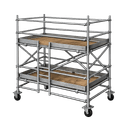
Temporary Structures
Covers scaffolding, fencing, and temporary buildings.

Soft Costs
Covers additional expenses from construction delays due to covered losses.

Equipment Coverage
Covers permanently installed fixtures and equipment.
Industries & Insurance Needs in Louisville
Contract structure is the local difference that often changes this purchase. Jefferson County has 20,128 business establishments, and its largest establishment shares are health care and social assistance at 13.3%, retail trade at 12.8%, and professional, scientific, and technical services at 11.2%. So a lot of local construction work touches tenant improvements, medical office updates, retail build-outs, and professional space renovations where lease terms, lender requirements, and owner-contractor agreements can shift who carries builders risk and for what property. That means your quote request should not stop at square footage and construction type. Include the contract, the scope by phase, any owner-furnished materials, and whether business personal property, existing structure, or delay-related soft costs need to be reviewed. On commercial jobs here, the paperwork often decides the coverage problem before the first wall is opened.
What Makes Louisville Different
Contract-driven renovation work is the main thing that changes the calculus here. In a market with a large base of medical, retail, and professional occupancies, many projects are not simple ground-up builds. They are phased interior renovations, occupied-space improvements, and landlord-tenant build-outs where several parties may each assume a different piece of the risk. That creates a builders risk question that is less about buying a generic policy and more about matching the policy to the job's responsibility map. If the owner buys materials, the contractor stores equipment elsewhere, or the space stays partly occupied during the work, those details should be addressed before the policy is issued. Louisville median household income is $64,731, so for many households funding a major remodel, a construction setback can strain cash flow as well as the project schedule. Review valuation, change-order handling, and any soft-cost needs early, before work starts and before funds are committed.
Our Recommendation for Louisville
Start with the contract set, not the application alone. On a local project, ask who is responsible for the structure under renovation, newly delivered materials, temporary works, and any owner-supplied items. Then compare that answer against the lender requirements and the construction schedule. For residential jobs, confirm whether the policy should address the existing structure, only the new work, or both, depending on the project design and policy terms. For commercial build-outs, ask how the form treats phased completion, partial occupancy, and materials stored off site. If the project budget may change, discuss how change orders are reported so the completed value does not drift away from the insured value mid-project. If you are not sure where responsibility sits, request a quote review with the site address, budget, timeline, and contract language together. That usually surfaces gaps faster than shopping on price alone.
Get Builders Risk Insurance in Louisville
Enter your ZIP code to compare builders risk insurance rates from carriers in Louisville, KY.
Business insurance starting at $25/mo
FAQ
Frequently Asked Questions
Louisville rehab projects are quoted more accurately when you send the site address, construction budget, timeline, lender requirements, and the contract sections showing who is responsible for materials, existing structure, and any phased occupancy during the work.
Louisville homeowners often need a project-specific review when the remodel is large enough to leave part of the home under construction. With a median home value of $221,500, even mid-sized work can put substantial materials and unfinished structure at risk.
Jefferson County has 20,128 business establishments, so many local projects involve leased space, tenant improvements, and owner-contractor agreements. That makes contract language central to who should carry builders risk and what property should be scheduled.
Jefferson County's establishment mix includes health care and social assistance at 13.3% and retail trade at 12.8%, so build-outs often involve occupied or phased spaces. Review partial occupancy, owner-furnished materials, and soft-cost options before work begins.
Louisville projects can develop gaps when delivered materials, change orders, or temporary exposure between trades are not reflected in the policy. Ask for the insured value, storage locations, and covered property definitions to be reviewed against the actual schedule.
Renovation work often calls for a separate policy because the exposure is different from a finished, occupied property. You should compare the contract, the existing building exposure, and the planned phases of work before deciding how the project should be insured.
The buyer usually follows the construction contract. The buyer may be the owner, general contractor, or another party with a financial interest, so you should verify who is responsible for the work, materials, and lender requirements before requesting terms.
Kentucky lenders often require evidence of coverage before draws or closing conditions are satisfied. You should review the financing documents early, confirm required wording, and make sure the named insured and loss payee structure matches the project paperwork.
Sources
- 1.U.S. Census Bureau, ACS 5-Year Estimates, table B25077(Louisville's median home value is $221,500, so even a modest residential project can put a meaningful amount of structure and materials at risk before completion.)
- 2.U.S. Census Bureau, County Business Patterns, Jefferson County(Jefferson County has 20,128 business establishments, and its largest establishment shares are health care and social assistance at 13.3%, retail trade at 12.8%, and professional, scientific, and technical services at 11.2%.)
- 3.U.S. Census Bureau, ACS 5-Year Estimates, table B19013(Louisville median household income is $64,731, so for many households funding a major remodel, a construction setback can strain cash flow as well as the project schedule.)
Updated July 5, 2026





