Updated July 16, 2026

Dealer Open Lot Insurance in Louisville
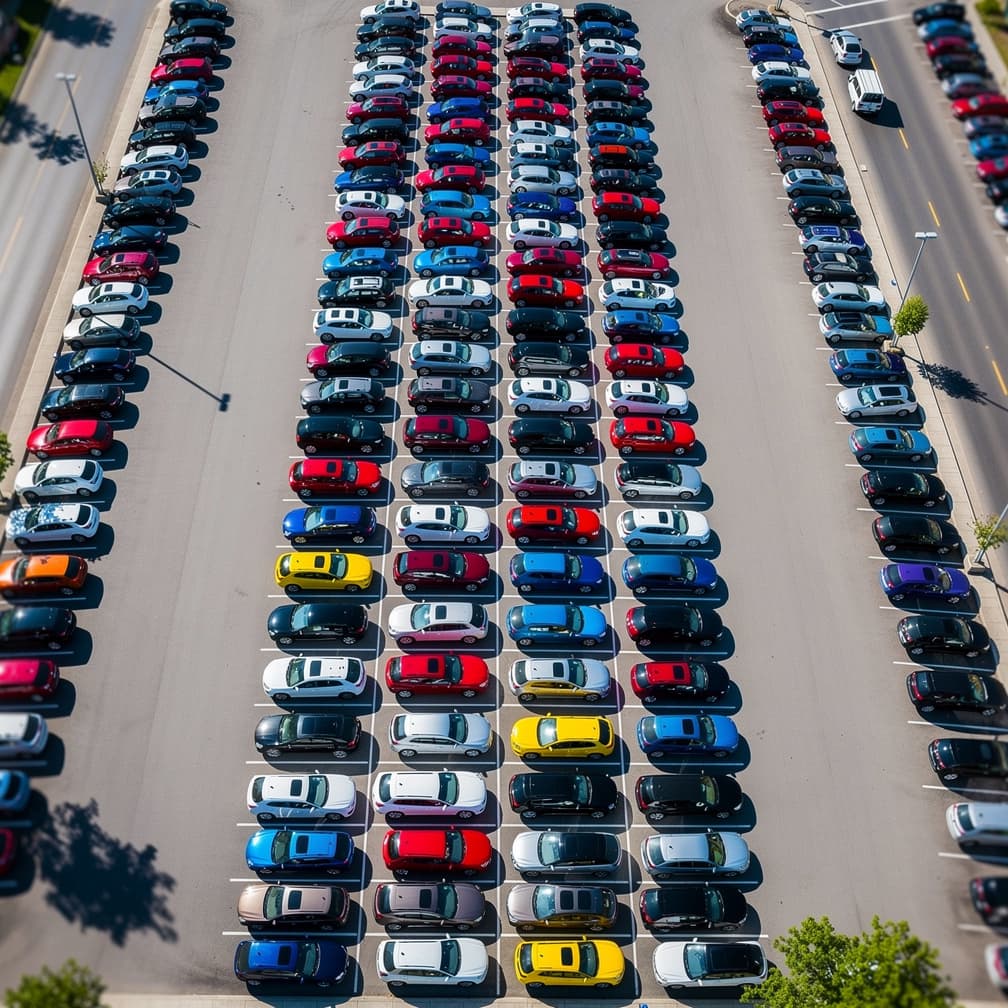
The moment you sign a lease for overflow space, your exposure changes. A fresh line of trade-ins lands after a weekend buying push, or a second display area opens near a busier corridor. Your risk is not just the cars on the front row. It is the units waiting for recon, the vehicles staged behind the building, and any inventory shifted between your main lot and nearby storage during the week. With median household income at $64,731, many buyers shop payment first, which means dealers often stock older used units and higher-mileage trades that sit outside longer before sale. That longer holding period can leave more vehicles exposed to weather, theft, and lot damage at once. This changes what you should review on reporting, valuation method, and how newly acquired vehicles are handled before they are photographed, serviced, and front-lined. Before you bind or renew, map every place inventory sleeps overnight and ask for terms that match how your stock actually turns.
Dealer Open Lot Insurance Risk Factors in Louisville
Louisville's top risk factors include Tornado damage, Hail damage, Severe storm damage, and Wind damage.
Kentucky has a high climate risk rating. Top hazards: Tornado (High), Flooding (Very High), Severe Storm (High), Landslide (Moderate). The state's expected annual loss from natural hazards is $980M, which influences dealer open lot insurance premiums and may affect coverage availability in high-risk areas.
What Dealer Open Lot Insurance Covers
In Kentucky, the practical review starts with where your inventory sits during the week, not with a generic coverage checklist. Some dealers keep most units on a paved front line, then shift overflow inventory to a side yard, a secondary parcel, or a fenced storage area behind the shop. Others rotate vehicles through detail, body repair, emissions-related service work, or transport between rooftops. Each of those movement patterns changes what your policy needs to address.
Ask first how the policy treats vehicles at every location where you store inventory for sale. If you use more than one address, or if overflow storage changes with season and volume, make sure each location is disclosed the way the underwriter expects. A claim gets harder when the carrier sees vehicles stored somewhere that was never scheduled or clearly described.
Next, review movement exposures that are easy to overlook in daily operations. That includes units being repositioned on the lot, sent to a nearby vendor, taken for test drives, or held temporarily offsite while space is tight. You also want clear internal procedures for key control, lot checks, and documenting when a vehicle changes status from front-line inventory to service, transport, or sold pending delivery.
Kentucky weather should shape your deductible discussion and your catastrophe planning. If you know certain rows flood first, certain fences fail first, or certain storage areas are harder to monitor after-hours, bring that into the quote process.
Coverage Included

Weather Damage
Covers hail, wind, flood, and storm damage to lot inventory.

Theft Protection
Covers vehicles stolen from your lot.

Fire Damage
Covers fire and explosion damage to inventory vehicles.

Vandalism
Covers intentional damage to vehicles on your lot.

Test Drive Coverage
Covers vehicles during customer and employee test drives.

Transit Coverage
Covers vehicles being moved between lot locations.
Industries & Insurance Needs in Louisville
Jefferson County is the business backdrop that changes how a local lot operates. The county has 20,128 business establishments, and its largest establishment shares are health care and social assistance at 13.3%, retail trade at 12.8%, and professional, scientific, and technical services at 11.2%, so a dealership often serves commuters, shift workers, and small business buyers with very different vehicle budgets and replacement timelines. That usually means a broader inventory mix, from lower priced daily drivers to work vehicles and late model units that move on different schedules. For dealer open lot coverage, that matters because concentration, average unit value, and days-on-lot can change across sections of the same inventory. Ask your agent to review whether your limit fits your peak count after trade-in surges, and whether any overflow or satellite storage practice creates a reporting gap.
What Makes Louisville Different
A lot with compact cash cars, financed family SUVs, older pickups, and a few higher-value late model units can look balanced from a sales standpoint while still creating uneven insurance values across the row. The risk is that underreporting usually shows up when recently acquired units, recon vehicles, or overflow stock are not counted the same way as front-line inventory. A single theft or hailstorm hitting the lot during a peak buying week can cost far more than your limit anticipates. Look at your highest single-day inventory total from the past year and use that as your baseline. Confirm how your policy treats vehicles at temporary storage, service staging, and transfer points between locations. If your inventory profile changed over the last renewal cycle, a broader spread of vehicle values may require a higher cap than your current reporting captures.
Our Recommendation for Louisville
Start with an inventory map, not a declarations page. Write down each place vehicles are kept overnight, how often units move between those places, and who updates counts after auctions, trade-ins, and wholesale purchases. Then review your highest total lot value during the year, especially after tax refund season, holiday promotions, or any buying event that leaves units waiting for recon. If your stock ranges from low-value transportation cars to newer financed units, ask whether your current limit leaves enough room for a temporary spike in total value. Check how newly acquired vehicles are treated before they are entered into your regular inventory schedule. Confirm whether off-premises storage is clearly contemplated in the policy terms. When you compare options, bring a current inventory summary, addresses for every storage location, and your normal acquisition and reporting process so the quote reflects how the lot actually runs.
Get Dealer Open Lot Insurance in Louisville
Enter your ZIP code to compare dealer open lot insurance rates from carriers in Louisville, KY.
Business insurance starting at $25/mo
FAQ
Frequently Asked Questions
Local dealers often use overflow space when trade-ins stack up or front-line room gets tight. If vehicles sleep at a second location, ask whether that address must be scheduled and how transfers between lots are treated before a loss occurs.
A mix of value-priced trades and newer late model units can create a total value that spikes well above your monthly average. A loss during a peak week could exceed your limit if your reporting only reflects a typical day.
Jefferson County has 20,128 business establishments, which means steady foot traffic from commuters and small business owners shopping for different types of vehicles. A wider inventory mix may push your peak exposure higher than a single-vehicle-type lot would see.
Review limits as soon as a second lot or storage yard is added. A new location can change total values, overnight concentration, and how quickly newly acquired units are reported to the carrier.
With median household income at $64,731, many buyers focus closely on monthly affordability. Dealers may respond by carrying a wider range of used inventory, which can extend the time units sit unsold on the lot and raise the chance of a loss before sale.
You should list every location where sale inventory is regularly stored, including overflow parcels and offsite areas.
Weather should shape how you review deductibles, lot layout, drainage, and where high-value units are parked. If certain rows or parcels are more exposed, bring that into the quote so the policy matches your actual catastrophe exposure.
Your policy may cover offsite inventory, but the address and storage setup need to be disclosed clearly.
Sources
- 1.U.S. Census Bureau, ACS 5-Year Estimates, table B19013(Louisville median household income is $64,731.)
- 2.U.S. Census Bureau, County Business Patterns, Jefferson County(Jefferson County has 20,128 business establishments.; Jefferson County's largest establishment shares are health care and social assistance at 13.3%, retail trade at 12.8%, and professional, scientific, and technical services at 11.2%.)
Updated July 16, 2026