







































Updated July 16, 2026

Garage Keepers Insurance in Louisville
How you shop for coverage in Louisville depends on the mix of work you do and how you manage customer vehicles after hours. Fewer carriers may want certain combinations of repair, storage, towing, detailing, or dealer work, and the underwriter usually wants a clearer picture of where customer vehicles sit, who controls the keys, and how often cars stay overnight before offering terms. Your policy here is less about a generic class code and more about documenting your daily handling practices. Jefferson County has 20,128 business establishments, which means roughly one business for every 37 residents, so standing out to a fleet manager often comes down to whether your paperwork is already in order. Bring a current lot diagram, your key control process, after hours intake steps, and the maximum number of customer vehicles you hold at one time when you request quotes.
Garage Keepers Insurance Risk Factors in Louisville
Louisville's top risk factors include Tornado damage, Hail damage, Severe storm damage, and Wind damage.
Kentucky has a high climate risk rating. Top hazards: Tornado (High), Flooding (Very High), Severe Storm (High), Landslide (Moderate). The state's expected annual loss from natural hazards is $980M, which influences garage keepers insurance premiums and may affect coverage availability in high-risk areas.
What Garage Keepers Insurance Covers
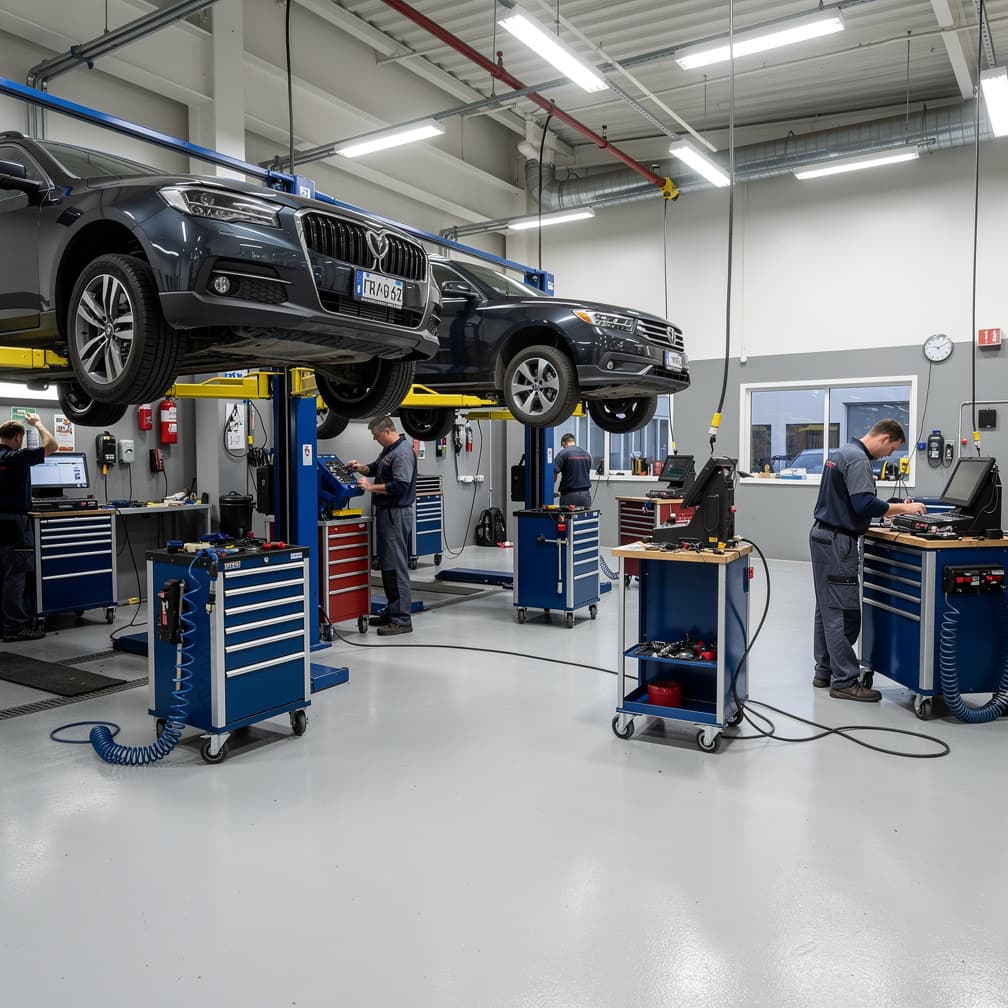
The practical coverage review starts with where customer vehicles spend the most vulnerable part of the day. That might be outside waiting for pickup, inside a service bay, in a fenced overflow area, or parked overnight with keys secured on site. Vehicles staged tightly, moved several times per day, or left untouched until parts arrive can present very different loss patterns.
Your review should focus on the situations that create disputes after damage is discovered. That can include a vehicle that arrives with prior body damage, a truck left on your lot through a weekend, a car moved by several employees during a busy day, or a vehicle stored outdoors while weather moves through the area. In each case, your policy terms, coverage basis, deductible, and documentation process all affect how well the claim can be presented.
If your operation uses multiple addresses, shared parking, alley access, or off-site storage, list each location and storage practice clearly on the quote request. If you sublet part of the property, use a separate detail area, or keep vehicles pending payment, say so early. Ask how the policy responds to indoor versus outdoor storage, employee movement of vehicles, temporary holding periods, and any seasonal spikes in vehicle count. Bring photos of the lot, gate, lighting, and key storage setup to the quote conversation so the terms match the way your shop actually runs.
Coverage Included
Collision Coverage
Covers damage to customers' vehicles from collisions while in your care.

Comprehensive Coverage
Covers theft, vandalism, fire, and weather damage to customers' vehicles.

Specified Perils
Covers only specifically named perils at a lower premium.

Legal Liability
Covers damage you or your employees directly cause to a customer's vehicle.

Direct Primary
Pays regardless of fault, the broadest garage keepers coverage available.
Industries & Insurance Needs in Louisville
Commercial demand is the local difference worth paying attention to. In Jefferson County, the leading sectors by establishment share are health care and social assistance at 13.3%, retail trade at 12.8%, and professional, scientific, and technical services at 11.2%, so a lot of nearby customers depend on vehicles to keep appointments, deliveries, and field schedules moving. For your shop, that can change the insurance conversation from occasional personal autos to a steadier flow of customer vehicles tied to business use, tighter turnaround expectations, and more sensitivity around delays or damage allegations. If you service company cars, employee driven units, or vehicles used by nearby professional offices, ask for a quote review that reflects where those autos are parked, whether they stay inside or outside, and how condition is documented at drop off. The more your book leans toward time sensitive commercial customers, the more important it is to show disciplined intake and storage controls.
What Makes Louisville Different
Landlords, vendor managers, fleet customers, and referral partners all want evidence that customer vehicles are being handled under a real process. Louisville's median household income of $64,731 means a typical family earns about $1,245 per week, so a car in your shop is likely the household's only way to get to work. Disputes over condition, keys, or overnight storage can escalate quickly when that daily routine is disrupted. If your operation keeps cars after closing, uses a shared lot, or accepts after hours drop offs, build your quote request around those exact procedures. The more detail you provide, the more useful the quotes you get back.
Our Recommendation for Louisville
Start with your lot map, not your revenue estimate. Walk the underwriter through your daily flow, from where vehicles park during business hours to who can access the key cabinet after closing. If you do pickup and delivery, sublet work, or move customer cars between buildings, say so early so the quote reflects your actual operation. Review your maximum number of customer vehicles on premises at one time, especially during backlog weeks or storm related surges. If you serve nearby offices, medical practices, or retail operators, ask whether your limits still make sense for several higher use vehicles in your care at once. Before you bind, compare exclusions, deductible structure, and whether indoor versus outdoor storage is described accurately. A short call with your lot count, intake form, and after hours procedure gives the underwriter something concrete to work with.
Get Garage Keepers Insurance in Louisville
Enter your ZIP code to compare garage keepers insurance rates from carriers in Louisville, KY.
Business insurance starting at $25/mo
FAQ
Frequently Asked Questions
The number staying after closing tells the underwriter how concentrated your exposure becomes. If several customer vehicles remain in your care at once, your quote should match where they are parked, who controls keys, and how condition is documented.
Common parking can change the review because access control becomes less clear. If your shop uses shared spaces, show which spaces are yours, how vehicles are secured after hours, and who can move customer autos.
With 20,128 business establishments in Jefferson County, vendor and fleet relationships often start with current certificates and clear operating procedures. If you service company vehicles, be ready to show proof before work begins or an account is approved.
Gather a lot diagram, key control steps, after hours drop off procedure, and the maximum number of customer vehicles held at one time. That gives the underwriter enough detail to price your actual exposure.
Louisville's median household income of $64,731 means a typical family earns about $1,245 per week, so a car in your shop is likely the household's only way to get to work. That makes intake photos, signed condition notes, and accurate storage descriptions especially important during a coverage review.
Kentucky repair shops should review both separately, because the exposures are not the same once customer vehicles stay on your lot, in your bays, or under your key control.
Kentucky body shops should compare the same locations, deductible, limit, and storage assumptions on every proposal. If one quote assumes fewer overnight vehicles or less outdoor storage, it may look cheaper without matching how your shop really operates.
Kentucky towing and impound operators often need a careful review because customer vehicles may remain in custody for longer periods and in secured lots.
Sources
- 1.U.S. Census Bureau, County Business Patterns, Jefferson County(Jefferson County has 20,128 business establishments, so you are often competing for work in an environment where proof of coverage and operational credibility can affect whether a vendor relationship starts at all.; In Jefferson County, the leading sectors by establishment share are health care and social assistance at 13.3%, retail trade at 12.8%, and professional, scientific, and technical services at 11.2%, so a lot of nearby customers depend on vehicles to keep appointments, deliveries, and field schedules moving.)
- 2.U.S. Census Bureau, ACS 5-Year Estimates, table B19013(That matters even more in a city where the median household income is $64,731, because many customers are protective of a vehicle they rely on for work and daily life, and disputes often start with how condition, keys, and overnight storage were handled rather than with the repair itself.)
Updated July 16, 2026





