







































Updated July 16, 2026

Builders Risk Insurance in Baton Rouge
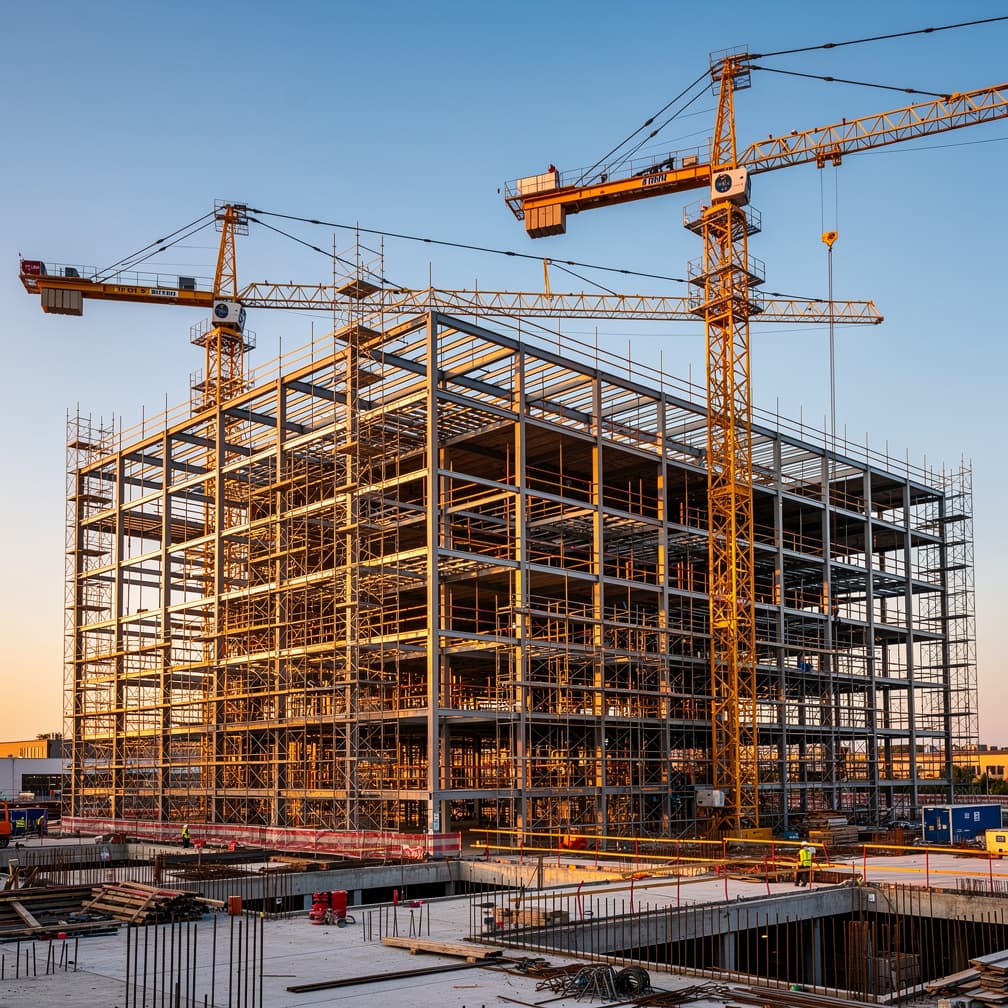
A storm tears temporary roof covering off a renovation near Mid City, rain gets into open framing over a weekend, and Monday starts with wet insulation, damaged drywall stock, and a schedule that slips before the next trade can mobilize. That is the kind of loss builders risk insurance in Baton Rouge is meant to answer, especially on projects where materials sit on site and work moves in phases. With a median home value of $224,500 in Baton Rouge, even a modest residential build or major remodel can put a meaningful amount of labor and material at risk. Put differently, a mid-range kitchen tearout alone can tie up enough cabinetry and finish work to justify a dedicated policy review. Before work starts, take a close look at your limit, soft cost options, and valuation method together rather than treating each as a standalone decision. If your project involves an existing structure, phased material deliveries, or multiple parties with a financial stake, ask for a quote that reflects the actual construction timeline, stored materials plan, and who needs to be named under the policy.
Builders Risk Insurance Risk Factors in Baton Rouge
**Weather-driven water intrusion** is the local issue that changes the buying decision most. On many jobs here, the loss is not a total collapse event. It is partial damage during a vulnerable stage: roof not dried in, windows not yet set, mechanicals delivered before the envelope is sealed, or interior finishes staged too early. That makes the policy details around temporary protection, materials on site, and the construction schedule more important than a generic certificate. Baton Rouge projects also range from straightforward new homes to renovations where existing structures and new work overlap, which can create confusion about what property is actually insured during each phase. Before binding coverage, map the build sequence, note when high-value materials arrive, and ask how the policy treats water damage, theft from the site, and **delay-related costs** if a covered loss pushes back completion.
Louisiana has a very high climate risk rating. Top hazards: Hurricane (Very High), Flooding (Very High), Severe Storm (High), Tornado (Moderate). The state's expected annual loss from natural hazards is $4.8B, which influences builders risk insurance premiums and may affect coverage availability in high-risk areas.
What Builders Risk Insurance Covers
What matters is whether the policy matches how your project is staged and where property sits before it is installed. Materials may move from supplier to laydown yard to job site, then wait for weather windows or inspections before crews can put them in place. If your quote only reflects the structure and ignores how materials are stored or transported for this job, you can end up debating a loss after the fact instead of before binding coverage.
For coastal and storm exposed projects, ask specifically how the policy treats wind driven rain, temporary enclosures, scaffolding, fencing, and debris removal after a covered event. For renovation work, review whether existing structures are excluded, limited, or only addressed by endorsement. That point matters on older buildings where the owner assumes the whole property is insured, but the form may be narrower than expected.
You should also review who is included as an insured or additional insured interest under the contract. Owners, general contractors, lenders, and sometimes subcontractors may all need to appear correctly, depending on the agreement. If the project includes owner furnished materials, long lead items, or equipment that arrives well before installation, ask for those categories to be addressed in plain language during quoting.
Projects here also deserve a close look at delay related exposures. If a covered property loss pushes back opening, lease-up, or occupancy, you may need to review whether soft costs or business income related endorsements belong in the package. Soft costs are expenses that continue or increase when a project is delayed, such as lost rental income, additional loan interest, or extended architectural and legal fees. The right question is not whether the policy is broad in theory. The right question is which property, which phase, and which parties are actually contemplated before work begins.
Coverage Included

Structure Coverage
Covers the building or structure under construction.

Materials on Site
Covers building materials stored at the construction site.

Materials in Transit
Covers materials being transported to the job site.
Temporary Structures
Covers scaffolding, fencing, and temporary buildings.

Soft Costs
Covers additional expenses from construction delays due to covered losses.

Equipment Coverage
Covers permanently installed fixtures and equipment.
Industries & Insurance Needs in Baton Rouge
County business mix matters because many local projects are not ground-up subdivisions. East Baton Rouge Parish has 12,520 business establishments, with professional, scientific, and technical services at 14.6%, retail trade at 13.8%, and health care and social assistance at 11.7% of establishments. So a builders risk review here often needs to fit tenant improvements, office buildouts, storefront renovations, clinic upgrades, and phased work inside operating properties, not just new residential construction. That changes what you should request from a quote. Ask whether the form is being structured for the actual occupancy and job type, whether existing structure exposure needs separate treatment, and whether the insured parties line up with the lease, lender, or construction contract before materials start arriving.
What Makes Baton Rouge Different
What shifts the math on a Baton Rouge project is the renovation and buildout exposure. In a market where property owners are improving established homes and businesses operate across a broad base of office, retail, and care-related spaces, the practical question is often not whether a project needs this coverage. It is whether the policy is being shaped around a partially complete structure, a tenant improvement, or a remodel with materials arriving in stages. The real exposure often involves existing walls, occupied portions of a building, or owner-supplied materials stored before installation. When a policy is quoted as if the job were simple new construction, the gaps tend to surface only after a loss. If your project is anything other than a clean vacant-site build, bring the scope of work, contract, and schedule to the quote review. Ask the agent to walk line by line through what property is included.
Our Recommendation for Baton Rouge
When you request a quote, lead with the build sequence and let the address follow. For a local quote, give the planned start date, estimated completion date, contract value, major material delivery points, and whether any part of the structure is already standing or occupied, all in one organized summary so the underwriter can see the full picture. If the job is a remodel, ask specifically how existing structure is handled, because that is often where assumptions create claim disputes later. If lenders, owners, and general contractors all have an interest in the project, confirm the named insured and additional insured structure before permits turn into active work. For commercial jobs, ask whether temporary storage, transit, and soft costs should be reviewed based on how the project is staged. If the scope changes midstream, update the schedule and values with the underwriter rather than waiting until renewal.
Get Builders Risk Insurance in Baton Rouge
Enter your ZIP code to compare builders risk insurance rates from carriers in Baton Rouge, LA.
Business insurance starting at $25/mo
FAQ
Frequently Asked Questions
Baton Rouge remodels usually need closer review because existing structure, phased work, and owner-supplied materials can change what property is actually at risk during the job. Before coverage is bound, ask the quote to separate new work from any standing building elements so there is no ambiguity about what is included.
Tie the limit to the actual value being built or installed, not a rough guess based on square footage alone. Local home values can make even mid-sized renovations worth a careful check of completed value, materials, and any soft cost needs before work starts.
East Baton Rouge Parish has 12,520 business establishments, meaning a large share of local work happens inside occupied buildings rather than on open lots. That matters because a buildout in a functioning office or retail space carries different risks than ground-up construction on an empty lot. Tell the underwriter whether the job is office, retail, or care-related space so the form can be structured around the actual occupancy.
East Baton Rouge Parish business mix includes professional services at 14.6%, retail at 13.8%, and health care and social assistance at 11.7%. In practical terms, roughly four in ten local businesses operate in settings where a buildout may have to work around patients, shoppers, or tenants. Walk the agent through the actual occupancy, buildout scope, and work sequence so the policy reflects what is really happening on site.
Coastal projects are usually underwritten with closer attention to wind, water, storage, and storm preparation, which means the underwriter will want details that an inland job might not require. Bring your site security plan, material staging details, and contract requirements early so the quote reflects how the job will actually be built. If the project sits in a high risk zone, expect the file to move faster when you show how materials are secured and what happens before a named storm approaches.
Projects here usually follow the construction contract first. The owner often buys it, but some agreements place that duty on the contractor, so you should confirm named parties, lender wording, and responsibility for stored materials before mobilization.
Renovation projects can be written for occupied buildings, but the key issue is how the policy treats existing structures versus the work in progress. Review that distinction before binding so you do not assume the whole property is insured.
Quotes move faster when you provide the signed contract, project budget, plans, schedule, lender requirements, and a list of parties that must appear on the policy. Clear values and a realistic timeline usually produce cleaner terms.
Sources
- 1.U.S. Census Bureau, ACS 5-Year Estimates, table B25077(With a median home value of $224,500 in Baton Rouge, even a modest residential build or major remodel can put a meaningful amount of labor and material at risk.)
- 2.U.S. Census Bureau, County Business Patterns, East Baton Rouge Parish(East Baton Rouge Parish has 12,520 business establishments, with professional, scientific, and technical services at 14.6%, retail trade at 13.8%, and health care and social assistance at 11.7% of establishments.)
Updated July 16, 2026





