Updated July 16, 2026

Commercial Auto Insurance in Louisiana
Insuring business vehicles here means planning for more than daily driving between job sites. In a state with a very high hurricane and flooding exposure, the policy you choose has to fit both your vehicles and your routes. That matters whether you run one company car in Baton Rouge, a delivery van moving through New Orleans traffic, or a small fleet serving construction projects along the Gulf Coast. Louisiana also has a high uninsured driver rate, so liability decisions can matter even before you think about weather-related damage. State minimum liability limits apply, your work vehicles must be registered with the DMV, and uninsured/underinsured motorist protection may be required. If your business drives near flood-prone corridors, through heavy storm seasons, or across longer service ranges, the right policy structure can shape both claim response and cost.
What Commercial Auto Insurance Covers
Commercial auto insurance is built around business-use vehicles, and the coverage structure should match how and where those vehicles operate. The core protections include liability for bodily injury and property damage, collision for damage from a vehicle accident, comprehensive for theft and weather damage, medical payments, and uninsured/underinsured motorist protection. Louisiana's minimum liability requirement for business vehicles applies, so many operations review higher limits when their routes involve Baton Rouge traffic, I-10 freight corridors, New Orleans deliveries, or construction travel near coastal parishes.
This coverage can also be extended to hired auto and non-owned auto exposures when the right endorsements are added, which matters if employees use personal vehicles for client visits or if the business rents vehicles for short-term work. That is especially relevant in a state where rain and storms are a top cause of crashes and where hurricane and flooding risk can create more comprehensive claims. The policy does not automatically cover every business vehicle situation, so the endorsement structure matters. Your work vehicles must be registered with the DMV, and uninsured/underinsured motorist protection may be required, so the policy should be reviewed alongside registration and compliance steps rather than in isolation.

Bodily Injury Liability
Covers injuries you cause to others in an accident

Property Damage Liability
Covers damage you cause to others' property
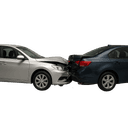
Collision Coverage
Pays for damage to your vehicle in an accident

Comprehensive Coverage
Covers theft, vandalism, weather, and animal damage

Medical Payments
Covers medical costs for your drivers and passengers
Uninsured Motorist
Protection when the other driver lacks insurance
Hired & Non-Owned Auto
Covers rented or employee-owned vehicles used for work
Commercial Auto Insurance Requirements in Louisiana
- Louisiana requires minimum liability of $15,000/$30,000/$25,000 for business vehicles.
- Work vehicles must be registered with the DMV.
- Uninsured/underinsured motorist protection may be required, so confirm whether it is included in the quote.
- Hired auto and non-owned auto coverage should be added when employees use personal vehicles or the business rents vehicles.
How Much Does Commercial Auto Insurance Cost in Louisiana?
Average Cost in Louisiana
$190 - $525
per month
Businesses in Louisiana typically see commercial auto insurance premiums of $190 - $525 per month, which tends to run 30% above the national range of $140 - $410 per month.
- Fleet size and vehicle types
- Driver records and experience
- Coverage limits and deductibles
- Business industry and use
- Annual mileage and operating radius
- Claims history
Rates based on small business averages. Your actual premium may vary.
Commercial auto insurance cost in Louisiana varies by vehicle, driver, and use. Louisiana's premium index of 142 means the market sits about 42% above the national average, and that shows up in pricing for businesses that drive often, cover long distances, or operate in higher-risk environments. The Louisiana average premium range is $190 to $525 per month, while the small-business average is about $140 to $410 per vehicle per month. The gap between those ranges reflects economies of scale. Insurers often price per-vehicle coverage lower as you add vehicles to a policy, so a single-car operation can expect meaningfully different pricing than a multi-vehicle fleet. Review both ranges when budgeting, and ask your provider how fleet size affects per-vehicle cost.
Several state-specific factors can push pricing up or down. Louisiana's very high hurricane and flooding exposure can affect comprehensive claims expectations, and the state's auto accident data shows rain and storms as a leading crash cause at 27.5%. That is nearly three in ten crashes tied to wet pavement, fog, or severe weather, which helps explain why comprehensive coverage costs what it does here. Following too closely at 26.3% and lane departure at 17.7% round out the top three, meaning rear-end collisions and runoff incidents shape both claim frequency and the liability limits you may want to carry. Because a single severe crash can exhaust low limits quickly, the deductibles and protection caps you select directly affect both your monthly cost and your out-of-pocket exposure after an incident. A high uninsured driver rate of 11.7% also means more than one in nine drivers on Louisiana roads carries no coverage, so adding uninsured motorist protection to your policy is a practical step to protect your business from drivers who cannot pay for damage they cause.
Premiums are also shaped by several rating factors. Fleet size and vehicle types matter, as do driver records and experience. Your coverage limits and deductibles play a role, along with your business industry and how you use the vehicles. Annual mileage and service range contribute to pricing, and your claims history is considered as well. In Louisiana, a vehicle that stays local in Baton Rouge may price differently from a truck running statewide routes or a fleet serving coastal parishes after storms. Quotes can vary meaningfully across the market, so compare limits, endorsements, and vehicle usage details rather than price alone.
| Coverage Type | What It Covers | Typical Limits |
|---|---|---|
| Bodily Injury Liability | Injuries to others in accidents you cause | $500K to $2M |
| Property Damage Liability | Damage to others' property | $100K to $1M |
| Collision | Damage to your vehicle in an accident | Actual cash value |
| Comprehensive | Theft, vandalism, weather, animal damage | Actual cash value |
| Medical Payments | Medical costs for your drivers/passengers | $5K to $25K |
| Uninsured Motorist | Protection when other driver lacks insurance | $500K to $1M |
| Hired & Non-Owned | Rented or employee personal vehicles | Same as liability limits |
Bodily Injury Liability
- What It Covers
- Injuries to others in accidents you cause
- Typical Limits
- $500K to $2M
Property Damage Liability
- What It Covers
- Damage to others' property
- Typical Limits
- $100K to $1M
Collision
- What It Covers
- Damage to your vehicle in an accident
- Typical Limits
- Actual cash value
Comprehensive
- What It Covers
- Theft, vandalism, weather, animal damage
- Typical Limits
- Actual cash value
Medical Payments
- What It Covers
- Medical costs for your drivers/passengers
- Typical Limits
- $5K to $25K
Uninsured Motorist
- What It Covers
- Protection when other driver lacks insurance
- Typical Limits
- $500K to $1M
Hired & Non-Owned
- What It Covers
- Rented or employee personal vehicles
- Typical Limits
- Same as liability limits
How Louisiana compares with the national baseline
Uninsured drivers
11.7% vs 11.6% baseline
About 11.7% of Louisiana drivers are estimated to be uninsured, above the 11.6% average across states.
Fatal crashes per 100 million miles
1.81 vs 1.33 baseline
Louisiana sees about 1.81 fatal crashes per 100 million miles driven, above the national average of 1.33.
Blue bar: Louisiana. Gray line: national baseline.
Prices shown are general estimates, not guaranteed rates or quotes. Your actual premium will depend on the insurer, coverage selected, business details, location, claims history, and other underwriting factors. Learn about our pricing methodology.
Request a Quote Comparison
Enter your ZIP code to compare commercial auto insurance rates from top carriers.
Business insurance starting at $25/mo
Who Needs Commercial Auto Insurance?
Businesses that use vehicles for work in Louisiana usually need to look at commercial auto insurance or related hired and non-owned auto coverage. A company car used for client meetings in Baton Rouge, deliveries across New Orleans, or service calls around Lafayette is not the same risk as personal driving, especially because personal policies typically exclude or limit business use. That makes company car insurance relevant even for a single vehicle.
Fleet owners face different pressures. Coverage becomes more important when vehicles make frequent stops, cover long service ranges, or drive through storm-affected areas where rain and lane departures contribute to crashes. Construction businesses are a strong example because construction is one of the state's major employment sectors, and those vehicles often move tools, materials, and crews between job sites. Retail and accommodation businesses may also need commercial vehicle insurance if staff use vehicles for errands, deliveries, or guest services.
Louisiana's economy creates specific needs for several industries. Healthcare and social assistance is the largest employment sector, so organizations with mobile staff may need business auto insurance for work travel. Mining and oil/gas extraction also rely on vehicles that may travel farther from home base, which can affect annual mileage and service range. Because Louisiana has many businesses and most are small operations, many owners are insuring only one or two vehicles, but the coverage decisions still need to account for state minimums, DMV registration, and the possibility that uninsured/underinsured motorist protection may be required.
| Requirement | What Louisiana law says |
|---|---|
| Auto liability minimums | $15,000/$30,000/$25,000 (bodily injury per person / per accident / property damage). These floors apply to personal and business vehicles alike; lenders and contracts often require more. |
| Where to verify | Louisiana Department of Insurance publishes current requirements, consumer guides, and license lookups. |
Commercial Auto Insurance by City in Louisiana
Commercial Auto Insurance rates and coverage options can vary across Louisiana. Select your city below for localized information:
How to Buy Commercial Auto Insurance
Start by listing every vehicle used for work, including company cars, vans, trucks, rentals, and employee-owned vehicles used for business errands. In Louisiana, your work vehicles must be registered with the DMV, so the insurance review should happen alongside registration paperwork and vehicle titles or lease details. If your business uses rented vehicles or employees drive their own cars for work, ask for hired auto and non-owned auto endorsements instead of assuming a standard policy may fill that gap.
When you request a quote, be ready to share vehicle types, annual mileage, service range, driver records, claims history, and how the vehicles are used. You should also confirm whether the policy meets the state's minimum liability requirements and whether uninsured/underinsured motorist protection is included or needed based on your operation.
Carrier shopping matters in this market. A quote comparison should look at liability limits, collision and comprehensive deductibles, hired and non-owned auto endorsements, and how the insurer treats weather-related losses. If you operate a fleet, ask how the carrier handles fleet auto insurance versus one-vehicle policies, since pricing and underwriting can differ by vehicle mix and use. Request a quote through CPK Insurance to compare your options with participating licensed providers.
How to Save on Commercial Auto Insurance
The best savings approach in Louisiana is to reduce exposure in ways insurers can see. A fleet safety program can help lower crash risk, and GPS tracking with dash cameras gives insurers proof that drivers are monitored, which matters in a state where rain, following too closely, and lane departure drive most crashes. Clean motor vehicle records also carry weight because experienced drivers with fewer claims present less risk and often earn better pricing.
Choosing deductibles strategically can lower premium, but the tradeoff is higher out-of-pocket cost after a claim, so this works best when the business can absorb a larger loss. Bundling can also help. Pairing commercial auto with other business policies through the same carrier may qualify the business for a multi-policy discount, though actual savings vary. That can be useful for small operations that already carry general liability or commercial property coverage.
For Louisiana specifically, it helps to match coverage to actual driving patterns. A local service business in Baton Rouge may not need the same structure as a truck route that crosses storm-prone areas, and annual mileage or service range can influence price. Review your policy every year, especially after vehicle changes, route changes, or claims. Telematics devices that monitor driving behavior can also help, and they are especially relevant in a state with a high uninsured driver rate and above-average premium index. If your operation includes personal vehicles used for work, adding hired and non-owned auto coverage can prevent paying for a larger commercial policy when a narrower endorsement is sufficient.
Our Recommendation for Louisiana
For Louisiana businesses, the smartest first step is to build the policy around your driving reality, not just the vehicle count. If you only have one company car, focus on liability limits, collision, comprehensive, and whether hired or non-owned auto exposure exists. If you run a fleet, pay close attention to service range, driver assignment, and how often vehicles travel through storm-prone areas. Because Louisiana's minimum liability applies and uninsured/underinsured motorist protection may be required, don't treat the state minimum as a target for every business. Compare at least a few quotes from active Louisiana insurers, and make sure each quote uses the same limits, deductibles, and endorsements. The best decision usually comes from matching coverage to routes, vehicle use, and claim exposure rather than choosing the lowest first number.
FAQ
Frequently Asked Questions
It can cover liability for bodily injury and property damage, collision damage from a vehicle accident, comprehensive losses tied to theft or weather damage, medical payments, and uninsured/underinsured motorist protection. In Louisiana, that matters because hurricane and flooding risk can affect comprehensive claims and more than one in nine drivers on the road carries no coverage.
Louisiana requires minimum liability of $15,000/$30,000/$25,000 for business vehicles, and your work vehicles must be registered with the DMV. Uninsured/underinsured motorist protection may also be required, so the quote should be checked against the vehicle's actual use and registration status.
The Louisiana average premium range is $190 to $525 per month, while the small-business average is about $140 to $410 per vehicle per month. The final price varies by fleet size, vehicle types, driver records, coverage limits, deductibles, business use, mileage, service range, and claims history.
Any business that uses a car, van, truck, or specialty vehicle for work should review coverage, including businesses with one company car, delivery vehicles, service vans, or fleets. Personal auto policies typically exclude or limit business use, so work driving usually needs commercial auto insurance or hired and non-owned auto coverage.
They extend your policy to vehicles your business rents or to employee-owned vehicles used for work. That is useful for client visits, errands, or deliveries, and it can help close coverage gaps when the vehicle is not titled to the business.
The biggest factors are fleet size and vehicle types, driver records and experience, coverage limits and deductibles, business industry and use, annual mileage and service range, and claims history. Louisiana's weather risk and above-average premium index can also influence the quote.
Use the same limits, deductibles, and endorsements on each quote, then compare how the carrier handles liability, collision, comprehensive, hired auto, and non-owned auto exposure. It also helps to compare several active Louisiana carriers because pricing can vary across the market.
Commercial auto insurance can help cover liability for bodily injury and property damage, collision damage to your vehicles, comprehensive coverage for theft and weather damage, medical payments, and uninsured/underinsured motorist protection. It also can help cover hired and non-owned vehicles with the right endorsements.
Updated July 16, 2026