







































Updated July 16, 2026

Builders Risk Insurance in Shreveport
Property managers, lenders, and prime contractors here usually want proof of coverage that matches the job file before materials arrive or draws are released. Satisfying that request often means showing the project address, build type, contract value, term, and named insureds exactly the way the loan package or construction agreement reads. Getting the paperwork aligned with who is financing, owning, and supervising the work is what keeps the deal moving.
The local housing stock also changes the conversation. With a median home value of $178,100, many residential jobs fall in a price range where a single coverage mistake can cost more than the premium itself. We are talking about additions, investor rehabs, roof replacements tied to broader reconstruction, and moderate-value custom or semi-custom projects where a missed endorsement can matter more than a broad marketing promise. If your project involves a lender, phased draws, or a vacant structure under renovation, ask for the quote to mirror the contract structure from the start. That usually avoids last-minute revisions when a closing attorney, owner, or GC asks to see exactly who is covered and for how long.
Builders Risk Insurance Risk Factors in Shreveport
Shreveport's top risk factors include Flooding, Hurricane damage, Coastal storm surge, and Wind damage.
Louisiana has a very high climate risk rating. Top hazards: Hurricane (Very High), Flooding (Very High), Severe Storm (High), Tornado (Moderate). The state's expected annual loss from natural hazards is $4.8B, which influences builders risk insurance premiums and may affect coverage availability in high-risk areas.
What Builders Risk Insurance Covers
What matters is whether the policy matches how your project is staged and where property sits before it is installed. Materials may move from supplier to laydown yard to job site, then wait for weather windows or inspections before crews can put them in place. If your quote only reflects the structure and ignores how materials are stored or transported for this job, you can end up debating a loss after the fact instead of before binding coverage.
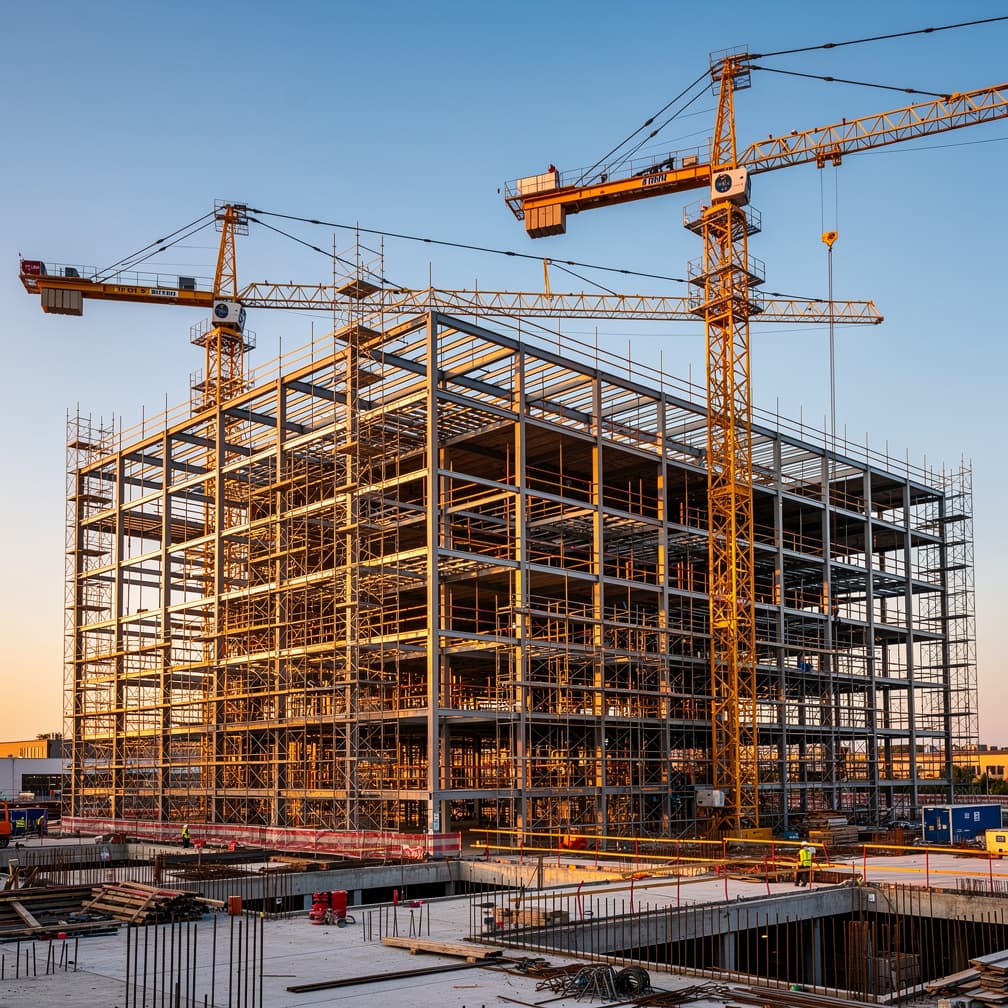
For coastal and storm exposed projects, ask specifically how the policy treats wind driven rain, temporary enclosures, scaffolding, fencing, and debris removal after a covered event. For renovation work, review whether existing structures are excluded, limited, or only addressed by endorsement. That point matters on older buildings where the owner assumes the whole property is insured, but the form may be narrower than expected.
You should also review who is included as an insured or additional insured interest under the contract. Owners, general contractors, lenders, and sometimes subcontractors may all need to appear correctly, depending on the agreement. If the project includes owner furnished materials, long lead items, or equipment that arrives well before installation, ask for those categories to be addressed in plain language during quoting.
Projects here also deserve a close look at delay related exposures. If a covered property loss pushes back opening, lease-up, or occupancy, you may need to review whether soft costs or business income related endorsements belong in the package. Soft costs are expenses that continue or increase when a project is delayed, such as lost rental income, additional loan interest, or extended architectural and legal fees. The right question is not whether the policy is broad in theory. The right question is which property, which phase, and which parties are actually contemplated before work begins.
Coverage Included

Structure Coverage
Covers the building or structure under construction.

Materials on Site
Covers building materials stored at the construction site.

Materials in Transit
Covers materials being transported to the job site.
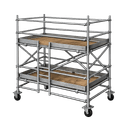
Temporary Structures
Covers scaffolding, fencing, and temporary buildings.

Soft Costs
Covers additional expenses from construction delays due to covered losses.

Equipment Coverage
Covers permanently installed fixtures and equipment.
Industries & Insurance Needs in Shreveport
Caddo Parish business density affects who asks to see builders risk documents and how quickly they ask for them. The parish has 6,084 business establishments, and the leading sectors by establishment share are health care and social assistance at 14.1%, retail trade at 13.2%, and other services, except public administration, at 10.3%. So a meaningful share of local construction and renovation work touches tenant spaces, small commercial buildings, clinics, storefronts, and service-use properties where landlords, lenders, and project partners expect insurance details early.
If your job involves a retail build-out, medical office renovation, or improvements for a service tenant, do not wait until the lease signing or draw request to sort out named insureds, mortgagee interests, and the policy term. Ask for those parties to be mapped against the contract before work starts. In this market, that administrative accuracy can be just as important as the coverage form itself because delays often start with paperwork mismatches, not only with the loss event.
What Affects Builders Risk Rates in Shreveport
Local project economics can change how you set limits and deductibles. Shreveport's median household income is $48,465, so many owners and small investors are balancing lender requirements against a renovation or build budget that has little room for a large uninsured setback. That does not automatically change the rate, but it does change the buying decision: a deductible that looks manageable on paper can become a cash-flow problem if stolen materials, a small fire, or water damage hits before completion.
For that reason, it is worth reviewing whether your limit follows the completed value the lender expects, whether soft costs need to be scheduled, and whether your deductible still makes sense for your available reserves. If you are building or rehabbing to sell or lease quickly, ask for the quote options to show the tradeoff between lower upfront premium and higher out-of-pocket risk. That gives you a cleaner decision than choosing only on price.
What Makes Shreveport Different
How precisely the policy must track the deal structure is what changes the calculus here. In a market with many moderate-value residential projects and a steady mix of small commercial renovations, the friction point is often not whether you know this coverage exists. The real question is whether the policy lines up closely enough with the deal for the people funding, leasing, or overseeing the job. A lender may want one entity shown a certain way, the owner contract may name another, and the GC's agreement may point to a different insurable interest entirely.
That precision matters because local timelines are tight and budgets do not absorb avoidable delays well. If the named insured, mortgagee, loss payee, or project description is off, you can lose time fixing documents when materials are already ordered or a closing is scheduled. Treat the quote request like a contract review. Submit the construction agreement, loan requirements, project timeline, and property details together, then check that the draft policy language mirrors those documents before binding.
Our Recommendation for Shreveport
Start by matching the insurance request to the actual job paperwork, not to a prior project. If the work is a residential rehab, confirm whether the limit should reflect completed value rather than only current structure value. If it is a tenant improvement or small commercial renovation, verify who needs to appear on the policy and whether the build-out scope creates any gap between the lease requirements and the insurance draft.
Ask for the quote to show the policy term in a way that fits the construction schedule, including any realistic delay cushion for inspections, change orders, or financing hiccups. Review site security details carefully if the property will be vacant between trades or if materials will be stored before installation. If a lender or property manager is involved, send their insurance requirements before binding, not after. Compare the draft certificate and policy setup against the contract line by line, then correct names, interests, and dates before the first draw or delivery.
Get Builders Risk Insurance in Shreveport
Enter your ZIP code to compare builders risk insurance rates from carriers in Shreveport, LA.
Business insurance starting at $25/mo
FAQ
Frequently Asked Questions
Shreveport lenders usually want proof that the project address, term, contract value, and insured parties match the loan file. Here, the fastest way to avoid funding delays is to send the construction contract and lender insurance requirements with the quote request.
Shreveport renovation projects often need a limit tied to completed value, especially when the finished property will support a sale, refinance, or lease. With the city's median home value at $178,100, many jobs are moderate-budget rehabs where underinsuring the finished exposure can create a costly gap. That means a policy written only to current structure value may leave tens of thousands uninsured at completion.
Caddo Parish has 6,084 business establishments, meaning a typical commercial renovation may touch three or four stakeholders who each need their name on the file. When multiple parties are involved, a single misnamed insured can stall a lease signing or delay contractor mobilization by days.
Shreveport small commercial projects tend to generate more paperwork when the work involves clinic space, storefronts, or service-use properties. In Caddo Parish, health care and social assistance account for 14.1% of establishments, retail trade 13.2%, and other services 10.3%, which means roughly one in three local businesses operates in a sector where lease and lender review of insurance documents is routine.
Coastal projects are usually underwritten with closer attention to wind, water, storage, and storm preparation, which means the underwriter will want details that an inland job might not require. Bring your site security plan, material staging details, and contract requirements early so the quote reflects how the job will actually be built. If the project sits in a high risk zone, expect the file to move faster when you show how materials are secured and what happens before a named storm approaches.
Projects here usually follow the construction contract first. The owner often buys it, but some agreements place that duty on the contractor, so you should confirm named parties, lender wording, and responsibility for stored materials before mobilization.
Renovation projects can be written for occupied buildings, but the key issue is how the policy treats existing structures versus the work in progress. Review that distinction before binding so you do not assume the whole property is insured.
Quotes move faster when you provide the signed contract, project budget, plans, schedule, lender requirements, and a list of parties that must appear on the policy. Clear values and a realistic timeline usually produce cleaner terms.
Sources
- 1.U.S. Census Bureau, ACS 5-Year Estimates, table B25077(With a median home value of $178,100 in Shreveport, many residential jobs are not luxury ground-up builds, they are additions, investor rehabs, roof replacements tied to broader reconstruction, and moderate-value custom or semi-custom projects.)
- 2.U.S. Census Bureau, ACS 5-Year Estimates, table B19013(Shreveport's median household income is $48,465, so many owners and small investors are balancing lender requirements against a renovation or build budget that has little room for a large uninsured setback.)
- 3.U.S. Census Bureau, County Business Patterns, Caddo Parish(The parish has 6,084 business establishments, and the leading sectors by establishment share are health care and social assistance at 14.1%, retail trade at 13.2%, and other services, except public administration, at 10.3%.)
Updated July 16, 2026





