Updated July 16, 2026

Key Takeaways
- Compare quotes using the same peak inventory value, deductible, and valuation assumptions so you can see real coverage differences.
- Ask in writing how the policy handles hail, flood, theft, vandalism, and test drives before you bind coverage.
- Prepare a current inventory schedule, offsite storage list, and security summary before requesting dealer open lot insurance quotes.
- Review whether flood needs separate placement instead of assuming another policy form includes it automatically.
- Requote after security upgrades, lot layout changes, or improved claims history so pricing reflects your current risk.
Dealer Open Lot Insurance in Maine
The surprise gap with dealer inventory is rarely the obvious storm loss. It is the mismatch between where a vehicle is supposed to be, where it actually sits overnight, and whether your schedule, storage addresses, and handling practices line up when a claim is reviewed. Your inventory often moves between the main lot, overflow storage, service areas, transport staging, and seasonal display locations. If your operation relies on gravel overflow, shared parking, snow-season rearranging, or temporary offsite storage, you need the quote to match that reality before a loss happens. Maine Bureau of Insurance rules govern how forms are filed and disputes are handled, which means your policy needs to comply with state consumer protections from day one. Before you request terms, pull your current inventory list, every storage address, your highest value units, and your rules for keys, test drives, and after-hours parking. That gives you a quote built around your actual lot operations, not a generic dealership template.
What Dealer Open Lot Insurance Covers
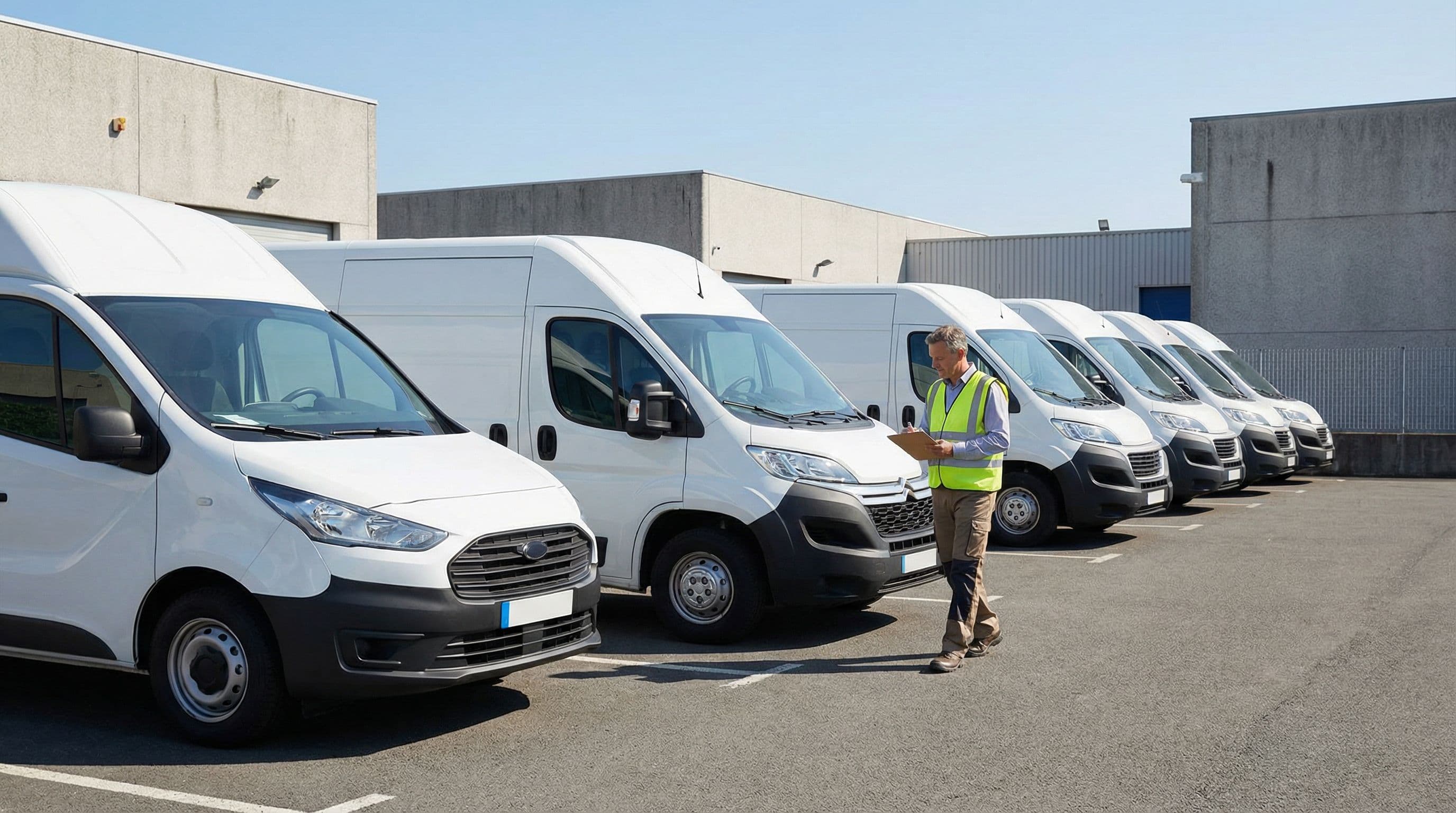
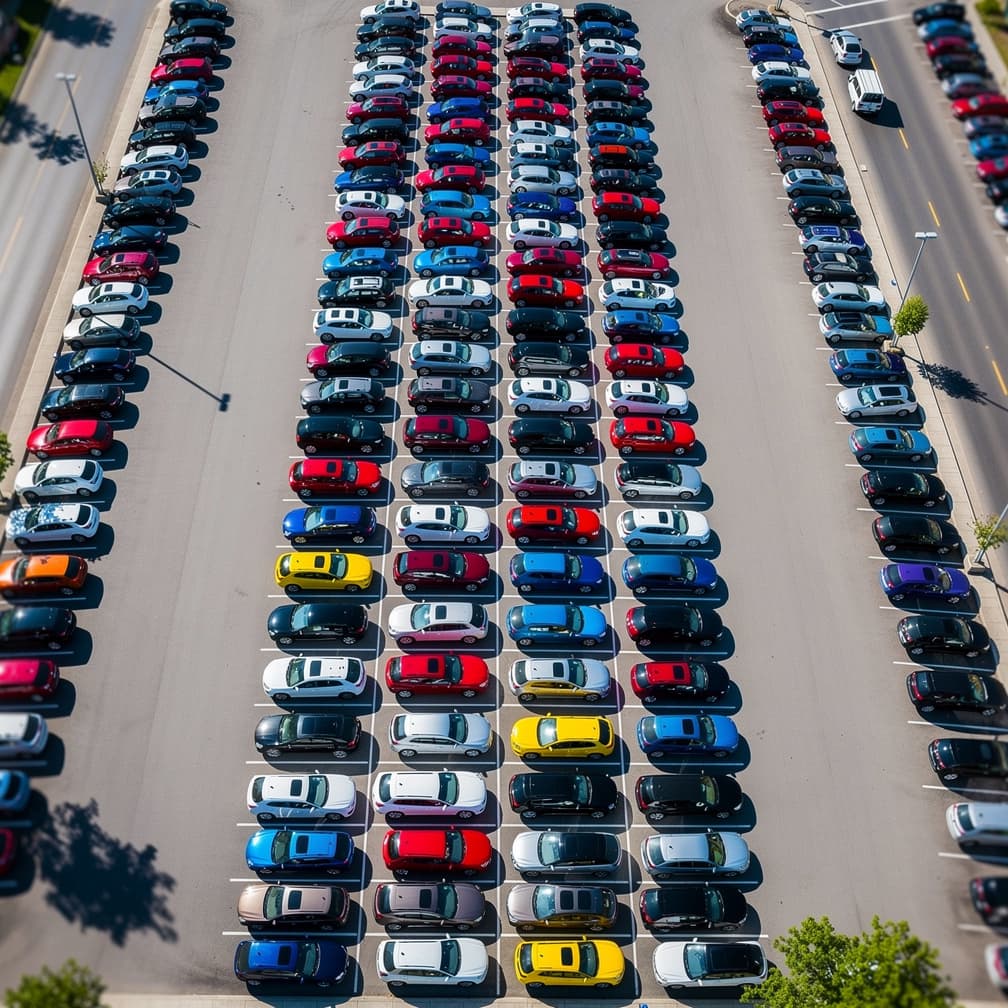
Review how your policy treats inventory handling across mixed-use dealership space. A dealership may keep front-line units near the road, hold lower-turn inventory in a back row, move trucks or SUVs to a plow-cleared overflow area, and stage newly acquired vehicles near service before they are sale-ready.
Review where coverage applies, especially if vehicles are stored at more than one address or moved between owned and non-owned locations. If your lot uses a nearby parcel, a fenced annex, a repair partner's yard, or seasonal overflow parking, ask for those locations to be addressed clearly in the quote. Units in transit between your auction pickup point, reconditioning area, and sales lot need the same attention.
Maine conditions make physical handling a real cost risk. Snow removal, ice buildup, freeze-thaw cycles, and wind-driven debris can cause contact damage or total losses that run from a few thousand dollars per unit to the full retail value of a packed front row. Ask how the policy responds when inventory is being moved by employees, parked temporarily during plowing, or held off the main lot while space is cleared.
Key control, fencing, lighting, camera placement, and test-drive procedures belong in the coverage discussion because they shape how underwriters evaluate theft, vandalism, and unexplained disappearance exposures.

Weather Damage
Covers hail, wind, flood, and storm damage to lot inventory.
Theft Protection
Covers vehicles stolen from your lot.
Fire Damage
Covers fire and explosion damage to inventory vehicles.

Vandalism
Covers intentional damage to vehicles on your lot.
Test Drive Coverage
Covers vehicles during customer and employee test drives.
Transit Coverage
Covers vehicles being moved between lot locations.
Dealer Open Lot Insurance Requirements in Maine
- Maine lot operations often change during snow season, so temporary parking patterns and overflow storage should be disclosed before binding, not explained after a loss.
- If your dealership uses a nearby parcel, shared yard, or service-area staging space, ask for clear treatment of those locations in the policy review.
- Freeze-thaw conditions can force frequent vehicle repositioning, which makes written employee movement procedures more important than many dealers expect.
- Dealers with mixed inventory, such as autos, trucks, trailers, or powersports units, should review whether concentration of value changes by season or display area.
How Much Does Dealer Open Lot Insurance Cost in Maine?
Pricing usually reflects exposure quality more than a simple inventory count. Underwriters want to know the total value you carry, but they also look closely at where units are stored, how often inventory turns, whether high-value vehicles are concentrated in one area, and how disciplined your lot controls are after business hours. A quote for a compact used-car lot with one address can look very different from a multi-location operation that rotates inventory between overflow storage, service, and roadside display.
Your storage pattern matters. If vehicles stay only at the scheduled lot, the exposure is easier to define. If units move to a secondary parcel during snow season, sit at an offsite recon location, or remain overnight at a shared storage area, the underwriter may need more detail before offering terms. The same is true if your operation buys frequently at auction and holds newly acquired units before they are photographed, serviced, and listed for sale.
Security and documentation also affect cost. Carriers usually look more favorably at dealers that can show consistent key logs, controlled access, camera coverage, prompt inventory reconciliation, and written procedures for employee movement of vehicles. A lot with weak recordkeeping creates more uncertainty around theft, vandalism, and unexplained loss, and that uncertainty can add hundreds or thousands of dollars to your annual premium.
To get a usable quote, submit a current inventory valuation, every storage address, your maximum unit values, your after-hours security controls, and any seasonal changes in where vehicles are parked. If you want to compare options fairly, use consistent details across each request so you can see which policy actually fits your operation.
Request a Quote Comparison
Enter your ZIP code to compare dealer open lot insurance rates from top carriers.
Business insurance starting at $25/mo
Who Needs Dealer Open Lot Insurance?
Any dealer whose inventory sits outside, shifts between locations, or stays exposed before delivery to the buyer needs to review this coverage. That includes operations with a small paved frontage lot, dealers using gravel overflow, and businesses that rely on nearby storage because the main sales area cannot hold every unit year-round.
Consider these common Maine handling patterns that create claim friction. One example is the dealer that stores some units offsite during winter lot maintenance or snow management. Another is the business that acquires vehicles in batches, leaves them in a staging area awaiting service, then rotates them to the front line as space opens. A third is the dealer that shares space with repair, towing, marine, trailer, or equipment activity, where inventory can be moved for operational reasons that are normal for the business but not obvious to an underwriter reading a short application.
This coverage also deserves review if your inventory mix changes during the year. Dealers that add trucks, utility trailers, powersports units, or specialty vehicles can create a different risk profile than the policy was originally priced for. The same issue comes up when a business starts using a second address, expands display space, or increases the number of employee-driven vehicle moves.
If your dealership has ever said, "that unit was only there overnight," or "we only use that overflow area during busy periods," you likely need a closer review. Those are exactly the facts that matter after a loss, so they should be addressed before renewal or before you bind a new policy.
Dealer Open Lot Insurance by City in Maine
Dealer Open Lot Insurance rates and coverage options can vary across Maine. Select your city below for localized information:
How to Buy Dealer Open Lot Insurance
Build the submission around your actual lot map and vehicle flow, not just a dealer license and a rough inventory total. Start by listing every place inventory can be kept, even if a location is used only during snow removal, overflow periods, reconditioning, or temporary staging. If a vehicle can spend the night there, include it.
Next, separate your inventory by type and value concentration. Flag any higher-value units, specialty vehicles, trucks, or seasonal inventory that changes the risk profile. Document how vehicles move through your operation from auction arrival through intake, service, detail, photo line, front-line display, test drive, and delivery.
Include your control procedures. List who holds keys, how keys are logged, whether there is fenced storage, what lighting and cameras cover the lot, how often inventory is reconciled, and who is allowed to move units after hours. If you use outside vendors for transport, detailing, snow removal, or repairs, note when vehicles are left in their custody or on their premises.
Before binding, read the location schedule, covered causes of loss, deductible structure, and any conditions tied to theft prevention or offsite storage. If wording around temporary locations, employee handling, or movement between addresses is unclear, ask for clarification in writing. Request a quote through CPK Insurance to compare your options with participating licensed providers.
How to Save on Dealer Open Lot Insurance
The strongest way to lower costs is to reduce uncertainty around where inventory is, who can access it, and how quickly you can prove the facts of a loss. When records are inconsistent, lot layout changes without documentation, or offsite storage is handled informally, carriers charge more to account for that unknown risk.
Start with location discipline. Keep an updated list of every approved storage address and note when overflow areas are activated. If snow management or seasonal crowding forces vehicles into a secondary area, document the dates and the units moved.
Tighten inventory controls next. Reconcile units regularly, keep a clean key log, limit after-hours movement authority, and maintain camera retention long enough to support claim investigation. If a carrier asks how you would verify the last known location of a missing unit, you want a specific answer, not a guess. The same applies to test-drive procedures, employee use rules, and vendor handoffs.
Physical layout also plays a role. Separate higher-value inventory from easy-access perimeter rows, improve lighting where blind spots exist, and avoid stacking vehicles so tightly that routine plowing or repositioning increases the chance of contact damage. If you use more than one lot, keep signage, fencing, and access rules consistent across locations.
At renewal, make sure your submission reflects these controls before you compare options.
Our Recommendation for Maine
For Maine dealers, the most important buying move is to treat location accuracy as a coverage issue, not an administrative detail. If inventory ever sits at an overflow parcel, service yard, storage annex, or temporary seasonal area, make sure that address and use are part of the submission.
Match the policy review to your winter operations. Snow removal changes traffic patterns, parking density, and where vehicles spend the night. If your team routinely shifts units to clear lanes or protect front-line inventory, ask how employee movement, temporary staging, and offsite parking are treated.
High-value inventory also deserves attention. A small number of higher-value units can change the exposure more than a large count of lower-value vehicles. Flag those units early, especially if they are stored together or displayed near the perimeter.
When questions come up about policy language, complaint channels, or consumer protections, the Maine Bureau of Insurance is the regulator that oversees these issues for buyers. At renewal, compare location schedules, deductibles, and storage assumptions line by line.
FAQ
Frequently Asked Questions
Maine dealers often do if inventory stays at an overflow or secondary location overnight. Make sure that address and use are clearly reflected in the quote and policy review before a loss occurs.
Maine winter operations can change where vehicles are parked, how tightly inventory is stored, and how often employees move units for plowing or access. Disclose those handling patterns so the policy matches your real lot activity.
The Maine Bureau of Insurance regulates dealer insurance questions in the state. If you need help understanding policy language, complaint channels, or state consumer guidance, that is the regulator buyers should know.
Maine dealers sometimes do, but the safer approach is to disclose any service, reconditioning, or staging address where sale inventory may remain.
Maine dealers should provide a current inventory list, all storage addresses, higher-value units, and written details on keys, cameras, fencing, test drives, and after-hours access.
Maine small dealers often need the same careful review as larger operations because a single loss can hit a concentrated inventory hard.
Maine seasonal overflow parking should be reviewed before renewal or as soon as the storage pattern changes.
Dealer open lot insurance nationwide is generally reviewed for damage or loss to vehicles you own for sale, including hail, wind, theft, vandalism, fire, flood, and test drive exposure, depending on your policy terms, deductibles, valuation method, and any location or off-premises limitations.
Sources
- 1.Maine Bureau of Insurance(Maine insurance questions ultimately fall under the Maine Bureau of Insurance.)
Updated July 16, 2026