Updated July 16, 2026

Key Takeaways
- List every towing and transport service you perform before requesting quotes, so loading, unloading, winching, and recovery exposures are reviewed correctly.
- Compare the on-hook limit, deductible, valuation method, and exclusions side by side instead of choosing a policy on premium alone.
- Ask in writing whether your policy addresses the specific vehicles you tow most often, especially specialty, modified, low-clearance, or higher-value units.
- Use pre-tow photos, condition notes, and signed release procedures on every job to reduce disputes and support claims handling.
- Review on-hook coverage together with auto liability and any garagekeepers coverage before renewal to catch gaps between transport and storage.
On-Hook Towing Insurance in Maine
Before a landlord hands you yard access, a police rotation list adds your name, or a lender signs off on truck financing, they want to see proof that your towing operation carries the right protection. In Maine, they are not just looking for a certificate with a policy name on it. They want limits, covered operations, and effective dates that match how you actually tow, store, and release vehicles. That is where on-hook towing insurance becomes a decision about real money and real risk, not just a form to file away.
If your work includes long rural runs, marina-area recoveries, or moving vehicles between body shops and storage lots, your quote should line up with those exposures. A policy review should also account for who can operate each unit, where vehicles are picked up, and whether you handle police-directed tows, private impounds, or scheduled transport. Before you renew, line up your contracts, lender requirements, and dispatch records so you can ask for terms that fit the way your trucks work every day.
What On-Hook Towing Insurance Covers
In Maine, the useful question is not the basic definition of on-hook coverage. The real question is where your operation is most likely to create a disputed damage claim, and whether your policy language matches that point in the job. If you run winter roadside calls, review how your coverage is written for slide-offs, ditch pulls, and low-visibility loading conditions. If you move vehicles from coastal communities, ask how salt exposure, tight marina parking areas, and narrow access roads affect underwriting and claim handling. If your drivers work long rural routes, confirm how the policy treats the full trip, not just the first pickup location.
You should also review the handoff points that create arguments after a loss. That includes condition at pickup, photos before loading, key control, release procedures, and whether a vehicle is dropped at a repair shop, storage yard, dealership, residence, or municipal lot.
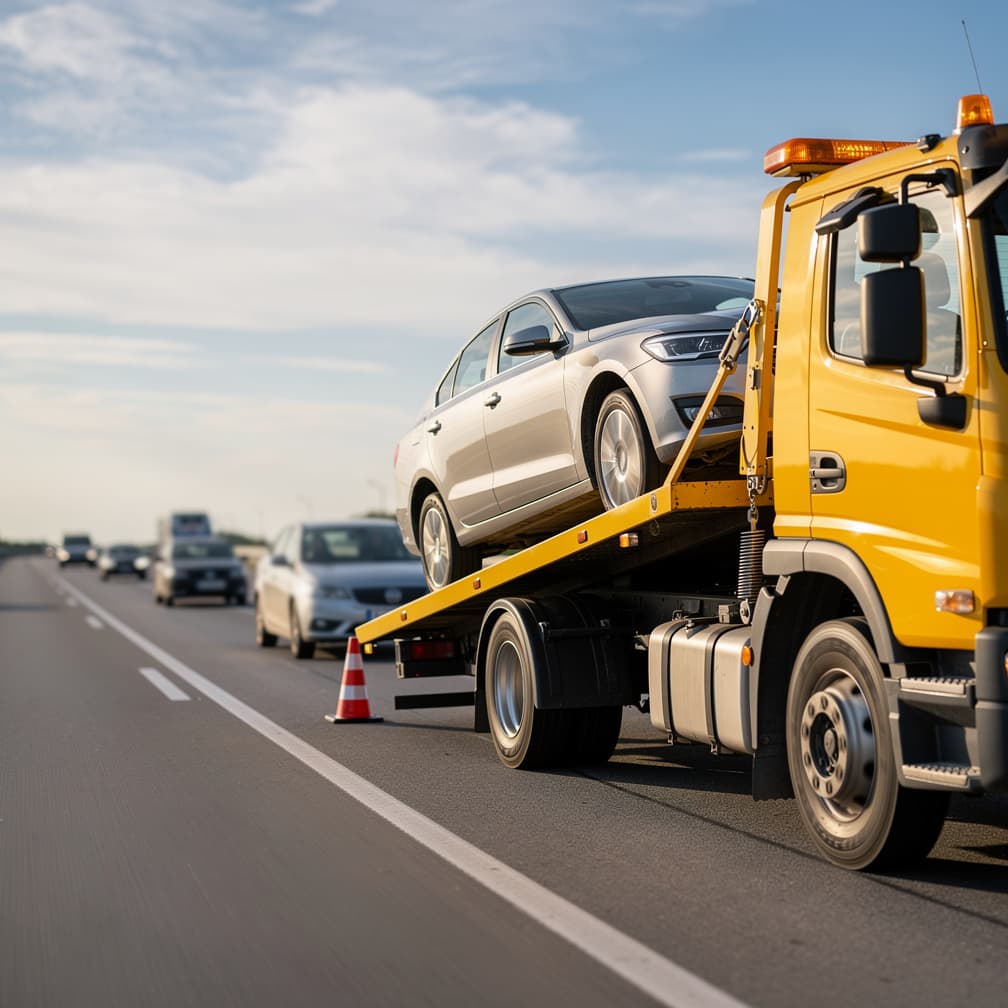
Maine weather and road conditions can change quickly, so ask your agent to walk through your actual service mix instead of assuming every tow looks the same. A flatbed handling disabled electric vehicles, a wheel-lift unit doing apartment impounds, and a heavy unit responding to commercial breakdowns can create very different on-hook exposures. Bring sample invoices, dispatch logs, and driver procedures to the quote review so exclusions, deductibles, and limits are tested against real jobs before a claim does it for you.
Collision on Hook
Covers damage to towed vehicles from collisions during transport.
Comprehensive on Hook
Covers theft, fire, and weather damage to vehicles being towed.
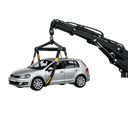
Loading & Unloading
Covers damage during the process of loading and unloading vehicles.
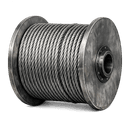
Winching Coverage
Covers damage to vehicles during winching and recovery operations.
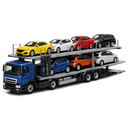
Multiple Vehicle
Covers all vehicles on multi-car carriers and rollback flatbeds.
On-Hook Towing Insurance Requirements in Maine
- Maine towing operations that work through winter storms and freeze-thaw conditions should review how loading, winching, and unloading exposures are described before renewal.
- If your routes include coastal communities, ask how tight access, corrosion-prone environments, and seasonal traffic patterns affect underwriting assumptions for your trucks.
- Rural Maine service areas can mean longer loaded trips and fewer immediate alternatives at breakdown scenes, so territory and dispatch practices should be explained clearly.
- Operators seeking municipal, landlord, or lender approval should confirm that requested certificates reflect actual covered operations rather than broad assumptions about towing work.
How Much Does On-Hook Towing Insurance Cost in Maine?
For a Maine towing business, on-hook pricing typically starts from around $750 to $1,500 annually for a single-unit operation with clean loss history, though premiums can climb past $3,000 when recovery work, heavy-duty tows, or a larger driver roster enter the mix. The biggest cost drivers are the vehicles you tow, the equipment you use, the territory you cover, your driver roster, your loss history, and the limits and deductibles you request. A business that mainly performs scheduled dealer transfers may be viewed differently from one that mixes emergency roadside work, police rotation calls, private property impounds, and recovery jobs.
If your trucks run dense downtown streets, seasonal tourist traffic, remote two-lane roads, or long distances between pickup and drop-off, each pattern can change how a carrier views frequency and severity. Maine conditions can also make loading and unloading more hazardous during parts of the year, so you should be ready to explain your driver training, photo documentation, and equipment inspection routines. Better underwriting detail can lead to a cleaner quote comparison because you are not forcing the carrier to guess.
The most useful way to shop is to compare the same structure across quotes. Ask each carrier or broker to quote the same on-hook limit, deductible, covered services, and driver list. Then review whether the policy is being priced around standard towing only, or whether it contemplates recovery work, impounds, dealer moves, repossessions, or specialty vehicles. If one quote is materially lower, check what was narrowed, excluded, or left undescribed before you treat it as savings.
Request a Quote Comparison
Enter your ZIP code to compare on-hook towing insurance rates from top carriers.
Business insurance starting at $25/mo
Who Needs On-Hook Towing Insurance?
In Maine, this coverage deserves a close look anywhere your business takes custody of someone else's vehicle and could face a damage allegation during the tow process. That can include dedicated towing companies, repair shops with their own rollback, roadside assistance contractors, repossession operators, salvage haulers, and transport businesses that occasionally perform local recovery or relocation work. The deciding issue is operational, not branding. If your crew hooks, winches, lifts, carries, or unloads customer vehicles, you should review whether your policy setup matches that exposure.
State and local work can make this more important. If you want municipal contracts, police rotation opportunities, apartment impound agreements, dealership relationships, or lender-approved truck financing, the other party may ask for proof that your insurance program is built for the services you actually perform. The Maine Bureau of Insurance regulates policy forms, producer licensing, and complaint handling in the state, so if you are comparing quotes with different wording and need to verify who is placing the coverage, that is where you confirm whether a form or producer is legitimate before you bind.
You should also think beyond your main line of business. A garage that only tows occasionally can still face the same dispute over a damaged bumper, wheel, undercarriage, or drivetrain component as a full-time tow company. A marina-adjacent operator moving vehicles and trailers may have a different exposure pattern from an inland roadside contractor, but both should map their actual jobs before buying. If a customer vehicle is ever attached to your truck or on your bed, ask for a quote review built around those specific movements.
On-Hook Towing Insurance by City in Maine
On-Hook Towing Insurance rates and coverage options can vary across Maine. Select your city below for localized information:
How to Buy On-Hook Towing Insurance
Start your Maine quote process by organizing the details an underwriter may ask for anyway. Build a current vehicle schedule for every tow unit, note whether each truck is flatbed, wheel-lift, or heavy duty, and list the services tied to each unit. Then separate your work by type: emergency roadside, accident recovery, private impounds, police-directed tows, dealer transfers, shop-to-shop moves, repossessions, and long-distance transport. That service map helps prevent a quote from being built on an incomplete picture.
Next, gather the documents that prove how you control claims. Include driver lists, motor vehicle records if available, dispatch procedures, pre-tow and post-tow photo requirements, signed release forms, storage yard rules, and any written process for documenting pre-existing damage. In Maine, where weather, road surface, and visibility can shift quickly, those procedures can matter as much as the truck specifications because they show how you reduce disputes after a difficult recovery or winter call.
Then ask each quoting source the same operational questions. Are all listed services contemplated? Are there restrictions around recovery work, impounds, or specialty vehicles? How is unloading treated? What deductible applies to a typical on-hook loss? Which drivers are scheduled, and what happens if staffing changes mid-policy? Keep the comparison disciplined so you are evaluating coverage structure, not just premium.
Before binding, read the proposal against your contracts. If a landlord, municipality, lender, or commercial client requires specific proof of coverage, confirm the certificate request can be supported by the actual policy terms. That is the point where many buying mistakes surface, and it is much easier to fix them before the first dispatch under a new policy. Request a quote through CPK Insurance to compare your options with participating licensed providers.
How to Save on On-Hook Towing Insurance
The strongest way to lower your long-term insurance cost in Maine is to make your operation easier to trust, easier to document, and easier to defend after a claim. Start with photos. Require clear images before hookup, during loading when useful, and at drop-off. Time-stamped documentation can reduce arguments over whether damage happened before the tow, during transport, or after release. Pair that with written dispatch notes that identify location conditions, weather, vehicle condition, and any owner instructions.
Driver selection and service separation also matter. If some drivers only handle routine dealer transfers while others perform recoveries or police work, show that distinction in your submission. Underwriters price uncertainty, so a cleaner description of who does what can help you avoid being rated as if every truck performs every high-severity task. The same logic applies to equipment. If one unit is dedicated to standard roadside towing and another handles more complex jobs, make that visible in the quote package.
You can also save by tightening your internal controls before renewal. Review claims from the prior term, identify repeat causes such as low-clearance loading, wheel damage, or release disputes, and update procedures around those exact failure points. Check tie-down practices, winch maintenance logs, bed angle procedures, and driver training records. If you use subcontractors, review whether their insurance and hold harmless language are current before they touch a customer vehicle tied to your job.
Finally, shop with complete information instead of chasing the lowest number first. Ask for side-by-side comparisons of limits, deductibles, exclusions, and covered operations, then decide where a higher premium may buy back a meaningful protection you actually need.
Our Recommendation for Maine
For Maine towing operators, the smartest buying move is to test your policy against your hardest jobs, not your easiest ones. Build your review around winter recoveries, long rural tows, coastal pickups, apartment impounds, and after-hours releases if those are part of your week. Those are the assignments most likely to expose a gap in documentation, deductible tolerance, or covered operations.
When you separate routine towing from higher-complexity work in your review, you get pricing that reflects each unit's actual risk. If your flatbed mostly handles dealer and repair-shop moves, do not let it be priced as though it performs every recovery your heavy unit takes. If your wheel-lift unit works tight parking lots and private property impounds, make sure those exposures are described clearly rather than buried in a generic towing application.
You should also verify the basics that create avoidable disputes: who is listed to drive, how vehicle condition is documented, what happens at drop-off, and whether certificates requested by landlords, municipalities, or lenders match the actual policy. If any wording is unclear, raise it before binding. A short pre-bind review of contracts, dispatch logs, and sample tow tickets can do more for your buying decision than another round of vague price shopping.
FAQ
Frequently Asked Questions
Maine insurance questions are overseen by the Maine Bureau of Insurance. If you are comparing on-hook wording, producer licensing, or complaint options, start there so you can verify the regulatory side of the policy before you bind.
Yes. Property owners often want to confirm your insurance matches the towing and impound work you perform on their premises before granting access. Bring contract requirements to your quote review so certificates and policy terms line up before service begins.
Maine tow companies should organize truck schedules, driver lists, service types, and sample dispatch records before requesting quotes. That helps the underwriter price your actual operation instead of assuming every truck handles the same kind of tow.
Maine coastal operators should ask carriers to review where vehicles are picked up, how tight access points affect loading, and whether seasonal traffic changes your exposure. Those details can matter more than a generic towing classification.
Maine buyers should compare covered services, deductibles, driver schedules, and any restrictions tied to impounds, recovery work, or specialty vehicles. A lower premium is only useful if the policy still fits the jobs your trucks actually perform.
Maine lenders may want evidence that your insurance program supports the financed truck's real use, not just a broad certificate. If the unit handles recovery, impounds, or dealer transport, make sure those operations are described accurately in the submission.
Maine repair shops with their own rollback should review on-hook exposure if they move customer vehicles as part of daily operations. Even occasional towing can create the same damage dispute over loading, transport, or unloading as a dedicated tow company.
On-hook towing insurance may cover damage to a customer vehicle while it is being loaded, attached, carried, winched, or unloaded by your tow truck, depending on the policy terms. Buyers should review collision, fire, theft, weather, and loading-related damage carefully.
Sources
- 1.Maine Bureau of Insurance(Maine Bureau of Insurance oversees insurance regulation in the state.)
Updated July 16, 2026