Updated July 16, 2026

Car Insurance in Portland
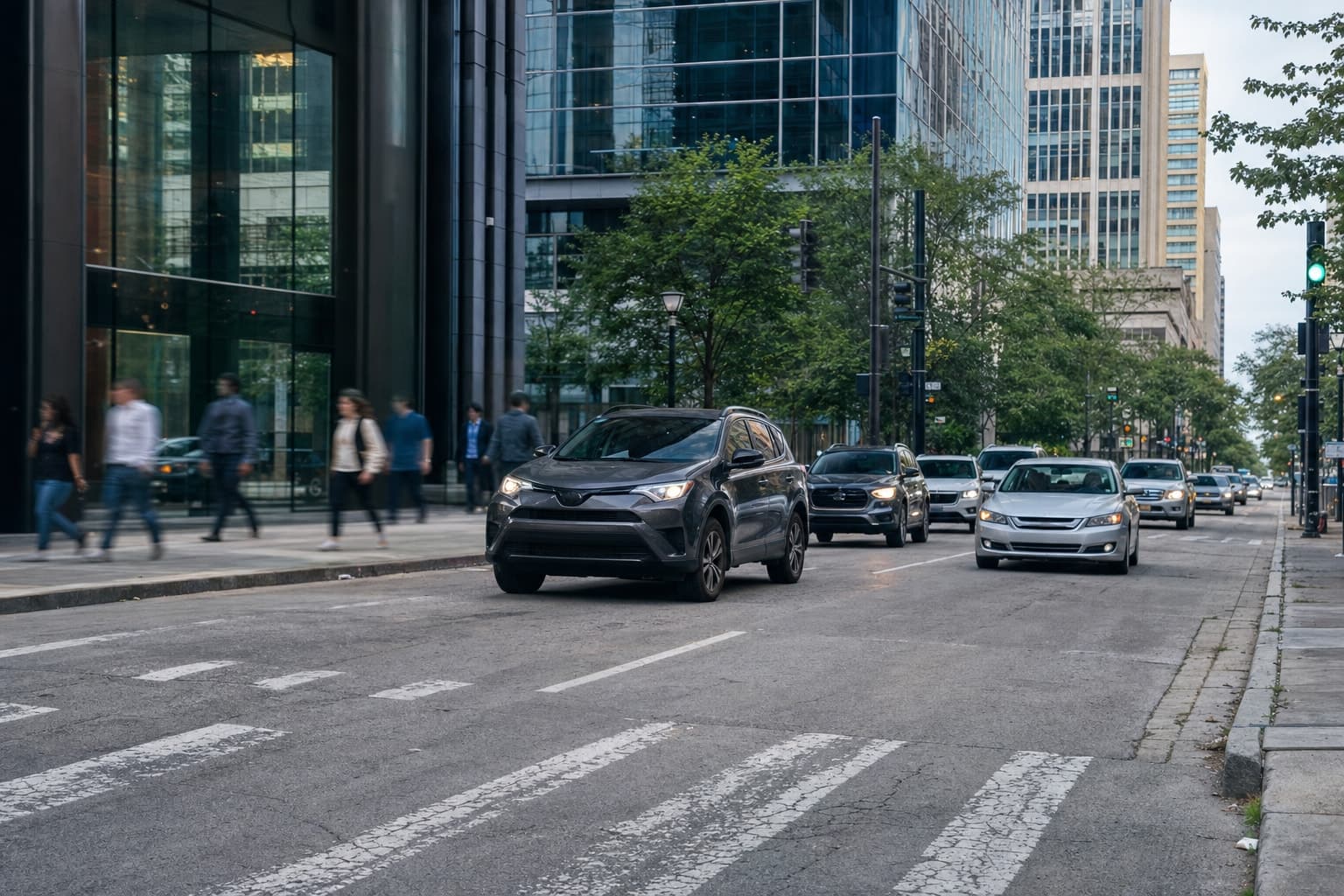
Portland sits in a county where professional, scientific, and technical services lead the business mix at 12.5% of establishments, just ahead of health care at 12.4% and retail at 11.9%. Those sectors tend to generate irregular schedules and short drives between locations, which means more time on the road during peak hours when fender benders are most likely. If your week includes downtown parking, short errand runs, and occasional trips across the county, your quote can account for how often your vehicle sits curbside and whether you would struggle to replace it after a loss.
Maine has a moderate climate risk rating. Top hazards: Nor'easter (High), Winter Storm (High), Flooding (Moderate), Coastal Erosion (Moderate). The state's expected annual loss from natural hazards is $180M, which influences car insurance premiums and may affect coverage availability in high-risk areas.
What Car Insurance Covers
Car insurance in Maine works like a standard personal auto policy, but your choices should reflect local weather, traffic, and claim patterns. Liability coverage helps pay for injuries and damage you cause to others, and Maine's commercial auto minimums are listed at $50,000/$100,000/$25,000 for business use, which is a useful benchmark when you are comparing protection levels for a personal vehicle as well. Collision coverage helps repair or replace your car after an auto accident, while comprehensive coverage applies to non-collision losses such as theft, hail, flooding, and storm-related damage that can happen during Maine's high-risk winter months. Uninsured motorist coverage is especially relevant because the state's uninsured-driver rate is 4.9%, so you may want protection if another driver lacks enough insurance. Medical payments coverage can help with medical expenses after a crash, and rental reimbursement coverage can help pay for a temporary vehicle while your car is being repaired after a covered loss. Maine is regulated by the Maine Bureau of Insurance, and coverage requirements can vary by vehicle use, policy form, and endorsement choices. That means the policy you build for a Portland commuter, a Bangor driver, or someone traveling coastal roads in winter may look different depending on deductibles, limits, and the risks you want to transfer.
Coverage Included

Liability
Can help pay for injuries and property damage you cause to others in an accident, coverage most states require drivers to carry.
Collision
Can help pay to repair or replace your car after a crash with another vehicle or object, regardless of fault.

Comprehensive
Typically covers damage to your car from events other than collisions, such as theft, hail, fire, flooding, or hitting an animal.

Uninsured Motorist
May pay for your injuries and, in some states, car damage when an at-fault driver has no insurance or too little.

Medical Payments
Can help cover medical bills for you and your passengers after an accident, no matter who was at fault.
Rental Reimbursement
May pay for a rental car while your vehicle is in the shop for repairs after a covered claim.
Car Insurance Cost in Portland
Average Cost in Maine
$60 - $150
per month
In Maine, car insurance premiums typically run $60 - $150 per month, which tends to run 38% below the national range of $110 - $230 per month.
- Driving record and age
- Vehicle make, model, and year
- Location and commute distance
- Credit-based insurance score
- Coverage limits and deductibles
Contact CPK Insurance for a personalized quote.
Prices shown are general estimates, not guaranteed rates or quotes. Your actual premium will depend on the insurer, coverage selected, personal details, location, claims history, and other underwriting factors. Learn about our pricing methodology.
The average monthly premium range for car insurance in Maine is $60 to $150, and the broader state benchmark is close to the national average with a premium index of 96 out of 100. That means your cost is shaped more by your individual profile than by an extreme statewide price environment. Location matters because drivers near coastal areas, flood-prone corridors, and storm-exposed roads may see different pricing pressure than drivers in less exposed parts of the state. Claims history, coverage limits, deductibles, policy endorsements, and annual mileage all influence the final quote, and Maine's winter storm exposure can make comprehensive coverage and rental reimbursement coverage more valuable to consider. Maine recorded 32,000 crashes and 180 fatalities in 2023, with following too closely, impaired driving, and lane departure among the top causes. More crashes and serious accidents across the state can push premiums up for all drivers, as insurers price policies to reflect local loss trends, so a clean driving record may carry more weight here than in a lower-claim state. Many insurance companies operate in the state, which gives shoppers room to compare. If you are looking for a quote, asking for multiple deductible options and different liability limits is one of the clearest ways to see how price changes.
What Makes Portland Different
Parking and short-trip traffic are the main local difference. In a place where errands and service calls often stack up close together, your exposure is less about long highway mileage and more about stop-and-go driving around businesses, garages, and crowded lots. Cumberland County has 12,174 business establishments, and that density puts more cars in tight parking situations where minor contact claims are common. The buying decision here comes down to your garaging situation, whether another household member regularly uses the car, and how high a deductible you can handle without straining cash flow. A well-structured policy can protect you after a claim, not just on billing day.
Our Recommendation for Portland
Your daily routine tells you more about the coverage you need than last year's declarations page does. If you park on the street or in shared lots, ask for a quote with deductibles you could actually pay this month rather than simply chasing the lowest premium. If your car helps you get to client meetings or care shifts, consider rental reimbursement and collision together so one gap does not leave you stranded. Drivers with savings or assets worth protecting may benefit from comparing higher liability limits before renewing, since a serious accident can exceed what a minimum-limit policy pays out. Be ready to discuss who drives, where the car stays overnight, and how quickly you would need repairs handled.
Get Car Insurance in Portland
Enter your ZIP code to compare car insurance rates from carriers in Portland, ME.
Car insurance starting at $59/mo
FAQ
Frequently Asked Questions
Portland drivers often deal with more short-trip driving, parking turnover, and commercial-area traffic than a statewide average suggests. A local quote can focus on parking, household drivers, deductible tolerance, and whether you need rental transportation after a claim.
A serious accident can exceed what a minimum-limit policy pays out, which means your savings and future wages could be at risk. Comparing higher limits before renewing can give you a clearer picture of what you are actually protecting.
With 12,174 business establishments in the county, Portland drivers spend more time around stores, offices, and service locations where parking-lot and side-street claims can happen. That makes usage details, garaging, and deductible choices more important during quoting.
Professional services make up 12.5% of establishments, health care 12.4%, and retail 11.9%, and those sectors tend to involve irregular schedules and frequent short drives. Reviewing who uses the car and how often it is parked away from home can help you match the policy to your actual routine.
Liability coverage may help with injuries and damage you cause to others, while collision coverage may help repair your own car after an accident. In Maine, that distinction matters because winter roads, following-too-close crashes, and lane departure are common loss patterns.
Maine auto insurance is regulated by the Maine Bureau of Insurance, and coverage needs can vary by vehicle use and policy setup. If you are comparing personal coverage, ask for the liability limits and endorsements that fit how you drive in Augusta, Portland, Bangor, or coastal areas.
If you drive in areas exposed to Nor'easters, winter storms, flooding, or coastal erosion, comprehensive coverage in Maine is worth considering because it applies to non-collision losses. It may be especially relevant if your vehicle would be costly to replace after a weather-related event.
Uninsured motorist coverage in Maine can help if you are hit by a driver who lacks enough insurance, which matters because the state's uninsured-driver rate is 4.9%. That local risk makes this coverage more important than it may seem on a national page.
Sources
- 1.U.S. Census Bureau, County Business Patterns, Cumberland County(Professional, scientific, and technical services lead Cumberland County's business mix at 12.5% of establishments, just ahead of health care and social assistance at 12.4% and retail trade at 11.9%.; Cumberland County has 12,174 business establishments.)
- 2.U.S. Census Bureau, ACS 5-Year Estimates, table B19013(Portland's median household income is $76,174.)
Updated July 16, 2026