
Updated July 5, 2026

Homeowners Insurance in Portland
Home values are the sharpest difference here. With a Portland median home value of $452,600, homeowners insurance in Portland often deserves a closer dwelling limit review than buyers use in lower priced parts of Maine, especially if your place has older finishes, custom trim, or recent upgrades that are expensive to rebuild correctly. That matters in neighborhoods with a mix of historic housing stock, attached or closely spaced homes, and renovation activity, where a basic estimate can miss current replacement expectations. If you are buying, refinancing, or renewing, compare the insurer's replacement cost calculation against your actual square footage, roof age, wiring, and any finished basement or accessory space. This is also a market where higher household income can mean more contents value inside the home. That makes it worth checking whether your personal property limit still matches what you own now, not what you owned when the policy first started. A local quote review should focus less on generic state averages and more on whether your limits, endorsements, and deductible still fit the house you actually have.
Maine has a moderate climate risk rating. Top hazards: Nor'easter (High), Winter Storm (High), Flooding (Moderate), Coastal Erosion (Moderate). The state's expected annual loss from natural hazards is $180M, which influences homeowners insurance premiums and may affect coverage availability in high-risk areas.
What Homeowners Insurance Covers
A standard Maine homeowners policy bundles several protections together. Dwelling coverage can help pay to rebuild the house itself after a covered loss. Personal property coverage can help replace your belongings. Liability coverage can help with costs if someone is injured on your property. Additional living expenses coverage can help with temporary housing if a covered loss makes the home unlivable. Other structures coverage can help with detached garages, sheds, or similar buildings. Medical payments coverage can help with minor injuries to guests. The state does not require a special form, but standard policies still exclude flood damage, so a separate flood policy is needed if you want that protection. That separation is especially relevant in Maine because flooding is a moderate hazard and recent declared events included flash flooding in 2023. For many homes, the biggest decision is whether the dwelling limit reflects current rebuilding costs in places like Augusta, Portland, or coastal communities rather than just market value. Maine's reconstruction cost index of 105 means local labor and construction costs run slightly above the national baseline. For you, that means the cost to rebuild your home after a total loss may be higher than you would guess from the sale price, so setting the dwelling limit too low could leave you without enough to fully rebuild. Because the Maine Bureau of Insurance regulates the market, policy language and endorsements can vary by carrier, so it is important to confirm what is included before binding coverage.
Coverage Included

Dwelling
Repairs or rebuilds your home itself, the walls, roof, floors, built-in appliances, and attached structures like a garage, after a covered loss. Set this limit to the full cost of rebuilding, not market value.
Other Structures
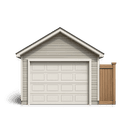
Detached structures on your property, such as a fence, shed, detached garage, or gazebo. Usually set at about 10 percent of your dwelling limit [2].

Personal Property
Your belongings, furniture, clothing, electronics, and appliances, generally written at 50 to 70 percent of your dwelling limit [2]. High-value items like jewelry and art carry special limits.

Additional Living Expenses
Also called loss of use. Pays your added living costs, hotel stays, meals, and a temporary rental, while a covered loss makes your home uninhabitable. Usually set at about 20 percent of your dwelling limit.

Liability
Covers you if someone is injured on your property, or you damage someone else's property, and you are found responsible. The standard $100,000 limit [2] is often raised to $300,000 or $500,000.

Medical Payments
Pays small medical bills, commonly $1,000 to $5,000, if a guest is hurt at your home regardless of fault, without a formal liability claim.
Homeowners Insurance Cost in Portland
Average Cost in Maine
$70 - $160
per month
In Maine, homeowners insurance premiums typically run $70 - $160 per month, which tends to run 36% below the national range of $110 - $250 per month.
- Home replacement cost, age, and construction type
- Roof age, material, and condition
- ZIP code and local weather risk (wind, hail, wildfire, hurricane)
- Coverage limits and endorsements
- All-peril and percentage wind/hail deductibles
- Claims history and insurance score where allowed
Typical range for many standard homeowners profiles; lower-risk homes fall below it and coastal, wildfire, or older-roof homes can run well above. Final pricing depends on property details, location, underwriting, and selected coverage.
Prices shown are general estimates, not guaranteed rates or quotes. Your actual premium will depend on the insurer, coverage selected, personal details, location, claims history, and other underwriting factors. Learn about our pricing methodology.
For Maine homeowners, pricing sits close to the national average rather than far above it. The average premium is $70 to $160 per month, while the broader state average is $98 compared with a national average of $165, which means Maine is generally competitive. The state premium index is 96, meaning coverage costs roughly 4 percent below the national baseline. For you, that means comparable coverage in Maine tends to cost slightly less than in many other states, so most shoppers can find reasonably priced options. Coverage limits and deductibles are major drivers, along with claims history, location, risk profile, and policy endorsements. In Maine, location can matter more than many buyers expect because Nor'easters and winter storms are high-rated hazards, and coastal erosion and flooding also influence underwriting in some areas. The dwelling coverage also reflects the state's median home value of $298,000 and average dwelling coverage of $238,400. The gap between those two numbers matters because it shows that many Maine homeowners are insuring the structure for less than the property's market value, which is the right approach since land does not need to be insured but the structure itself must be fully covered for rebuilding. To get an accurate quote, it helps to compare dwelling limit, deductible, roof age, endorsements, and whether the policy includes replacement cost or actual cash value for belongings.
What Makes Portland Different
Home value concentration is what changes the calculus here. Portland's median home value is $452,600, so the main buying mistake is not usually whether you carry a policy at all, but whether the dwelling limit and related sublimits still line up with the cost to repair your specific home after a serious loss. In a city with older housing, renovations, and neighborhood-by-neighborhood variation, two homes with similar sale prices can need very different insurance structures. One may need stronger ordinance or law protection because of age and construction details. Another may need more personal property room because the household has upgraded furnishings, electronics, or tools over time. That is another reason to review contents and liability choices instead of treating the policy as a fixed commodity. The useful question is not, "Do I have homeowners coverage?" It is, "If this house takes a major loss, do these limits still match how I live and what it would take to rebuild?"
Our Recommendation for Portland
Start with the declaration page, then test every major limit against the house as it stands today. If you renovated a kitchen, finished space over the garage, replaced the roof, or added higher end flooring or built-ins, ask for a fresh replacement cost estimate instead of assuming last year's figure is still adequate. For older homes, review ordinance or law coverage and ask how the insurer handles materials that are harder to match after a partial loss. If your lot, basement, or drainage setup makes water backup a concern, ask whether that protection is included or optional. Liability deserves a separate look if you host often, rent part of the home occasionally where allowed, or have features that increase guest exposure. Keep the conversation practical: what changed at the property, what changed inside it, and what claim scenarios would create the biggest out of pocket gap. Then compare quotes on limits and endorsements, not just premium.
Get Homeowners Insurance in Portland
Enter your ZIP code to compare homeowners insurance rates from carriers in Portland, ME.
Home insurance starting at $50/mo
FAQ
Frequently Asked Questions
Portland homes often justify a closer limit review because the city's median home value is $452,600. That does not set your premium by itself, but it is a strong signal to verify replacement cost assumptions, upgrades, and code-related rebuilding needs.
Portland households often justify a fresh look at personal property limits after furnishing upgrades, electronics purchases, or home office additions. The practical move is updating your inventory before renewal, then checking whether sublimits still fit.
Portland buyers of older homes should ask how the policy handles roof age, wiring, plaster, masonry, and ordinance or law issues during rebuilding. Those details can matter more than a small premium difference if a claim triggers code-related repairs.
Portland homeowners should not assume market value and rebuild cost are the same number. Sale price reflects land, location, and demand, while insurance should be reviewed around the cost to repair or reconstruct the dwelling under your policy terms.
Portland owners should get fresh quotes after renovations, a home purchase, major contents upgrades, or any change in occupancy or use. A new comparison is most useful when you can line up dwelling limits, deductibles, and endorsements side by side.
Most policies in Maine include dwelling coverage, personal property coverage, liability coverage, additional living expenses coverage, other structures coverage, and medical payments coverage. The exact terms depend on the carrier and endorsements you select.
Monthly cost depends on home details, deductibles, and location. Maine's average premium runs $70 to $160 per month, which is below the national average of $165, so most shoppers can find competitive pricing.
The state does not legally require it for an owned-outright home, but many owners still buy it for property coverage, liability protection, and additional living expenses if a covered loss makes the home unusable.
Sources
- 1.U.S. Census Bureau, ACS 5-Year Estimates, table B25077(Portland median home value)
- 2.U.S. Census Bureau, ACS 5-Year Estimates, table B19013(Portland median household income)
Updated July 5, 2026