Updated July 5, 2026

Builders Risk Insurance in Baltimore
Baltimore city, the county containing Baltimore, has 12,365 business establishments, so owners, lenders, and landlords often expect a construction team to show organized insurance documents before materials are staged or a draw is released. That matters for builders risk insurance in Baltimore because many projects here are not isolated greenfield jobs. They are tenant build-outs, renovations, and property improvements that sit close to neighboring businesses, active sidewalks, and occupied spaces that keep operating while work moves forward. In that setting, a vague application slows things down. You usually get a cleaner review by presenting the project address, construction type, renovation scope, temporary storage plans, security details, and the parties that need to be recognized from the start. Local buyers also tend to compare insurance requests against the economics of the property itself, not just the construction budget. With a median home value of $219,300, even smaller residential jobs can involve enough property value that owners want the covered property, soft costs if needed, and completion timing reviewed carefully before work begins.
Builders Risk Insurance Risk Factors in Baltimore
Local project density is the risk factor that changes the conversation most. Many jobs here happen on existing structures, attached buildings, or occupied properties, where materials may be delivered into tight footprints and work can affect neighboring tenants or operations if a loss interrupts the schedule. That does not automatically change every builders risk form, but it does change what you should ask to review. For a rowhouse renovation, infill build, or commercial interior project, confirm how the policy treats **existing structure exposure**, temporary works, theft-sensitive materials, and property in transit or at another storage location if staging space is limited. If the site stays partially occupied, ask how the carrier wants that described during underwriting. The more precisely you explain access, storage, security, and phasing, the easier it is to judge whether the policy design fits the way the job will actually unfold.
Maryland has a moderate climate risk rating. Top hazards: Hurricane (High), Flooding (High), Severe Storm (Moderate), Winter Storm (Moderate). The state's expected annual loss from natural hazards is $680M, which influences builders risk insurance premiums and may affect coverage availability in high-risk areas.
What Builders Risk Insurance Covers
In Maryland, the useful question is which property on this specific job needs to be scheduled, valued, and documented so a loss does not stall the project or disrupt financing. On a ground-up build, that usually means reviewing the structure as it rises, temporary works that support the job, and materials that are intended to become part of the finished project. On an addition or major renovation, you also need to separate what is existing property, what is new work, and which party is responsible for each category under the contract.
That distinction matters on Maryland projects where occupied buildings stay in service during phased work. If tenants, staff, or operations remain on site, you should ask where your policy stops and where the property policy for the existing structure begins. If materials are stored off site, in transit, or delivered in stages to a tight urban or infill location, request a clear review of how those exposures are treated and whether sublimits or conditions apply.
You should also look closely at soft-cost and delay-related exposures if your financing, lease-up, or opening date depends on the construction schedule. A weather event, theft, or jobsite fire can create more than direct physical damage. It may also affect interest carry, extra professional fees, and the timing of downstream obligations. The right next step is to compare the contract requirements against the covered property definitions, exclusions, valuation method, and any endorsements tied to installation, renovation, or phased occupancy.
Coverage Included

Structure Coverage
Covers the building or structure under construction.

Materials on Site
Covers building materials stored at the construction site.

Materials in Transit
Covers materials being transported to the job site.
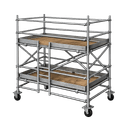
Temporary Structures
Covers scaffolding, fencing, and temporary buildings.

Soft Costs
Covers additional expenses from construction delays due to covered losses.

Equipment Coverage
Covers permanently installed fixtures and equipment.
Industries & Insurance Needs in Baltimore
The county business mix around Baltimore changes who may be reviewing your insurance package before work starts. Retail trade and health care and social assistance each account for 13.3% of establishments, and professional, scientific, and technical services account for 13.1%, so a large share of local projects involve occupied commercial space, client-facing interiors, offices, clinics, and service locations that cannot stay disrupted for long. For a builders risk buyer, that usually means the insurance conversation is less about a generic construction form and more about project logistics. You may need to show how materials are secured, how the work is phased around ongoing operations, and whether the policy should be reviewed for delay-sensitive exposures tied to reopening, tenant turnover, or professional occupancy. If your job touches an operating business, bring the construction schedule and occupancy details into the quote request early.
What Makes Baltimore Different
Density is what changes the calculus here. In many Baltimore projects, the insurance question is not just whether the work is covered during construction. It is whether the policy setup matches a site that shares walls, sits near active storefronts, or stays intertwined with occupied space while the job progresses. That affects how you should present the risk. A straightforward new build on a clear site can often be described in broad strokes. A local renovation or infill project usually cannot. Underwriters need a sharper picture of existing structure values, where materials are stored before installation, how access is controlled, and whether any part of the property remains in use. The practical takeaway is simple: treat the submission like a project memo, not a one-line request for a certificate. If the job has phasing, partial occupancy, or off-site storage, say so up front and ask for those details to be reviewed before binding.
Our Recommendation for Baltimore
Start with the property facts, then build outward. If the project is residential, compare the planned completed value against local property economics instead of assuming a small renovation needs a minimal review. Baltimore's median household income is $59,623, so owners and investors often watch carrying costs and draw timing closely when a project runs long or a loss interrupts completion. That makes it worth asking whether the policy should be reviewed for soft cost needs, extended completion timing, or other time-sensitive exposures tied to financing and reopening plans. For commercial work, submit the occupancy type, whether the space stays open during construction, and where high-value materials will be kept before installation. For any renovation, ask specifically how existing structure exposure is handled, because that point can change the usefulness of the policy more than a small price difference. Before you request a quote, gather the schedule, budget, site security plan, and named interests so the review is based on the real job.
Get Builders Risk Insurance in Baltimore
Enter your ZIP code to compare builders risk insurance rates from carriers in Baltimore, MD.
Business insurance starting at $25/mo
FAQ
Frequently Asked Questions
Baltimore rowhouse projects should start by asking how the policy treats existing structure exposure, attached construction, and materials stored away from the site. Those details matter more here than a generic form description because many jobs involve renovation rather than stand-alone new construction.
Baltimore city, the county containing Baltimore, has 12,365 business establishments, so insurance requests often get reviewed alongside lender, landlord, or owner documentation expectations. A complete submission with occupancy, storage, and phasing details usually moves more cleanly than a bare project summary.
Baltimore commercial interiors often sit inside operating businesses, so the underwriting review should describe partial occupancy, access control, and how work is phased. That helps you judge whether the policy design fits a site that stays active while construction continues.
Baltimore has a median home value of $219,300, so even smaller residential projects can involve meaningful property value relative to the work itself. Review completed value, existing structure exposure, and timing assumptions before choosing limits or optional features.
Baltimore city's leading establishment shares are retail trade 13.3%, health care and social assistance 13.3%, and professional, scientific, and technical services 13.1%. That mix points to more tenant improvements and occupied-space work, where phasing and reopening timelines deserve early attention.
In Maryland, the contract usually decides who buys builders risk, often the owner or general contractor. Review the insurance section first, then confirm the policy names every party with a financial interest in the work before the job starts.
Maryland projects with construction financing usually need the policy to match lender wording, values, and timing. If the quote does not align with the loan documents, funding or closing can be delayed while endorsements are revised.
Maryland renovation jobs work best when you separate existing property from new construction in the submission. That helps the carrier evaluate the actual exposure and reduces confusion about which policy responds if damage affects occupied portions of the building.
Sources
- 1.U.S. Census Bureau, County Business Patterns, Baltimore city(Baltimore city, the county containing Baltimore, has 12,365 business establishments.; Retail trade and health care and social assistance each account for 13.3% of establishments, and professional, scientific, and technical services account for 13.1%.)
- 2.U.S. Census Bureau, ACS 5-Year Estimates, table B25077(Baltimore has a median home value of $219,300.)
- 3.U.S. Census Bureau, ACS 5-Year Estimates, table B19013(Baltimore's median household income is $59,623.)
Updated July 5, 2026