







































Updated July 10, 2026

Oil Change Station Insurance in Maryland
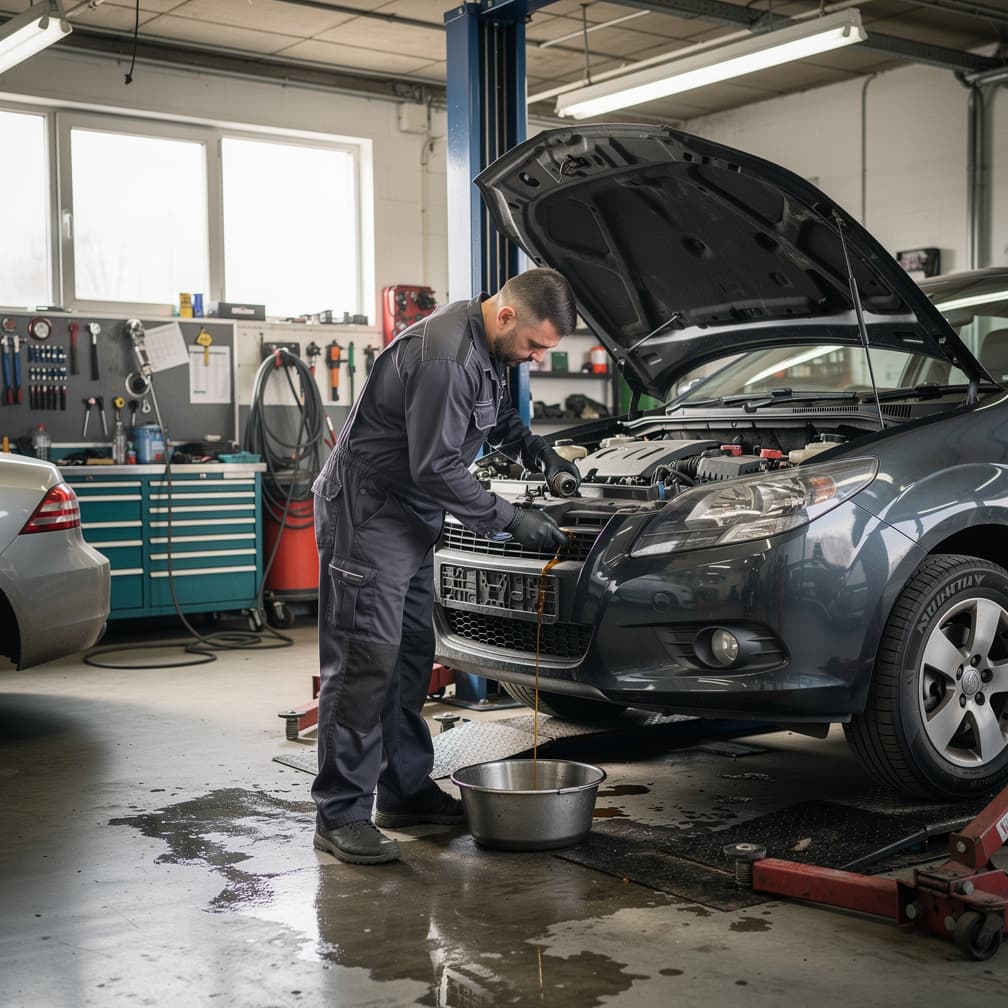
An oil change shop in Maryland faces a mix of service-bay hazards, weather exposure, and lease requirements that can change what you need to show before you can open or renew coverage. A Maryland location may need protection for property damage, slip and fall claims, customer injury, and business interruption if a hurricane, flooding event, or severe storm slows operations. If your team handles lifts, drains, filters, fluids, and customer vehicles in tight bays, the insurance conversation should also account for equipment, inventory, and third-party claims that can happen during everyday service work. Add in Maryland’s requirement for workers’ compensation when you have 1 or more employees, plus proof of general liability coverage for most commercial leases, and the quote process becomes more than a price check. This oil change station insurance quote page is built to help Maryland quick lube owners gather the right details, compare coverage options, and request a quote with the local realities of Annapolis, Baltimore, Frederick, Rockville, and Salisbury in mind.
Climate Risk Profile
Natural Disaster Risk in Maryland
Understanding climate-related risks helps determine appropriate insurance coverage levels.
Hurricane
High
Flooding
High
Severe Storm
Moderate
Winter Storm
Moderate
Expected Annual Loss from Natural Hazards
$680M
estimated economic loss per year across Maryland
Source: FEMA National Risk Index
Risk Factors for Oil Change Station Businesses in Maryland
- Maryland hurricane risk can interrupt oil change station operations and lead to property damage, building damage, and business interruption.
- Maryland flooding risk can affect bays, inventory, equipment, and property coverage needs for quick lube locations.
- Severe storm and winter storm exposure in Maryland can raise the chance of vandalism, storm damage, and temporary closure after a loss.
- Vehicle damage claims in Maryland can arise from improper oil changes, including wrong grade, a missing drain plug, or overfill.
- Slip and fall and customer injury claims can be more likely around service bays, wet floors, and customer walk areas in Maryland shops.
How Maryland compares with the national baseline
Property crime per 100,000 residents
2,280 vs 2,200 baseline
Property crime in Maryland runs above the national average, at 2,280 vs 2,200 incidents per 100,000 residents.
Blue bar: Maryland. Gray line: national baseline.
How Much Does Oil Change Station Insurance Cost in Maryland?
Oil Change Station Insurance is a bundle of separate policies, priced separately. The ranges below are typical figures for Maryland for each line, except workers compensation, which is rated per $100 of payroll; a quote prices each one against your own operations.
| Coverage | Typical range | What moves your price |
|---|---|---|
| General Liability Insurance | $100 - $330 per month | Industry and risk classification, annual revenue, number of employees |
| Commercial Property Insurance | $110 - $390 per month | Building value and construction type, roof age and condition, fire protection class |
| Workers Compensation Insurance | $0.75 - $2.74 per $100 of payroll | Employee classification codes, total annual payroll, experience modification rate |
| Business Owners Policy Insurance | $140 - $450 per month | Annual revenue and industry class, building and contents values, square footage and building age |
Prices shown are general estimates, not guaranteed rates or quotes. Your actual premium will depend on the insurer, coverage selected, business details, location, claims history, and other underwriting factors. Learn about our pricing methodology.
What Maryland Requires for Oil Change Station Insurance
Non-compliance can result in fines, loss of contracts, and personal liability:
- Workers' compensation is required in Maryland for businesses with 1 or more employees, with exemptions for sole proprietors, partners, and corporate officers.
- Maryland commercial auto minimum liability is $30,000/$60,000/$15,000 if your quick lube operation uses covered vehicles.
- Most commercial leases in Maryland require proof of general liability coverage, which can matter when renting a bay or standalone shop space.
- Oil change stations should be ready to show policy details for liability coverage, property coverage, and bundled coverage when a landlord, lender, or contract asks for them.
- Coverage choices should be matched to equipment, inventory, and customer vehicle exposure before you request a quote for oil change station insurance in Maryland.
| Requirement | What Maryland law says |
|---|---|
| Auto liability minimums | $30,000/$60,000/$15,000 (bodily injury per person / per accident / property damage). These floors apply to personal and business vehicles alike; lenders and contracts often require more. |
| Workers compensation | Generally required once you have your first employee. Some roles are exempt, so confirm current thresholds before you hire. |
| Where to verify | Maryland Insurance Administration publishes current requirements, consumer guides, and license lookups. |
Get Your Oil Change Station Insurance Quote in Maryland
Compare rates from multiple carriers. Free quotes, no obligation.
Common Claims for Oil Change Station Businesses in Maryland
A customer slips on a wet service-bay floor in a Maryland shop and files a customer injury claim tied to slip and fall conditions.
A storm or flooding event in Maryland damages the bay area, inventory, or equipment and disrupts business interruption at the location.
A vehicle is damaged after an oil change mistake, such as the wrong grade, a missing drain plug, or overfill, leading to a third-party claim.
Preparing for Your Oil Change Station Insurance Quote in Maryland
Your Maryland business address, whether you are in Annapolis or another location, plus details on single-site or multiple quick-lube locations.
Payroll, employee count, and job duties so workers' compensation for quick lube shops can be quoted correctly.
A list of equipment, inventory, lifts, bays, and customer vehicle handling procedures to support oil change station coverage.
Lease requirements, prior claims, and any need for bundled coverage, garage liability insurance for oil change shops in Maryland, or vehicle damage coverage for oil change stations.
Coverage Considerations in Maryland
- General liability insurance for third-party claims involving bodily injury, property damage, advertising injury, and legal defense.
- Commercial property insurance for building damage, fire risk, theft, storm damage, vandalism, equipment, and inventory.
- Workers' compensation for quick lube shops to address workplace injury, occupational illness, medical costs, lost wages, rehabilitation, and OSHA-related needs.
- A business owners policy or bundled coverage approach if you want property coverage and liability coverage organized for a small business location.
What Happens Without Proper Coverage?
The biggest reason to review oil change station insurance carefully is that your shop handles other people's property in a fast moving environment. A customer vehicle enters your premises, your team directs it into position, and service begins around lifts, tools, and fluids. If the vehicle is damaged during that process, if a customer alleges negligent service, or if someone is injured near the bay, the claim can move beyond a minor inconvenience very quickly. Strong liability review matters because these losses often involve both repair costs and third party allegations.
Property exposure is just as practical. Your business depends on a functioning location, not just a business license and a sign. If storm damage, vandalism, theft, or an internal incident affects the building, service bays, inventory, or essential equipment, you may lose the ability to keep cars moving. That is where commercial property insurance and business interruption considerations become part of the buying decision. The issue is not only replacing damaged property, but also whether you can keep rent and other fixed expenses under control while operations are paused.
Contractual pressure also drives the need for coverage. Landlords, lenders, and some vendor relationships may expect proof of insurance before a lease is finalized, a loan closes, or a service agreement moves forward. If you are opening a new location, renewing a lease, or expanding into a larger shop, insurance often becomes part of the transaction, not an afterthought.
This is also why environmental liability questions come up so often for oil change stations. Used oil and related fluids create a cleanup concern that many owners do not want to leave to assumption. If your operation stores, transfers, or disposes of these materials on site, ask directly how spill-related scenarios are handled and whether you need broader protection reviewed before binding coverage.
Recommended Coverage for Oil Change Station Businesses
Based on the risks and requirements above, oil change station businesses need these coverage types in Maryland:

General Liability
Essential coverage for every business, protect against third-party bodily injury, property damage, and advertising claims.

Commercial Property
Safeguard your business property, equipment, and inventory against damage and loss.

Workers Compensation
Help cover your employees' medical expenses and lost wages for work-related injuries and illnesses.

Business Owners Policy
Bundle property and liability coverage into one convenient, cost-effective policy for small businesses.
Oil Change Station Insurance by City in Maryland
Insurance needs and pricing for oil change station businesses can vary across Maryland. Find coverage information for your city:
Insurance Tips for Oil Change Station Owners
Map the full vehicle path from entrance to exit before quoting, because who guides, parks, and moves customer cars affects your liability review.
Separate building coverage from business personal property in your notes so the quote reflects bays, lifts, tools, stock, signage, and tenant improvements accurately.
Ask how the policy treats customer slip and fall claims near service areas, especially where oil residue, wet floors, or tight walkways are part of daily operations.
Review workers compensation insurance using actual job duties, because technicians, service writers, and managers do not all create the same injury exposure.
If you lease your location, compare your lease insurance requirements against the quote before binding so property, liability, and additional insured requests line up.
Raise environmental liability questions early if you store or handle used oil on site, rather than assuming standard liability terms address spill cleanup issues.
List the equipment that would stop operations if it failed, then review whether property and business interruption terms match that shutdown risk realistically.
FAQ
Frequently Asked Questions About Oil Change Station Insurance in Maryland
Most Maryland quick lube owners start with general liability insurance, commercial property insurance, workers' compensation if they have 1 or more employees, and often a business owners policy for bundled coverage. Depending on how you operate, you may also want vehicle damage coverage for oil change stations and protection for equipment and inventory.
The average premium shown for this state is $91 to $363 per month, but the actual oil change station insurance cost in Maryland varies by location, payroll, equipment, lease terms, claims history, and whether you need more than one coverage line.
Maryland requires workers' compensation for businesses with 1 or more employees, and commercial auto minimums are $30,000/$60,000/$15,000 if covered vehicles are part of the operation. Many commercial leases also ask for proof of general liability coverage, so those details can affect your quick lube insurance requirements in Maryland.
The inputs do not show a mandated environmental form, but you can ask about environmental liability coverage for oil change stations when you request a quote for oil change station insurance in Maryland. That conversation is especially relevant if your shop stores fluids, handles disposal, or has spill exposure.
Compare liability coverage, property coverage, limits, deductibles, endorsements, and whether the quote addresses customer vehicle damage, storm damage, equipment breakdown, and workers' compensation for quick lube shops. If you operate more than one location, ask how the policy handles each site separately.
Most owners pair general liability, commercial property, and workers compensation, then compare a business owners policy if a packaged structure fits. The mix turns on whether you own the building, move customer vehicles, store fluids, and rely on specialized service equipment.
Damage to customer vehicles is one of the exposures the quote conversation has to nail down, because claims can arise from vehicle movement, service errors, or incidents in the bay. Raise the scenario directly with each insurer rather than assuming standard liability terms answer it.
Raise environmental liability early if you store or handle used oil and related fluids on site. A small spill can lead to cleanup costs and third party allegations, so ask how contamination and spill scenarios are treated before you bind coverage.
Updated March 31, 2026