
Updated July 16, 2026

Builders Risk Insurance in Frederick
Projects in Frederick range from downtown rehabs to infill residential work and tenant improvements for professional offices and medical users. That mix changes how you review stored materials, temporary structures, and the point when your policy should attach, especially if deliveries arrive before full site mobilization or if work starts in an occupied building. Your policy should reflect how your job actually runs, whether you are renovating an older house, building for a higher value resale market, or improving space for a landlord who wants evidence of property coverage before the first draw.
The local housing and buyer profiles both push toward higher project values. Frederick's median home value is $365,200, and that price point means even a modest renovation can involve enough cabinetry, flooring, and fixtures to outpace an early budget if pricing shifts. Median household income is $95,150, so owners here often choose upgraded finishes and custom fixtures as work progresses rather than locking every spec upfront. Your review should account for those value increases before materials land on site. Bring your schedule of values, construction timeline, and any lender or lease requirements into the quote request so the policy can be matched to the job instead of guessed from a generic application.
Builders Risk Insurance Risk Factors in Frederick
Frederick's top risk factors include Flooding, Hurricane damage, Coastal storm surge, and Wind damage.
Maryland has a moderate climate risk rating. Top hazards: Hurricane (High), Flooding (High), Severe Storm (Moderate), Winter Storm (Moderate). The state's expected annual loss from natural hazards is $680M, which influences builders risk insurance premiums and may affect coverage availability in high-risk areas.
What Builders Risk Insurance Covers
In Maryland, the useful question is which property on this specific job needs to be scheduled, valued, and documented so a loss does not stall the project or disrupt financing. On a ground-up build, that usually means reviewing the structure as it rises, temporary works that support the job, and materials that are intended to become part of the finished project. On an addition or major renovation, you also need to separate what is existing property, what is new work, and which party is responsible for each category under the contract.
That distinction matters on Maryland projects where occupied buildings stay in service during phased work. If tenants, staff, or operations remain on site, you should ask where your policy stops and where the property policy for the existing structure begins. If materials are stored off site, in transit, or delivered in stages to a tight urban or infill location, request a clear review of how those exposures are treated and whether sublimits or conditions apply.
You should also look closely at soft-cost and delay-related exposures if your financing, lease-up, or opening date depends on the construction schedule. A weather event, theft, or jobsite fire can create more than direct physical damage. It may also affect interest carry, extra professional fees, and the timing of downstream obligations. The right next step is to compare the contract requirements against the covered property definitions, exclusions, valuation method, and any endorsements tied to installation, renovation, or phased occupancy.
Coverage Included

Structure Coverage
Covers the building or structure under construction.

Materials on Site
Covers building materials stored at the construction site.

Materials in Transit
Covers materials being transported to the job site.
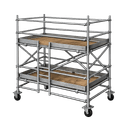
Temporary Structures
Covers scaffolding, fencing, and temporary buildings.

Soft Costs
Covers additional expenses from construction delays due to covered losses.

Equipment Coverage
Covers permanently installed fixtures and equipment.
Industries & Insurance Needs in Frederick
County business mix is the practical signal here. Frederick County has 6,468 business establishments, and its largest establishment shares include professional, scientific, and technical services at 14.7%, construction at 14%, and health care and social assistance at 11.7%. That mix points to a steady stream of office build-outs, medical space improvements, and contractor-led renovation work, so builders risk questions often turn on occupied premises, phased work, and materials delivered to sites with ongoing operations.
If your project serves a landlord, clinic, office user, or mixed commercial tenant, ask for the quote to reflect how the work is sequenced, whether the building stays partially occupied, and who is responsible for existing structures versus new work. If your job is residential, use the same discipline for remodels and additions where owners keep living in the home. The county data does not set a rate by itself, but it does tell you the common project types here, and those project types change what should be scheduled, excluded, or endorsed before construction starts.
What Makes Frederick Different
The main local difference comes down to existing-structure and finish-value exposure. Because many jobs here involve renovations, additions, and interior improvements rather than a clean ground-up build, the coverage review cannot stop at the new work alone. You need to sort out what property is part of the project, what remains the owner's existing building, when materials become covered property, and whether higher-end selections or late change orders push values above the original estimate.
Renovation and tenant-improvement jobs make that issue sharper. Even a modest residential project can involve cabinets, flooring, fixtures, or appliances that raise the completed value faster than the first budget suggests. On commercial jobs, the same problem shows up in tenant improvements with specialized finishes or equipment-sensitive spaces. Review completed value, existing structure treatment, and any soft cost needs before the first delivery, then update the policy if the scope or finish schedule changes.
Our Recommendation for Frederick
Start your quote request with the job type, not just the address. Say whether this is a downtown renovation, an addition to an occupied home, a tenant improvement, or a ground-up build, because each one changes how underwriters look at existing structures, security, and valuation. If the owner is selecting finishes as work progresses, build in a process to revisit completed value before major materials are ordered.
Residential and commercial jobs each need their own approach to valuation. On residential work, compare the construction budget against the likely finished value, not just the initial contract amount. On commercial work, separate landlord property, tenant improvements, and contractor-installed materials so there is less confusion after a loss. If the site will be partially occupied, say that early and ask how that affects the form being quoted. Keep copies of the schedule of values, draw schedule, and any lease or lender insurance requirements together, then request a free, no-obligation quote with those documents attached.
Get Builders Risk Insurance in Frederick
Enter your ZIP code to compare builders risk insurance rates from carriers in Frederick, MD.
Business insurance starting at $25/mo
FAQ
Frequently Asked Questions
Renovation projects here usually need closer review of existing structures, occupied premises, and value changes during the job. Frederick's median home value is $365,200, and at that level a mid-range remodel can carry enough finish value that an early estimate falls short if the owner upgrades materials after binding.
Home remodels often involve higher-value finish selections during construction. Median household income is $95,150, which gives owners room to choose better materials as the job progresses and push completed value past the original budget before anyone updates the policy.
Commercial projects should be described by occupancy, phasing, and who owns which property. The county has 6,468 business establishments, so office, medical, and contractor-driven improvements come up often enough that underwriters expect careful treatment of existing building versus new work.
The local business mix does shape the conversation. Professional, scientific, and technical services make up 14.7% of establishments, construction is 14%, and health care and social assistance is 11.7%, so a large share of local tenant-improvement work involves office or medical interiors where occupancy and sequencing drive the coverage questions.
In Maryland, the contract usually decides who buys builders risk, often the owner or general contractor. Review the insurance section first, then confirm the policy names every party with a financial interest in the work before the job starts.
Maryland projects with construction financing usually need the policy to match lender wording, values, and timing. If the quote does not align with the loan documents, funding or closing can be delayed while endorsements are revised.
Maryland renovation jobs work best when you separate existing property from new construction in the submission. That helps the carrier evaluate the actual exposure and reduces confusion about which policy responds if damage affects occupied portions of the building.
Maryland builders risk should be reviewed as soon as the completion date moves. If the term, values, or occupancy assumptions change, ask for an endorsement review before the original policy structure no longer matches the job.
Sources
- 1.U.S. Census Bureau, ACS 5-Year Estimates, table B25077(Frederick’s median home value is $365,200.)
- 2.U.S. Census Bureau, ACS 5-Year Estimates, table B19013(Median household income is $95,150.)
- 3.U.S. Census Bureau, County Business Patterns, Frederick County(Frederick County has 6,468 business establishments.; The county’s largest establishment shares include professional, scientific, and technical services at 14.7%, construction at 14%, and health care and social assistance at 11.7%.)
Updated July 16, 2026