Updated July 16, 2026

Key Takeaways
- Review your construction contract before requesting a quote, so the named insureds and insurance responsibility match the job documents.
- Prepare the project budget, timeline, address, and scope summary before applying, so the quote reflects the work actually being built.
- Check whether the policy addresses on-site materials, transit, temporary structures, and soft costs before the first delivery arrives.
- Compare the policy term against your realistic completion schedule, then ask about extension options before the original term gets close to expiring.
- Map builders risk against your liability, installation, and equipment policies, so you avoid both coverage gaps and overlapping property insurance.
Builders Risk Insurance in Massachusetts
The gap that catches many buyers is not the building frame itself but everything around the job that can sit outside the policy unless you ask for it clearly. On a Massachusetts project, that matters because a single wind-driven rain event can ruin custom materials before they are ever installed. Older building stock also creates a very different risk profile than a ground-up build, which is why the quote should follow the actual job sequence, the storage plan, and the contract language rather than just the address and completed value.
If your project includes owner-supplied materials, temporary storage, phased turnover, or partial occupancy, review those details early. The same is true if lenders, owners, and general contractors each expect a different insurance structure. A practical next step is to line up your construction contract, project budget, draw schedule, and site logistics notes before you seek quotes.
What Builders Risk Insurance Covers
Massachusetts projects often turn on where property is located at the moment a loss happens. Materials may move from a supplier yard to temporary storage, then to the site, and finally into the structure in stages. If your job depends on long-lead items, custom windows, mechanical equipment, finish materials, or owner-furnished products, ask how each category is treated before installation and after delivery. That review matters more on projects with tight urban staging, limited laydown space, or renovation work where materials arrive in smaller batches.
You also want the policy reviewed against the way the job is actually built. A coastal build, a multifamily renovation, and an interior fit-out in an occupied property can present very different exposures even if the completed values look similar. Water intrusion, theft of stored materials, damage during transit, and loss tied to temporary protection measures should be discussed in plain language with the quoting team. If the project uses scaffolding, temporary enclosures, or specialty equipment that is critical to keeping the schedule moving, ask whether those items belong in the builders risk conversation or under another policy.
For renovations, the line between existing structure and new work deserves special attention. If a loss starts in the work area and affects undisturbed portions of the building, you need to know how the policy responds. You should understand what property is actually scheduled and whether soft-cost or delay-related options are worth reviewing. The practical move is to mark up the site plan and scope of work, then match each exposure to the policy wording.

Structure Coverage
Covers the building or structure under construction.

Materials on Site
Covers building materials stored at the construction site.

Materials in Transit
Covers materials being transported to the job site.
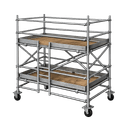
Temporary Structures
Covers scaffolding, fencing, and temporary buildings.

Soft Costs
Covers additional expenses from construction delays due to covered losses.

Equipment Coverage
Covers permanently installed fixtures and equipment.
Builders Risk Insurance Requirements in Massachusetts
- Massachusetts coastal and weather-sensitive projects should document how materials are stored, wrapped, elevated, and inspected before storms, because site protection details can affect both underwriting and claim handling.
- Renovation work in older buildings often needs a sharper review of existing structure versus new work, especially where a loss could spread beyond the immediate construction area.
- Urban jobs with limited laydown space should address temporary storage and delivery sequencing early, since property may be exposed at several locations before installation.
- Occupied-building projects should be reviewed for phased turnover and partial occupancy issues, so the policy term and covered property description track the real construction sequence.
How Much Does Builders Risk Insurance Cost in Massachusetts?
For a Massachusetts project, pricing usually moves with underwriting details that show how difficult the job is to place and how severe a loss could become. The completed value still matters, but underwriters also look closely at construction type, renovation versus new construction, project length, security controls, water damage prevention, and whether materials are stored off-site or delivered just in time. A quote for a straightforward shell build can look very different from a quote for a phased renovation in an occupied building where a small loss can interrupt tenants, financing, and the construction schedule.
Location inside Massachusetts also changes the discussion. Coastal exposure, wind concerns, and the practical challenge of protecting materials from weather can all affect how the risk is reviewed. In dense urban areas, limited staging and theft controls may matter more. On a suburban or campus-style project, underwriters may focus more on site fencing, lighting, access control, and how quickly damaged materials can be replaced.
If your project includes historic elements, custom finishes, or imported components, the replacement timeline can influence the quote because delay can magnify the total loss. The cleanest way to get a usable price is to present a complete submission the first time. Include the contract value, total completed value, construction schedule, scope narrative, project address, parties that need to be recognized, and a clear explanation of any temporary storage or owner-supplied materials. If the project will turn over in phases, say that early.
Request a Quote Comparison
Enter your ZIP code to compare builders risk insurance rates from top carriers.
Business insurance starting at $25/mo
Who Needs Builders Risk Insurance?
In Massachusetts, the right buyer is usually the party that carries the financial risk if work in place is damaged before completion. The answer is rarely as simple as naming the owner. On some jobs, the owner is responsible for arranging the policy because lenders or development agreements require centralized control. On others, the general contractor is expected to place coverage that aligns with the construction contract and protects the project through turnover.
The key is to identify who must insure the work, who needs to be recognized on the policy, and who absorbs the loss if there is a gap. That question becomes more important on renovations, condominium work, mixed-use projects, and tenant improvements inside occupied buildings. A landlord may care about the shell and existing structure, while a tenant focuses on improvements and betterments, and the contractor is responsible for materials, temporary works, and the sequence of installation. If those interests are split across multiple agreements, review them together instead of assuming one policy solves every problem.
Lenders, project owners, developers, general contractors, and construction managers often need the same thing for different reasons. If your project has phased occupancy, partial turnover, or owner-purchased equipment, the need for a careful review increases. If a covered loss would delay funding, disrupt a draw, or force someone to pay twice for labor and materials, that party should be part of the builders risk discussion before work starts.
Builders Risk Insurance by City in Massachusetts
Builders Risk Insurance rates and coverage options can vary across Massachusetts. Select your city below for localized information:
How to Buy Builders Risk Insurance
Start a Massachusetts builders risk purchase by collecting the documents that define the job, then compare them for inconsistencies before you ask for quotes. You want the construction contract, lender requirements, project budget, schedule, site address, scope narrative, and any exhibit that lists who must be included or recognized. If one document assumes full completed value and another only references a phase of work, resolve that conflict early. The same applies if the contract is silent on temporary storage, owner-furnished materials, or partial occupancy.
Next, build a submission that explains the project the way an underwriter sees it. Describe the construction type clearly. Note whether the building will remain occupied during construction, whether work is phased, and whether any materials are stored away from the site. If the project sits in a coastal area or has weather-sensitive materials, say how they will be protected. Clear operational detail usually produces a cleaner quote than broad descriptions.
Then review the proposed policy wording against the actual job. Confirm the policy term matches the schedule with enough room for realistic delays. Check how covered property is described, how transit or temporary storage is handled, and whether any endorsements are needed for the parties involved. Keep the final forms, notices, and endorsements together in your project file. Ask for a plain-language confirmation of what is included, what is excluded, and what event would trigger a reporting obligation after a loss. Request a quote through CPK Insurance to compare your options with participating licensed providers.
How to Save on Builders Risk Insurance
Savings on a Massachusetts builders risk policy usually come from reducing uncertainty, not from stripping the policy down until it stops matching the project. If your submission clearly shows the construction type, completed value, schedule, security plan, water controls, and storage arrangements, you give underwriters fewer reasons to assume a worse loss scenario. That can help you compare quotes on real terms instead of paying for avoidable ambiguity.
One practical way to control cost is to tighten the values you submit. Separate installed value, temporary works, owner-furnished materials, and any property that may sit off-site before delivery. If the project is a renovation, explain what is existing structure and what is new work. That helps prevent paying for values that do not belong in the builders risk policy while also reducing the chance of a claim dispute caused by vague property descriptions.
Project discipline also matters. A documented water damage prevention plan, controlled site access, lighting, fencing, and a clear chain of custody for delivered materials can make the risk easier to place. On weather-sensitive Massachusetts jobs, explain how materials are wrapped, elevated, or moved under cover, and who checks the site before storms. If the project will complete in phases, ask whether the policy structure should reflect that rather than forcing one broad assumption across the entire term.
Finally, compare quotes line by line, not just by premium. A lower price can cost more later if it leaves out temporary storage, creates a mismatch on named interests, or ends before realistic completion. The money-saving move is to request revisions while the quote is still negotiable, then bind the version that fits the contract and the build sequence.
Our Recommendation for Massachusetts
For Massachusetts projects, review the job as a logistics problem before you treat it as an insurance purchase. Older buildings, tight sites, coastal exposure, and phased renovations can create claim scenarios that are not obvious from the budget alone. If materials will sit in temporary storage, if the owner is supplying key components, or if occupancy continues during construction, raise those points before the first quote comes back.
Pay special attention to the boundary between existing property and the work you are putting in place. That issue can shape both coverage design and claim handling on renovation jobs. You should also test the policy term against the real schedule, including inspection delays, long-lead materials, and the possibility that turnover happens in stages rather than all at once.
Keep your contract set close at hand while you review quotes, because the policy should support the obligations in those documents rather than contradict them. If a lender, owner, and contractor each use different language for the same requirement, ask for clarification before binding. The strongest buying move is to review covered property, named interests, storage, transit, occupancy status, and the planned completion sequence in one conversation.
FAQ
Frequently Asked Questions
Massachusetts builders risk insurance falls under the Massachusetts Division of Insurance, which means you have a state resource for policy questions and complaint resolution if a dispute arises during your project.
Renovation projects often warrant a closer review because the key issue is how the policy treats new work versus existing structure, especially if the building stays occupied during construction.
Tight sites and phased deliveries can leave materials in temporary storage before installation. Your policy can help cover off-site storage depending on specific terms and forms, so ask for a clear review of where property is covered at each stage.
The right buyer is usually the party that carries the financial risk if work in place is damaged before completion, and that responsibility is typically assigned through the construction contract or lender documents.
Coastal exposure makes weather planning important, but coverage depends on the policy terms, exclusions, and how the project protects materials and work in progress before and after delivery.
Quote comparisons work best when every carrier reviews the same completed value, schedule, storage plan, occupancy status, and named interests. Otherwise, price differences can hide major coverage differences.
Gather the construction contract, lender requirements, project budget, schedule, scope narrative, and any list of parties that must be recognized before requesting quotes.
Builders risk insurance may cover, subject to policy terms, the structure under construction, materials on site, materials in transit, temporary structures, and fixtures or equipment being installed. Depending on the policy, you can also review soft costs and delay-related coverage tied to a covered property loss.
Sources
- 1.Massachusetts Division of Insurance(Massachusetts builders risk insurance falls under the Massachusetts Division of Insurance.)
Updated July 16, 2026