Updated July 16, 2026

Key Takeaways
- Compare quotes using the same peak inventory value, deductible, and valuation assumptions so you can see real coverage differences.
- Ask in writing how the policy handles hail, flood, theft, vandalism, and test drives before you bind coverage.
- Prepare a current inventory schedule, offsite storage list, and security summary before requesting dealer open lot insurance quotes.
- Review whether flood needs separate placement instead of assuming another policy form includes it automatically.
- Requote after security upgrades, lot layout changes, or improved claims history so pricing reflects your current risk.
Dealer Open Lot Insurance in Massachusetts
A coastal storm pushes water across the back row, a winter freeze bursts a pipe near indoor overflow storage, and a theft ring strips catalytic converters from units parked behind the service lane overnight. In Massachusetts, inventory loss is a real exposure, especially if you rotate vehicles between a main lot, overflow space, auction pickups, and short-term storage.
That is why your policy should be reviewed around where your units actually sit, how often they move, and which weather and security exposures change by season. A useful quote is not just about total inventory value. It also depends on whether vehicles are parked near flood-prone pavement, how keys are controlled, whether transport between locations is routine, and how quickly damaged units can be documented after a loss. You should match your policy review to the forms, limits, and documentation your operation may need if a claim hits during a busy sales month.
What Dealer Open Lot Insurance Covers
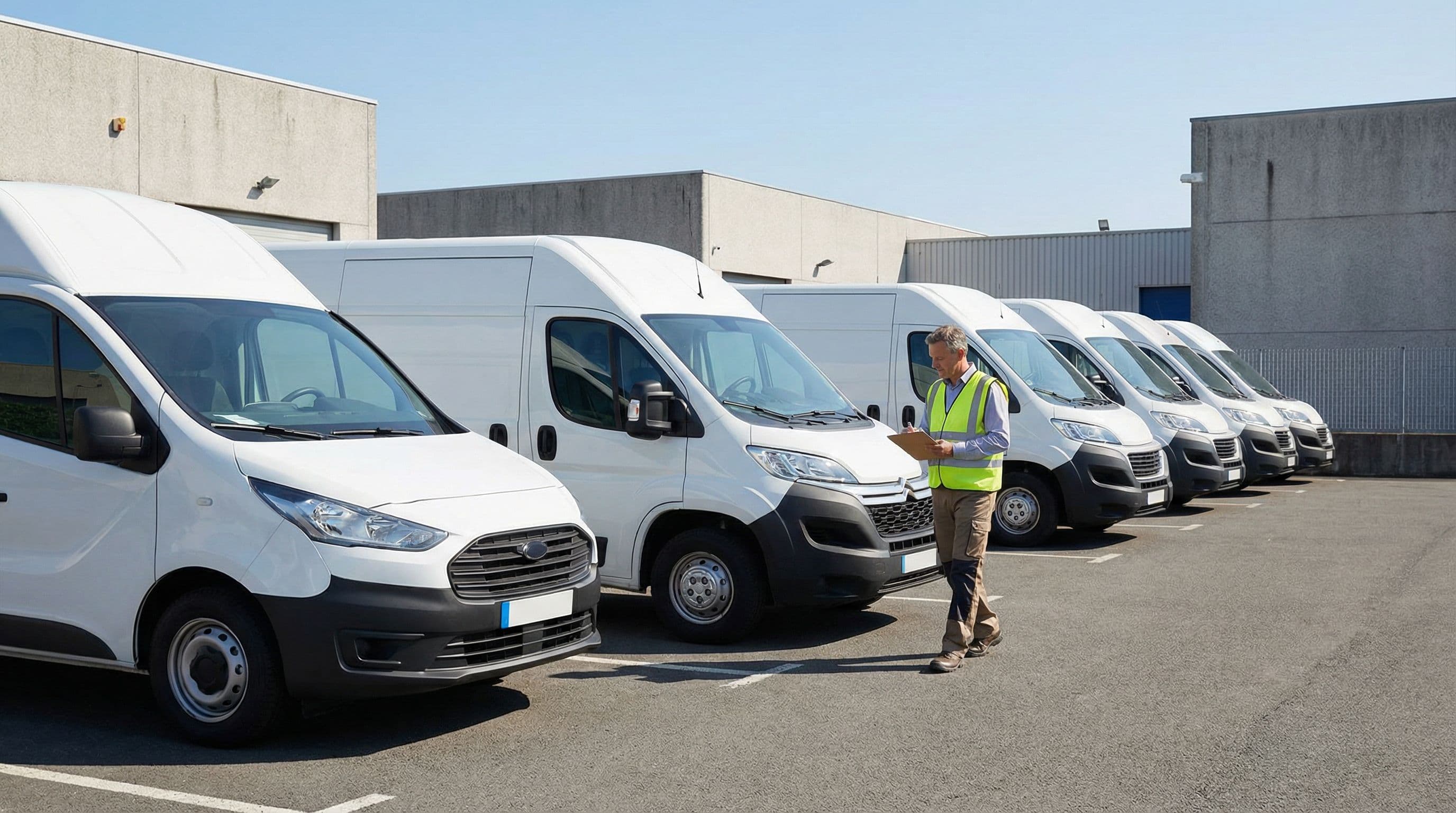
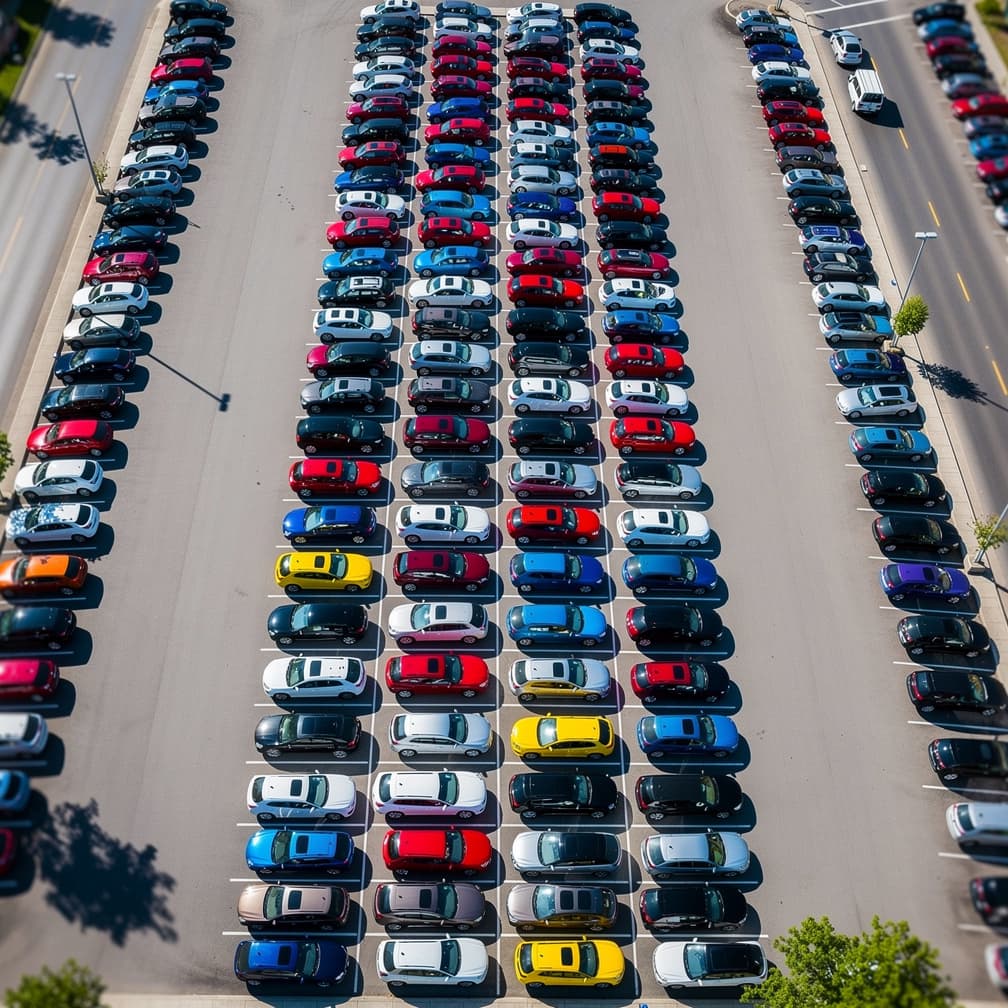
Many dealers keep sale units on a primary lot, shift overflow inventory to a secondary yard, bring vehicles back from auction, or stage units near service before delivery.
For a dealership here, weather exposure deserves a close read because coastal storms, heavy rain, winter ice, and wind can affect outdoor inventory differently from one town to the next. If part of your stock sits on low pavement, near drainage issues, or in an unsecured overflow area, ask how the policy responds to those conditions and what proof of loss the carrier will expect. The same applies if you use temporary storage during snow season or after a busy buying cycle.
You should also review how the policy treats ordinary dealership movement. That may include units being repositioned on the lot, moved between affiliated storage locations, taken to detail, or handled during customer demonstrations. A claim often turns on whether the vehicle was in a covered location, in normal dealership custody, and supported by inventory records that show when it arrived, where it was parked, and who last had the keys.
Your review should focus on key control procedures, camera placement, fencing, lighting, lot layout, and how quickly your team can produce stock numbers, photos, and acquisition records after a loss. Ask for endorsements and exclusions in plain language before you bind coverage, especially if your operation relies on offsite storage or frequent inventory transfers.

Weather Damage
Covers hail, wind, flood, and storm damage to lot inventory.
Theft Protection
Covers vehicles stolen from your lot.
Fire Damage
Covers fire and explosion damage to inventory vehicles.

Vandalism
Covers intentional damage to vehicles on your lot.
Test Drive Coverage
Covers vehicles during customer and employee test drives.

Transit Coverage
Covers vehicles being moved between lot locations.
Dealer Open Lot Insurance Requirements in Massachusetts
- Dealers with coastal or low-lying storage should review how weather-related losses are documented, especially if inventory is concentrated on one paved area.
- If your dealership uses winter overflow space, confirm that temporary indoor or offsite locations are scheduled and described the same way you actually use them.
- Urban lots with tight parking layouts should check whether one fire, theft event, or falling object could damage multiple units within a single row.
- Dealers that buy at auction and move units across the state should review how ordinary transfers, staging, and short-term holding locations are treated under the policy.
How Much Does Dealer Open Lot Insurance Cost in Massachusetts?
In Massachusetts, dealer open lot pricing usually turns on exposure quality more than a simple vehicle count. Underwriters want to know the total value you carry for sale, but they also look at where those units are stored, how concentrated the inventory is, and whether your lot setup makes theft, vandalism, or weather losses easier to control. A compact paved lot with strong lighting, documented key procedures, and limited offsite storage can underwrite differently from a dealer that spreads inventory across multiple unsecured locations.
If your inventory swells after auction buying, tax season demand, or a strong used-vehicle month, your peak values may be much higher than your average values. That can affect how you set limits and whether a reporting form or another structure makes more sense for your operation. If you understate peak inventory, a large loss can become a limit problem at the worst time.
Your quote can also change based on the mix of vehicles you sell. Higher-value units, specialty inventory, older vehicles stored outdoors for longer periods, and inventory that moves often between locations can all change the underwriting conversation. So can prior losses, neighborhood theft patterns, drainage issues, and whether you rely on indoor overflow space during winter weather.
The most useful way to shop is to give the same operational details to each market. Include current inventory values, peak seasonal values, every storage address, security controls, transport routines, and any recent changes to fencing or cameras. Then compare not just premium, but valuation method, location restrictions, deductibles, sublimits, and claim documentation requirements.
Request a Quote Comparison
Enter your ZIP code to compare dealer open lot insurance rates from top carriers.
Business insurance starting at $25/mo
Who Needs Dealer Open Lot Insurance?
In Massachusetts, this coverage deserves attention from any dealer whose sale inventory is exposed before delivery, but the state-specific question is how your units are stored and moved. A small independent dealer with a tight urban lot faces different loss patterns than a suburban operation with overflow inventory behind another building. Both differ from a coastal dealer that watches storm forecasts closely during certain parts of the year.
Franchise operations should review it with the same discipline if they hold large concentrations of vehicles on paved lots, satellite storage, or service-adjacent staging areas. Dealers selling trucks, vans, specialty units, trailers, powersports, or mixed inventory should also check whether the policy structure matches the titled property they actually hold for sale.
Dealers with more than one storage pattern need an especially careful review. That includes businesses that keep some units at the licensed location, some at a secondary yard, and some in transit between auction, detail, body work, or another affiliated site. If your team regularly moves vehicles off the main lot, the policy should be checked against those routines before a claim exposes a gap.
You should also review this coverage if your operation has had recent growth, changed locations, expanded inventory value, or added seasonal storage. A dealership that was easy to underwrite last year can look very different after inventory concentration increases, security procedures slip, or weather exposure changes. Before renewal, map every place a sale unit can sit overnight and ask for the quote to be built around that real footprint.
Dealer Open Lot Insurance by City in Massachusetts
Dealer Open Lot Insurance rates and coverage options can vary across Massachusetts. Select your city below for localized information:
How to Buy Dealer Open Lot Insurance
In Massachusetts, buying this coverage goes more smoothly when you present your operation the way an underwriter will inspect it after a claim. Start with a current inventory schedule that shows each unit held for sale, its value, where it is normally stored, and whether it ever moves to overflow, service, auction, or another lot. If your records are split between a dealer management system, spreadsheets, and paper deal jackets, clean that up before you submit your application.
Next, build a location file for every place inventory can sit. Include the licensed lot, secondary yards, indoor storage, and any affiliated addresses where vehicles are parked even temporarily. Note fencing, gates, lighting, cameras, key storage, drainage concerns, and whether units are parked tightly enough that one event could damage many vehicles at once. Here, that operational detail matters because weather and theft losses often become documentation disputes if the storage pattern was not clearly disclosed.
Then prepare your loss-control story. Underwriters want to know who controls keys, how test drives are logged, who can move vehicles after hours, how often inventory is reconciled, and what happens when a storm warning or freeze event is expected. If you have improved cameras, changed lot layout, or reduced offsite storage, say so clearly in the submission.
When offers come back, check whether all storage locations are scheduled correctly, how temporary movement is treated, what deductibles apply, and what records you will need if a vehicle is damaged or stolen. Keep copies of applications, endorsements, and correspondence in one file before you bind and before each renewal review. Request a quote through CPK Insurance to compare your options with participating licensed providers.
How to Save on Dealer Open Lot Insurance
The cleanest path to lower dealer open lot costs is to make your inventory easier to verify, harder to steal, and less likely to suffer a concentrated weather loss. Start with inventory discipline. Reconcile stock numbers often, remove sold units from active schedules quickly, and keep acquisition records, photos, and location logs current. If a claim happens, organized records can support faster adjustment and can make your operation easier to underwrite at renewal.
Security improvements usually matter most when they are specific. Tighten key control, limit after-hours access, improve lighting over the highest-value rows, and make sure cameras actually cover entrances, back fencing, and overflow areas where units sit out of normal sight lines. If you use a secondary lot, treat it with the same controls as the main location instead of assuming the policy will overlook weaker conditions there.
Weather planning can also help. Review where vehicles are parked before heavy rain, coastal weather, snow load, or freeze conditions affect the lot. Move high-value units away from known drainage issues, document pre-storm inventory with time-stamped photos, and confirm who has authority to relocate vehicles if a warning arrives outside business hours. Those steps can reduce both loss severity and claim friction.
You can also save by matching limits to real exposure instead of guessing. If your inventory spikes during certain months, discuss peak values before renewal rather than carrying a limit that is too low or paying for a structure that does not fit your turnover.
Our Recommendation for Massachusetts
For dealers here, the most important buying move is to treat location disclosure as a coverage issue, not an admin detail. If a vehicle can spend the night at a secondary yard, behind the service building, inside temporary winter storage, or at another affiliated address, put that into the quote request up front. A claim gets harder fast when the loss location was routine in practice but vague on the application.
Review concentration risk next. If one storm, theft event, or drainage failure could affect a large share of your inventory at once, ask whether your limit, deductible, and location schedule still make sense. This matters even more if your inventory value rises quickly during strong buying periods.
Press for clarity on movement as well. Dealers often shift units between auction, recon, storage, and the front line for sale. You want the policy wording and endorsements reviewed against those ordinary routines before a loss, not after.
Prepare claim documentation before you need it. Keep dated lot photos, key logs, stock lists, purchase records, and storage maps in one place. Then, before renewal, walk the lot as if you were the adjuster and note anything that would be hard to explain from records alone.
FAQ
Frequently Asked Questions
List every place sale inventory can be stored, even if a location is used only during overflow periods. That gives the underwriter a clearer picture of your real exposure and can reduce disputes if a loss happens away from the main lot.
Coastal weather can change how you review lot layout, drainage, and inventory concentration. If vehicles are parked where wind or water can affect many units at once, ask the carrier to review those conditions before binding coverage.
The state regulates insurance through the Division of Insurance. That means your applications, endorsements, and renewal changes are subject to review by the agency, so keeping those records organized matters if policy terms or claim handling questions come up later.
You often can insure overflow space, but only if the quote and policy reflect how that location is actually used. Give the address, security details, and typical inventory values before coverage is bound.
Prepare a current inventory list, values, all storage addresses, security details, and notes on how vehicles move between auction, recon, and sales areas. That helps you compare quotes on terms instead of guessing from a bare premium.
Winter weather can change where vehicles are stored, how often they are moved, and which parts of the lot create the most risk. Review temporary storage, freeze-related property conditions, and storm response procedures before renewal.
Clear stock records matter because a claim often depends on proving the vehicle was held for sale, where it was parked, and when it was last accounted for. Clean records can make claim review more straightforward.
Dealer open lot insurance nationwide is generally reviewed for damage or loss to vehicles you own for sale, including hail, wind, theft, vandalism, fire, flood, and test drive exposure, depending on your policy terms, deductibles, valuation method, and any location or off-premises limitations.
Sources
- 1.Massachusetts Division of Insurance(Massachusetts regulates insurance through the Massachusetts Division of Insurance.)
Updated July 16, 2026