Updated July 16, 2026

Key Takeaways
- Compare liquor liability quotes using the same limits and the same description of your alcohol operations, then read exclusions and defense wording before you choose a policy.
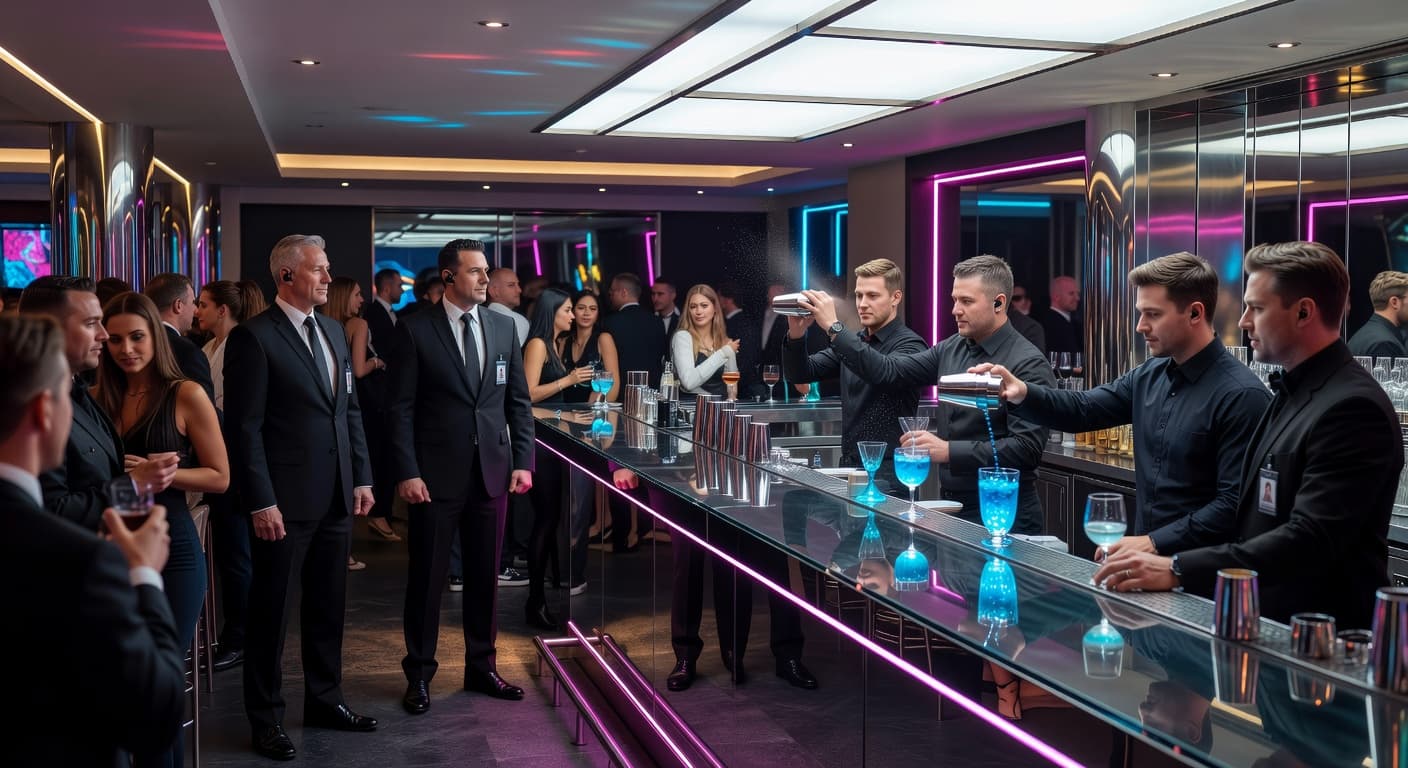
- Ask whether assault and battery is included, limited, or excluded, especially if you operate late hours, use security, host events, or manage crowded service areas.
- Document ID checks, server training, incident logs, and cut-off procedures so your application and your claim file both support how you actually operate.
- Review contracts from landlords, venues, and event partners early so you can match liquor liability limits and certificate requirements before binding coverage.
- Separate host liquor questions from true liquor liability needs if alcohol is only furnished occasionally and not part of your regular business revenue.
Liquor Liability Insurance in Massachusetts
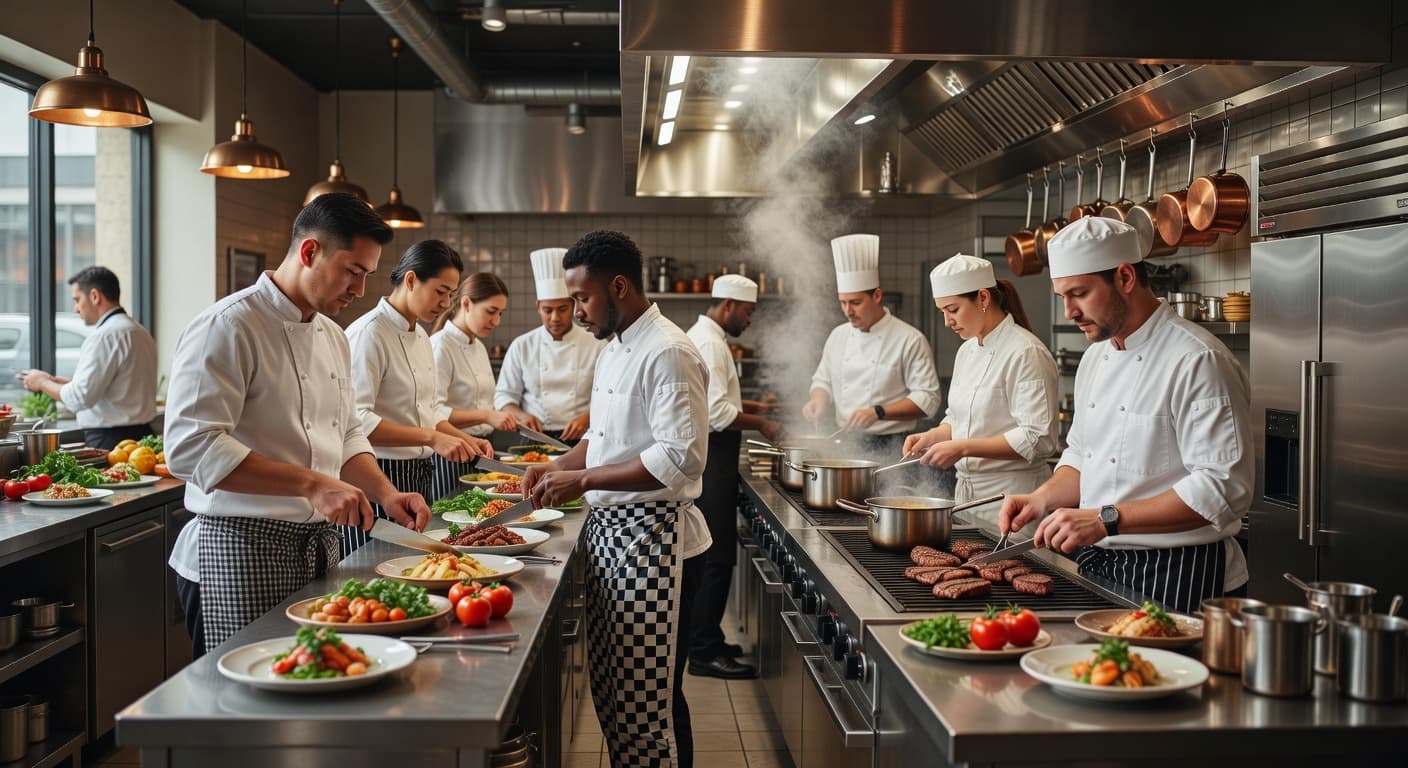
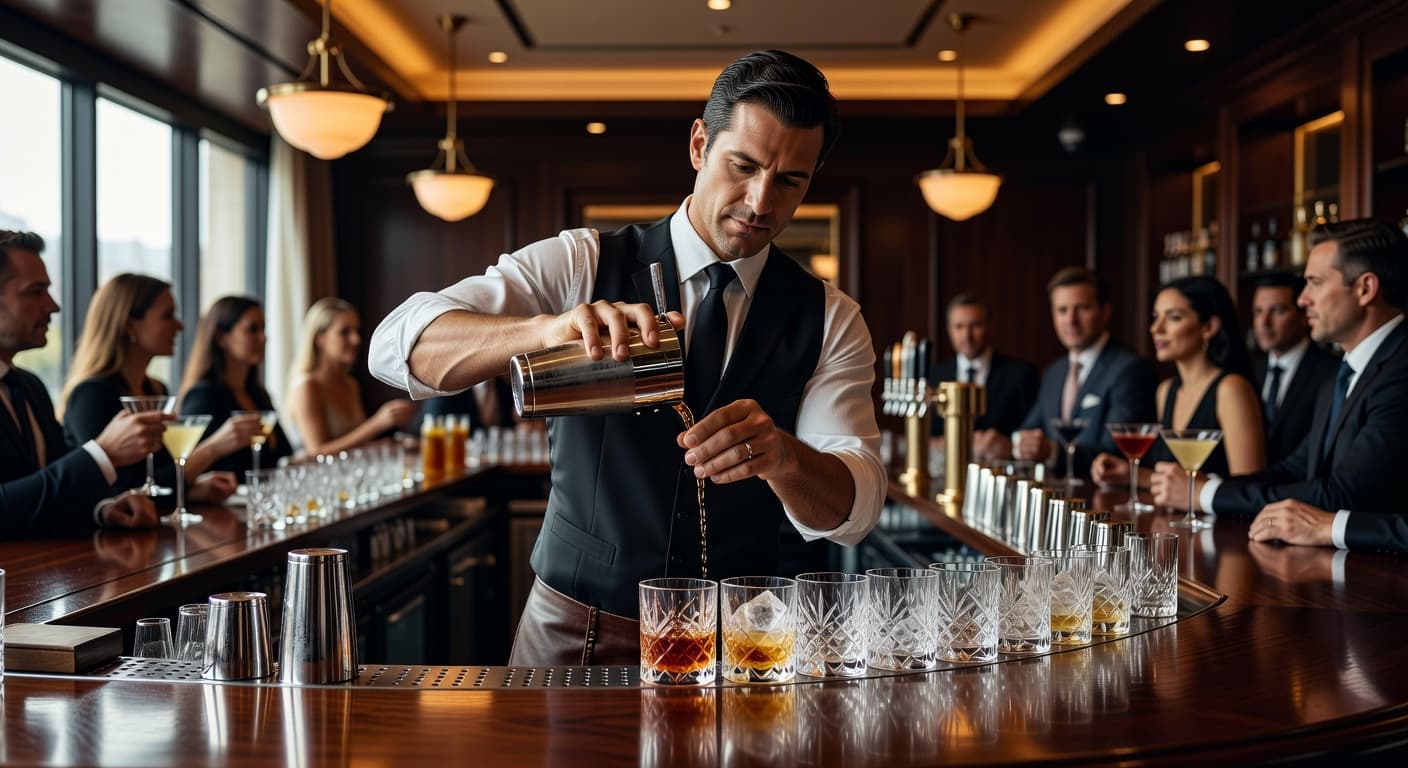
Most general liability forms exclude claims tied to alcohol service. In Massachusetts, if your business sells or serves alcohol, you should review liquor liability insurance as its own buying decision, not as an afterthought on a package policy. The exposure changes with how you operate: a neighborhood restaurant with table service, a bar with late-night receipts, a brewery with taproom pours, a caterer staffing weddings, or a venue that requires every vendor to show certificates before load-in.
The practical question is not just whether you have a policy. It is whether your limits, exclusions, defense treatment, and insured entities line up with the way alcohol is actually sold, served, or furnished at your location and off premises. Massachusetts buyers also need to check who is asking for proof of coverage and how quickly certificates have to be issued. Lease language, event contracts, and distributor agreements often set the timeline. Before you renew, pull your current policy, your liquor license paperwork, and any contract insurance requirements into one file, then compare them against a fresh quote.
What Liquor Liability Insurance Covers
A restaurant that serves beer, wine, and cocktails with food has a different exposure pattern than a package store, a wedding caterer, or a brewery that pours in a taproom and also attends festivals. Your quote should separate on-premises service, off-premises sales, special events, and any third-party locations where your staff pours or serves.
You also want to read the policy for who counts as an insured. That can include the named business, owners, managers, and employees acting within their duties, depending on policy terms. If your operation uses a management company, has multiple LLCs, or runs a venue and a bar program under different entities, ask for each named insured to be scheduled correctly. A claim can get harder to defend if the wrong entity is on the certificate or the application.
Operations often need careful review of defense handling and exclusions. Ask whether defense costs are inside or outside the limit, whether assault and battery language affects the alcohol-related claim path, and how the form treats incidents tied to security contractors, door staff, or independent event vendors. If you host private functions, confirm whether temporary locations, additional insured requests, and one-day events are addressed in the form itself. The state regulator is the Massachusetts Division of Insurance, so if you are comparing forms, endorsements, or complaint processes, keep your policy documents and quote versions organized by date and carrier for a clean side-by-side review.

Bodily Injury Liability
Can help cover injuries an intoxicated patron causes to others after your business served or sold them alcohol.

Property Damage Liability
May pay for property damage caused by an intoxicated customer your establishment served, such as a car crash after leaving.
Assault & Battery
Can help cover claims arising from fights or physical altercations involving intoxicated patrons at your bar or restaurant.

Defense Costs
May pay for attorneys, court fees, and related legal expenses when your business is sued over an alcohol-related incident.

Host Liquor Liability
Can help cover alcohol-related claims from events where you host or serve drinks without selling them, like company parties.
Liquor Liability Insurance Requirements in Massachusetts
- Operations that serve alcohol at weddings, festivals, or private functions should review whether temporary locations and off-premises service are contemplated in the form.
- A lease or venue contract may require certificates on short notice, so confirm certificate workflow and additional insured capability before binding coverage.
- When security, door staff, or third-party bartenders are part of your operation, read exclusions and insured status language carefully rather than assuming the policy treats every party the same.
How Much Does Liquor Liability Insurance Cost in Massachusetts?
Average Cost in Massachusetts
$50 - $270
per month
Businesses in Massachusetts typically see liquor liability insurance premiums of $50 - $270 per month, which tends to run 10% above the national range of $50 - $240 per month.
- Share of sales that comes from alcohol
- Type of venue and how late you serve
- Server training and service procedures
- State dram shop law
- Liquor liability limits selected
- Prior over-service or assault claims
Contact CPK Insurance for a personalized quote.
For Massachusetts buyers, liquor liability pricing works best as a factor review, because the same class of business can price very differently once underwriters see how alcohol is sold and how often it is served. Premiums vary widely based on sales mix, hours, claims history, limits, deductible structure, entertainment exposure, security controls, and whether alcohol service is central to the operation or incidental to it. A small restaurant with moderate alcohol receipts and stable operations may land toward the lower end of the range. A bar with later hours, dance floor exposure, security staff, or a heavier share of liquor sales can move higher.
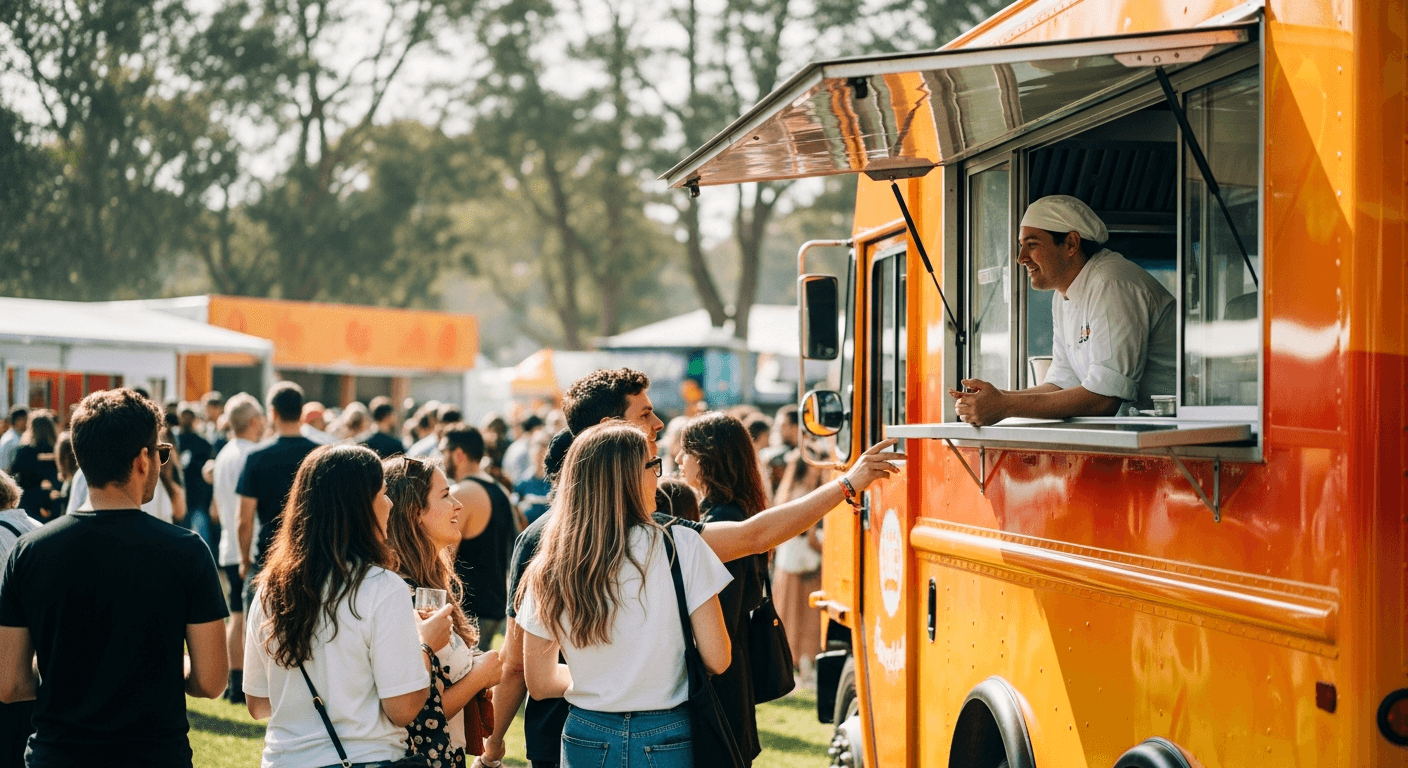
Event-driven businesses can also price differently from fixed-location risks, especially if they serve at multiple venues, use temporary staff, or need frequent certificates for landlords and event organizers. Underwriters usually want a clear picture of gross receipts, alcohol receipts, closing time, training practices, prior incidents, and whether you use ID checks, written service procedures, or contracted security. If your application leaves those details vague, you can end up comparing quotes that are not built on the same assumptions. That makes the lowest-priced option harder to trust.
Then review what is excluded, how defense is handled, and whether the quote matches your current lease and vendor contract requirements. That is how you judge value, not just monthly spend.
Prices shown are general estimates, not guaranteed rates or quotes. Your actual premium will depend on the insurer, coverage selected, business details, location, claims history, and other underwriting factors. Learn about our pricing methodology.
Request a Quote Comparison
Enter your ZIP code to compare liquor liability insurance rates from top carriers.
Business insurance starting at $25/mo
Who Needs Liquor Liability Insurance?
In Massachusetts, the buyers who most often need a dedicated review are businesses whose revenue or customer traffic changes meaningfully once alcohol is involved. If your operation profits from alcohol sales or service and could be drawn into an alcohol-related claim, that exposure deserves its own policy review. A wedding venue may think of itself as a property rental operation, but if it controls bar service or requires in-house beverage packages, the alcohol piece deserves the same attention. The same goes for a restaurant that adds brunch cocktails, a market that starts beer and wine sales, or a brewery that begins pouring at festivals and pop-up events. Businesses should also think about who is asking for proof. Landlords, lenders, event hosts, municipalities, and corporate clients may require certificates, additional insured status, or specific limits before they let you open, pour, or work an event.
A practical test helps: if a customer, guest, vendor, or contract partner could point to your alcohol service as part of a claim, bring your lease, event agreements, and current declarations page to the quote request so the policy can be matched to the way you actually operate.
Liquor Liability Insurance by City in Massachusetts
Liquor Liability Insurance rates and coverage options can vary across Massachusetts. Select your city below for localized information:
How to Buy Liquor Liability Insurance
Buying this coverage in Massachusetts goes faster when you gather the operational details underwriters actually use. Start with your legal business names, locations, liquor license information, estimated total receipts, estimated alcohol receipts, hours of alcohol service, and a short description of how alcohol is sold or served, including whether you host live entertainment, use security personnel, cater off site, or attend festivals and private events. Then collect the contracts that drive insurance requirements. That usually means your lease, venue agreements, client contracts, and any vendor paperwork that asks for certificates or additional insured status.
If you operate through more than one entity, map out which entity signs the lease, which one employs staff, and which one holds the alcohol-related operations. That step prevents a common buying mistake, a quote issued to the wrong named insured. Then request quotes on a matched basis. If one quote includes off-premises service and another does not, the lower price may not be a real savings. Review exclusions carefully, especially anything that changes how incidents involving security, subcontractors, or temporary events are treated. Before binding, confirm certificate turnaround expectations and ask what information will be needed when a landlord or event organizer requests proof of coverage. If you need coverage for a renewal deadline or an upcoming event date, say that at the start so the application, underwriting questions, and certificate requests can be sequenced without last-minute gaps. To get matched with participating licensed providers for a quote, submit your details through our marketplace.
How to Save on Liquor Liability Insurance
The cleanest way to control liquor liability costs in Massachusetts is to make your risk easier for an underwriter to understand and easier for your staff to manage. Start by tightening the application. Clear figures for alcohol receipts, accurate closing hours, and a precise description of service style reduce the chance that a quote is padded for uncertainty. If your operation changed this year, update the narrative instead of letting an old application tell the story.
You can also save by aligning the policy with the exposure you actually have. If you no longer cater off premises, do not leave that exposure implied. If you added private events, make sure the quote contemplates them now rather than forcing a midterm scramble later. Businesses often overpay because the application is too broad in one area and too thin in another. Operational controls matter as well. Written ID-check procedures, documented staff training, incident logs, and a consistent approach to cutting off service can help present a more disciplined risk. The same is true if you use formal event procedures, require vendor certificates, and keep contracts that spell out who is responsible for bar operations at private functions. Review the full account, not just this one line. If your business also carries general liability, property, or a business owners policy, ask whether placing related coverages together changes the overall account economics. Then weigh any savings against exclusions, defense treatment, and certificate service, because a lower premium can cost more if the form does not fit your operation.
Our Recommendation for Massachusetts
For Massachusetts buyers, the smartest move is to treat this as an operations audit before it becomes an insurance purchase. Start with a simple map of where alcohol is sold, who serves it, which entity signs contracts, and whether service ever leaves the main premises. That one-page summary usually exposes the gaps that create trouble at renewal or before an event. Next, test your current policy against your contracts. If your lease, venue agreement, or client paperwork asks for additional insured status, specific limits, or fast certificate turnaround, verify that those requests can actually be met under the form you are considering. Do not wait until the week of an opening, wedding, or festival.
You should also ask direct underwriting questions instead of relying on broad assurances. Confirm how the policy treats temporary events, independent bartenders, security vendors, and multiple named insureds. If your business has changed, a fresh quote often tells you more than a simple renewal offer. Finally, keep your documents in one place: current declarations, prior loss details, contracts, and entity records. That makes quote comparisons cleaner and helps you spot whether a lower premium comes from a real fit or from a missing exposure that should have been disclosed.
FAQ
Frequently Asked Questions
Restaurant owners should not assume a package policy automatically addresses alcohol-related liability. Most general liability forms exclude claims tied to alcohol service, so review the policy separately to see whether your operation is actually protected.
Bars usually get a cleaner quote by providing legal entity names, locations, alcohol receipts, service hours, prior loss details, and any lease or event contract insurance requirements. That lets you compare options built on the same operating facts.
Businesses that cater, pour at festivals, or serve at private venues should review off-premises exposure specifically. A quote that fits a fixed location may not match temporary events, third-party venues, or certificate requests tied to those jobs.
Buyers often operate through more than one LLC or management entity, so named insured accuracy matters. If the wrong entity is listed, certificates, contract compliance, and claim handling can become harder than they need to be.
Insurance oversight runs through the Massachusetts Division of Insurance. If you are comparing policy forms or organizing records for a dispute, keep the application, endorsements, declarations, and correspondence together so your review stays document-based.
Wedding venues should review the exposure closely if they control bar service, require in-house beverage packages, or are named in event contracts. Even when vendors are involved, the venue's own role can still shape the insurance decision.
Businesses compare quotes best by matching limits, locations, insured entities, and event assumptions first. After that, read exclusions, defense treatment, and certificate service expectations, because a lower premium is only useful if the form fits your operations.
U.S. businesses that sell, serve, or distribute alcohol should review liquor liability insurance. That usually includes bars, restaurants, breweries, wineries, liquor stores, caterers, hotels, and event venues, especially when alcohol service is part of normal operations rather than an occasional event.
Sources
- 1.Massachusetts Division of Insurance(The state regulator is the Massachusetts Division of Insurance.)
Updated July 16, 2026