







































Updated July 5, 2026

Car Insurance in Springfield
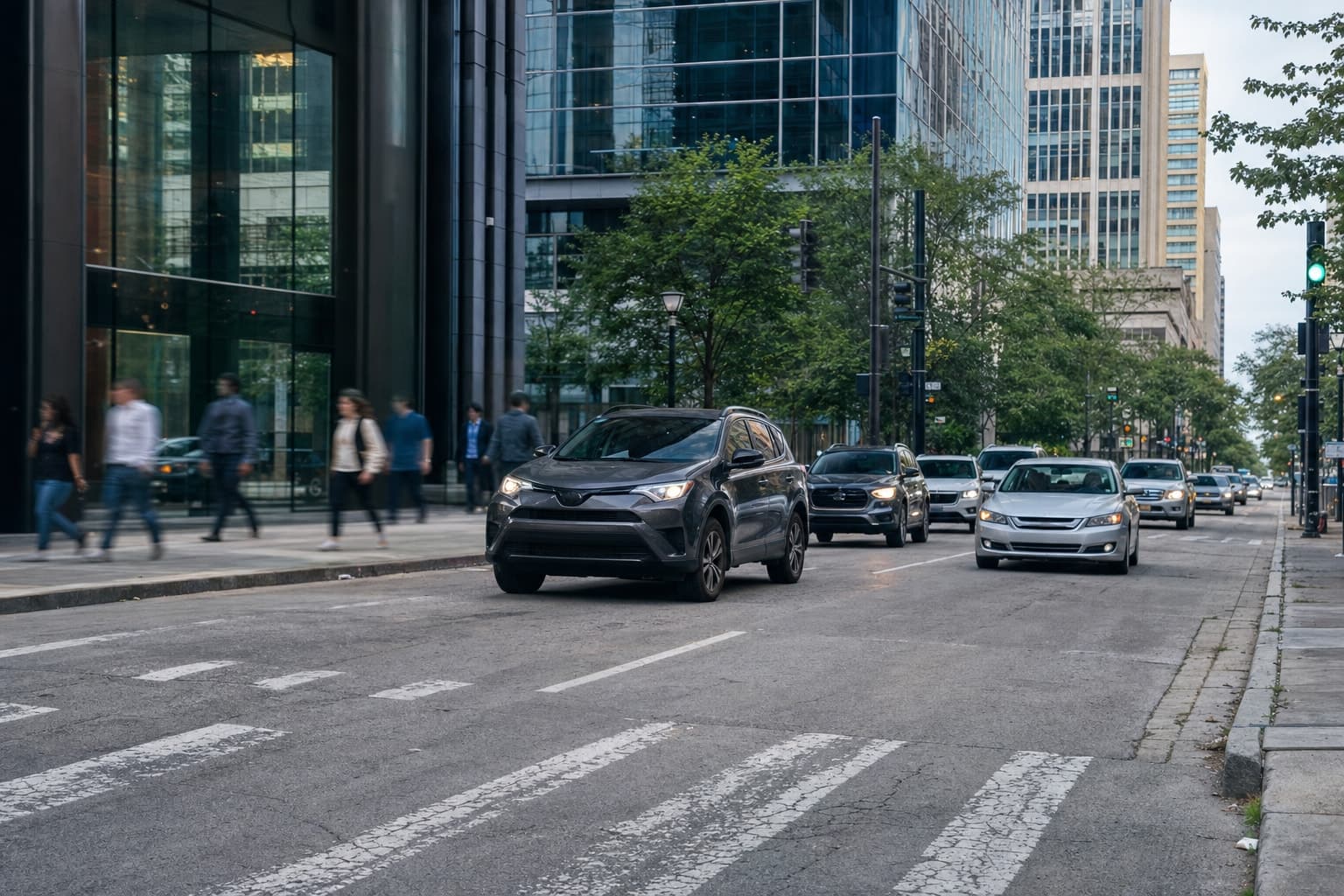
Street-level stop-and-go is the sharpest difference here. Buying car insurance in Springfield often comes down to how often you drive short urban trips, park on busy neighborhood streets, and move between retail corridors, medical campuses, and service calls across the city in the same week. That pattern changes what is worth reviewing on your policy more than broad statewide averages do.
Local households also feel price sensitivity differently, so a small deductible change or a decision to add rental reimbursement can matter to your monthly budget in a very practical way. Instead of shopping on price alone, compare quotes by asking how collision, comprehensive, glass, towing, and substitute transportation would respond to the way you actually use your car. If you commute daily, rely on street parking, or cannot afford to be without a vehicle after a claim, those details deserve a closer look before you buy or renew.
Massachusetts has a moderate climate risk rating. Top hazards: Nor'easter (Very High), Hurricane (High), Flooding (High), Winter Storm (High). The state's expected annual loss from natural hazards is $1.2B, which influences car insurance premiums and may affect coverage availability in high-risk areas.
What Car Insurance Covers
Liability coverage is the core layer, and you should review it carefully because state requirements and personal risk are not the same thing. The minimums may satisfy compliance, but they may not match the exposure from a crash in Boston traffic, on I-90, or during winter weather in western counties. Collision coverage can help pay for damage to your car after an accident, while comprehensive coverage applies to non-collision losses such as theft, weather-related damage, and similar events that matter in a state with very high motor vehicle theft and recurring severe weather. Uninsured motorist coverage is especially relevant here because a meaningful share of local drivers carries no insurance or too little of it. Medical payments coverage can help with medical expenses after a covered accident, and rental reimbursement coverage can help keep you mobile while your car is being repaired. The Massachusetts Division of Insurance oversees the market, so your final policy should be reviewed for carrier terms, endorsements, and any limits that fit your commute, vehicle, and risk tolerance.
Coverage Included

Liability
Can help pay for injuries and property damage you cause to others in an accident, coverage most states require drivers to carry.

Collision
Can help pay to repair or replace your car after a crash with another vehicle or object, regardless of fault.

Comprehensive
Typically covers damage to your car from events other than collisions, such as theft, hail, fire, flooding, or hitting an animal.

Uninsured Motorist
May pay for your injuries and, in some states, car damage when an at-fault driver has no insurance or too little.

Medical Payments
Can help cover medical bills for you and your passengers after an accident, no matter who was at fault.
Rental Reimbursement
May pay for a rental car while your vehicle is in the shop for repairs after a covered claim.
Car Insurance Cost in Springfield
Average Cost in Massachusetts
$110 - $260
per month
In Massachusetts, car insurance premiums typically run $110 - $260 per month, which tends to run 9% above the national range of $110 - $230 per month.
- Driving record and age
- Vehicle make, model, and year
- Location and commute distance
- Credit-based insurance score
- Coverage limits and deductibles
Contact CPK Insurance for a personalized quote.
Prices shown are general estimates, not guaranteed rates or quotes. Your actual premium will depend on the insurer, coverage selected, personal details, location, claims history, and other underwriting factors. Learn about our pricing methodology.
Car insurance cost in Massachusetts depends on how your location, claims history, vehicle type, annual mileage, coverage limits, deductibles, and policy endorsements interact. The state's premium index of 126 indicates prices run above the national average. That difference is consistent with a market shaped by high traffic density, 142,000 crashes in 2023, and claim severity that averaged $21,451 per accident. A single at-fault crash at that level can strain a thin policy, so it is worth checking whether your liability limits can absorb a major loss. Local risk also matters when carriers evaluate your driving record. Speeding accounted for 29.3% of crashes, lane departure for 27%, and failure to yield for 17.6%, so a clean driving record can meaningfully affect your quote. Massachusetts weather adds another pricing layer because nor'easters, hurricane exposure, flooding, and winter storms create more opportunities for comprehensive claims. This is especially true for drivers in coastal communities, Metro Boston, and other low-lying areas. Theft exposure is another factor, since motor vehicle theft was one of the top crime types and increased year over year in 2023. Coverage choices also move the price, as higher liability limits, lower deductibles, and additional endorsements each affect the final quote. The state has hundreds of active insurance companies, which creates competition, but pricing still varies by the details of your situation. If you live near Boston, commute year-round, or park on-street in a higher-theft area, your quote may differ from a suburban driver with shorter mileage and different storage conditions.
Industries & Insurance Needs in Springfield
Hampden County has 9,398 business establishments, with retail trade at 15.6%, health care and social assistance at 13%, and other services at 10.4% of establishments. So many local drivers use their vehicles around stores, clinics, home-service appointments, and customer-facing stops, even when they do not think of themselves as commercial operators.
That matters because your insurer will want your vehicle use described accurately. If you regularly drive between job sites, carry tools, make deliveries, or use your car to visit clients, ask whether your current policy language matches that pattern. Personal auto coverage may not be the right fit for every work-related use. Even for household drivers, these county business patterns point to more daytime parking lot exposure and frequent short-trip driving, which makes collision and uninsured motorist discussions worth revisiting before renewal.
What Affects Car Insurance Rates in Springfield
Budget pressure is a real part of the buying decision here. Springfield median household income is $51,339, so the right question is not just whether a premium fits today, but whether your deductible and optional coverages fit when a claim happens. A lower premium can look attractive until you have to absorb a repair bill, rental car costs, or out-of-pocket glass damage at the worst time.
That is why a local quote review should test tradeoffs, not just totals. Ask for the same liability limits across each option, then change one lever at a time: deductible, collision, comprehensive, rental reimbursement, roadside assistance, and any lender-required physical damage coverage. If your car is essential for work, school drop-offs, or medical appointments, paying a bit more for usable claim terms may be the more stable choice than stripping the policy down.
What Makes Springfield Different
Urban trip density is the main difference here. In many parts of Massachusetts, the coverage conversation starts with long commutes or weather exposure. Here, the more useful starting point is how often your car is in motion for short errands, school runs, shift changes, appointments, and curbside parking transitions. That kind of use creates repeated low-speed exposure, frequent backing and turning movements, and more chances for minor but expensive damage.
For a buyer, the practical effect is simple: review the parts of the policy that respond to everyday disruption, not just major crashes. Collision can matter even for modest-speed impacts. Comprehensive may be worth keeping if you cannot easily absorb non-collision damage. Rental reimbursement and towing become more relevant when one disabled vehicle can interrupt work or family logistics immediately. If you are comparing quotes, ask each insurer to show the same core limits so you can judge whether lower pricing comes from real efficiency or from removing protections you are likely to notice after a loss.
Our Recommendation for Springfield
Start with your actual vehicle routine. If you park on the street most nights, tell the agent that. If you drive mainly short local trips, say that too. If your car is financed, leased, or essential for work attendance, make sure the quote reflects those constraints before you compare premiums.
Then pressure-test the policy structure. Ask for side-by-side options with different deductibles, but keep liability limits consistent so the comparison stays honest. Review whether collision still makes sense for your vehicle value, whether comprehensive is worth retaining, and whether rental reimbursement would keep your household moving during repairs. If you use the car for any business errand beyond ordinary commuting, raise that point directly rather than assuming it is covered. If you want a cleaner buying decision, request a quote set that separates must-have protections from optional add-ons, then choose based on how much disruption you could realistically absorb after a claim.
Get Car Insurance in Springfield
Enter your ZIP code to compare car insurance rates from carriers in Springfield, MA.
Car insurance starting at $59/mo
FAQ
Frequently Asked Questions
Springfield drivers should compare deductibles and use-based options first. The better quote is often the one whose out-of-pocket costs, rental terms, and physical damage coverage still work when a claim interrupts daily driving.
Springfield commuters often should review collision closely because local driving can involve frequent short trips, parking moves, and low-speed traffic contact. The decision usually turns on your vehicle value, deductible tolerance, and whether you could replace or repair the car without strain.
Hampden County does affect the conversation. The county has 9,398 business establishments, so many drivers move between stores, clinics, and service appointments. If your car supports work errands or client visits, confirm your vehicle use is described accurately on the policy.
Springfield households should price the claim scenario, not just the monthly bill. Use the same liability limits on every quote, then test deductible changes and optional coverages one at a time so you can see what you are giving up for a lower premium.
Hampden County's establishment mix includes retail trade at 15.6%, health care and social assistance at 13%, and other services at 10.4%. That means many drivers use cars around customer-facing work, so policy use classifications deserve a careful review.
In Massachusetts, your policy can combine liability, collision, comprehensive, uninsured motorist, medical payments, and rental reimbursement coverage so one policy may help address both injury-related and vehicle-related losses after an auto accident or other covered event.
Massachusetts is regulated by the Division of Insurance, but exact minimums are not listed here, so you should confirm the current car insurance requirements in Massachusetts before you buy.
Premiums vary widely based on your driving profile, coverage choices, and location. The state premium index suggests Massachusetts prices run above the national average.
Sources
- 1.U.S. Census Bureau, ACS 5-Year Estimates, table B19013(Springfield median household income is $51,339.)
- 2.U.S. Census Bureau, County Business Patterns, Hampden County(Hampden County has 9,398 business establishments.; Hampden County establishment share includes retail trade at 15.6%, health care and social assistance at 13%, and other services at 10.4%.)
Updated July 5, 2026





