
Updated July 16, 2026

Homeowners Insurance in Springfield
A tighter local market changes how you shop for coverage. You may see fewer carriers actively pursuing older urban homes, mixed-condition properties, or houses with deferred updates, so your quote request often comes down to how clearly it explains the property's key features. The city's median home value sits at $222,700, well below the statewide figure, which means buyers can be tempted to anchor on market value instead of rebuild details. For insurance, that shortcut can leave you comparing the wrong dwelling limit, deductible, or endorsement set. Start with the coverage a lender or state requires, then layer in optional endorsements only after that foundation is solid. Before you request quotes, gather a few essentials: the year your roof was replaced, your electrical panel type, plumbing material, heating fuel, and any prior loss history. A cleaner submission gives you more usable comparisons and fewer surprises after inspection.
Massachusetts has a moderate climate risk rating. Top hazards: Nor'easter (Very High), Hurricane (High), Flooding (High), Winter Storm (High). The state's expected annual loss from natural hazards is $1.2B, which influences homeowners insurance premiums and may affect coverage availability in high-risk areas.
What Homeowners Insurance Covers
A Massachusetts homeowners policy is built around several core protections. The most important is dwelling coverage, which can help pay to rebuild your home itself. Personal property coverage can help protect your belongings, while liability coverage can help pay for injuries to others. If a covered loss forces you out, loss of use coverage can help with temporary housing costs, and other structures coverage applies to detached buildings like garages or sheds. Medical payments coverage can help pay for minor injuries to guests regardless of fault. The most important question is whether your dwelling limit can rebuild your home at local construction prices, not just replace the market value of the property.
Your policy also needs a careful look at wind and hurricane deductibles in coastal areas, because those deductibles may apply separately from the standard deductible. Flood damage is not included in a standard policy here, so you would need separate flood insurance through NFIP or a private flood carrier to close that gap. The Massachusetts Division of Insurance regulates policy terms, endorsements, and claim handling locally, but the exact protection still depends on the contract you choose. Before binding coverage, confirm what is covered for fire, wind, theft, and other common property damage scenarios.
Coverage Included

Dwelling
Repairs or rebuilds your home itself, the walls, roof, floors, built-in appliances, and attached structures like a garage, after a covered loss. Set this limit to the full cost of rebuilding, not market value.
Other Structures
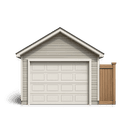
Detached structures on your property, such as a fence, shed, detached garage, or gazebo. Usually set at about 10 percent of your dwelling limit [2].

Personal Property
Your belongings, furniture, clothing, electronics, and appliances, generally written at 50 to 70 percent of your dwelling limit [2]. High-value items like jewelry and art carry special limits.

Additional Living Expenses
Also called loss of use. Pays your added living costs, hotel stays, meals, and a temporary rental, while a covered loss makes your home uninhabitable. Usually set at about 20 percent of your dwelling limit.

Liability
Covers you if someone is injured on your property, or you damage someone else's property, and you are found responsible. The standard $100,000 limit [2] is often raised to $300,000 or $500,000.

Medical Payments
Pays small medical bills, commonly $1,000 to $5,000, if a guest is hurt at your home regardless of fault, without a formal liability claim.
Homeowners Insurance Cost in Springfield
Average Cost in Massachusetts
$95 - $250
per month
In Massachusetts, homeowners insurance premiums typically run $95 - $250 per month, which tends to run 4% below the national range of $110 - $250 per month.
- Home replacement cost, age, and construction type
- Roof age, material, and condition
- ZIP code and local weather risk (wind, hail, wildfire, hurricane)
- Coverage limits and endorsements
- All-peril and percentage wind/hail deductibles
- Claims history and insurance score where allowed
Typical range for many standard homeowners profiles; lower-risk homes fall below it and coastal, wildfire, or older-roof homes can run well above. Final pricing depends on property details, location, underwriting, and selected coverage.
Prices shown are general estimates, not guaranteed rates or quotes. Your actual premium will depend on the insurer, coverage selected, personal details, location, claims history, and other underwriting factors. Learn about our pricing methodology.
Many Massachusetts homeowners see premiums from about $105 per month depending on the home and policy choices. That puts the state above the national average in many cases. In practical terms, you can expect to pay roughly 26% more than the typical U.S. homeowner, which means a policy that costs $1,200 elsewhere might run you closer to $1,500 here. Several local factors explain that spread, including severe Nor'easter exposure, significant hurricane and flooding risk, and high winter storm risk. Older homes, roof age, local crime conditions, and proximity to fire stations and hydrants also affect pricing, especially in dense areas like Boston.
The state's median household income is $96,505, but the premium you are quoted depends more on dwelling limit, deductible, claims history, endorsements, and location than on income alone. Massachusetts has a large field of insurance companies, which creates a competitive market, but competition does not eliminate the impact of coastal risk or rebuilding costs. When you request a quote, expect the carrier to test how much coverage you choose for your dwelling, personal property, liability, and loss of use before giving a final price.
What Affects Homeowners Insurance Rates in Springfield
Local affordability changes the buying conversation more than a city-specific hazard statistic does. Many households need a policy structure that protects the home without forcing every optional feature into the first quote. At the same time, a lower local home value can mislead owners into treating purchase price or estimated market value as the right dwelling limit. It usually makes more sense to review reconstruction features line by line: square footage, roof type, exterior materials, attached structures, finished basement areas, and any updates that would affect replacement cost. If your payment has to stay manageable, ask to compare deductible options and endorsement choices instead of simply cutting core property protection. That approach helps you control premium pressure while still reviewing whether the policy terms fit the house you actually own.
What Makes Springfield Different
Older, value-sensitive housing stock is the main thing that changes the calculus here. A lower local home value can make a house look inexpensive to insure, but underwriting still turns on condition and rebuild characteristics, not just what the property would sell for. That is why two homes with similar sale prices can produce very different quote outcomes if one has updated wiring, a newer roof, and documented plumbing work while the other does not. Carriers here tend to respond well to owners who show up organized. If a carrier is selective about older homes, incomplete details can push a quote toward broader assumptions, tighter terms, or a request for follow-up inspection. You are usually better served by treating the application like a property file: record when major systems were last serviced, document renovations, verify who lives there, and note any detached structures or finished lower levels. When every quote rests on the same verified details, you can spot the real pricing differences instead of guessing which carrier misunderstood your home.
Our Recommendation for Springfield
Start by assembling your property file, then let quotes flow from that foundation. For a local home, ask for quotes using the same dwelling limit, liability limit, deductible, and endorsement assumptions so you can see real differences instead of apples-to-oranges pricing. If your home has older systems, be ready to provide update dates and contractor invoices where available, because that can affect whether a carrier is comfortable with the risk and what inspection questions follow. If your home has a finished basement, sump equipment, or older plumbing, read the water-related exclusions line by line and ask the carrier what optional protection may be added. If budget is tight, use Springfield's income reality as a reason to prioritize, not to underinsure: compare deductible levels, review personal property assumptions, and decide which endorsements solve an actual exposure at your address. Before binding, ask how the carrier calculates a settlement for the dwelling and contents, since that determines what receipts and photos you should keep on hand.
Get Homeowners Insurance in Springfield
Enter your ZIP code to compare homeowners insurance rates from carriers in Springfield, MA.
Home insurance starting at $50/mo
FAQ
Frequently Asked Questions
Springfield buyers should start with rebuild details, not market value. The city's median home value is $222,700, but your dwelling limit should be reviewed against the home's construction features, updates, and repair costs rather than a sale-price shortcut.
Springfield homes with age or mixed updates usually need clearer underwriting details. Gather your roof age, electrical panel type, plumbing material, heating system, renovation dates, and prior loss history so the quote reflects the property more accurately.
Springfield quote differences often come from carrier appetite for older or partially updated homes. One insurer may be comfortable with the property's condition, while another may price more cautiously or request inspection follow-up before finalizing terms.
Springfield households often need to balance protection with budget. Raising your deductible or trimming specific endorsements tends to cost you less in the long run than cutting your dwelling limit, because a too-low limit is what leaves you paying out of pocket after a partial loss.
Hampden County has 9,398 business establishments, with retail trade at 15.6%, health care and social assistance at 13%, and other services at 10.4%. That mix matters mainly if you run a business from home, because a standard policy may cap inventory or liability coverage well below what a retail or service operation actually needs.
A standard policy can help pay for several types of losses. Dwelling coverage addresses damage to the home itself, while personal property coverage applies to your belongings. If a covered loss forces you out of your home, loss of use coverage can help with temporary housing. Your policy may also include liability, other structures, and medical payments coverage, but the exact scope depends on the policy form and endorsements you choose.
You should set dwelling coverage high enough to rebuild your home at current construction costs, which is especially important in Massachusetts because rebuild costs can differ significantly from market value.
Yes, mortgage lenders usually require homeowners insurance in Massachusetts even though the state does not legally require every homeowner to carry it.
Sources
- 1.U.S. Census Bureau, ACS 5-Year Estimates, table B25077(The city's median home value is $222,700)
- 2.U.S. Census Bureau, County Business Patterns, Hampden County(Hampden County has 9,398 business establishments, with retail trade at 15.6%, health care and social assistance at 13%, and other services at 10.4%)
Updated July 16, 2026