Updated July 16, 2026

Car Insurance in Worcester
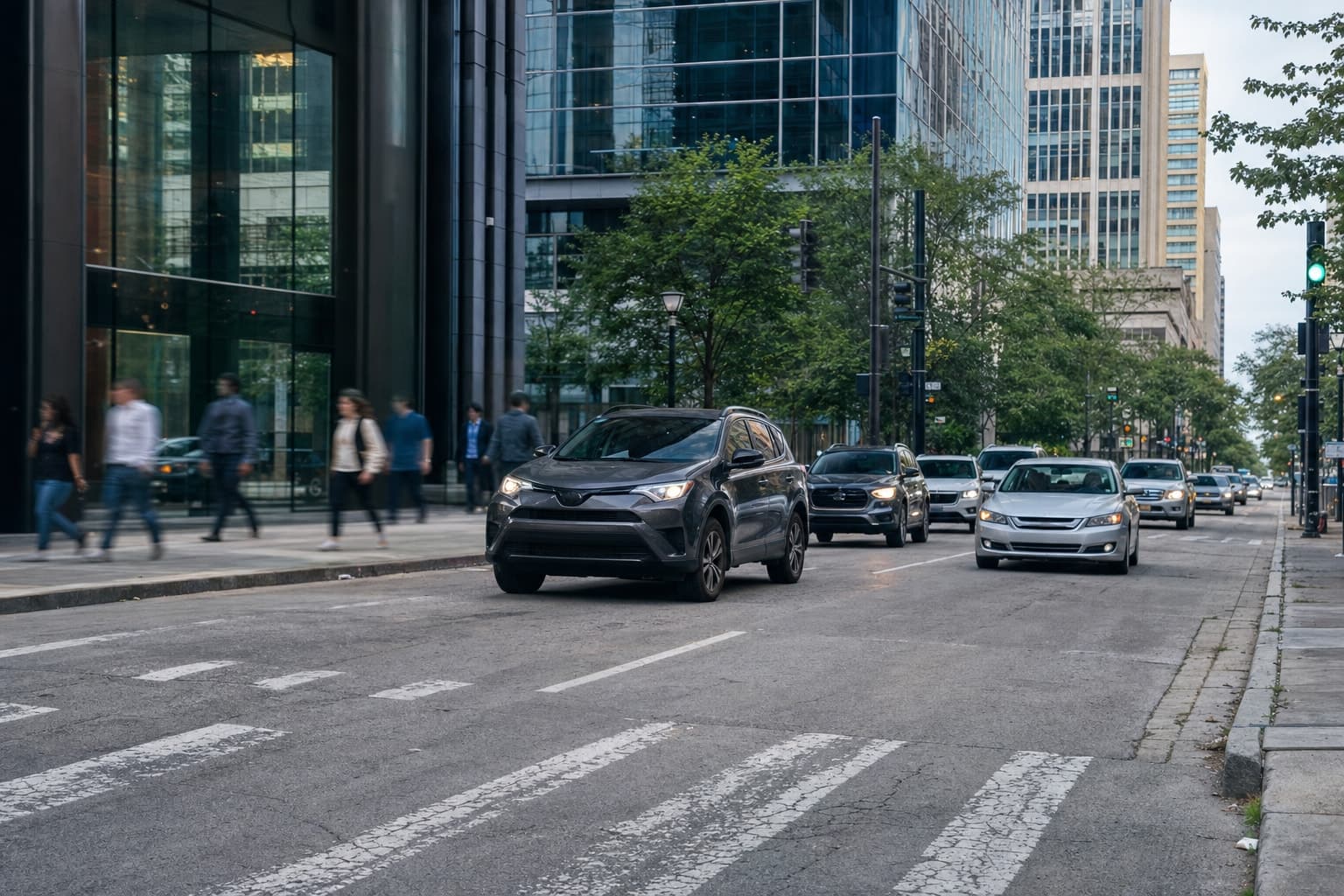
Street parking, short urban trips, and constant stop-and-go driving set Worcester apart from the suburbs. They push many local drivers to think about everyday collision and vandalism exposure, not just statewide minimums. Your quote should match where the car actually spends its time, whether that is parked overnight on a city street, moving through Kelley Square, or making repeated runs between neighborhoods instead of logging long highway miles. A lower deductible can matter more if you cannot leave a damaged car sidelined for long. Rental reimbursement may deserve a closer look if one vehicle handles most of your household routine.
Massachusetts has a moderate climate risk rating. Top hazards: Nor'easter (Very High), Hurricane (High), Flooding (High), Winter Storm (High). The state's expected annual loss from natural hazards is $1.2B, which influences car insurance premiums and may affect coverage availability in high-risk areas.
What Car Insurance Covers
Liability coverage is the core layer, and you should review it carefully because state requirements and personal risk are not the same thing. The minimums may satisfy compliance, but they may not match the exposure from a crash in Boston traffic, on I-90, or during winter weather in western counties. Collision coverage can help pay for damage to your car after an accident, while comprehensive coverage applies to non-collision losses such as theft, weather-related damage, and similar events that matter in a state with very high motor vehicle theft and recurring severe weather. Uninsured motorist coverage is especially relevant here because a meaningful share of local drivers carries no insurance or too little of it. Medical payments coverage can help with medical expenses after a covered accident, and rental reimbursement coverage can help keep you mobile while your car is being repaired. The Massachusetts Division of Insurance oversees the market, so your final policy should be reviewed for carrier terms, endorsements, and any limits that fit your commute, vehicle, and risk tolerance.
Coverage Included

Liability
Can help pay for injuries and property damage you cause to others in an accident, coverage most states require drivers to carry.
Collision
Can help pay to repair or replace your car after a crash with another vehicle or object, regardless of fault.

Comprehensive
Typically covers damage to your car from events other than collisions, such as theft, hail, fire, flooding, or hitting an animal.

Uninsured Motorist
May pay for your injuries and, in some states, car damage when an at-fault driver has no insurance or too little.

Medical Payments
Can help cover medical bills for you and your passengers after an accident, no matter who was at fault.
Rental Reimbursement
May pay for a rental car while your vehicle is in the shop for repairs after a covered claim.
Car Insurance Cost in Worcester
Average Cost in Massachusetts
$110 - $260
per month
In Massachusetts, car insurance premiums typically run $110 - $260 per month, which tends to run 9% above the national range of $110 - $230 per month.
- Driving record and age
- Vehicle make, model, and year
- Location and commute distance
- Credit-based insurance score
- Coverage limits and deductibles
Contact CPK Insurance for a personalized quote.
Prices shown are general estimates, not guaranteed rates or quotes. Your actual premium will depend on the insurer, coverage selected, personal details, location, claims history, and other underwriting factors. Learn about our pricing methodology.
Car insurance cost in Massachusetts depends on how your location, claims history, vehicle type, annual mileage, coverage limits, deductibles, and policy endorsements interact. The state's premium index of 126 indicates prices run above the national average. That difference is consistent with a market shaped by high traffic density, 142,000 crashes in 2023, and claim severity that averaged $21,451 per accident. A single at-fault crash at that level can strain a thin policy, so it is worth checking whether your liability limits can absorb a major loss. Local risk also matters when carriers evaluate your driving record. Speeding accounted for 29.3% of crashes, lane departure for 27%, and failure to yield for 17.6%, so a clean driving record can meaningfully affect your quote. Massachusetts weather adds another pricing layer because nor'easters, hurricane exposure, flooding, and winter storms create more opportunities for comprehensive claims. This is especially true for drivers in coastal communities, Metro Boston, and other low-lying areas. Theft exposure is another factor, since motor vehicle theft was one of the top crime types and increased year over year in 2023. Coverage choices also move the price, as higher liability limits, lower deductibles, and additional endorsements each affect the final quote. The state has hundreds of active insurance companies, which creates competition, but pricing still varies by the details of your situation. If you live near Boston, commute year-round, or park on-street in a higher-theft area, your quote may differ from a suburban driver with shorter mileage and different storage conditions.
What Affects Car Insurance Rates in Worcester
Budget pressure is a practical part of the buying decision here. Worcester median household income is $67,544, so the question is not only what coverage you want, but which options you can realistically carry through the full policy term without cutting limits too far. That matters most if your car is essential for work, school drop offs, or getting across the city on a fixed schedule. Instead of chasing the lowest premium, ask for side by side quotes that change one lever at a time: deductible, collision and comprehensive selection, rental reimbursement, and higher liability limits. That makes it easier to see which choices meaningfully reduce cost and which ones create a bigger out of pocket risk after a crash or theft claim. If your vehicle is older, review whether physical damage coverage still fits its value. If it is newer or financed, focus on deductible levels you could actually absorb.
What Makes Worcester Different
Many Worcester drivers are not dealing with a simple suburban garage to highway commute. They park on the street, squeeze into tighter lots, and make frequent local trips where low-speed contact losses are more plausible than a single long drive might suggest. That changes the buying calculus because small and mid-sized claims can become the real budget problem. Worcester County has 19,038 business establishments, which means your car shares tight spaces with far more commercial traffic than a typical suburban driver encounters. For a personal auto buyer, that is a cue to review where and when your car is exposed, not just how many miles you drive in a year.
Our Recommendation for Worcester
Start with how the car is used on an ordinary week, because local differences show up fastest there. If you park on the street or in an open lot, compare comprehensive deductibles you could comfortably pay after glass damage, theft, or vandalism. If you drive through dense intersections and make frequent short trips, weigh collision deductibles the same way. Keep liability limits high enough to protect income and savings, especially if you carry passengers often or drive during busy workday hours. If one car supports most of your household routine, ask for rental reimbursement as a separate line item so you can decide on it deliberately. When you request a quote, bring your garaging address, parking setup, annual mileage, and driver list so the pricing reflects real use.
Get Car Insurance in Worcester
Enter your ZIP code to compare car insurance rates from carriers in Worcester, MA.
Car insurance starting at $59/mo
FAQ
Frequently Asked Questions
It makes sense to weigh deductible and physical damage options carefully. A repair bill is easier to absorb when the out-of-pocket amount fits your household budget. Price several coverage versions side by side so you can see the tradeoffs before committing.
In Massachusetts, your policy can combine liability, collision, comprehensive, uninsured motorist, medical payments, and rental reimbursement coverage so one policy may help address both injury-related and vehicle-related losses after an auto accident or other covered event.
Massachusetts is regulated by the Division of Insurance, but exact minimums are not listed here, so you should confirm the current car insurance requirements in Massachusetts before you buy.
Premiums vary widely based on your driving profile, coverage choices, and location. The state premium index suggests Massachusetts prices run above the national average.
Liability is the foundation, while collision and comprehensive are worth comparing based on your vehicle value, where you park, and whether you drive in areas exposed to theft, winter storms, flooding, or heavy commuter traffic.
It helps protect you if you are involved in a crash with a driver who has no insurance or too little insurance, which matters in Massachusetts because a meaningful share of local drivers carries no protection.
Yes, both can be added depending on the carrier and policy design, and they may be useful if you want help with medical expenses after a covered crash or need a rental car while repairs are being made.
Higher limits usually increase the premium, while higher deductibles often lower it, so your quote will vary based on how much out-of-pocket risk you want to keep after an accident or comprehensive loss.
Sources
- 1.U.S. Census Bureau, ACS 5-Year Estimates, table B19013(Worcester median household income is $67,544, so the question is not only what coverage you want, but which options you can realistically carry through the full policy term without cutting limits too far.)
- 2.U.S. Census Bureau, County Business Patterns, Worcester County(Worcester County has 19,038 business establishments, with construction at 13.3%, retail trade at 12.8%, and health care and social assistance at 12.1%, so local traffic often includes contractor vehicles, delivery activity, employee commuting, and patient or customer parking turnover.)
- 3.Massachusetts Division of Insurance(The Massachusetts Division of Insurance is the state regulator.)
Updated July 16, 2026