Updated July 16, 2026

Homeowners Insurance in Worcester
Worcester property managers, mortgage lenders, and closing attorneys usually want proof that your policy is active before a refinance or purchase closing moves forward. Satisfying them often means showing a declarations page with the correct named insured, mortgagee information, and dwelling limit that matches the home you are actually buying or keeping. Worcester's median home value of $339,500 sits below the statewide average, which means your replacement cost could still run higher or lower than that figure depending on materials and labor. If your home has been renovated, converted, or held in the family for years, ask for a quote that separates dwelling, other structures, personal property, and loss of use. The paperwork you hand a lender should reflect the actual risk, not a generic estimate. Before you bind coverage, take time to confirm the address format, mortgage clause, and any recent improvements are listed correctly.
Massachusetts has a moderate climate risk rating. Top hazards: Nor'easter (Very High), Hurricane (High), Flooding (High), Winter Storm (High). The state's expected annual loss from natural hazards is $1.2B, which influences homeowners insurance premiums and may affect coverage availability in high-risk areas.
What Homeowners Insurance Covers
A Massachusetts homeowners policy is built around several core protections. The most important is dwelling coverage, which can help pay to rebuild your home itself. Personal property coverage can help protect your belongings, while liability coverage can help pay for injuries to others. If a covered loss forces you out, loss of use coverage can help with temporary housing costs, and other structures coverage applies to detached buildings like garages or sheds. Medical payments coverage can help pay for minor injuries to guests regardless of fault. The most important question is whether your dwelling limit can rebuild your home at local construction prices, not just replace the market value of the property.
Your policy also needs a careful look at wind and hurricane deductibles in coastal areas, because those deductibles may apply separately from the standard deductible. Flood damage is not included in a standard policy here, so you would need separate flood insurance through NFIP or a private flood carrier to close that gap. The Massachusetts Division of Insurance regulates policy terms, endorsements, and claim handling locally, but the exact protection still depends on the contract you choose. Before binding coverage, confirm what is covered for fire, wind, theft, and other common property damage scenarios.
Coverage Included

Dwelling
Repairs or rebuilds your home itself, the walls, roof, floors, built-in appliances, and attached structures like a garage, after a covered loss. Set this limit to the full cost of rebuilding, not market value.
Other Structures
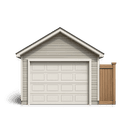
Detached structures on your property, such as a fence, shed, detached garage, or gazebo. Usually set at about 10 percent of your dwelling limit [2].

Personal Property
Your belongings, furniture, clothing, electronics, and appliances, generally written at 50 to 70 percent of your dwelling limit [2]. High-value items like jewelry and art carry special limits.

Additional Living Expenses
Also called loss of use. Pays your added living costs, hotel stays, meals, and a temporary rental, while a covered loss makes your home uninhabitable. Usually set at about 20 percent of your dwelling limit.

Liability
Covers you if someone is injured on your property, or you damage someone else's property, and you are found responsible. The standard $100,000 limit [2] is often raised to $300,000 or $500,000.

Medical Payments
Pays small medical bills, commonly $1,000 to $5,000, if a guest is hurt at your home regardless of fault, without a formal liability claim.
Homeowners Insurance Cost in Worcester
Average Cost in Massachusetts
$95 - $250
per month
In Massachusetts, homeowners insurance premiums typically run $95 - $250 per month, which tends to run 4% below the national range of $110 - $250 per month.
- Home replacement cost, age, and construction type
- Roof age, material, and condition
- ZIP code and local weather risk (wind, hail, wildfire, hurricane)
- Coverage limits and endorsements
- All-peril and percentage wind/hail deductibles
- Claims history and insurance score where allowed
Typical range for many standard homeowners profiles; lower-risk homes fall below it and coastal, wildfire, or older-roof homes can run well above. Final pricing depends on property details, location, underwriting, and selected coverage.
Prices shown are general estimates, not guaranteed rates or quotes. Your actual premium will depend on the insurer, coverage selected, personal details, location, claims history, and other underwriting factors. Learn about our pricing methodology.
Many Massachusetts homeowners see premiums from about $105 per month depending on the home and policy choices. That puts the state above the national average in many cases. In practical terms, you can expect to pay roughly 26% more than the typical U.S. homeowner, which means a policy that costs $1,200 elsewhere might run you closer to $1,500 here. Several local factors explain that spread, including severe Nor'easter exposure, significant hurricane and flooding risk, and high winter storm risk. Older homes, roof age, local crime conditions, and proximity to fire stations and hydrants also affect pricing, especially in dense areas like Boston.
The state's median household income is $96,505, but the premium you are quoted depends more on dwelling limit, deductible, claims history, endorsements, and location than on income alone. Massachusetts has a large field of insurance companies, which creates a competitive market, but competition does not eliminate the impact of coastal risk or rebuilding costs. When you request a quote, expect the carrier to test how much coverage you choose for your dwelling, personal property, liability, and loss of use before giving a final price.
What Affects Homeowners Insurance Rates in Worcester
Worcester's median household income is $67,544, so premium decisions here often come down to deductible tolerance and coverage tradeoffs, not just whether you can satisfy a lender. If your budget is tight, it is worth reviewing whether you are carrying optional endorsements you still want, whether your personal property limit fits what you actually own, and whether a higher deductible is realistic for your emergency savings. The local housing picture matters too. With a median home value of $339,500, some buyers assume a lower market value automatically means a low insurance need, but claim settlement is tied to covered damage and policy terms, not resale price alone. That makes it important to ask how the carrier is estimating replacement cost for your address, especially if the home has older materials, additions, or deferred maintenance. A useful quote review here compares deductible options, ordinance or law treatment, and how updates to kitchens, roofs, or systems affect the dwelling calculation.
What Makes Worcester Different
The buying calculus in this city shifts because much of the housing stock is older and moderate in value. You are probably insuring a house with piecemeal updates, mixed-use neighborhood conditions, or a long ownership history rather than a luxury property. A $339,500 median can tempt buyers to anchor on market price, but the more useful question is how the insurer values the structure, attached features, and any recent work. If you are comparing quotes, focus less on whether one option simply looks cheaper and more on whether the dwelling limit, deductible, and settlement terms line up with the home's actual condition. Roof age, electrical and plumbing updates, finished basement details, and detached structures tell you far more about what a policy is really worth than any statewide average. Ask the agent to explain any assumptions that materially change the dwelling estimate.
Our Recommendation for Worcester
Pull together your current declarations page, mortgage information, and any inspection or renovation records so the quote reflects the house as it stands today. If you have replaced the roof, updated wiring, refinished a basement, or added a shed or fence, make sure those details are captured before you compare options. Worcester County has 19,038 business establishments, and construction represents 13.3% of them, which means roughly one in eight local businesses is a contractor you might end up hiring after a loss. That makes claims handling logistics worth discussing up front, especially how estimates, temporary repairs, and contractor coordination are documented. Request a quote review that tests deductible choices and confirms the dwelling limit against the home's current features, not just public record data.
Get Homeowners Insurance in Worcester
Enter your ZIP code to compare homeowners insurance rates from carriers in Worcester, MA.
Home insurance starting at $50/mo
FAQ
Frequently Asked Questions
Worcester buyers and owners are usually asked for a declarations page or binder showing the property address, named insured, effective dates, and mortgagee information. Before closing or renewing a lease requirement, check that those details match the home and loan documents exactly.
Worcester's median home value is $339,500, but resale price and rebuilding cost are different numbers. Your quote should be reviewed against the home's construction details, updates, and policy terms so the insured amount reflects the structure, not just market expectations.
Worcester households earn a median income of $67,544, so a $2,500 or $5,000 deductible could absorb a meaningful chunk of take-home pay if you ever file a claim. A higher deductible can make sense if you have reserves, but it should be tested against your emergency budget first.
Worcester County has 19,038 business establishments, and construction makes up 13.3% of them. Having roughly 2,500 contractors nearby means repair timelines after a loss may move faster than in less populated areas, so ask how estimates, temporary repairs, and contractor documentation are handled under your policy.
A standard policy can help pay for several types of losses. Dwelling coverage addresses damage to the home itself, while personal property coverage applies to your belongings. If a covered loss forces you out of your home, loss of use coverage can help with temporary housing. Your policy may also include liability, other structures, and medical payments coverage, but the exact scope depends on the policy form and endorsements you choose.
You should set dwelling coverage high enough to rebuild your home at current construction costs, which is especially important in Massachusetts because rebuild costs can differ significantly from market value.
Yes, mortgage lenders usually require homeowners insurance in Massachusetts even though the state does not legally require every homeowner to carry it.
No, standard homeowners insurance in Massachusetts excludes flood damage, so you would need separate flood coverage through NFIP or a private flood insurer.
Sources
- 1.U.S. Census Bureau, ACS 5-Year Estimates, table B25077(Worcester median home value is $339,500.)
- 2.U.S. Census Bureau, ACS 5-Year Estimates, table B19013(Worcester median household income is $67,544.)
- 3.U.S. Census Bureau, County Business Patterns, Worcester County(Worcester County has 19,038 business establishments.; In Worcester County, leading sectors by establishment share are construction 13.3%, retail trade 12.8%, and health care and social assistance 12.1%.)
Updated July 16, 2026