
Updated July 16, 2026

Homeowners Insurance in Grand Rapids
Owning a home in Grand Rapids means your insurance paperwork usually has to satisfy more than just you. Lenders, title companies, and closing attorneys want current proof of coverage before keys change hands or renovation work begins. With a median home value of $225,500, most buyers are protecting an asset they cannot casually replace out of pocket. Before you bind coverage, check whether your dwelling limit, other structures, and loss of use terms fit the property condition and your budget.
Michigan has a moderate climate risk rating. Top hazards: Severe Storm (High), Winter Storm (High), Flooding (Moderate), Tornado (Moderate). The state's expected annual loss from natural hazards is $1.4B, which influences homeowners insurance premiums and may affect coverage availability in high-risk areas.
What Homeowners Insurance Covers
In Michigan, the most useful coverage review usually starts with the parts of the property that create claim friction after a storm or water event. A standard quote may look fine at first glance, but the real question is whether the policy language fits your roof age, siding type, basement exposure, detached structures, and any seasonal or secondary use of the home. If your house sits near a lake, river, or low-lying area, you should ask where the homeowners policy stops and where separate flood protection may need to start. If you have a sump pump, finished lower level, or stored property in the basement, ask specifically how water backup or overflow is handled and whether that protection is built into the base form or added by endorsement.
Michigan buyers also benefit from checking loss settlement details before purchase. Replacement cost terms for the dwelling and personal property can add thousands to a claim payout if a wind or fire loss forces a large rebuild, so they deserve close attention even when the premium looks attractive. The same goes for roof settlement language, ordinance or law coverage, and whether detached garages, sheds, fences, and docks are insured in a way that matches the property. If you run a business from home, keep tools at the residence, or rent the property out part time, review those uses directly instead of assuming a standard form handles them. Request a specimen quote with endorsements listed, then read the exclusions and sublimits closely.
Coverage Included

Dwelling
Repairs or rebuilds your home itself, the walls, roof, floors, built-in appliances, and attached structures like a garage, after a covered loss. Set this limit to the full cost of rebuilding, not market value.
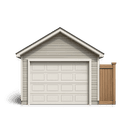
Other Structures
Detached structures on your property, such as a fence, shed, detached garage, or gazebo. Usually set at about 10 percent of your dwelling limit [2].

Personal Property
Your belongings, furniture, clothing, electronics, and appliances, generally written at 50 to 70 percent of your dwelling limit [2]. High-value items like jewelry and art carry special limits.

Additional Living Expenses
Also called loss of use. Pays your added living costs, hotel stays, meals, and a temporary rental, while a covered loss makes your home uninhabitable. Usually set at about 20 percent of your dwelling limit.

Liability
Covers you if someone is injured on your property, or you damage someone else's property, and you are found responsible. The standard $100,000 limit [2] is often raised to $300,000 or $500,000.

Medical Payments
Pays small medical bills, commonly $1,000 to $5,000, if a guest is hurt at your home regardless of fault, without a formal liability claim.
Homeowners Insurance Cost in Grand Rapids
Average Cost in Michigan
$100 - $240
per month
In Michigan, homeowners insurance premiums typically run $100 - $240 per month, which tends to run 6% below the national range of $110 - $250 per month.
- Home replacement cost, age, and construction type
- Roof age, material, and condition
- ZIP code and local weather risk (wind, hail, wildfire, hurricane)
- Coverage limits and endorsements
- All-peril and percentage wind/hail deductibles
- Claims history and insurance score where allowed
Typical range for many standard homeowners profiles; lower-risk homes fall below it and coastal, wildfire, or older-roof homes can run well above. Final pricing depends on property details, location, underwriting, and selected coverage.
Prices shown are general estimates, not guaranteed rates or quotes. Your actual premium will depend on the insurer, coverage selected, personal details, location, claims history, and other underwriting factors. Learn about our pricing methodology.
The age and condition of the roof often drive the quote early, because older roofing materials can change both eligibility and deductible options. Basement finish level matters too, especially if water backup is a concern and you want that exposure reviewed instead of left to a basic form. Construction type, heating system updates, prior claims, dog liability questions, distance to fire protection, and whether the home is owner occupied year round can all shift the premium.
Your deductible choice is another major lever. A lower deductible can make the monthly payment easier to predict after a loss, but it usually raises the premium. A higher deductible can reduce the premium, but only if you can comfortably absorb that out of pocket cost after a covered event. Endorsements also change the number quickly. Scheduled jewelry, broader water backup protection, equipment breakdown, service line coverage, and higher liability limits all add cost for specific reasons, so they should be chosen intentionally.
Premiums vary widely because every carrier weighs roof condition, rebuild cost, and claims history differently. A home with a newer roof and no recent claims may sit at the lower end of the range, while an older house with a finished basement and a high water backup limit will land higher. That spread is wide enough to matter, which is exactly why a side-by-side comparison beats a single quote. Ask each quote to show the same deductible, the same settlement basis, and the same optional coverages before you decide which one is actually competitive.
What Affects Homeowners Insurance Rates in Grand Rapids
Grand Rapids changes the cost conversation less through a unique citywide rate rule and more through home economics that affect what you can reasonably retain. The local median home value is $225,500, so rebuilding-related limits, detached structures, and personal property settings deserve a closer review than a bare minimum quote. A higher deductible may lower premium but still create strain if you need to use the policy after a covered loss. That tradeoff matters here because the wrong deductible choice can leave you underprepared even if the monthly bill looks manageable. A useful quote review starts with three questions: whether the dwelling limit reflects the home's condition and updates, whether the deductible is an amount you could actually fund, and whether optional endorsements are solving a real gap rather than adding cost without a clear purpose. Ask to see those choices side by side before you decide.
What Makes Grand Rapids Different
Your policy often doubles as working documentation for lenders, title teams, sellers, and contractors who may all expect accurate insurance documents before financing proceeds or post-closing work begins. Kent County has 17,562 business establishments across retail, healthcare, and professional services, so the professionals handling your transaction have seen plenty of closings stall over paperwork errors and will expect yours to be correct the first time. A cheap quote that arrives with the wrong mortgagee, missing endorsement details, or an effective date mismatch can slow a closing or create cleanup work at the worst time. Treat the insurance review as part of your transaction checklist and confirm key policy details before you authorize binding.
Our Recommendation for Grand Rapids
Start with the paperwork that other parties will actually inspect. If you are buying, refinancing, or taking possession after repairs, ask for a sample declarations page before binding so you can check the essentials without rushing on closing day. Review limits against the home itself rather than a generic template, because construction costs in your neighborhood may run higher than a default estimate suggests. From there, pressure test the deductible against your cash flow. The lowest premium is not always the most workable choice if a claim would force you to fund a deductible you cannot comfortably absorb. If you expect immediate updates after purchase, disclose that up front and ask whether any vacancy or renovation details should be reflected before coverage starts.
Get Homeowners Insurance in Grand Rapids
Enter your ZIP code to compare homeowners insurance rates from carriers in Grand Rapids, MI.
Home insurance starting at $50/mo
FAQ
Frequently Asked Questions
Grand Rapids closings usually go smoother when your lender receives a declarations page with the correct details before signing. Review those fields early so last-minute corrections do not delay funding.
A higher deductible lowers your premium but raises what you pay out of pocket when a claim happens. Pick a number you could actually write a check for tomorrow without straining your finances.
With a median home value of $225,500, rebuilding in Grand Rapids after a total loss could cost more than a default policy assumes if labor and materials spike. Check whether dwelling, other structures, and personal property limits fit the home you are insuring and any recent updates.
Kent County has 17,562 business establishments, so your closing likely depends on several local professionals who each need accurate proof of coverage before they release funds or begin work. Getting the declarations page right the first time can prevent avoidable delays when multiple parties are waiting on it.
Michigan homeowners insurance is regulated by the Michigan Department of Insurance and Financial Services. If you need consumer guidance, complaint information, or help understanding insurer conduct, that is the state agency to check before escalating a billing or claims dispute.
Michigan homes often have basements, so water backup and lower-level damage questions can change how you structure the quote. Ask whether backup protection is included or optional, and review exclusions before you assume a standard policy may help cover every water-related loss.
Michigan lake homes often need a more detailed review of flood exposure, detached structures, seasonal occupancy, and liability from guests or water access. A standard quote may still work, but only after those property-specific details are disclosed and endorsed correctly.
Michigan carriers often look closely at roof age because storm-related losses can be expensive. An older roof can affect eligibility, deductible options, and settlement terms, so confirm how the roof is valued before you choose a lower-priced quote.
Sources
- 1.U.S. Census Bureau, ACS 5-Year Estimates, table B25077(Grand Rapids has a median home value of $225,500.)
- 2.U.S. Census Bureau, County Business Patterns, Kent County(Kent County has 17,562 business establishments.; Kent County's leading sectors by establishment share are retail trade at 12.3%, health care and social assistance at 11%, and professional, scientific, and technical services at 10.7%.)
Updated July 16, 2026