Updated July 16, 2026

Business Owners Policy Insurance in Michigan
If you are comparing a business owners policy in Michigan, the biggest question is not whether you need a quote. It is whether one bundled policy can fit your building, equipment, inventory, and income risks in a state where severe storms, winter storms, and a high volume of small businesses all shape how coverage is priced. Michigan has 242,800 businesses, and 99.6% are small businesses, so carriers here are used to quoting storefronts, offices, light manufacturers, and service firms that want commercial property and general liability in one package. That matters in places like Lansing, Grand Rapids, Detroit, and Traverse City, where weather exposure drives up property claims, burglary trends affect liability and property rates, and local property values change what it costs to rebuild. A BOP is also influenced by the state insurance market, with 440 active insurers and a premium index above the national average. That many carriers means more competition for your account, but it also means you have to compare quotes carefully because pricing and underwriting appetite can vary widely from one company to the next. A premium index above the national average means you may pay more here than in other states for similar coverage, so deductible choices and endorsement selection matter for your final cost. When you balance property, liability, and business income protection without overbuying, start the quote conversation with your building, your contents, and your operating downtime risk.
What Business Owners Policy Insurance Covers
In Michigan, a BOP is still built around the same core protections, but the way you structure it should reflect local conditions and carrier underwriting. The base package combines commercial property and general liability, and it often includes business income coverage for a temporary shutdown after a covered loss. That is especially relevant in Michigan because severe storm and winter storm exposure is high, and recent disaster history includes tornado outbreaks, derecho events, river flooding, and a polar vortex. Those events can damage roofs, siding, inventory, refrigeration, and equipment in a way that interrupts revenue even when the business itself is otherwise healthy.
Michigan does not require a BOP as a standalone policy, but the state does require workers compensation for businesses with at least one employee, so your policy is usually part of a broader small business insurance bundle rather than the only coverage you buy. Common BOP options in this market include equipment breakdown coverage and, in some cases, hired and non-owned auto coverage, though those add-ons vary by carrier.
A Michigan BOP generally can help cover the building you own or lease improvements to, plus furniture, fixtures, equipment, and inventory. Liability protection addresses third-party claims tied to your premises or operations. What it does not automatically include can vary, so you should confirm whether your quote includes business income coverage, equipment breakdown coverage, and any endorsements your location needs after reviewing your carrier forms and the Michigan Department of Insurance and Financial Services guidance.
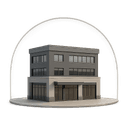
Commercial Property
Can help repair or replace your building, equipment, inventory, and furnishings after covered events like fire, wind, or theft.

General Liability
Can help cover customer injuries, damage to property owned by others, and related legal costs your business becomes responsible for.
Business Income
May replace lost income and help pay rent, payroll, and other continuing expenses while covered damage forces a temporary shutdown.
Equipment Breakdown
Typically covers repair or replacement when equipment like air conditioning, refrigeration, or computers fails from a sudden mechanical or electrical breakdown.
Hired & Non-Owned Auto
May respond when vehicles your business rents or employees' personal cars are used for work and cause an accident.
Business Owners Policy Insurance Requirements in Michigan
- Michigan businesses are regulated by the Michigan Department of Insurance and Financial Services, so policy forms, endorsements, and carrier practices should be reviewed through that framework.
- Workers compensation is required in Michigan for businesses with at least one employee, with exemptions for sole proprietors, partners, corporate officers, and LLC members.
- Coverage requirements may vary by industry and business size, so your BOP requirements in Michigan are not the same for a storefront, manufacturer, or office.
- If your policy includes optional endorsements, confirm whether business income coverage, equipment breakdown coverage, or hired and non-owned auto coverage is actually included.
How Much Does Business Owners Policy Insurance Cost in Michigan?
Average Cost in Michigan
$50 - $170
per month
Businesses in Michigan typically see business owners policy insurance premiums of $50 - $170 per month, which tends to run 5% above the national range of $50 - $160 per month.
- Annual revenue and industry class
- Building and contents values
- Square footage and building age
- Catastrophe exposure at your address
- Liability limits and property deductibles
- Claims history
Contact CPK Insurance for a personalized quote.
For Michigan businesses, your BOP cost is shaped by a mix of statewide market pressure and property-specific underwriting. Premiums reflect a market where insurance costs are above the national average and where carriers are balancing storm exposure, burglary trends, and the concentration of small businesses across the state. Coverage limits and deductibles matter most, especially if you want higher property limits for equipment or inventory in a warehouse, storefront, or production space.
Claims history is another major factor, and Michigan carriers may also look at location, industry or risk profile, and policy endorsements. A business in a storm-prone part of the state, or one with more valuable contents, usually needs more careful quoting than a low-hazard office operation. Because Michigan has 440 active insurance companies, pricing can vary meaningfully from one carrier to another, even for the same business profile.
In Michigan, the best quote conversation is one that includes your building details, square footage, payroll or revenue context if relevant to underwriting, inventory value, and whether you need endorsements. A BOP quote can also shift based on whether the business is in manufacturing, retail trade, accommodation and food services, or professional services, because those sectors are common in the state and carry different property and liability profiles.
| BOP Component | What's Included | Typical Limits |
|---|---|---|
| General Liability | Third-party injury, property damage, advertising injury | $1M/$2M |
| Commercial Property | Building, equipment, inventory, fixtures | Replacement cost |
| Business Interruption | Lost income + ongoing expenses during shutdown | 12 months coverage |
| Cyber (Endorsement) | Data breach response and liability | $50K to $100K |
| EPLI (Endorsement) | Employment discrimination, harassment claims | $50K to $250K |
| Equipment Breakdown | Mechanical/electrical equipment failure | Varies by equipment value |
General Liability
- What's Included
- Third-party injury, property damage, advertising injury
- Typical Limits
- $1M/$2M
Commercial Property
- What's Included
- Building, equipment, inventory, fixtures
- Typical Limits
- Replacement cost
Business Interruption
- What's Included
- Lost income + ongoing expenses during shutdown
- Typical Limits
- 12 months coverage
Cyber (Endorsement)
- What's Included
- Data breach response and liability
- Typical Limits
- $50K to $100K
EPLI (Endorsement)
- What's Included
- Employment discrimination, harassment claims
- Typical Limits
- $50K to $250K
Equipment Breakdown
- What's Included
- Mechanical/electrical equipment failure
- Typical Limits
- Varies by equipment value
How Michigan compares with the national baseline
Property crime per 100,000 residents
1,870 vs 2,200 baseline
Property crime in Michigan runs below the national average, at 1,870 vs 2,200 incidents per 100,000 residents.
Blue bar: Michigan. Gray line: national baseline.
Prices shown are general estimates, not guaranteed rates or quotes. Your actual premium will depend on the insurer, coverage selected, business details, location, claims history, and other underwriting factors. Learn about our pricing methodology.
Request a Quote Comparison
Enter your ZIP code to compare business owners policy insurance rates from top carriers.
Business insurance starting at $25/mo
Who Needs Business Owners Policy Insurance?
A BOP is a strong fit for many Michigan small businesses because 99.6% of the state's 242,800 businesses are small businesses, and many of them need a single policy that combines property coverage, liability coverage, and business income coverage. Retailers in cities like Detroit, Lansing, and Grand Rapids often use it to protect fixtures, stock, and customer-facing space. Restaurants and accommodation businesses may need it because kitchen equipment, dining areas, and inventory can be affected by storm damage or temporary closures. Professional and technical firms may use it to protect leased office contents and manage liability exposure tied to client visits or premises claims.
Michigan manufacturing is also a major factor. Manufacturing is the state's largest employment sector at 14.8% of jobs, which means carriers here have built specialized programs and underwriting appetite for production facilities. That concentration of manufacturing jobs means more local carriers understand equipment and inventory risks specific to production work, which can work in your favor if you run a light manufacturing or repair operation. In those settings, equipment breakdown coverage can be a useful add-on if the carrier offers it, because your policy can be customized for machinery and other operating assets. The state climate risk profile also makes this coverage relevant for businesses in counties exposed to severe storms, winter storms, flooding, or tornadoes.
Michigan law adds another planning point. Workers compensation is required for businesses with at least one employee, so owners often buy a BOP alongside that separate policy. Sole proprietors, partners, corporate officers, and LLC members may be exempt from workers comp requirements, but that exemption does not remove the need to evaluate property coverage or liability coverage. If you lease a storefront, keep inventory on site, or depend on weekly revenue to pay rent and utilities, a BOP is often a practical starting point.
Business Owners Policy Insurance by City in Michigan
Business Owners Policy Insurance rates and coverage options can vary across Michigan. Select your city below for localized information:
How to Buy Business Owners Policy Insurance
Start by gathering the information Michigan carriers will use to quote your BOP. You will need your legal business name, address, building type, square footage, year built, tenant improvements, equipment values, inventory values, annual revenue, and any prior claims history. Because the Michigan Department of Insurance and Financial Services regulates the market, you should compare quotes from multiple carriers rather than assuming one company form or pricing is representative of the state. The state specifically recommends comparing quotes from multiple carriers, and that is especially useful in a market with 440 active insurers and several well-known carriers active in the state.
Next, decide whether you need only the core commercial property and general liability package or whether you want endorsements such as business income coverage, equipment breakdown coverage, or hired and non-owned auto coverage. Those choices affect both your coverage scope and the final premium. If your operation is in a storm-exposed area, or if your inventory and equipment would be expensive to replace, provide accurate replacement values rather than rough estimates. Understating values can create a coverage gap when you need the policy most.
You should also verify whether your business has any separate compliance needs. Michigan requires workers compensation for businesses with at least one employee, and commercial auto has state minimums if you own insured vehicles, so a BOP quote should be reviewed alongside those other obligations. A practical buying process is to compare limits and deductibles across quotes, ask whether each one includes business income coverage, and confirm any endorsements in writing before you bind. Request a quote through CPK Insurance to compare your options with participating licensed providers.
How to Save on Business Owners Policy Insurance
The most effective way to control your BOP cost in Michigan is to account for local conditions that carriers care about. Michigan's severe storm and winter storm exposure means carriers pay close attention to roof age, building condition, and heating systems when pricing your property coverage. Upgrading your roof, installing security systems, or adding water leak detection can sometimes improve your pricing because those reduce the specific risks Michigan underwriters see most often. If your business is a small office with modest contents, you may not need the same property limits as a retailer with high inventory turnover or a manufacturer with specialized equipment. Choosing a higher deductible can reduce premium, but only if your cash flow can handle the out-of-pocket amount after a loss. That tradeoff matters in Michigan because storm-related claims and winter weather losses can affect many properties at once.
Another savings strategy is to keep your information accurate and current. Carriers price based on location, industry or risk profile, claims history, and endorsements, so a clean and complete application can prevent pricing surprises. If you operate in one of Michigan's many small-business-heavy markets, ask whether the carrier offers a small business insurance bundle that combines your BOP with workers compensation or other needed coverage through the same company. Bundling can simplify administration, though the exact pricing benefit varies by carrier.
You can also save by comparing quote options from multiple insurers. With 440 active companies in the state and several major carriers competing for small commercial accounts, rates and underwriting appetite can differ. Ask whether equipment breakdown coverage is included or optional, because adding only the endorsements you need can keep the policy focused. If your business is seasonal or has lower inventory during part of the year, ask the carrier how that affects your coverage. Finally, review your limits annually after growth, new equipment purchases, or a move to a different part of the state, because underinsuring contents or revenue can be more expensive than paying for the right limit from the start.
Our Recommendation for Michigan
For Michigan buyers, the smartest BOP decision is to build the quote around property, liability, and downtime together instead of treating them as separate purchases. Because severe storms and winter storms are high-risk exposures in the state, I would pay close attention to roof, contents, and business income limits before looking at optional extras. If you operate in retail, food service, or manufacturing, ask how inventory and equipment are valued and whether equipment breakdown coverage is available. Also confirm that the policy language matches your space type, especially if you lease in Lansing, Detroit, Grand Rapids, or another high-traffic market. Michigan's insurance market is competitive, so compare at least a few quotes and use the same coverage assumptions on each one. That makes it easier to see whether a difference is really about price, limits, or endorsements.
FAQ
Frequently Asked Questions
In Michigan, a BOP usually bundles commercial property and general liability, and it often includes business income coverage for temporary shutdowns after a covered loss. You should still confirm whether equipment breakdown coverage or other endorsements are part of the quote because those are not automatic on every form.
Your final cost depends on limits, deductibles, claims history, location, industry, and endorsements.
Michigan does not require every business to buy a BOP, but it does require workers compensation for businesses with at least one employee, subject to the listed exemptions. Your requirements will also vary by carrier, industry, building size, and whether you need specific property or liability limits.
Business income coverage can help replace lost income and certain ongoing expenses if a covered event forces a temporary closure. In Michigan, that can be especially relevant after severe storms or winter storm damage that interrupts operations while repairs are being made.
Yes, many BOPs can be customized with equipment breakdown coverage, but the endorsement is not guaranteed on every policy. If your business depends on machinery, refrigeration, or other operating equipment, ask the carrier to show exactly how the endorsement is written in your Michigan quote.
Gather your address, square footage, building details, equipment values, inventory values, revenue, and claims history, then compare quotes from multiple carriers. Michigan's market has 440 active insurers, so asking for the same coverage limits and deductibles from more than one company is the best way to compare options.
A BOP bundles general liability insurance, commercial property insurance, and business interruption coverage into a single policy at a discounted rate. Most BOPs can be customized with endorsements for cyber liability, employment practices liability, professional liability, equipment breakdown, and more.
Most small businesses pay between $500 and $2,000 annually for a BOP, which is 15-25% less than purchasing general liability and commercial property insurance separately. Costs depend on your industry, location, property value, revenue, and coverage limits.
Updated July 16, 2026