Updated July 16, 2026

Commercial Auto Insurance in Michigan
If you operate cars, vans, box trucks, or service vehicles in Michigan, the policy you choose has to match both your routes and the state's rules. Commercial auto insurance matters here because Michigan has a competitive market with hundreds of active insurers, a higher-than-national premium environment, and a commercial minimum liability standard for covered vehicles. That combination means pricing and protection can look different than in other states, especially for businesses running through high-traffic corridors where winter storms and heavy commuting can change claim patterns. Michigan also reports a high uninsured driver rate and an average claim cost of $16,926. When a single accident can cost that much, a basic policy may leave your business paying the difference out of pocket. That is exactly why your coverage should reflect real road exposure, not just a registration requirement. If your business uses a company car for client visits, deliveries, hauling tools, or operating a small fleet, the right policy can help align liability, collision, comprehensive, and endorsements with how your vehicles are actually used.
What Commercial Auto Insurance Covers
A business auto policy is built around business use, not personal errands, so it needs to match how the vehicle is registered, driven, and assigned. At a minimum, Michigan commercial vehicles must meet the state liability standard of $50,000/$100,000/$10,000. That means your policy may pay up to $50,000 per person and $100,000 per accident for bodily injury, plus $10,000 for property damage, which protects your business assets if your driver is at fault. All commercial vehicles must be registered with the Michigan DMV. That matters for owners running routes from Lansing to Ann Arbor, hauling inventory around the Detroit metro area, or making service calls in colder northern counties where winter storms can raise accident risk. The core protection usually includes liability for bodily injury and property damage, collision for crash-related damage to the insured vehicle, comprehensive for theft or weather-related losses, medical payments, and uninsured/underinsured motorist protection. Hired auto and non-owned auto coverage can extend protection to rented vehicles or employee-owned vehicles used for work, which is important when staff drive to client sites or make deliveries in their own cars.
Michigan's market also makes coverage selection more important because the state has a 25.5% uninsured driver rate, meaning roughly one in four drivers on the road lacks insurance. When a serious accident can cost tens of thousands of dollars, liability limits, deductibles, and endorsements should be chosen with local exposure in mind. Your policy should be reviewed carefully if your vehicles operate in severe storm corridors, on rural roads, or across a wide operating radius. Commercial truck insurance and fleet auto insurance in Michigan may need stronger limits than a single company car policy, especially if your vehicles are on the road daily.

Bodily Injury Liability
Covers injuries you cause to others in an accident

Property Damage Liability
Covers damage you cause to others' property
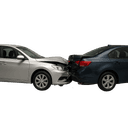
Collision Coverage
Pays for damage to your vehicle in an accident

Comprehensive Coverage
Covers theft, vandalism, weather, and animal damage

Medical Payments
Covers medical costs for your drivers and passengers
Uninsured Motorist
Protection when the other driver lacks insurance
Hired & Non-Owned Auto
Covers rented or employee-owned vehicles used for work
Commercial Auto Insurance Requirements in Michigan
- Uninsured/underinsured motorist coverage may be required, so confirm how your carrier applies it to your vehicle class and use.
- Hired auto and non-owned auto coverage can be important when employees drive personal cars or when the business rents vehicles for work.
How Much Does Commercial Auto Insurance Cost in Michigan?
Average Cost in Michigan
$140 - $440
per month
Businesses in Michigan typically see commercial auto insurance premiums of $140 - $440 per month, which tends to run 5% above the national range of $140 - $410 per month.
- Fleet size and vehicle types
- Driver records and experience
- Coverage limits and deductibles
- Business industry and use
- Annual mileage and operating radius
- Claims history
Rates based on small business averages. Your actual premium may vary.
Commercial auto insurance cost in Michigan is shaped by both business use and the state's higher-than-national premium environment. Per-vehicle pricing depends on factors like vehicle type, fleet size, garaging location, driver history, operating radius, limits, deductibles, and claims history. Michigan's market is above the national average, but it is competitive with hundreds of active insurers vying for business.
Several Michigan factors can push premiums up or down. Fleet size and vehicle types matter, especially for mixed fleets with vans, pickups, and specialty vehicles. Driver records and experience are important because Michigan logged 312,000 crashes in 2023, with drowsy driving, speeding, and reckless driving among the top causes. With that many crashes, carriers pay close attention to driver history. If your drivers have clean records, you may see a meaningful pricing difference. Coverage limits and deductibles also affect pricing, and businesses choosing higher limits to better match local accident severity may pay more. Operating radius matters too, since a company running across metro Detroit and the I-75 corridor may face different pricing than one staying within a smaller local area. Claims history is another key factor, and Michigan's severe weather and flooding exposure can influence comprehensive-related pricing.
For planning purposes, the average premium range of $140 to $440 per month is a useful benchmark, but the lowest premium is not always the most practical fit. Business auto insurance in Michigan should be priced against actual exposure, not just monthly cost.
| Coverage Type | What It Covers | Typical Limits |
|---|---|---|
| Bodily Injury Liability | Injuries to others in accidents you cause | $500K to $2M |
| Property Damage Liability | Damage to others' property | $100K to $1M |
| Collision | Damage to your vehicle in an accident | Actual cash value |
| Comprehensive | Theft, vandalism, weather, animal damage | Actual cash value |
| Medical Payments | Medical costs for your drivers/passengers | $5K to $25K |
| Uninsured Motorist | Protection when other driver lacks insurance | $500K to $1M |
| Hired & Non-Owned | Rented or employee personal vehicles | Same as liability limits |
Bodily Injury Liability
- What It Covers
- Injuries to others in accidents you cause
- Typical Limits
- $500K to $2M
Property Damage Liability
- What It Covers
- Damage to others' property
- Typical Limits
- $100K to $1M
Collision
- What It Covers
- Damage to your vehicle in an accident
- Typical Limits
- Actual cash value
Comprehensive
- What It Covers
- Theft, vandalism, weather, animal damage
- Typical Limits
- Actual cash value
Medical Payments
- What It Covers
- Medical costs for your drivers/passengers
- Typical Limits
- $5K to $25K
Uninsured Motorist
- What It Covers
- Protection when other driver lacks insurance
- Typical Limits
- $500K to $1M
Hired & Non-Owned
- What It Covers
- Rented or employee personal vehicles
- Typical Limits
- Same as liability limits
How Michigan compares with the national baseline
Uninsured drivers
25.5% vs 11.6% baseline
About 25.5% of Michigan drivers are estimated to be uninsured, above the 11.6% average across states.
Fatal crashes per 100 million miles
1.23 vs 1.33 baseline
Michigan sees about 1.23 fatal crashes per 100 million miles driven, below the national average of 1.33.
Blue bar: Michigan. Gray line: national baseline.
Prices shown are general estimates, not guaranteed rates or quotes. Your actual premium will depend on the insurer, coverage selected, business details, location, claims history, and other underwriting factors. Learn about our pricing methodology.
Request a Quote Comparison
Enter your ZIP code to compare commercial auto insurance rates from top carriers.
Business insurance starting at $25/mo
Who Needs Commercial Auto Insurance?
Commercial auto insurance in Michigan is relevant for any business that puts a vehicle on the road for revenue-generating work, from plumbers driving to job sites to florists making local deliveries. It is especially important in a state where 242,800 businesses operate and 99.6% are small businesses. For a small operation, a single major claim can threaten the company's finances. A policy that fits your actual scale can help protect your business from absorbing that risk alone. Manufacturing firms moving parts between facilities, retail businesses making deliveries, healthcare organizations transporting supplies or staff, and food service operators running errands or supply pickups all have business-use exposure. If your company car is used for client meetings, service calls, or transporting tools, company car insurance is usually more appropriate than a personal auto policy because personal coverage often does not fit business use.
Fleet auto insurance is important for businesses that manage several vehicles across multiple drivers or locations. That includes contractors with service vans, local distributors with box trucks, and businesses with employees driving between job sites in places like Detroit, Lansing, Grand Rapids, and Traverse City. The state's winter storm and severe storm profile makes vehicle downtime and collision risk more relevant for businesses that stay on the road year-round. If a vehicle is rented for short-term business use, hired auto coverage may be needed. If employees drive their own cars for work errands or client visits, non-owned auto coverage may close a gap.
Commercial auto liability coverage is also important for businesses that cannot absorb a large claim out of pocket. With frequent crashes and a 25.5% uninsured driver rate, businesses that rely on road travel face exposure even when their own drivers are careful. For many Michigan owners, the question is not whether they use a vehicle for business, but whether the policy matches how often, how far, and how heavily those vehicles are used.
| Requirement | What Michigan law says |
|---|---|
| Auto liability minimums | $50,000/$100,000/$10,000 (bodily injury per person / per accident / property damage). These floors apply to personal and business vehicles alike; lenders and contracts often require more. |
| Where to verify | Michigan Department of Insurance and Financial Services publishes current requirements, consumer guides, and license lookups. |
Commercial Auto Insurance by City in Michigan
Commercial Auto Insurance rates and coverage options can vary across Michigan. Select your city below for localized information:
How to Buy Commercial Auto Insurance
Buying commercial auto insurance in Michigan starts with matching the policy to the vehicle's actual business use. Your insurer will typically want the vehicle details, ownership information, garaging location, and how the vehicle is used. Be ready to describe whether you need coverage for one company car, a small fleet, a commercial truck, or a mix of vehicles. You should also identify whether employees ever drive personal vehicles for work, whether you rent vehicles for jobs, and whether you need hired auto or non-owned auto coverage.
Michigan's regulatory environment makes it important to confirm the state minimum liability standard and ask whether uninsured/underinsured motorist coverage is required for your situation. Since the Michigan Department of Insurance and Financial Services oversees the market, quote comparisons should focus on both price and how each carrier handles endorsements, deductibles, and business-use classifications. When requesting a quote, provide driver records, annual mileage, operating radius, vehicle types, and any prior claims. Those details help carriers price the policy more accurately. If your business operates across weather-prone areas or depends on daily routes, ask how comprehensive and collision are handled, and whether fleet auto insurance can be structured with different deductibles for different vehicle classes. Request a quote through CPK Insurance to compare your options with participating licensed providers.
How to Save on Commercial Auto Insurance
Commercial auto insurance cost in Michigan can often be managed by controlling the risk factors carriers use to price the policy. A fleet safety program is one of the most practical steps because drowsy driving, speeding, and reckless driving are major causes of crashes in the state. If your drivers operate in winter conditions, training around stopping distance, traction, and route planning can help reduce avoidable loss activity. GPS tracking and dash cameras also play a role here. When you can document exactly what happened during an incident, you are better positioned to dispute invalid claims and keep your loss history clean, which is useful in a state with severe storm and winter storm exposure.
Another way to manage pricing is to align deductibles and limits with the way the vehicle is used. A local service van in Lansing may not need the same structure as a commercial truck operating across a wider radius, and a mixed fleet may benefit from different deductibles by vehicle type. Bundling can also help, since combining commercial auto with other business policies may reduce cost through multi-policy discounts, though actual results vary by carrier and account profile. Given Michigan's broad market, it is worth comparing multiple quotes because carrier appetite for vehicle type, driver history, and operating territory can differ. You can also reduce cost by keeping driver records clean, limiting unnecessary mileage, and reviewing coverage annually. Because the state's average claim cost is high and uninsured drivers are common, cutting coverage too far may create more exposure than savings.
Our Recommendation for Michigan
For Michigan businesses, the smartest approach is to buy commercial auto insurance around actual vehicle use, not a generic estimate. Start with the state minimum liability standard, then decide whether your routes, vehicle values, and driver mix justify higher limits or added endorsements. If employees use their own cars, ask about non-owned auto coverage. If you rent vehicles for jobs, ask about hired auto coverage. In a market with hundreds of active insurers and above-average premiums, comparing several carriers can reveal meaningful differences in how they price fleets, company cars, and commercial trucks. I would also pay close attention to winter and severe storm exposure, because those risks can affect both collision and comprehensive losses in Michigan. For many owners, the best quote is the one that clearly explains what is covered, what is excluded, and how the policy responds to business driving across the state.
FAQ
Frequently Asked Questions
In Michigan, your policy can help cover liability, collision, comprehensive, medical payments, and uninsured/underinsured motorist protection, with hired auto and non-owned auto options available when the business uses rented or employee-owned vehicles.
Michigan requires commercial vehicles to meet the $50,000/$100,000/$10,000 liability minimum and be registered with the Michigan DMV. Uninsured/underinsured motorist coverage may also be required depending on the policy setup.
Small-business averages commonly run about $140 to $440 per vehicle per month, depending on vehicle type, drivers, mileage, and claims history.
Any business using a vehicle for work in Michigan may need coverage, especially companies with service cars, delivery vans, trucks, or fleets that operate in places like Detroit, Lansing, Grand Rapids, or northern counties.
It can, if you add non-owned auto coverage, which is designed for employee-owned vehicles used for work errands, client visits, or deliveries.
Provide vehicle details, driver records, mileage, operating radius, business use, and whether you need hired auto or non-owned auto coverage, then compare quotes from multiple Michigan carriers.
Fleet size, vehicle type, driver records, annual mileage, operating radius, coverage limits, deductibles, and claims history are the main pricing factors, with winter and severe storm exposure also relevant.
Commercial auto insurance can help cover liability for bodily injury and property damage, collision damage to your vehicles, comprehensive coverage for theft and weather damage, medical payments, and uninsured/underinsured motorist protection. It also can help cover hired and non-owned vehicles with the right endorsements.
Updated July 16, 2026