Updated July 16, 2026

Builders Risk Insurance in Warren
In a tighter local market, the main difference is usually underwriting appetite and documentation, not a completely different policy form. For builders risk insurance in Warren, that means you often get farther by presenting a clean project story up front, including who owns the job, whether it is a ground-up build or a renovation, how materials are secured, and what the lender or contract requires before funds are released. Many projects here are modest in scale, but underwriters still want the same clarity on values, soft costs, and construction timeline they would ask for on a larger build. Warren's median home value is $181,900, so a kitchen addition or second-story remodel can easily represent a third of the property's total worth. Underinsuring a remodel or addition can leave a gap if materials, fixtures, or partially completed work are damaged before completion. When you request terms, bring the construction budget, project schedule, site address, and the contract section assigning insurance responsibility. From there, compare how each quote handles renovation exposure and change orders.
Builders Risk Insurance Risk Factors in Warren
Warren's top risk factors include Severe weather, Property crime, Flooding, and Vehicle accidents.
Michigan has a moderate climate risk rating. Top hazards: Severe Storm (High), Winter Storm (High), Flooding (Moderate), Tornado (Moderate). The state's expected annual loss from natural hazards is $1.4B, which influences builders risk insurance premiums and may affect coverage availability in high-risk areas.
What Builders Risk Insurance Covers
For a Michigan project, the useful question is not whether builders risk exists, but which property and soft cost exposures belong on the schedule before work starts. A ground up build near the lakeshore, an urban infill renovation, and a tenant improvement inside an occupied structure can all need different treatment for temporary works, stored materials, and property that will be installed later in the job. If your contract is vague, ask for the exact list of covered property categories and the valuation basis used for each one.
Michigan conditions make that review practical, not theoretical. Water intrusion during framing, freeze related damage to partially enclosed spaces, wind driven loss to unsecured materials, and theft from lightly staffed sites can all create disputes if the form is too narrow or the reporting is incomplete. You should confirm whether the policy is written to include materials in transit, materials at temporary storage locations, and existing structure exposure if you are remodeling rather than building from scratch. Those details matter because a renovation loss can involve both new work and parts of the original building.
Owners, developers, lenders, and general contractors often need to appear in specific ways for draws and claim handling to move smoothly. Ask your agent to compare the insurance requirements in the construction agreement against the draft policy, then resolve any mismatch before materials or equipment start arriving.
Coverage Included

Structure Coverage
Covers the building or structure under construction.

Materials on Site
Covers building materials stored at the construction site.

Materials in Transit
Covers materials being transported to the job site.
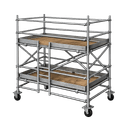
Temporary Structures
Covers scaffolding, fencing, and temporary buildings.

Soft Costs
Covers additional expenses from construction delays due to covered losses.

Equipment Coverage
Covers permanently installed fixtures and equipment.
Industries & Insurance Needs in Warren
Macomb County's project mix is the local context worth paying attention to. The county has 19,506 business establishments, and construction accounts for 10.6% of establishment share, alongside health care and social assistance at 14% and retail trade at 13.8%. So a builders risk submission here often needs to fit a wide range of job types, from tenant improvements and storefront work to medical office renovations and smaller commercial build-outs, not just single-family construction. That affects what you should ask for in the quote review: whether temporary structures are contemplated, how materials in transit or at another location are treated, and whether the form matches a phased renovation where part of the premises may stay occupied. If your job serves a landlord, retailer, clinic, or other commercial owner, ask for the certificate and policy language early enough to satisfy lease, loan, or contract review before the first delivery reaches the site.
What Makes Warren Different
In a market where many residential and light commercial jobs are renovations, additions, or practical build-outs rather than marquee developments, the risk is not that the project looks unusually complex. The real exposure is concentrated value in a small footprint. Warren's median household income is $63,741, and that budget reality can push owners to trim limits or skip soft cost discussions to keep the premium low. A modest project can still have concentrated value in cabinets, mechanicals, electrical materials, or owner-supplied finishes sitting on site before completion. If the build depends on lender draws, landlord approval, or a fixed completion window, a delay can become a cash-flow issue quickly. The practical move is to set the completed value carefully, identify any owner-furnished materials, and confirm how the policy treats theft, vandalism, and partial occupancy before work starts.
Our Recommendation for Warren
Start with the contract, then build the insurance request around the actual job. On local residential work, ask your agent to separate the existing structure exposure from the new work value so you can see whether the renovation is being addressed clearly rather than assumed. On commercial jobs, provide the lease, lender requirements, or owner agreement early, because proof expectations can slow a project even when the build itself is straightforward. Materials arriving in stages should be documented with the higher-value items listed along with where they will be stored. Sites that will be unattended for stretches need a clear description of fencing, lighting, locks, and who checks the property. As you compare quotes, pay attention to how each one values the work in progress and what causes of loss are included. Also weigh whether the deductible fits the project budget and how change orders are handled. Before binding, confirm the named insureds and loss payee language match the contract exactly, then keep a copy with the draw package and job file.
Get Builders Risk Insurance in Warren
Enter your ZIP code to compare builders risk insurance rates from carriers in Warren, MI.
Business insurance starting at $25/mo
FAQ
Frequently Asked Questions
Renovation jobs often look manageable on paper, but the finished value can still be significant relative to the property. A $40,000 kitchen renovation on a $180,000 home can leave you short if cabinets and mechanicals are damaged mid-install and the limit was set too low to replace them.
Commercial projects often involve lease review, draw schedules, and certificate wording before materials arrive. Macomb County has 19,506 business establishments, so property managers here deal with enough tenant turnover and construction activity to insist on clarified insurance responsibility before work begins. That way there is no dispute if something goes wrong during construction.
It does. Construction makes up 10.6% of county establishments, with health care and retail also prominent, so many submissions involve tenant improvements, clinic renovations, and storefront work. Occupancy, phasing, and contract language deserve close review on those jobs because a retail tenant or medical practice may need to keep operating in adjacent space while work happens.
Base the request on completed value and the cost of materials already committed to the job, not just the contractor deposit. Budget pressure is real, but trimming limits can leave expensive finishes or installed systems short if a loss happens before the build is finished.
Review who has the insurable interest, who needs to be a named insured, and whether a lender or property owner needs loss payee wording before binding, so the policy matches the job documents from day one.
Michigan renovation projects often need a separate review because the risk can involve both new work and parts of the existing building. If the site stays occupied, ask how the builders risk form and the current property policy divide responsibility before work starts.
The construction contract decides. Read the insurance clause carefully and make sure the policy matches the party responsible for the site, the financing, and the materials in place.
It depends on the form. Some include temporary storage by default, while others cap it or exclude it entirely. If materials will sit in a warehouse or yard before delivery, name the location and confirm in writing that the policy picks it up.
Sources
- 1.U.S. Census Bureau, ACS 5-Year Estimates, table B25077(Warren's median home value is $181,900.)
- 2.U.S. Census Bureau, County Business Patterns, Macomb County(Macomb County has 19,506 business establishments.; In Macomb County, leading sectors by establishment share are health care and social assistance at 14%, retail trade at 13.8%, and construction at 10.6%.)
- 3.U.S. Census Bureau, ACS 5-Year Estimates, table B19013(Warren's median household income is $63,741.)
Updated July 16, 2026