Updated July 16, 2026

Key Takeaways
- Review your construction contract before requesting a quote, so the named insureds and insurance responsibility match the job documents.
- Prepare the project budget, timeline, address, and scope summary before applying, so the quote reflects the work actually being built.
- Check whether the policy addresses on-site materials, transit, temporary structures, and soft costs before the first delivery arrives.
- Compare the policy term against your realistic completion schedule, then ask about extension options before the original term gets close to expiring.
- Map builders risk against your liability, installation, and equipment policies, so you avoid both coverage gaps and overlapping property insurance.
Builders Risk Insurance in Minnesota
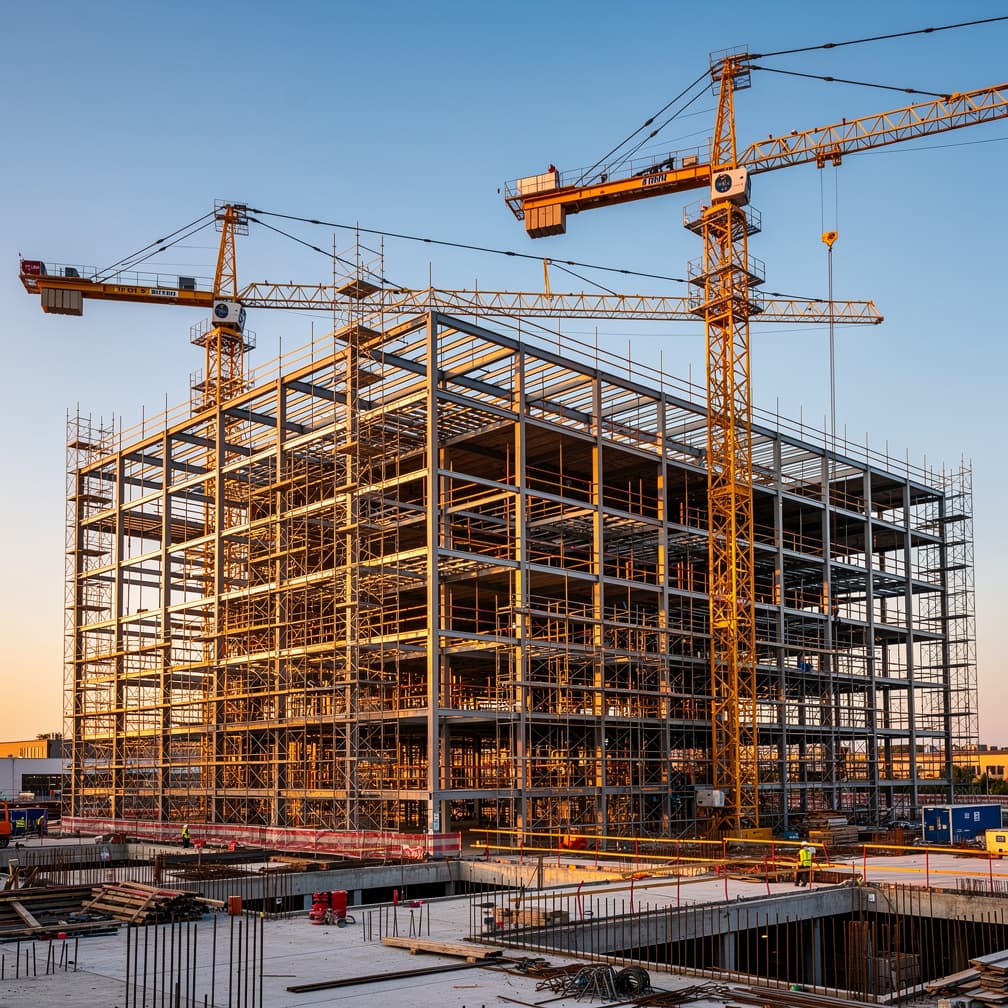
Your construction contract usually answers the first builders risk question by spelling out who must insure the job, for what value, and which parties need to be shown before funds are released or work starts. Satisfying that requirement means matching the policy to the construction agreement, the draw schedule, and the property that will actually sit on site between delivery and installation. Builders risk insurance is often reviewed with weather exposure in mind, because a project can face very different conditions during excavation, framing, dry-in, and finish work. That matters if materials are stored outdoors, if a renovation leaves part of the structure temporarily exposed, or if a delayed delivery changes the sequence of work.
You also want the policy paperwork to line up with lender, owner, and general contractor expectations before the first certificate request arrives. If the contract language is vague, ask for clarification before binding coverage. Pay special attention to completed value, temporary structures, and who is responsible for materials after they reach the site.
What Builders Risk Insurance Covers
A project that receives windows, mechanical equipment, or finish materials early can create a different exposure than one that schedules deliveries close to installation. That is worth addressing up front, because coverage terms often turn on whether property is at the job site, in temporary storage, or already part of the work.
Renovation work deserves extra attention. If you are improving an occupied building, you need to separate existing property from new work, then confirm how the policy treats partially completed areas, temporary enclosures, and materials staged for the next phase. The same applies if the project moves in sections and one area is enclosed while another remains open to the elements.
Weather patterns also affect what you ask the broker to review. If the schedule runs through seasons with wind, hail, heavy rain, or snow exposure, ask how the form handles water intrusion after a temporary opening, damage to stored materials, and cleanup tied to a covered event. Those specifics can shape your coverage more than a generic checklist.
The state regulator is the Minnesota Department of Commerce. Checking a provider's license and complaint history at mn.gov/commerce before you finalize the policy terms helps protect you from unlicensed sellers and gives you a place to turn if a dispute arises.

Structure Coverage
Covers the building or structure under construction.

Materials on Site
Covers building materials stored at the construction site.

Materials in Transit
Covers materials being transported to the job site.
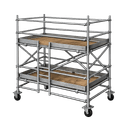
Temporary Structures
Covers scaffolding, fencing, and temporary buildings.

Soft Costs
Covers additional expenses from construction delays due to covered losses.

Equipment Coverage
Covers permanently installed fixtures and equipment.
Builders Risk Insurance Requirements in Minnesota
- Minnesota weather shifts can complicate temporary openings, stored materials, and partially enclosed work, so confirm how the policy handles those conditions across seasons before binding.
- For occupied renovations, check whether the policy requires specific protective measures during phased construction or temporary shutdowns.
- When high-value items arrive early, document exactly where they will be stored and for how long, because extended on-site exposure can change the underwriting approach.
- Report schedule shifts promptly so the policy term and project details stay aligned, preventing coverage gaps during extended phases.
How Much Does Builders Risk Insurance Cost in Minnesota?
Builders risk pricing is usually shaped by the project file you hand the underwriter, and if the completed value is rough, the schedule is uncertain, or the scope leaves open questions about renovation versus new construction, the quote often comes back slower and with more conditions. A cleaner submission gives you a better basis for comparing terms instead of just scanning for the lowest number.
The biggest cost drivers are usually the completed value, construction type, job duration, and how exposed the site is during each phase. A ground-up project with a long build timeline can be underwritten differently from an interior renovation with limited structural work. The same is true if materials are delivered early, stored off site, or left unsecured before installation. Those operational details directly shape the underwriting assessment.
Weather timing can also change the discussion. If your schedule includes open-roof work, exterior framing, or site storage during periods with higher storm or snow exposure, ask the underwriter to review those phases specifically. You do not want assumptions in the quote that do not match the actual sequence of work.
To get a usable quote, send the contract requirements, project address, completed value, construction timeline, site security details, and a clear list of any soft costs or temporary structures you want reviewed. That gives you a quote you can actually buy, not just a placeholder number that changes at binding.
Request a Quote Comparison
Enter your ZIP code to compare builders risk insurance rates from top carriers.
Business insurance starting at $25/mo
Who Needs Builders Risk Insurance?
Owners, developers, general contractors, and design-build teams each carry different slices of financial risk if the job is damaged before completion, so the contract usually determines who is responsible for buying the policy. If money is tied to the project and a loss would delay completion, that party should confirm the insurance obligation early.
Owners often need to look closely when a lender expects evidence of coverage before releasing funds. General contractors should review it when the prime contract makes them responsible for insuring the work or coordinating project-wide coverage. Developers may need it when they are carrying the project budget and schedule risk across multiple phases. Design-build teams should also confirm whether the contract expects one policy to respond for the full job or whether responsibilities are split.
Renovation projects create another common need. If you are improving an existing building while tenants, staff, or operations remain in place, the financial consequences of a loss can spread beyond the damaged work itself. That is why contract language, phasing, and occupancy plans need to be reviewed together.
Subcontractors usually do not buy the main policy unless the contract specifically puts that duty on them, but they still need to know how materials, installed work, and site deliveries are treated. Before the job starts, ask for the exact insurance section of the contract and compare it against the quote request carefully.
Builders Risk Insurance by City in Minnesota
Builders Risk Insurance rates and coverage options can vary across Minnesota. Select your city below for localized information:
How to Buy Builders Risk Insurance
Your construction agreement and lender requirements form the foundation of the quote package. That usually means confirming who must purchase the policy, the value that needs to be insured, the project term, and which parties need to be recognized on the paperwork. If those points are unclear, clarify them before requesting a quote.
Next, assemble the operational details the underwriter will actually use. Include the project address, scope of work, completed value, start date, expected completion date, construction type, and whether this is new construction, an addition, or a renovation. Add information about site fencing, lighting, locked storage, water control, and how materials will be delivered and protected before installation. If the job is phased, say so clearly.
Then look at the exposures that are easy to miss. Ask whether temporary storage, materials in transit to the site, temporary structures, scaffolding, and soft costs need to be scheduled or endorsed. If the project will pass through periods of higher storm, rain, or snow exposure, make sure the timeline in the application reflects that reality.
Before purchase, compare the quote to the contract, not just to another quote. Check named parties, covered property categories, valuation basis, term length, and any conditions tied to vacancy, security, or weather-related protections. Once the policy matches the job, request the evidence of coverage your owner, lender, or general contractor needs so the project can move without paperwork delays. Request a quote through CPK Insurance to compare your options with participating licensed providers.
How to Save on Builders Risk Insurance
Underwriters price unknowns conservatively, so a vague scope, loose values, or an unrealistic timeline can mean a slower quote, more conditions, and a premium that runs noticeably higher than a fully documented project. Give exact project details, then update them if the schedule or budget changes.
You can also save by tightening site controls that directly affect claim frequency. Document fencing, lighting, lockable storage, delivery procedures, and who is responsible for securing materials after hours. If high-value items will sit before installation, explain where they will be kept and how long they will remain exposed. That helps the underwriter evaluate the risk on facts instead of assumptions.
Weather planning is part of cost control. If exterior work, roof openings, or material staging will overlap with periods of heavier storm or snow exposure, show the protective steps you use. Temporary coverings, drainage planning, and delivery timing that reduces on-site accumulation all help. A realistic weather plan can support a cleaner underwriting review than a schedule that ignores seasonal conditions.
Finally, avoid buying a policy that does not match the contract. Midstream corrections, added parties, value changes, and term extensions can all increase total cost and create friction with lenders or owners. Before binding, review the insurance requirements, the project budget, and the construction schedule together, then ask for revisions while the quote is still being negotiated.
Our Recommendation for Minnesota
For Minnesota projects, your contract and construction calendar should be reviewed together as one buying document. If the agreement says the project must be insured to a certain value or that specific parties must appear on the policy, verify those items before the first delivery reaches the site. Correcting mismatches after a lender or owner rejects the paperwork can stall your project for weeks.
Review the job by phase, not just by total value. Ask what property is exposed during excavation, framing, dry-in, interior build-out, and punch work. That approach helps you catch issues around temporary storage, partially enclosed areas, and materials that arrive well before installation.
For renovations, separate existing building concerns from the new work as early as possible. If the structure stays occupied, confirm how the project will be protected during openings, shutdowns, and phased turnover. Those details often matter more than broad coverage labels.
Before you request a final quote, prepare one clean package. Include contract insurance requirements, completed value, timeline, site security plan, and any special property you want reviewed. Then compare quotes against that package carefully, and ask questions where the wording does not clearly match the job.
FAQ
Frequently Asked Questions
The buyer is typically the party the contract makes responsible for insuring the job, often the owner, developer, or general contractor. Start with the insurance clause, then confirm the policy matches the required value, term, and named parties.
Many lenders expect evidence that the project is insured before funds move or construction advances. Review the loan documents and construction contract together, then make sure the policy paperwork reflects the same insured value and project term.
Projects often need closer review of weather-related exposure during framing, dry-in, roofing, and material storage. Ask how the policy addresses damage involving temporary openings, stored property, and delays that change the sequence of work.
Renovations often need more precise underwriting because existing property, occupied space, and phased work can overlap. Separate the new work from the existing structure, then confirm how temporary protection and staged construction are treated.
A usable quote usually starts with the contract requirements, project address, completed value, construction timeline, and site security details. Add any temporary storage, soft costs, or special property you want reviewed before comparing options.
That depends on the contract and the policy language, but many buyers review builders risk because a standard property form may not be designed around property during construction. Compare the contract requirements against the actual coverage terms before deciding.
Insurance questions and licensing checks go through the Minnesota Department of Commerce. You can verify an insurer or review general consumer guidance at mn.gov/commerce before finalizing your purchase.
Builders risk insurance may cover, subject to policy terms, the structure under construction, materials on site, materials in transit, temporary structures, and fixtures or equipment being installed. Depending on the policy, you can also review soft costs and delay-related coverage tied to a covered property loss.
Sources
- 1.Minnesota Department of Commerce(The state regulator is the Minnesota Department of Commerce, so if you want to verify licensing, complaint handling, or general insurance guidance while comparing options, that is the agency to check before you finalize the policy terms.)
Updated July 16, 2026