Updated July 16, 2026

Key Takeaways
- Compare quotes using the same peak inventory value, deductible, and valuation assumptions so you can see real coverage differences.
- Ask in writing how the policy handles hail, flood, theft, vandalism, and test drives before you bind coverage.
- Prepare a current inventory schedule, offsite storage list, and security summary before requesting dealer open lot insurance quotes.
- Review whether flood needs separate placement instead of assuming another policy form includes it automatically.
- Requote after security upgrades, lot layout changes, or improved claims history so pricing reflects your current risk.
Dealer Open Lot Insurance in Minnesota
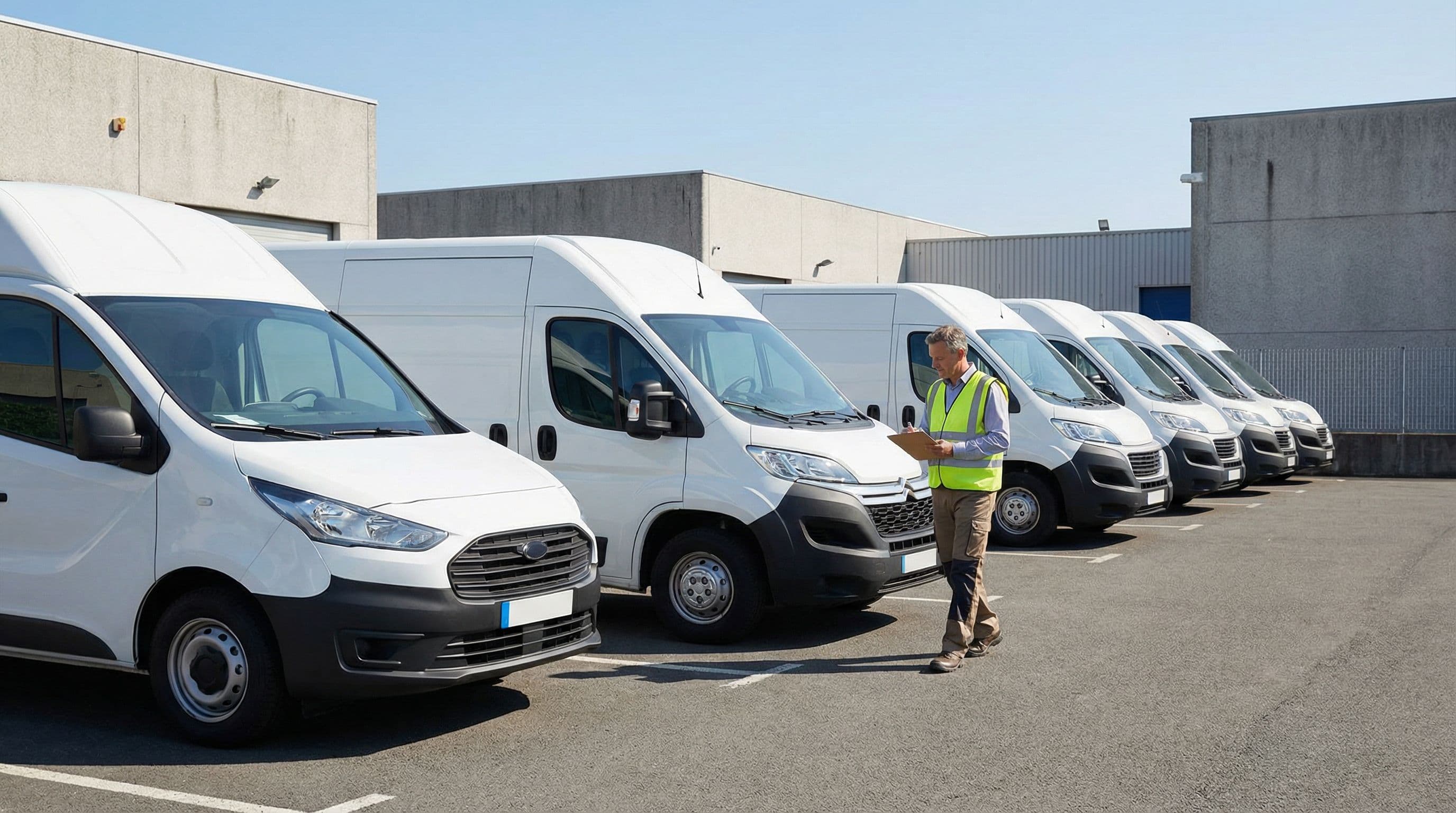
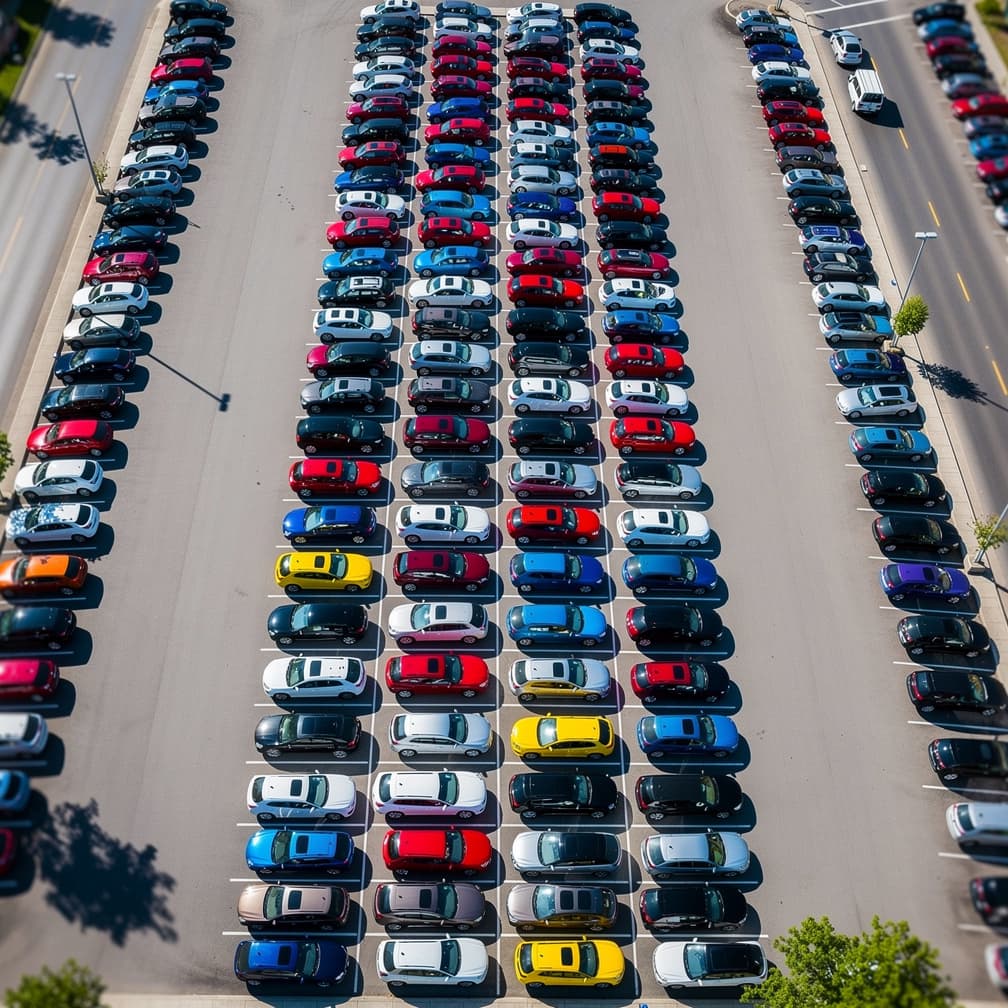
A small independent dealer in greater Minnesota may keep a tight mix of used pickups on one fenced lot, while a metro operation rotates higher-value inventory between the main lot, overflow storage, and reconditioning. Those two buyers face different loss patterns and documentation needs, even before an underwriter looks at values. A single hailstorm can damage 30% of your inventory, turning a $50k claim into a $500k claim, so concentration matters as much as total value. Dealer open lot insurance in Minnesota works best when the quote follows how your inventory is actually stored, moved, and monitored.
Hail, ice, and wind do real damage here, and a lot that packs vehicles tight can turn one storm into a multi-unit loss. You may need to review whether units are parked close enough together for a single event to damage multiple vehicles. You also need to check whether offsite storage is scheduled or informal, and how quickly you can produce a current inventory list after a loss. The state's Department of Commerce reviews policy forms and claim practices, which means the language in your endorsements and the discipline of your claim reporting can directly affect whether a loss is paid promptly or disputed. If you are comparing options, start with the practical details that change the outcome: inventory value swings, storage locations, security controls, and who has custody of keys and vehicles during the workday.
What Dealer Open Lot Insurance Covers
A compact urban lot, a suburban overflow area, and a rural storage yard do not present the same concentration risk, even if the total inventory value looks similar on paper. You want the quote to match how many vehicles are exposed in each location, how often units are repositioned, and whether any inventory sits at an address not shown on your current application.
When your dealership regularly moves vehicles between a sales lot, a service area, and temporary storage, ask how those movements are treated and what documentation helps support a claim. Seasonal inventory changes mean you should review whether your limits still fit the months when values climb. And if your lot includes higher value trucks, specialty units, or vehicles waiting on parts before sale, make sure those concentrations are visible to the underwriter instead of buried inside one total figure.
Minnesota weather patterns make it worth checking practical loss-control questions before you buy. Review where vehicles are parked during severe weather alerts, whether low areas on the property collect water, and whether snow management changes how tightly inventory is stacked. Theft and vandalism controls also deserve a close look, especially if keys, gate access, or after-hours movement are handled differently across locations. The goal is confirming how your lot operations, storage practices, and recordkeeping line up with the policy terms you are considering.

Weather Damage
Covers hail, wind, flood, and storm damage to lot inventory.
Theft Protection
Covers vehicles stolen from your lot.
Fire Damage
Covers fire and explosion damage to inventory vehicles.

Vandalism
Covers intentional damage to vehicles on your lot.
Test Drive Coverage
Covers vehicles during customer and employee test drives.
Transit Coverage
Covers vehicles being moved between lot locations.
Dealer Open Lot Insurance Requirements in Minnesota
- Minnesota Statutes Chapter 168 governs dealer licensing, and the Department of Commerce reviews policy forms and claim practices, which means endorsement language and claim reporting discipline can directly affect whether a loss is paid promptly or disputed.
- If you use winter overflow space or seasonal offsite storage, make sure those locations are disclosed up front, not after a loss occurs.
- Dealerships that move units between sales, service, and storage areas should keep written movement and custody procedures to support claim documentation.
- Low-lying parking areas, snow management patterns, and informal back-lot storage can all affect how an underwriter views multi-unit loss exposure.
How Much Does Dealer Open Lot Insurance Cost in Minnesota?
Price depends less on a single inventory total than on how that value is distributed and protected. Underwriters want to understand the total value you carry for sale, but they also look at where and how it is concentrated. A dealer with moderate values spread across separate, well-managed locations may present a different profile than a dealer with the same total value concentrated tightly in one exposed area. If your inventory changes quickly, your reporting discipline can matter almost as much as the vehicles themselves.
A paved, fenced lot with controlled key access, clear lighting, and documented after-hours procedures gives an underwriter a different picture than a property with informal overflow parking or inconsistent storage records. If you use offsite storage, expect that address, security, and distance from the main lot to matter. If units are frequently moved for detailing, repair, auction activity, or display, explain that workflow clearly so the quote reflects normal handling instead of leaving assumptions in the file.
Minnesota weather exposure also influences how buyers should think about cost. You may not control storm activity, but you can control how inventory is arranged, whether drainage issues are addressed, and whether snow removal or lot congestion increases the chance of multi-unit damage. Those details can affect both underwriting confidence and your ability to prove what was on the lot and where it was parked when you file a claim. The best way to get a usable price comparison is to submit a clean schedule of inventory values, every storage address, your security controls, and any recent operational changes. That gives you quotes built around your actual lot conditions, not a generic dealership profile that can leave gaps or create avoidable pricing friction later.
Request a Quote Comparison
Enter your ZIP code to compare dealer open lot insurance rates from top carriers.
Business insurance starting at $25/mo
Who Needs Dealer Open Lot Insurance?
If you hold titled inventory outdoors before sale, your actual lot setup matters more than your business label. A used auto dealer with one primary location may need a very different structure than a dealer that splits inventory between a front lot, a back lot, and winter overflow space. If you own the units for resale and they remain exposed to weather, theft, vandalism, or handling loss before delivery, this belongs on your insurance checklist.
Dealers carrying trucks, utility vehicles, trailers, or other units that spend long periods outdoors should look closely at concentration and storage practices. The same goes for businesses that buy at auction, hold vehicles pending reconditioning, or move units between affiliated locations. If your inventory count and value can change quickly, you need a policy review that keeps pace with those swings.
Minnesota buyers should also think beyond the main sales lot. If vehicles are stored behind a service building, at a secondary parcel, or at a temporary overflow location during busy periods, those details can change how a loss is evaluated. A dealership with informal storage habits can discover too late that the underwriter never had a full picture of where inventory was kept. If a weather event, theft incident, or fire could damage multiple vehicles you own for sale before the customer takes delivery, dealer open lot coverage may help protect that inventory.
Dealer Open Lot Insurance by City in Minnesota
Dealer Open Lot Insurance rates and coverage options can vary across Minnesota. Select your city below for localized information:
How to Buy Dealer Open Lot Insurance
Prepare the file the way an underwriter will read it. Start with a current inventory report that shows the units you own for sale and the values you want considered. Then match that report to every place inventory is actually kept, including overflow areas, temporary storage, and any offsite locations. If your records and your real storage pattern do not match, fix that before you ask for terms.
Next, document how vehicles move through the dealership. Underwriters need to understand whether units stay on one lot, rotate between addresses, go through reconditioning, or sit offsite while waiting for sale. Explain who controls keys, how after-hours access is handled, and what security measures are in place. If you have cameras, fencing, gates, lighting, or written lot procedures, include them.
Review policy forms and endorsements carefully. That makes it worth slowing down long enough to confirm named locations, reporting expectations, deductibles, and any conditions tied to storage or movement. If something in your operation is unusual, ask for it to be addressed up front rather than hoping a claim adjuster reads it your way later. Before you choose a policy, compare quotes on the details that affect claim outcomes: covered locations, valuation approach, deductibles, documentation requirements, and how inventory changes are handled during the policy term. Then request the final proposal in writing and verify that every lot and storage practice you disclosed appears the way you described it. To get matched with participating licensed providers for your dealer open lot quote, submit your inventory and storage details through our marketplace request form.
How to Save on Dealer Open Lot Insurance
Make your inventory easier to verify and your lot easier to underwrite. A dealership that can produce a current inventory schedule, clear storage addresses, and written security procedures often gives the underwriter more confidence than one relying on rough counts and informal overflow parking. Better documentation does not just support pricing. It can also reduce disputes after a loss.
If too many vehicles are parked in one exposed area, a single storm or fire event can turn into a larger claim. Spacing inventory more deliberately, using better drainage areas, and avoiding ad hoc storage can improve the risk story you present. The same applies to key control. If only designated staff can access keys and move vehicles after hours, that is worth documenting in the submission.
You can also save by keeping your application current. If you add a storage lot, change your mix toward higher value units, or begin using a location that was not part of the original quote, update the policy review promptly. Waiting until renewal can create pricing surprises or leave you arguing with an adjuster over what was actually on the lot when the loss happened. Clean midterm communication is often cheaper than correcting a bad assumption after a loss. Finally, compare quotes using the same operational facts each time. If one submission includes offsite storage and another leaves it out, the lower price may not be the better value. Ask each quoting option to evaluate the same inventory values, locations, deductibles, and security controls. That gives you a fair comparison and helps you choose a policy designed around your actual dealership operations.
Our Recommendation for Minnesota
Treat this as an inventory concentration problem first and an insurance transaction second. Walk every place vehicles are stored, then compare that reality against the addresses, values, and procedures shown in your submission. If anything is missing, correct it before you finalize coverage.
Next, stress test your documentation. After a severe weather event or theft loss, you need to show what was on hand, where it was parked, and who had custody. That means keeping inventory reports current, retaining photos of lot layout, and documenting offsite storage instead of handling it informally.
You should also review seasonal changes, especially if winter storage patterns, snow removal, or overflow parking alter how tightly units are grouped. A limit that looked adequate during a lighter month may feel different when inventory values rise or locations fill up. Before you decide, compare proposals line by line. Confirm listed locations, deductibles, valuation treatment, and any conditions tied to security or movement. Then choose the option that fits how your dealership actually stores and tracks inventory, not the one that only looks simpler on the declarations page.
FAQ
Frequently Asked Questions
If inventory sits anywhere other than your main sales lot, you likely need it disclosed on your policy. Tell the underwriter where those vehicles are parked and how the lot is secured, or you risk a denied claim at a location the carrier never knew about.
Dealerships should review how vehicles are spaced, where water can collect, and whether overflow storage increases concentration. Weather exposure is not just about the hazard itself, it is about how many units one event can damage at once.
The Minnesota Department of Commerce reviews policy forms and claim practices, which means the specific language in your endorsements and the steps you take when reporting a loss can directly affect whether a claim is paid promptly or disputed. Read those forms carefully so you know what the carrier expects.
Dealers can often arrange coverage for inventory kept at multiple locations, but the quote should reflect each address and how vehicles move between them. Bring a current inventory report and a clear list of every storage site.
Buyers should gather a current inventory list, values, all storage addresses, and written details on fencing, lighting, cameras, and key control. That gives the underwriter a clearer picture of your lot conditions and daily handling practices.
Winter overflow parking can change the risk if it adds a new storage area or packs more vehicles into one exposed space. Update your quote review when seasonal storage patterns change, rather than waiting for renewal.
Dealers need accurate records because claim handling goes more smoothly when you can show what inventory was on hand, where it was parked, and how it was being stored. Current schedules and lot photos can make that proof easier.
Dealer open lot insurance nationwide is generally reviewed for damage or loss to vehicles you own for sale, including hail, wind, theft, vandalism, fire, flood, and test drive exposure, depending on your policy terms, deductibles, valuation method, and any location or off-premises limitations.
Sources
- 1.Minnesota Department of Commerce(Minnesota insurance oversight runs through the Minnesota Department of Commerce.)
Updated July 16, 2026