Updated July 5, 2026

Dealer Open Lot Insurance in Rochester
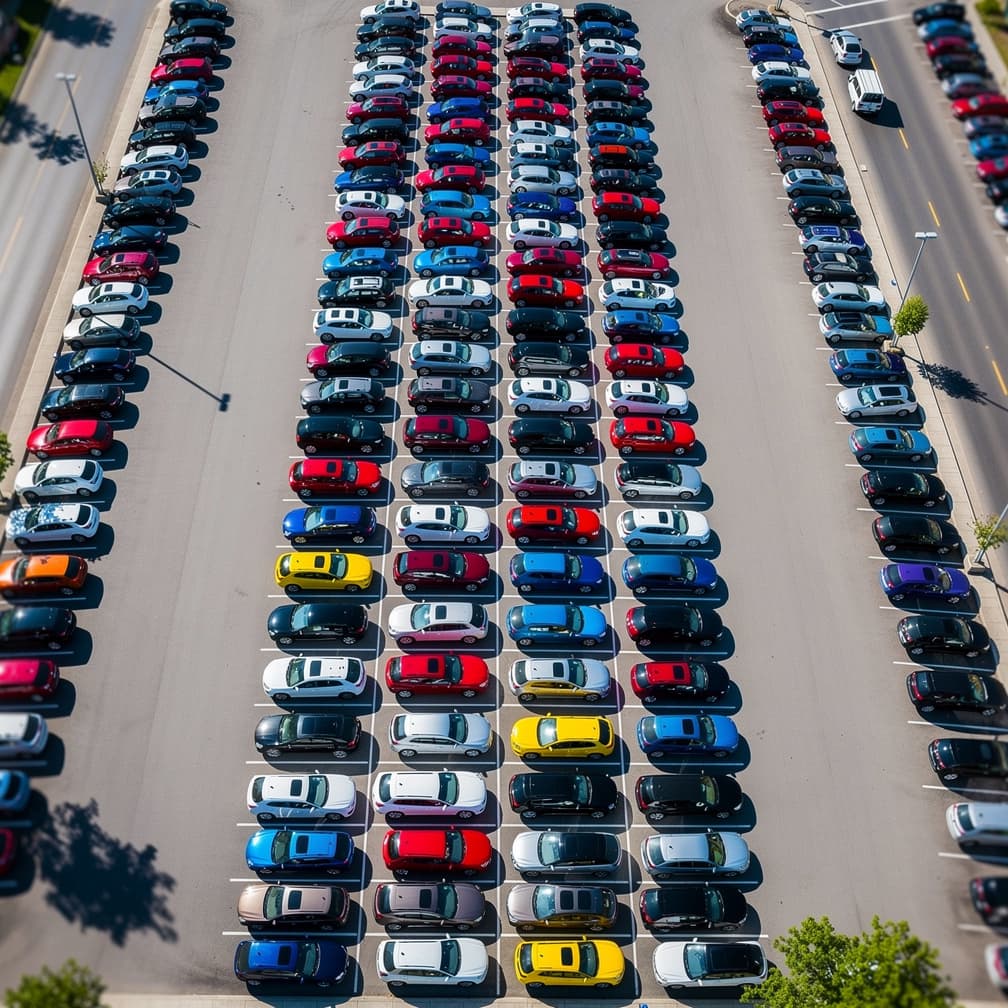
A hailstorm rolling across southeast Minnesota can damage a row of front-line units before your staff has time to move a single vehicle under cover. That is the practical reason dealer open lot insurance in Rochester deserves a closer review if you keep inventory outside, rotate vehicles between display and overflow, or hold higher-value used units waiting on recon or sale. Here, the underwriting conversation is less about generic state guidance and more about how concentrated your inventory is on one site, how quickly you can document unit values after a loss, and whether your lot layout leaves certain rows more exposed than others. Local buyers also tend to shop with stronger household purchasing power, so a dealer may carry newer or better-equipped inventory to match demand. That can raise the stakes if several vehicles are hit in one event. Before you request terms, line up a current inventory schedule, note any off-hours storage arrangements, and be ready to show how values change as units move from intake to front-line sale.
Dealer Open Lot Insurance Risk Factors in Rochester
The local difference is concentration risk from outdoor inventory facing the same weather event at the same time. Minnesota's hazard profile matters at the state level, but the buying decision here comes down to your lot setup: how many units sit outside overnight, whether overflow inventory is parked in the open, and how fast you can separate damaged from undamaged vehicles after a storm. If your operation carries a tighter, higher-value mix, one event can create a larger documentation problem even before repairs or total-loss decisions start. Review whether your policy terms, reporting method, and **peak inventory handling** match your real layout, not just your average month. It is also worth checking how you photograph units, store VIN-level records, and track accessories or aftermarket additions, because claim support is easier when those records are current before weather hits.
Minnesota has a moderate climate risk rating. Top hazards: Severe Storm (High), Tornado (High), Winter Storm (Very High), Flooding (Moderate). The state's expected annual loss from natural hazards is $1.2B, which influences dealer open lot insurance premiums and may affect coverage availability in high-risk areas.
What Dealer Open Lot Insurance Covers
A compact urban lot, a suburban overflow area, and a rural storage yard do not present the same concentration risk, even if the total inventory value looks similar on paper. You want the quote to match how many vehicles are exposed in each location, how often units are repositioned, and whether any inventory sits at an address not shown on your current application.
When your dealership regularly moves vehicles between a sales lot, a service area, and temporary storage, ask how those movements are treated and what documentation helps support a claim. Seasonal inventory changes mean you should review whether your limits still fit the months when values climb. And if your lot includes higher value trucks, specialty units, or vehicles waiting on parts before sale, make sure those concentrations are visible to the underwriter instead of buried inside one total figure.
Minnesota weather patterns make it worth checking practical loss-control questions before you buy. Review where vehicles are parked during severe weather alerts, whether low areas on the property collect water, and whether snow management changes how tightly inventory is stacked. Theft and vandalism controls also deserve a close look, especially if keys, gate access, or after-hours movement are handled differently across locations. The goal is confirming how your lot operations, storage practices, and recordkeeping line up with the policy terms you are considering.
Coverage Included

Weather Damage
Covers hail, wind, flood, and storm damage to lot inventory.
Theft Protection
Covers vehicles stolen from your lot.
Fire Damage
Covers fire and explosion damage to inventory vehicles.

Vandalism
Covers intentional damage to vehicles on your lot.
Test Drive Coverage
Covers vehicles during customer and employee test drives.
Transit Coverage
Covers vehicles being moved between lot locations.
What Affects Dealer Open Lot Rates in Rochester
Rochester's median household income is $87,767, so some local dealers position inventory toward buyers who can support newer model years, stronger trim packages, or more feature-heavy used vehicles. That does not set a fixed premium by itself, but it can change the value concentration an underwriter is reviewing. If your front line skews upward in unit value, ask for a quote built around current inventory quality, peak counts, and any seasonal swings rather than relying on an older blanket figure. A smaller lot with fewer but more expensive units can create a different loss profile than a larger lot of lower-value vehicles. Bring a recent inventory report, note your highest-value units, and flag any periods when consignment, trade-ins, or delayed retail turnover push total exposed value higher than usual.
What Makes Rochester Different
The key difference here is buyer profile. Local household purchasing power can support demand for cleaner late-model used inventory, better-equipped trucks and SUVs, or specialty units that carry more value per space on the lot. For dealer open lot coverage, that changes the calculus because a weather event does not need to affect a huge number of vehicles to become a meaningful claim. A short row of higher-value units can produce the same or greater exposure than a larger row of basic inventory. That is why your review should focus on total exposed value by section of the lot, not just vehicle count. If you use overflow parking, stage vehicles after service, or hold recent trade-ins before pricing, map those areas and compare them against your reporting process. The goal is to make sure the policy you request follows how inventory actually accumulates on site during a normal week.
Our Recommendation for Rochester
Start with your inventory discipline. Keep a dated schedule that shows VIN, actual cash value, location on the lot, and any units temporarily stored off the main display area. If your mix changes quickly, ask whether your reporting approach still fits the way vehicles move from acquisition to recon to sale. Next, walk the property as an underwriter would. Note where water can collect, which rows are hardest to access quickly, and whether signage, fencing, or nearby structures create practical issues during a storm response. Then review concentration, not just totals. A compact lot with closely parked vehicles can turn one localized event into multiple damaged units at once. Finally, if you serve a buyer base that expects newer or better-equipped used vehicles, make sure your limits and valuation assumptions are updated before peak inventory periods, not after a loss forces the question.
Get Dealer Open Lot Insurance in Rochester
Enter your ZIP code to compare dealer open lot insurance rates from carriers in Rochester, MN.
Business insurance starting at $25/mo
FAQ
Frequently Asked Questions
Rochester buyers may support stronger used-vehicle values because local household purchasing power is relatively strong, so your exposure can build through value concentration, not just unit count. Ask for terms that reflect current inventory quality and peak lot values.
Rochester dealers should keep VIN-level values current because outdoor inventory can be damaged in a single weather event. A dated schedule, photos, and notes on accessories make it easier to support the claim amount you report.
Olmsted County has 3,729 business establishments, so lenders, landlords, vendors, and service partners may expect clean proof of coverage and current documentation before inventory moves, storage is arranged, or a business relationship expands.
Olmsted County is led by health care and social assistance at 14.5%, retail trade at 13.9%, and construction at 11%, so dealers may see demand from practical commuters, retail households, and work-truck buyers with different value profiles.
If inventory sits anywhere other than your main sales lot, you likely need it disclosed on your policy. Tell the underwriter where those vehicles are parked and how the lot is secured, or you risk a denied claim at a location the carrier never knew about.
Dealerships should review how vehicles are spaced, where water can collect, and whether overflow storage increases concentration. Weather exposure is not just about the hazard itself, it is about how many units one event can damage at once.
The Minnesota Department of Commerce reviews policy forms and claim practices, which means the specific language in your endorsements and the steps you take when reporting a loss can directly affect whether a claim is paid promptly or disputed. Read those forms carefully so you know what the carrier expects.
Dealers can often arrange coverage for inventory kept at multiple locations, but the quote should reflect each address and how vehicles move between them. Bring a current inventory report and a clear list of every storage site.
Sources
- 1.U.S. Census Bureau, ACS 5-Year Estimates, table B19013(Rochester's median household income is $87,767.)
- 2.U.S. Census Bureau, County Business Patterns, Olmsted County(Olmsted County has 3,729 business establishments.; Olmsted County is led by health care and social assistance at 14.5%, retail trade at 13.9%, and construction at 11%.)
Updated July 5, 2026