Updated July 16, 2026

On-Hook Towing Insurance in Rochester
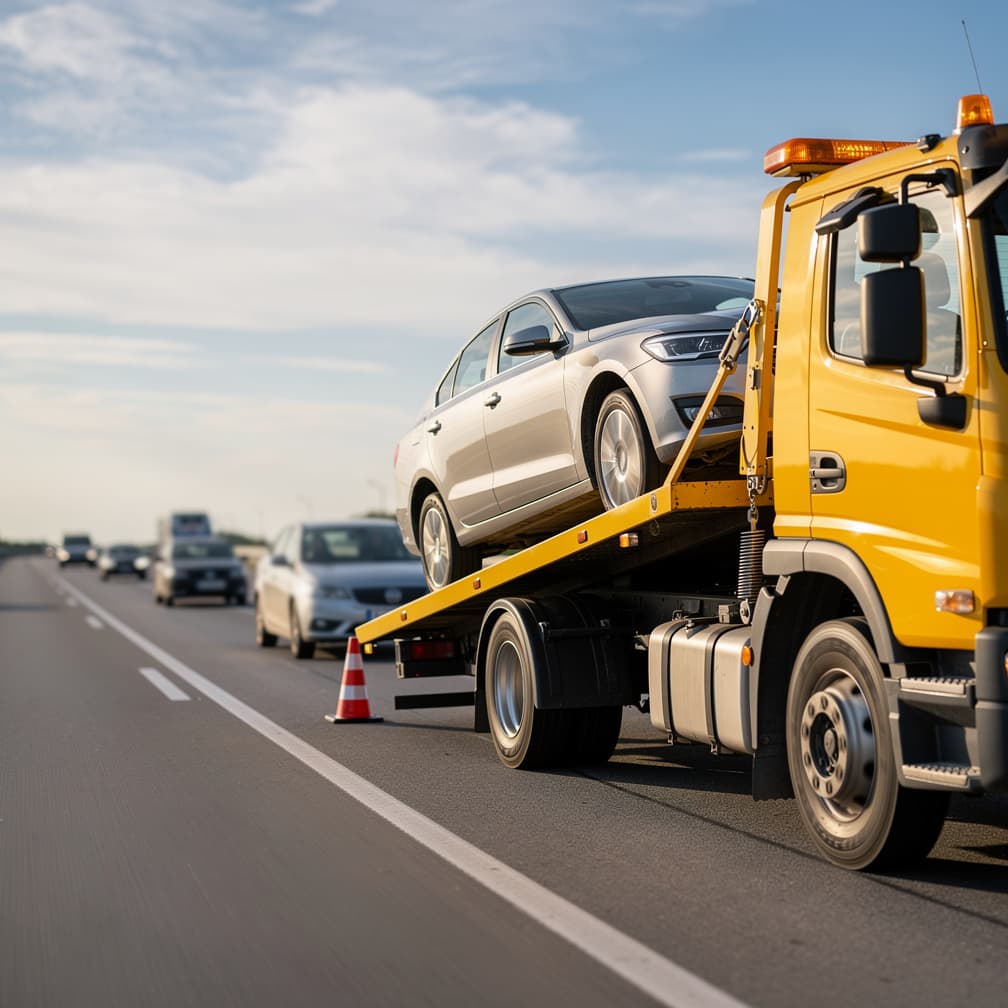
A Rochester tow operation often works out of a modest yard or shared commercial bay, then spends the day moving between apartment complexes, clinic and hospital parking areas, repair shops, and retail lots. The next call can involve a tight pickup lane or a crowded customer lot. Your on-hook coverage needs to account for loading procedures, vehicle condition documentation, and where custody actually begins and ends on each job. You are not just hauling disabled cars off a shoulder. You may be recovering vehicles from structured parking, transporting customer units between service locations, or handling private-property impounds where damage disputes turn on photos, dispatch notes, and chain of custody. Olmsted County has 3,729 business establishments, which means a steady pipeline of potential commercial accounts if you position yourself with the right property managers and service shops. If your book includes property managers, repair facilities, or fleet accounts, check whether your on-hook limit fits the most expensive vehicle you moved last quarter and whether your policy language covers both short local tows and longer transport assignments.
On-Hook Towing Insurance Risk Factors in Rochester
Rochester's top risk factors include Severe weather, Property crime, Flooding, and Vehicle accidents.
Minnesota has a moderate climate risk rating. Top hazards: Severe Storm (High), Tornado (High), Winter Storm (Very High), Flooding (Moderate). The state's expected annual loss from natural hazards is $1.2B, which influences on-hook towing insurance premiums and may affect coverage availability in high-risk areas.
What On-Hook Towing Insurance Covers
In Minnesota, the practical review is not whether on-hook coverage exists, but how your policy responds to the way your trucks actually work through winter roads, storm cleanups, apartment impounds, dealer transfers, and after-hours roadside calls. If your operation mixes flatbeds, wheel-lifts, and recovery work, ask the agent to walk through each service line and show where a claim would be evaluated while the vehicle is attached, carried, winched, or being set down.
The Minnesota Department of Commerce regulates insurance in the state, which means forms and endorsements filed there are what you should compare when you shop. That matters most when you are deciding how broad you want the wording around loading, unloading, hookup, and transport to be.
Ask how the policy treats a low-clearance vehicle scraping during loading, a pickup shifting on an icy incline, or a disabled vehicle taking additional damage during a storm response tow. Then verify whether your chosen limit is meant for the most valuable unit you may move, not just the average roadside call. If your work includes municipal, law-enforcement, property-management, or finance-company accounts, request specimen wording before you sign the contract so you can compare the insurance requirement to the actual policy language.
Coverage Included
Collision on Hook
Covers damage to towed vehicles from collisions during transport.
Comprehensive on Hook
Covers theft, fire, and weather damage to vehicles being towed.
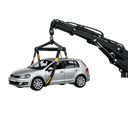
Loading & Unloading
Covers damage during the process of loading and unloading vehicles.
Winching Coverage
Covers damage to vehicles during winching and recovery operations.
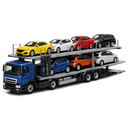
Multiple Vehicle
Covers all vehicles on multi-car carriers and rollback flatbeds.
Industries & Insurance Needs in Rochester
County business mix is the part that changes demand here. In Olmsted County, health care and social assistance account for 14.5% of establishments, retail trade 13.9%, and construction 11%, so a local towing book can involve more than ordinary roadside calls. You may be asked to clear parking areas tied to medical offices, pick up customer vehicles from retail lots, or move contractor trucks and vans that cannot stay parked on a job site. Each of those assignments can create different damage allegations, especially when equipment, ladder racks, service bodies, or time-sensitive access issues are involved. That is worth bringing into your quote request. Ask for a review of the heaviest and highest-value units you tow, how often you handle commercial vehicles versus passenger cars, and whether your documentation process supports disputed-condition claims. If your accounts lean commercial, make sure your on-hook limit and claims handling expectations are built around that mix, not just a standard personal-auto towing profile.
What Makes Rochester Different
Commercial account concentration is the main difference here. Rochester is not just a pass-through roadside market. A tow company often wins work by serving property owners, service businesses, and institutional parking environments where the dispute is less about whether a tow happened and more about vehicle condition, access constraints, and who had custody at each step. That changes how you should buy this coverage, because carrying an on-hook limit is only the start. You also need to confirm how loading and unloading are treated, tighten your intake routine with timestamped photos, dispatch records, and signed release procedures, and make sure your limit reflects a loaded pickup truck or commercial van rather than a typical sedan. If your current policy was quoted around basic roadside volume, it is worth rechecking whether it still fits your actual local assignments.
Our Recommendation for Rochester
Start your review with the jobs that create the most disagreement, not the most volume. If you regularly tow out of medical, retail, or multi-tenant commercial parking areas, ask how your policy responds when a claimant alleges pre-existing damage became worse during hookup or transport, and use the most expensive vehicle you moved in the past year as your benchmark for whether your limit would hold up in a total loss. Showing an agent your dispatch workflow also matters. A carrier quote is more useful when it reflects whether you photograph vehicles before hookup, note wheel or body damage, use lot-specific authorization forms, and separate impound work from account-based transport. If you handle contractor pickups or fleet service calls, ask whether any vehicle type, use class, or equipment setup deserves special attention before binding. The policy you buy should align with the documentation and custody records you actually maintain on each job.
Get On-Hook Towing Insurance in Rochester
Enter your ZIP code to compare on-hook towing insurance rates from carriers in Rochester, MN.
Business insurance starting at $25/mo
FAQ
Frequently Asked Questions
Your commercial client base shapes the kinds of vehicles and parking environments your contracts involve. Focus on certificates, incident documentation, and whether your limit fits the highest-value job you took last month.
Clinic, retail, and contractor assignments can raise the value and complexity of what you move. A loaded service truck or contractor pickup can be worth two or three times a typical sedan, which means a single total loss on that kind of job could exhaust a limit sized for passenger cars.
Health care and social assistance make up 14.5% of the local economy, retail trade 13.9%, and construction 11%. In practical terms, a large share of your calls likely involves parking enforcement, service transfers, and contractor vehicle moves rather than simple roadside assists. Describe those jobs clearly during underwriting so your policy reflects your real exposure.
Vehicle owners and commercial clients may expect detailed proof of condition before and after a tow. Timestamped photos, dispatch notes, and signed releases can help show when custody began, what damage was pre-existing, and how the vehicle was handled.
The Minnesota Department of Commerce regulates insurance in the state and maintains insurer licensing records and complaint data. Before you bind, look up the company behind your quote to confirm it is in good standing.
Yes. Police and municipal contracts in Minnesota typically require proof of coverage before you can join the rotation. Compare the required limit and wording to your actual policy before you accept the work.
Minnesota weather can make loading, transport, and unloading claims harder to sort out after the fact. Severe conditions increase the value of photos, dispatch timestamps, and clear procedures when a customer disputes when damage occurred.
Minnesota insurance oversight runs through the Minnesota Department of Commerce, which is the state's insurance regulator. That matters when you are comparing policy forms, reviewing complaint options, or checking whether an insurer's paperwork matches what you were offered.
Sources
- 1.U.S. Census Bureau, County Business Patterns, Olmsted County(In Olmsted County, there are 3,729 business establishments, so local tow operators often serve a broad mix of commercial accounts that expect clear certificates and consistent incident reporting before assigning work.; In Olmsted County, health care and social assistance account for 14.5% of establishments, retail trade 13.9%, and construction 11%, so a local towing book can involve more than ordinary roadside calls.)
- 2.Minnesota Department of Commerce(Rochester buyers can use the Minnesota Department of Commerce as the state's insurance regulator when reviewing insurer licensing or complaint resources.)
Updated July 16, 2026