







































Updated July 6, 2026

Toy Store Insurance in Mississippi
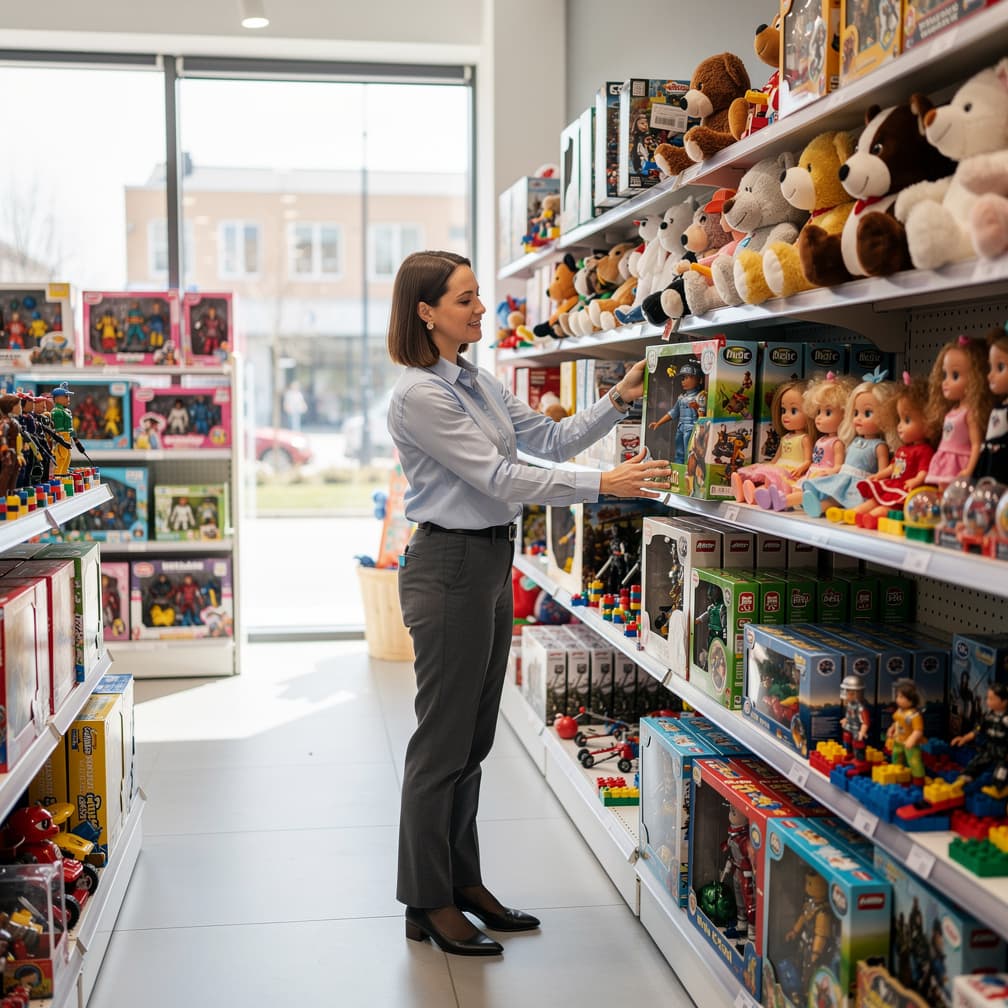
Foot traffic pattern is usually the biggest cost lever behind toy store insurance in Mississippi, because your premium follows how people move through the space, how tightly merchandise is displayed, and how often staff are restocking during open hours. That means you should shop with a floor-plan mindset, not just by annual sales. A downtown shop with narrow aisles, a strip center store with weekend family traffic, and a mall kiosk built around quick transactions create different liability and property questions. In Mississippi, that review also needs to account for weather-related interruptions that can affect storefront access, inventory condition, and cleanup responsibilities after a severe storm. If you have employees, staffing count matters too. Mississippi requires workers compensation coverage for businesses with five or more employees, so a small owner-operated shop and a larger seasonal retail team may need different quote structures. Before you request pricing, map your selling area, storage area, checkout setup, and delivery schedule for incoming inventory. Then compare general liability insurance, commercial property insurance, workers compensation insurance, and business owners policy insurance around how your store actually runs on a busy Saturday, not around a generic retail template.
Climate Risk Profile
Natural Disaster Risk in Mississippi
Understanding climate-related risks helps determine appropriate insurance coverage levels.
Hurricane
Very High
Tornado
Very High
Flooding
High
Severe Storm
High
Expected Annual Loss from Natural Hazards
$1.8B
estimated economic loss per year across Mississippi
Source: FEMA National Risk Index
Common Risks for Toy Store Businesses
- A child slips or trips in an aisle while browsing toys, games, or seasonal displays.
- A stacked display or shelf item falls and causes bodily injury to a customer.
- A defective toy or children's product leads to a product liability claim after sale.
- A recall or safety issue affects inventory already in the store or backroom.
- Fire, theft, storm damage, or vandalism interrupts retail operations and damages stock.
- Point-of-sale equipment, lighting, or other store equipment breaks down and slows sales.
How Much Does Toy Store Insurance Cost in Mississippi?
Toy Store Insurance is a bundle of separate policies, priced separately. The ranges below are typical figures for Mississippi for each line, except workers compensation, which is rated per $100 of payroll; a quote prices each one against your own operations.
| Coverage | Typical range | What moves your price |
|---|---|---|
| General Liability Insurance | $50 - $160 per month | Industry and risk classification, annual revenue, number of employees |
| Commercial Property Insurance | $80 - $250 per month | Building value and construction type, roof age and condition, fire protection class |
| Workers Compensation Insurance | $0.75 - $2.74 per $100 of payroll | Employee classification codes, total annual payroll, experience modification rate |
| Business Owners Policy Insurance | $80 - $230 per month | Annual revenue and industry class, building and contents values, square footage and building age |
Prices shown are general estimates, not guaranteed rates or quotes. Your actual premium will depend on the insurer, coverage selected, business details, location, claims history, and other underwriting factors. Learn about our pricing methodology.
Operating a Toy Store Business in Mississippi
- Weekend traffic in Mississippi toy stores often means strollers, children, grandparents, and gift buyers share the same aisles, so display spacing and checkout congestion directly affect the liability picture an underwriter reviews.
- Many Mississippi toy retailers operate in leased storefronts or shopping centers where the landlord may expect proof of general liability insurance before keys are released or renewal terms are finalized.
- Storm-driven closures can interrupt customer access, delay shipments, and leave boxed inventory exposed to moisture during cleanup, so property values and storage practices deserve close review before binding coverage.
- A Mississippi toy shop that adds part-time holiday staff, gift wrapping help, or stockroom support needs its payroll and employee count organized early, because workers compensation rules can change once staffing grows.
Get Your Toy Store Insurance Quote in Mississippi
Compare rates from multiple carriers. Free quotes, no obligation.
Coverage Considerations in Mississippi
- General liability insurance deserves close attention in Mississippi when your store layout encourages browsing, hands-on displays, and quick family traffic near the register, because small aisle obstructions can turn into expensive covered claims.
- Commercial property insurance should be reviewed against your full inventory mix, including boxed toys, seasonal merchandise, shelving, point-of-sale equipment, and any backroom stock that could be damaged during a storm event.
- Workers compensation insurance becomes a priority for Mississippi toy stores as staffing grows, because the state requires it for businesses with five or more employees and retail injuries often happen during stocking, lifting, and ladder use.
- A business owners policy insurance quote can make sense for a Mississippi toy retailer that wants to compare bundled property and liability terms together, especially when one leased location handles both customer sales and inventory storage.
Preparing for Your Toy Store Insurance Quote in Mississippi
Prepare a current estimate of your inventory value, including seasonal spikes, backroom stock, display merchandise, and any higher-value items kept near the register or in locked cases.
Gather your lease insurance requirements, because a Mississippi landlord may specify liability limits, additional insured wording, or proof of coverage before move-in, renewal, or a shopping center event.
List your employee count, job duties, and payroll by role before requesting terms, especially if your Mississippi toy store is near or above the five-employee workers compensation threshold.
Outline how your store is laid out, including aisle width, display height, checkout placement, stockroom access, and where deliveries are received, so the quote reflects real customer and staff movement.
Common Claims for Toy Store Businesses in Mississippi
After a severe Mississippi storm, water enters around a storefront door and reaches low shelving overnight, leaving boxed toys, packaging, and parts of the display inventory unsellable by the next business day.
A stock employee carrying cartons from the backroom to the sales floor slips on rain tracked in from the entrance, suffers an injury, and the store faces a workers compensation claim plus scheduling disruption.
A shopping center toy store loses power during a busy weekend, the register system goes down, staff rush to secure the premises, and moisture or cleanup activity damages merchandise stored near the front windows.
What Happens Without Proper Coverage?
The claims that hurt toy stores involve children, and that changes their character. An injury allegation involving a child draws more sympathy, more scrutiny, and often higher demands than the same incident involving an adult, so a display that tips or a demo table with a sharp corner carries more downside here than in most retail. Defending even a weak claim takes legal spend and months of attention, which is exactly what liability coverage exists to absorb.
The calendar concentrates your property risk. Many toy retailers take in a large share of annual revenue in the final quarter and stock up hard beforehand, which means a November stockroom fire or break-in destroys inventory at its peak and cancels the selling season that was supposed to pay for it. Limits set from a spring inventory count miss that reality entirely.
Product problems arrive from upstream whether or not you did anything wrong. A manufacturer's recall can strand paid-for inventory, and a defect claim names the seller alongside the maker. Keeping supplier records organized and understanding how your policy treats product allegations turns a scary letter into a manageable process.
Practical gates supply the last reason. Landlords want certificates before keys, shopping centers may dictate liability limits, and inventory financing or a second location brings its own requirements on a deadline. A clean quote file, including your lease, payroll estimate, inventory values, and a description of how customers and staff use the space, lets you clear those gates without rushed decisions.
Recommended Coverage for Toy Store Businesses
Based on the risks and requirements above, toy store businesses need these coverage types in Mississippi:

General Liability
Essential coverage for every business, protect against third-party bodily injury, property damage, and advertising claims.

Commercial Property
Safeguard your business property, equipment, and inventory against damage and loss.

Workers Compensation
Help cover your employees' medical expenses and lost wages for work-related injuries and illnesses.

Business Owners Policy
Bundle property and liability coverage into one convenient, cost-effective policy for small businesses.
Toy Store Insurance by City in Mississippi
Insurance needs and pricing for toy store businesses can vary across Mississippi. Find coverage information for your city:
Insurance Tips for Toy Store Owners
Review your lease line by line before quoting, because toy store tenants often insure improvements, signage, and glass differently than they first assume.
Separate peak season inventory from normal stock levels during the property review, so temporary surges in merchandise do not leave you short after a covered loss.
Map staff duties honestly, including receiving shipments, ladder use, display assembly, and cleanup work, because your quote should reflect how the store actually operates.
Ask whether a business owners policy fits your operation, but compare its structure against standalone liability and property options before deciding.
Walk the sales floor as a customer would, noting tight aisles, demo tables, floor mats, and checkout congestion that can drive everyday liability claims.
Keep a current inventory method that distinguishes sales floor merchandise from back-room stock, because claim handling is easier when values are documented clearly.
Bring landlord insurance requirements into the quote conversation early, especially if the lease asks for specific liability wording before move-in or renewal.
FAQ
Frequently Asked Questions About Toy Store Insurance in Mississippi
Mississippi toy stores often need a closer look at inventory storage, storefront openings, and cleanup exposure after severe weather. If boxed merchandise sits low to the floor or near entry points, you should review commercial property limits and storage practices before requesting terms.
Mississippi requires workers compensation coverage for businesses with five or more employees, according to the Mississippi Insurance Department. If your toy store adds part-time or seasonal staff, track headcount early so your quote reflects whether that requirement applies.
Mississippi kiosk operations usually need a different review because customer flow, storage, and property values are not the same as a full storefront. You should compare how merchandise is displayed, where extra stock is kept, and what the lease requires.
Mississippi toy store owners usually get a better quote review when they bring inventory values, payroll, employee count, lease requirements, and a simple floor layout. That gives the licensed insurance professional a clearer picture of customer traffic, stock handling, and property exposure.
Mississippi business insurance oversight sits with the Mississippi Insurance Department. If you are comparing policy terms for a toy store, it helps to know the regulator once, then focus your quote review on staffing, property values, and lease-driven requirements.
General liability and commercial property form the core, often packaged as a business owners policy, with workers' compensation added once employees are on payroll. Lease terms, inventory values, and how your store handles stocking and displays decide the final mix.
Yes, in nearly every case. Customer injury and third-party property damage claims grow out of normal foot traffic, and most landlords and shopping centers require proof of liability coverage before you open, renew, or join the property.
Often, if the operation is a straightforward retail setup. The package combines liability and property protection efficiently, but inventory levels, fixtures, and lease obligations still need to be checked against its limits before you commit.
Sources
- 1.Mississippi Insurance Department(Mississippi requires workers compensation coverage for businesses with five or more employees.; Mississippi business insurance oversight sits with the Mississippi Insurance Department.)
Updated July 6, 2026