Updated July 16, 2026

Key Takeaways
- Compare a standalone commercial property policy against a Businessowners Policy using the same deductible, valuation method, and business income assumptions.
- Review whether your building and contents are insured on actual cash value or replacement cost before you accept a lower premium.
- Update your property schedule, equipment list, and inventory values before requesting quotes so limits match what you own now.
- Read your lease and identify which improvements, fixtures, signs, and attached equipment you are responsible to insure.
- Ask for ordinance or law and equipment breakdown to be reviewed if rebuilding costs or mechanical failure could interrupt operations.
Commercial Property Insurance in Mississippi
Mississippi business owners face a property risk profile that is hard to ignore. Very high hurricane and tornado exposure, high severe-storm risk, and a long history of disaster declarations can disrupt buildings, inventory, and revenue at the same time. Commercial property insurance matters here because a wind event in Gulfport, a tornado near Jackson, or storm damage in Hattiesburg can leave a storefront, warehouse, clinic, or restaurant dealing with building damage, broken equipment, and lost income all at once.
The state has 280 active insurers competing for business, which gives you real room to shop and compare forms, endorsements, and pricing side by side. Mississippi's premium environment sits close to the national average, yet local hazards, crime patterns, and construction choices can still move a quote up or down. If your business owns a building, stores inventory, uses specialized equipment, or depends on a physical location in a place like Jackson, Biloxi, Gulfport, or Tupelo, the right policy structure can determine how quickly you reopen after a covered loss.
What Commercial Property Insurance Covers
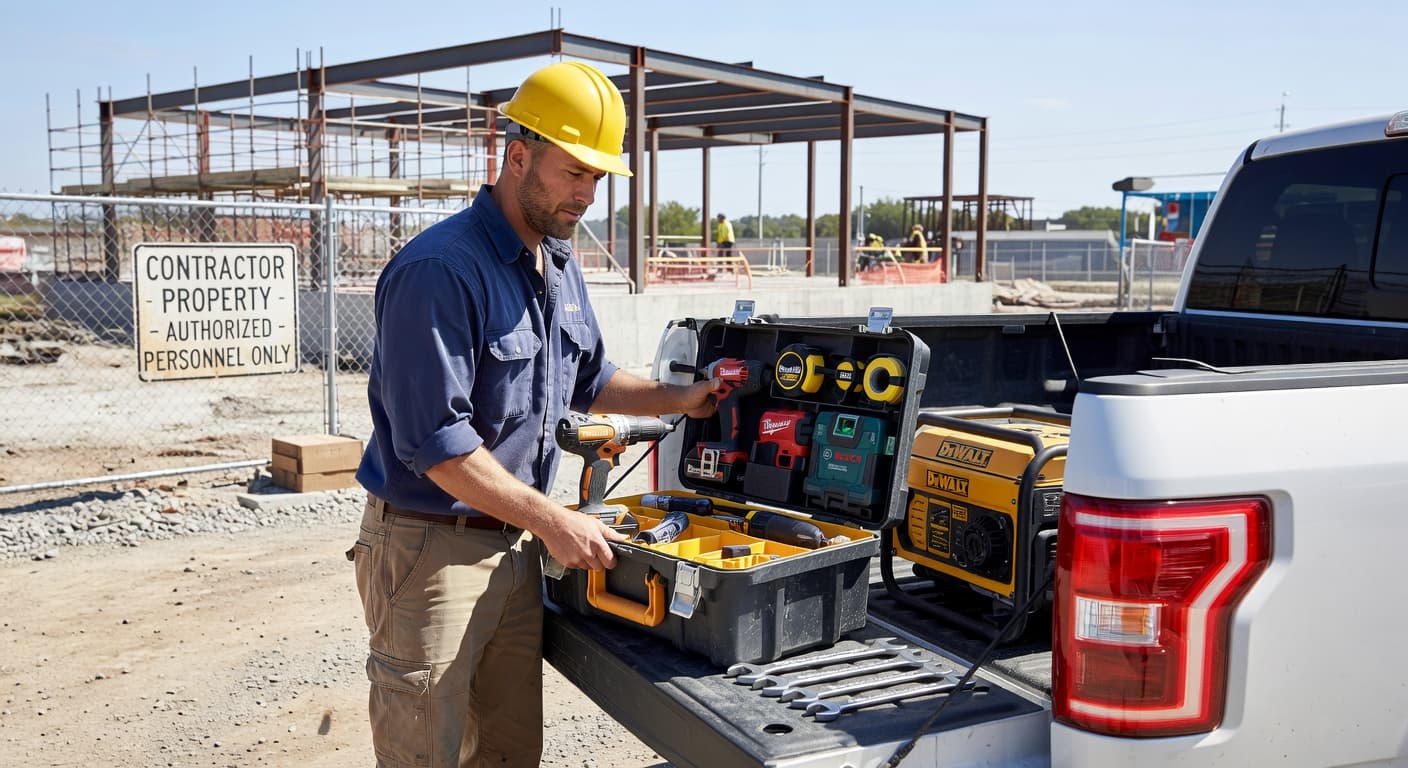
In Mississippi, this coverage is built around the physical assets tied to your business location. That includes the building itself if you own it, plus business personal property such as equipment, furniture, fixtures, inventory, computers, and signage. It matters in a state where storm damage, fire risk, theft, and vandalism can all affect the same property in different ways. Standard forms generally respond to covered perils, but they do not automatically cover every loss. Flood is excluded under the standard policy even in areas that are not in a designated flood zone.
Because the state faces severe wind and tornado risk, many owners add endorsements that strengthen building coverage, business personal property coverage, or business income coverage. Mississippi does not impose a universal commercial property mandate, but coverage requirements can vary by industry and business size, and lenders or landlords may require proof of insurance. The Mississippi Insurance Department regulates the market, so policy forms, endorsements, and carrier practices should be reviewed carefully.
Equipment breakdown coverage can be important when a mechanical or electrical failure would interrupt operations. Ordinance or law coverage can help if local rebuilding rules change what you must repair after a loss. The right structure depends on whether you own or lease, how your building is constructed, and how much income you would lose if a covered event forced a closure.

Building Coverage
Can help pay to repair or rebuild your building after covered damage like fire, wind, or vandalism.

Business Personal Property
Can help replace furniture, inventory, equipment, and supplies inside your building when a covered event damages or destroys them.
Business Income
May replace lost revenue and help cover ongoing expenses like payroll and rent while covered damage keeps your business closed.

Equipment Breakdown
Typically covers sudden mechanical or electrical failure of equipment like HVAC systems, boilers, or refrigeration units, which standard property policies often exclude.
Ordinance or Law
Can help cover the added cost of rebuilding to current building codes after a covered loss to an older structure.
Commercial Property Insurance Requirements in Mississippi
- The Mississippi Insurance Department is the state regulator for commercial property forms, carriers, and market conduct.
- Coverage requirements may vary by industry and business size, so lease terms and lender conditions should be checked before binding.
- Standard commercial property policies do not cover flood damage, even outside a designated flood zone.
- Ordinance or law coverage and equipment breakdown coverage are optional endorsements, not automatic protections.
How Much Does Commercial Property Insurance Cost in Mississippi?
Average Cost in Mississippi
$75 - $310
per month
Businesses in Mississippi typically see commercial property insurance premiums of $75 - $310 per month, which tends to run 8% above the national range of $65 - $290 per month.
- Building value and construction type
- Roof age and condition
- Fire protection class
- Occupancy and the operations inside the building
- Business personal property and equipment values
- Wind and hail deductible terms
Contact CPK Insurance for a personalized quote.
In Mississippi, monthly premiums vary widely based on limits, deductibles, claims history, location, industry, and endorsements. A quote can move a lot depending on whether you insure only contents or a full building, and whether you add business income or equipment breakdown coverage.
Local hazards are a major driver. Mississippi carries very high hurricane and tornado ratings alongside high severe-storm risk, and that combination can push premiums higher for properties in coastal counties, storm-exposed corridors, or areas with repeated weather losses. The state's 2024 premium index of 96 suggests pricing is close to the national average, but that number masks real differences between a coastal zip code and an inland one. Construction type, roof age, and local claims patterns all feed into what you actually pay.
Crime patterns also feed into your quote, especially for storefronts with inventory, signage, or exterior fixtures that are vulnerable to burglary and theft. With 280 active insurers in the state, shopping across carriers can reveal meaningful differences in both price and coverage. If your business is in a catastrophe-prone area, expects higher replacement values, or needs ordinance or law coverage, the premium will usually reflect that added exposure.
| Property Type | What's Covered | Common Exclusions |
|---|---|---|
| Building | Structure, roof, systems, permanent fixtures | Flood, earthquake, normal wear |
| Business Personal Property | Equipment, inventory, furniture, computers | Employee personal property, vehicles |
| Tenant Improvements | Build-outs, custom installations, modifications | Structural changes without landlord approval |
| Business Income | Lost revenue during covered shutdown | Losses from non-covered perils |
| Extra Expense | Additional costs to minimize shutdown | Costs not related to covered loss |
Building
- What's Covered
- Structure, roof, systems, permanent fixtures
- Common Exclusions
- Flood, earthquake, normal wear
Business Personal Property
- What's Covered
- Equipment, inventory, furniture, computers
- Common Exclusions
- Employee personal property, vehicles
Tenant Improvements
- What's Covered
- Build-outs, custom installations, modifications
- Common Exclusions
- Structural changes without landlord approval
Business Income
- What's Covered
- Lost revenue during covered shutdown
- Common Exclusions
- Losses from non-covered perils
Extra Expense
- What's Covered
- Additional costs to minimize shutdown
- Common Exclusions
- Costs not related to covered loss
How Mississippi compares with the national baseline
Property crime per 100,000 residents
2,340 vs 2,200 baseline
Property crime in Mississippi runs above the national average, at 2,340 vs 2,200 incidents per 100,000 residents.
Blue bar: Mississippi. Gray line: national baseline.
Prices shown are general estimates, not guaranteed rates or quotes. Your actual premium will depend on the insurer, coverage selected, business details, location, claims history, and other underwriting factors. Learn about our pricing methodology.
Request a Quote Comparison
Enter your ZIP code to compare commercial property insurance rates from top carriers.
Business insurance starting at $25/mo
Who Needs Commercial Property Insurance?
Mississippi businesses that own a building, lease a suite with valuable contents, or depend on physical inventory usually need to evaluate commercial building insurance early. A covered loss can affect both property and cash flow at the same time. Healthcare and social assistance is the state's largest employment sector, and those operations often need building coverage for offices, clinics, labs, and storage areas full of equipment and supplies. Manufacturing is another major employer, and production tools, electrical systems, and specialized machinery can be expensive to replace or repair, making equipment breakdown coverage worth a close look.
Retail trade businesses are often sensitive to theft, vandalism, and storm damage because inventory, fixtures, and signage can be lost quickly. Accommodation and food service businesses may need business personal property coverage for kitchen equipment, furnishings, and stock, plus business income coverage if a covered closure interrupts sales. Government-related offices and contractors with physical locations should also review ordinance or law coverage if a loss triggers code-related rebuilding requirements.
This coverage is especially relevant for Mississippi's 62,400 businesses, almost all of which are small operations balancing property protection on a limited budget. The combination of storm exposure, theft risk, and local rebuilding costs makes a property insurance review worthwhile no matter where you operate. Businesses that lease space should still look closely at their lease terms, because a landlord may insure the structure while the tenant remains responsible for its own contents and improvements.
Commercial Property Insurance by City in Mississippi
Commercial Property Insurance rates and coverage options can vary across Mississippi. Select your city below for localized information:
How to Buy Commercial Property Insurance
Start by confirming whether you need coverage for a building you own, contents you lease, or both. In Mississippi, the Insurance Department regulates the market, and businesses should compare quotes from multiple carriers, since 280 active insurers compete for business and forms can differ. A good quote should show building limits, business personal property limits, deductible options, and any endorsements for business income, equipment breakdown, or ordinance or law coverage.
Before requesting a quote, gather your building address, square footage, construction type, roof age and material, occupancy type, replacement cost estimate, prior claims history, and a list of equipment, inventory, and fixtures. Those details matter because Mississippi pricing is influenced by location, claims history, coverage limits, deductibles, and policy endorsements. If your location is near the coast or in a storm-exposed area, tell the carrier about wind mitigation features and any updates to the roof, electrical, or plumbing systems.
Request a quote through CPK Insurance to compare your options with participating licensed providers. Since coverage requirements may vary by industry and business size, it helps to compare not just price but also exclusions, replacement cost versus actual cash value, and any coinsurance conditions. If you lease, ask how your lease allocates responsibility for improvements, signage, and tenant-owned property so your policy matches the contract. Reading the quote line by line, checking named perils against your actual exposure, and confirming that limits and deductibles fit your cash flow are the steps that prevent surprises after a covered loss.
How to Save on Commercial Property Insurance
The most practical way to lower commercial property insurance cost in Mississippi is to align your limits and deductible with the real value of your property, since underinsuring can trigger coinsurance issues while overinsuring simply creates unnecessary premium. If your building and contents are valued accurately, you can compare quotes on the same basis and avoid paying for mismatched limits. Replacement cost coverage usually costs more than actual cash value, but it can be worth reviewing if you want stronger recovery after a loss.
Mississippi businesses can also save by reducing risk features that carriers price heavily. Roof condition, construction type, fire protection class, and occupancy all affect the quote, so keeping the roof maintained, updating older systems, and documenting safety improvements can help. Because the state has elevated hurricane risk and very high tornado exposure, wind-related mitigation features and better construction quality may matter more here than in lower-risk states. Businesses in areas with higher property crime should also strengthen locks, lighting, and exterior protection, since burglary and larceny-theft trends can influence the premium.
Bundling can help if your carrier offers a Business Owners Policy, since a BOP can bundle commercial property with general liability and business interruption. Mississippi's competitive market means carrier appetite varies and pricing can differ for the same risk, so comparing multiple quotes is worth the effort even when bundling is not an option. When you review the first draft, ask whether you truly need every endorsement and match business income, equipment breakdown, and ordinance or law coverage to your actual exposure. Finally, review your deductible carefully, because a higher deductible can reduce premium but should still fit your cash reserves after a storm or fire.
Our Recommendation for Mississippi
For Mississippi buyers, the best first step is to build the quote around the property's real exposure, not just the building address. If you operate near the coast, in a storm corridor, or in a higher-theft area, make sure the policy reflects wind, fire, theft, vandalism, and business interruption concerns that are common in the state. Ask for replacement cost if you want a stronger recovery position, and review whether ordinance or law coverage is needed for older buildings or locations with code-driven rebuild issues.
If you rely on equipment, inventory, or a customer-facing storefront, do not treat contents coverage as an afterthought. Mississippi's competitive market means the details behind the premium, like named perils, coinsurance clauses, and endorsement limits, matter as much as the number itself, so compare at least a few carriers before binding.
FAQ
Frequently Asked Questions
In Mississippi, it may help cover your building if you own it, plus equipment, furniture, fixtures, inventory, computers, and signage against covered perils like fire, windstorm, hail, theft, and vandalism. It can also be structured to include business income coverage if a covered loss forces you to close temporarily.
Actual pricing varies by limits, deductibles, location, claims history, construction type, and endorsements. Coastal and storm-exposed properties can price differently from inland locations.
Yes, you may still need it because a landlord policy can help cover the building, not your business personal property, tenant improvements, inventory, or equipment. Your lease may also assign responsibility for certain improvements or signage, so the policy should match the lease terms.
Key factors include coverage limits, deductibles, claims history, location, industry or risk profile, and policy endorsements. In Mississippi, hurricane exposure, tornado exposure, burglary trends, and roof condition can also influence the quote.
The main options are building coverage, business personal property coverage, business income coverage, equipment breakdown coverage, and ordinance or law coverage. Each one addresses a different part of the property and recovery process after a covered loss.
Gather your property address, square footage, construction details, roof age, occupancy type, equipment list, and prior claims history, then compare your options with participating licensed providers.
Choose a deductible you can actually pay after a storm, fire, or theft claim, while still keeping the premium manageable. In Mississippi, higher deductibles can lower premium, but they should fit your cash flow and recovery plan.
Commercial property insurance in the U.S. generally addresses buildings, contents, and related property exposures described in the policy. III says a BOP covers any buildings the business owns and much of the property needed to run the business, so your declarations and endorsements matter.
Sources
- 1.iii.org
Updated July 16, 2026