







































Updated July 16, 2026

Builders Risk Insurance in Gulfport
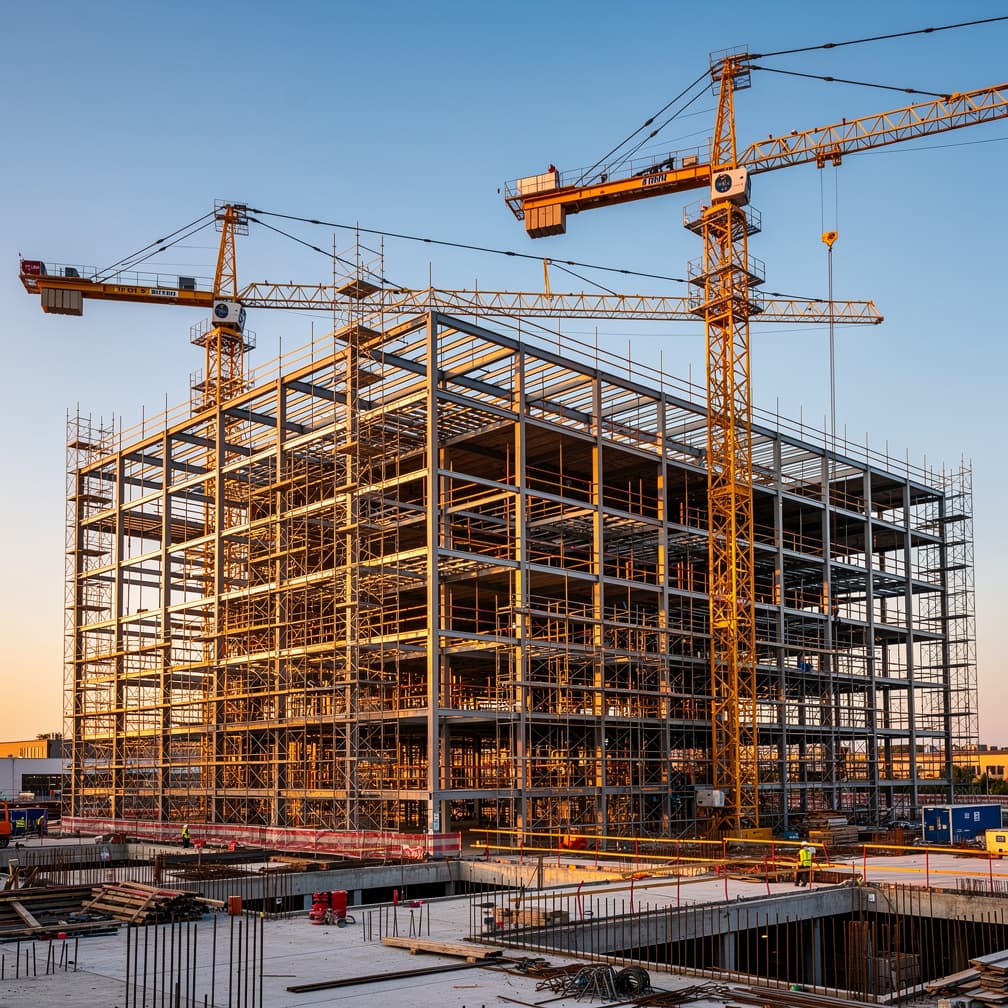
Before you place builders risk insurance in Gulfport, think through what your project actually puts at risk here. A small infill build, a coastal renovation, and a tenant improvement tied to a commercial lease each call for a different conversation about what your policy needs to address.
Gulfport's median home value is $167,100, so even modest residential work can involve a completed value that deserves a careful look at limits, soft costs, and how materials are scheduled before they arrive on site. The city's median household income is $46,044, meaning a single unexpected deductible or delay can strain an owner's budget quickly. Align the construction contract with the policy terms before work begins. If you are building for resale, renovating before occupancy, or improving a property to satisfy a lender or lease, bring the construction agreement, project timeline, and total completed value into the quote request so the policy can be reviewed against the actual deal.
Builders Risk Insurance Risk Factors in Gulfport
Gulfport's top risk factors include Flooding, Hurricane damage, Coastal storm surge, and Wind damage.
Mississippi has a very high climate risk rating. Top hazards: Hurricane (Very High), Tornado (Very High), Flooding (High), Severe Storm (High). The state's expected annual loss from natural hazards is $1.8B, which influences builders risk insurance premiums and may affect coverage availability in high-risk areas.
What Builders Risk Insurance Covers
For a project here, the useful question is not whether builders risk exists but which parts of the job are actually being counted in the insured value and which property categories need to be checked before work starts. A policy can be structured around the build in a way that follows the contract documents, the construction schedule, and the point at which materials become part of the work. That process usually starts with the job cost breakdown. You want to separate permanent work from items that may need special handling in the quote, such as temporary structures, scaffolding, construction forms, fencing, and materials stored off site or in transit, depending on the policy terms offered. If your project includes owner-furnished materials, long-lead components, or custom items that arrive well before installation, ask how those values should be reported so they are not missed.
Local conditions also make delay-sensitive planning important. If weather or site access slows installation, materials can remain exposed longer than the original schedule assumed. That is a practical reason to check waiting periods, valuation method, and any sublimits that could apply to theft-prone or weather-sensitive property. If you are updating a building that stays in use, clarify where your policy may stop and where the existing property policy may still need to respond. The cleanest approach is to map each category of property to a policy before the first delivery reaches the site.
Coverage Included

Structure Coverage
Covers the building or structure under construction.

Materials on Site
Covers building materials stored at the construction site.

Materials in Transit
Covers materials being transported to the job site.
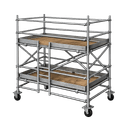
Temporary Structures
Covers scaffolding, fencing, and temporary buildings.

Soft Costs
Covers additional expenses from construction delays due to covered losses.

Equipment Coverage
Covers permanently installed fixtures and equipment.
Industries & Insurance Needs in Gulfport
Harrison County's commercial mix changes how many local projects are financed, occupied, and handed over. The county has 4,325 business establishments, so a lot of build-outs, rehabs, and small commercial improvements happen in an environment where owners, tenants, and contractors often need clean documentation before work starts.
The leading county sectors are retail trade at 18.8%, accommodation and food services at 12.6%, and health care and social assistance at 12.3%, so many projects involve tenant improvements, interior renovations, and occupied-premises scheduling rather than only ground-up construction. That affects what you should bring into underwriting: lease requirements, lender conditions, construction timelines, and a clear statement of who is responsible for materials, temporary works, and delay-related exposures. If your project serves a storefront, lodging use, or care-related occupancy, ask for the quote to be reviewed against the opening date or turnover deadline, not just the construction budget.
What Makes Gulfport Different
In this market, decisions often turn on whether the limit tracks the completed value closely enough, especially on smaller residential jobs where owners may be tempted to anchor coverage to the renovation spend alone.
That is where mistakes happen. If the project increases the structure's value materially, or if the contract includes materials, labor, and site-specific costs that are not obvious from a quick estimate, an undersized limit can leave you negotiating a loss with the wrong number on the declarations page. On the commercial side, Harrison County's active base of 4,325 establishments means many projects are tied to leases, openings, or lender expectations. That creates real pressure on your schedule and paperwork. Before binding, line up the completed value, construction contract, change-order process, and target completion date so the policy is reviewed around the real financial stake.
Our Recommendation for Gulfport
Start with the dollar figure that would actually be at risk if a covered loss hits before completion. For a house, that usually means reviewing the completed value, not just the draw amount for the current phase. For a commercial build-out, it means checking whether the lease, loan documents, or construction contract pushes insurance responsibility onto you in a way the quote should reflect.
When a project is tied to a business opening, ask whether delay-related costs need a closer look and whether the policy terms match the handover schedule. Provide a materials delivery schedule up front so storage and installation timing are part of the review. Bring every party's paperwork together when you request terms: contract, budget, lender requirements, and any landlord insurance language. That gives you a cleaner comparison between quotes and helps you spot whether one option leaves out a cost category that matters to your project.
Get Builders Risk Insurance in Gulfport
Enter your ZIP code to compare builders risk insurance rates from carriers in Gulfport, MS.
Business insurance starting at $25/mo
FAQ
Frequently Asked Questions
Gulfport projects often need the completed value reviewed, not only the renovation budget. With local home values in view, even smaller residential jobs can justify a closer look at whether the limit matches the property's post-work exposure.
Gulfport-area commercial work often sits inside a busy county business environment. Harrison County has 4,325 establishments, so landlords and tenants commonly rely on contracts to assign insurance responsibility before improvements begin.
Harrison County retail trade accounts for 18.8% of establishments and accommodation and food services 12.6%. In practical terms, roughly one in three local businesses depends on build-out work to open or expand. Bring the lease, construction contract, opening timeline, and completed value so the quote matches the turnover deadline.
Gulfport property values can change how you set limits and deductibles. A renovation or rebuild can involve more value at risk than the construction draw alone suggests, so compare the completed value against the limit before binding.
Harrison County health care and social assistance makes up 12.3% of establishments. That often means working around active medical operations where downtime is not an option. Ask for the policy review to follow the construction schedule and handover obligations.
Yes, because a standard property policy is built for a finished building, not one with open walls and active trades. The work in progress, stored materials, and occupied portions of the property may need to be handled under different policies. Start with the contract and map each property category before work begins.
Projects usually place that responsibility on the party named in the construction contract, often the owner or general contractor. The better question is who has the financial stake, who controls project values, and who must satisfy lender or owner requirements.
Lender-backed projects often require evidence that the policy matches contract value, named parties, and draw conditions. Get lender insurance wording early, then compare it to the draft policy before binding so certificate issues do not delay funding.
Sources
- 1.U.S. Census Bureau, ACS 5-Year Estimates, table B25077(Gulfport's median home value is $167,100.)
- 2.U.S. Census Bureau, ACS 5-Year Estimates, table B19013(The city's median household income is $46,044.)
- 3.U.S. Census Bureau, County Business Patterns, Harrison County(Harrison County has 4,325 business establishments.; The leading county sectors are retail trade at 18.8%, accommodation and food services at 12.6%, and health care and social assistance at 12.3%.)
Updated July 16, 2026





