Updated July 16, 2026

Key Takeaways
- Review your construction contract before requesting a quote, so the named insureds and insurance responsibility match the job documents.
- Prepare the project budget, timeline, address, and scope summary before applying, so the quote reflects the work actually being built.
- Check whether the policy addresses on-site materials, transit, temporary structures, and soft costs before the first delivery arrives.
- Compare the policy term against your realistic completion schedule, then ask about extension options before the original term gets close to expiring.
- Map builders risk against your liability, installation, and equipment policies, so you avoid both coverage gaps and overlapping property insurance.
Builders Risk Insurance in Mississippi
Do you need a separate policy for a build, or can you rely on the property coverage you already carry? In most cases, you should look at dedicated builders risk insurance because a project under construction creates exposures tied to the job site, the build schedule, and the materials waiting to be installed. That matters whether you are putting up a new structure, adding square footage, or taking on a major renovation. Projects here often face weather interruptions, site security issues, and delivery timing problems that can change how long materials sit on site and how much value is exposed before the next draw. Those details affect what should be scheduled, who should be named on the policy, and how the limit should be set as the job moves forward.
Before you request terms, line up the construction contract, the project budget, the draw schedule, and the list of temporary structures or stored materials that need to be evaluated.
What Builders Risk Insurance Covers
For a project here, the useful question is not whether builders risk exists but which parts of the job are actually being counted in the insured value and which property categories need to be checked before work starts. A policy can be structured around the build in a way that follows the contract documents, the construction schedule, and the point at which materials become part of the work. That process usually starts with the job cost breakdown. You want to separate permanent work from items that may need special handling in the quote, such as temporary structures, scaffolding, construction forms, fencing, and materials stored off site or in transit, depending on the policy terms offered. If your project includes owner-furnished materials, long-lead components, or custom items that arrive well before installation, ask how those values should be reported so they are not missed.
Local conditions also make delay-sensitive planning important. If weather or site access slows installation, materials can remain exposed longer than the original schedule assumed. That is a practical reason to check waiting periods, valuation method, and any sublimits that could apply to theft-prone or weather-sensitive property. If you are updating a building that stays in use, clarify where your policy may stop and where the existing property policy may still need to respond. The cleanest approach is to map each category of property to a policy before the first delivery reaches the site.

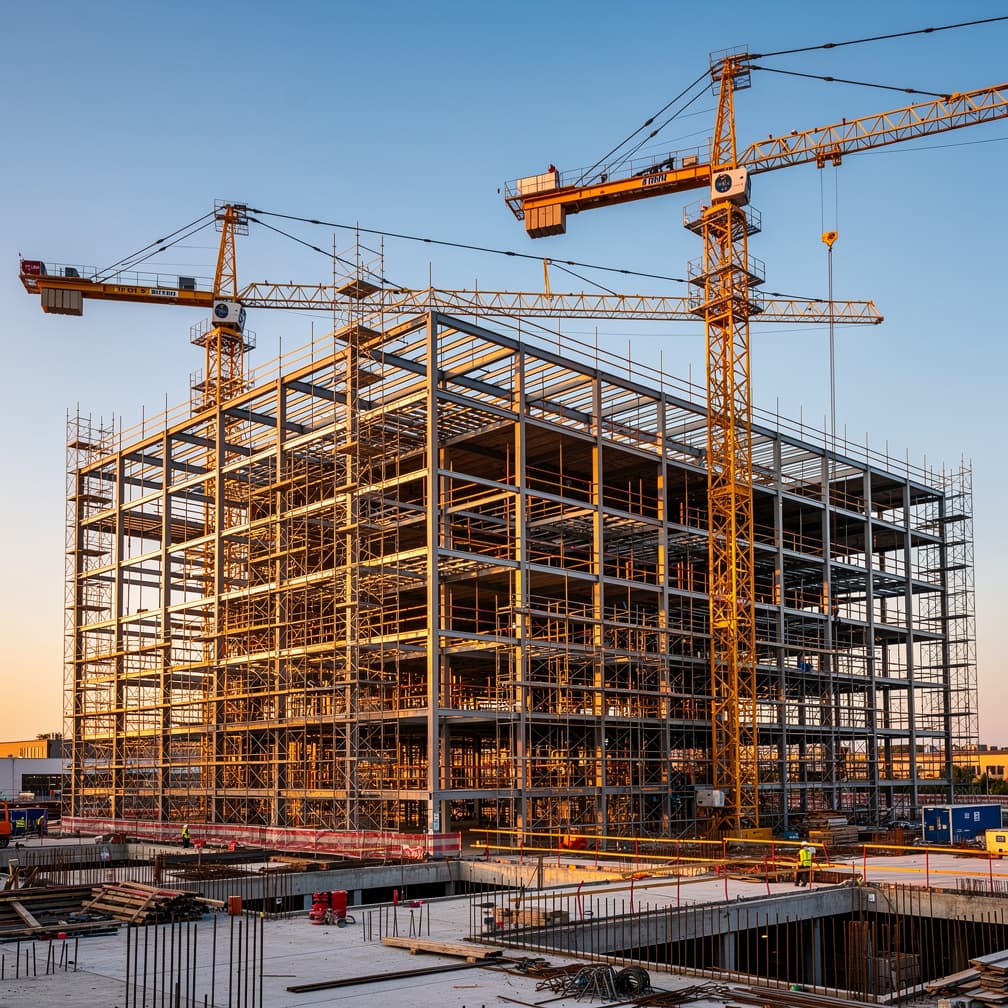
Structure Coverage
Covers the building or structure under construction.
Materials on Site
Covers building materials stored at the construction site.

Materials in Transit
Covers materials being transported to the job site.
Temporary Structures
Covers scaffolding, fencing, and temporary buildings.

Soft Costs
Covers additional expenses from construction delays due to covered losses.

Equipment Coverage
Covers permanently installed fixtures and equipment.
Builders Risk Insurance Requirements in Mississippi
- Mississippi weather does not just delay a job. It extends the window where materials, partially completed work, and temporary protections sit exposed on site.
- If your job includes owner-furnished or long-lead materials, document where they are stored and when title transfers so the right property category is applied.
- For projects with lender oversight, match policy wording, loss payee requests, and evidence of coverage to draw requirements before the first disbursement is requested.
How Much Does Builders Risk Insurance Cost in Mississippi?
Pricing is usually driven by the project itself, so the most useful way to think about cost is through underwriting inputs you can control before you ask for a quote. Carriers typically look at the completed value, construction type, job duration, location, security, and the type of work being performed. A ground-up commercial build, a coastal-adjacent project, and an interior renovation with owner occupancy can each be underwritten very differently even if the contract values are similar. Your submission quality affects the quote as much as the raw project size. If plans, specifications, budget, and timeline are incomplete, the underwriter has to make assumptions, and assumptions usually narrow terms or slow the process.
A clear statement of values, a realistic completion date, and a direct explanation of where materials will be stored can help produce terms that fit the job instead of broad exclusions that leave gaps. Weather exposure is also part of the pricing conversation. If the build schedule runs through periods when wind, heavy rain, or storm-related delays are more likely, ask how that affects deductibles, protective safeguards, and any conditions tied to securing the site. The state regulator is the Mississippi Insurance Department, which means the policy forms and endorsements available to you are filed and approved at the state level. If a dispute arises over wording or a claim is denied, that is the department you contact. The practical next step is to request quotes only after your contract value, timeline, and named insured structure are settled enough to avoid mid-project rewrites.
Request a Quote Comparison
Enter your ZIP code to compare builders risk insurance rates from top carriers.
Business insurance starting at $25/mo
Who Needs Builders Risk Insurance?
The buyer is often the party the contract makes responsible for insuring the work, but the real issue is who has money at risk if a loss damages the project before completion. That can include the property owner, a general contractor, a construction manager, a developer, or another party with a direct financial interest in the job. On some projects, the owner wants control of the policy because the owner is funding the work, managing draws, and wants one form that aligns with lender requirements. On others, the general contractor is in the best position to coordinate values, track change orders, and make sure subcontracted scopes are reflected correctly. If multiple parties need to be protected, the named insured and additional insured structure should be checked against the contract instead of assumed from the certificate request.
Renovations deserve extra attention because the financial stake is often split between existing property, new work, and business operations that continue during construction. If a school, retail space, office, or multifamily property stays occupied while work proceeds, you need a clear division between what belongs under builders risk and what remains under the standing property program. Lenders, landlords, and public or private owners may also require evidence of coverage before funds are released or site access is granted. The right buyer is the party that can document the project values, satisfy the contract, and coordinate all interested parties before the first loss tests the paperwork.
Builders Risk Insurance by City in Mississippi
Builders Risk Insurance rates and coverage options can vary across Mississippi. Select your city below for localized information:
How to Buy Builders Risk Insurance
Buying correctly starts with assembling the project file before anyone fills out an application. You need the signed or near-final contract, the scope of work, the total completed value, the construction schedule, site address, plans if available, and a list of parties that may need to be named. If the project includes phased turnover, tenant improvements, or owner-supplied materials, flag that early because it can change how the policy should be structured. Next, match the insurance request to the way the job will actually run. If materials will be stored off site, if critical components will travel in stages, or if the site will sit idle between trades, say so directly. Underwriters price uncertainty conservatively, so a detailed narrative about security, fencing, lighting, water control, and who checks the site after hours can help avoid broad assumptions.
For jobs with weather-sensitive schedules, include the planned start date, expected dry-in date, and any contingency planning for delays. Then check the draft terms against the contract, not just the declarations page. Confirm the named insureds, covered property categories, limit basis, deductible structure, and policy term. Check whether extensions are available if the project runs long, and ask how change orders should be reported during the build. Before binding, make sure the certificate holder requests, lender wording, and any waiver or loss payable requirements are handled in the same workflow. That reduces the chance of discovering a paperwork gap after materials are already on site.
How to Save on Builders Risk Insurance
The best savings move on a builders risk policy is to make the project easier to understand and less likely to produce a preventable claim. Start by tightening the statement of values. If the completed value is inflated, you may pay for limit you do not need. If it is understated, you risk a harder claim discussion later. A disciplined budget that separates labor, materials, owner-furnished items, and soft-cost-related requests gives the underwriter a cleaner basis for terms.
Site controls matter too. If you can document fencing, locked storage, lighting, camera use, water shutoff procedures, debris removal routines, and who inspects the site after storms or before weekends, you give the carrier concrete reasons to view the risk more favorably. The same is true for delivery planning. Materials that arrive too early can sit exposed longer, so coordinating delivery dates with installation windows can reduce both claim potential and underwriting concern. You can also save by reducing avoidable policy changes. Projects often evolve as permits, trades, and schedules shift, but frequent rewrites create friction and can trigger repricing. Submit the most accurate start date, realistic completion timeline, and current contract value you can support. If the project may extend, ask about the process for extensions before binding instead of treating it as an afterthought. Finally, compare quotes on form quality, deductible fit, and covered property categories, not just the premium line. A lower price is not a savings if stored materials, temporary works, or key parties are left out of the policy structure.
Our Recommendation for Mississippi
The most productive builders risk conversations start with three documents on the table at the same time: the construction contract, the schedule of values, and the project timeline. If those three do not agree, the insurance request is usually not ready. That is where missed property categories, wrong named insureds, and avoidable endorsement requests tend to start. Ask direct questions about weather delay planning, site security between trades, and how long materials will sit before installation. Those details matter more on a live job than generic descriptions of the project. If you are updating a building that stays in use, insist on a line-by-line discussion of what stays under the existing property policy and what shifts to your policy during the work.
For lender-backed jobs, get the insurance requirements early and compare them to the contract before you shop. That helps you avoid buying a policy that looks acceptable at binding but fails a draw review later. If your project may change scope, set a calendar reminder to check values and term before the midpoint of construction, not after a delay forces an urgent extension request.
FAQ
Frequently Asked Questions
Yes, because a standard property policy is built for a finished building, not one with open walls and active trades. The work in progress, stored materials, and occupied portions of the property may need to be handled under different policies. Start with the contract and map each property category before work begins.
Projects usually place that responsibility on the party named in the construction contract, often the owner or general contractor. The better question is who has the financial stake, who controls project values, and who must satisfy lender or owner requirements.
Lender-backed projects often require evidence that the policy matches contract value, named parties, and draw conditions. Get lender insurance wording early, then compare it to the draft policy before binding so certificate issues do not delay funding.
Policies can treat off-site materials differently depending on the form and endorsements offered. If your project relies on staged deliveries or custom components, list those materials clearly in the submission instead of assuming they are automatically included.
Underwriters usually need the site address, scope of work, contract value, timeline, and parties to be named, plus plans if available. A complete submission helps the carrier price the actual job instead of filling gaps with conservative assumptions.
Insurance oversight sits with the Mississippi Insurance Department. That matters because the policy forms and endorsements available to you are filed and approved at the state level. If a dispute arises over wording or a claim is denied, that is the department you contact.
Property policies are not always designed around a construction project, especially during major renovations or new work. Check the existing form against the contract, the build schedule, and the materials exposure before deciding it is enough.
Builders risk insurance may cover, subject to policy terms, the structure under construction, materials on site, materials in transit, temporary structures, and fixtures or equipment being installed. Depending on the policy, you can also review soft costs and delay-related coverage tied to a covered property loss.
Sources
- 1.Mississippi Insurance Department(The state regulator is the Mississippi Insurance Department.)
Updated July 16, 2026