Updated July 16, 2026

Key Takeaways
- List every towing and transport service you perform before requesting quotes, so loading, unloading, winching, and recovery exposures are reviewed correctly.
- Compare the on-hook limit, deductible, valuation method, and exclusions side by side instead of choosing a policy on premium alone.
- Ask in writing whether your policy addresses the specific vehicles you tow most often, especially specialty, modified, low-clearance, or higher-value units.
- Use pre-tow photos, condition notes, and signed release procedures on every job to reduce disputes and support claims handling.
- Review on-hook coverage together with auto liability and any garagekeepers coverage before renewal to catch gaps between transport and storage.
On-Hook Towing Insurance in Missouri
In Missouri, landlords leasing yard space, police rotation managers, municipal vendors, lenders financing your trucks, and commercial clients moving disabled vehicles often ask to see proof that your policy addresses customer autos while they are attached, loaded, carried, or unloaded. They usually expect clean certificates, matching business names, and limits that fit the work you actually take on. That proof matters before a contract starts, before a storage lot access agreement is signed, and sometimes before a financed unit is released for service. Missouri operators work through a wide mix of exposures, from interstate traffic around St. Louis and Kansas City to rural recovery calls, storm-related tows, and private property impounds where documentation gets scrutinized after the fact. A useful quote is not just a checkbox. It should line up with your dispatch pattern, the types of vehicles you move, where units are garaged, and whether your operation mixes roadside service with recovery, transport, or storage. Bring your current declarations, driver list, unit schedule, and sample contracts to the quote request so coverage gaps show up before a loss does.
What On-Hook Towing Insurance Covers
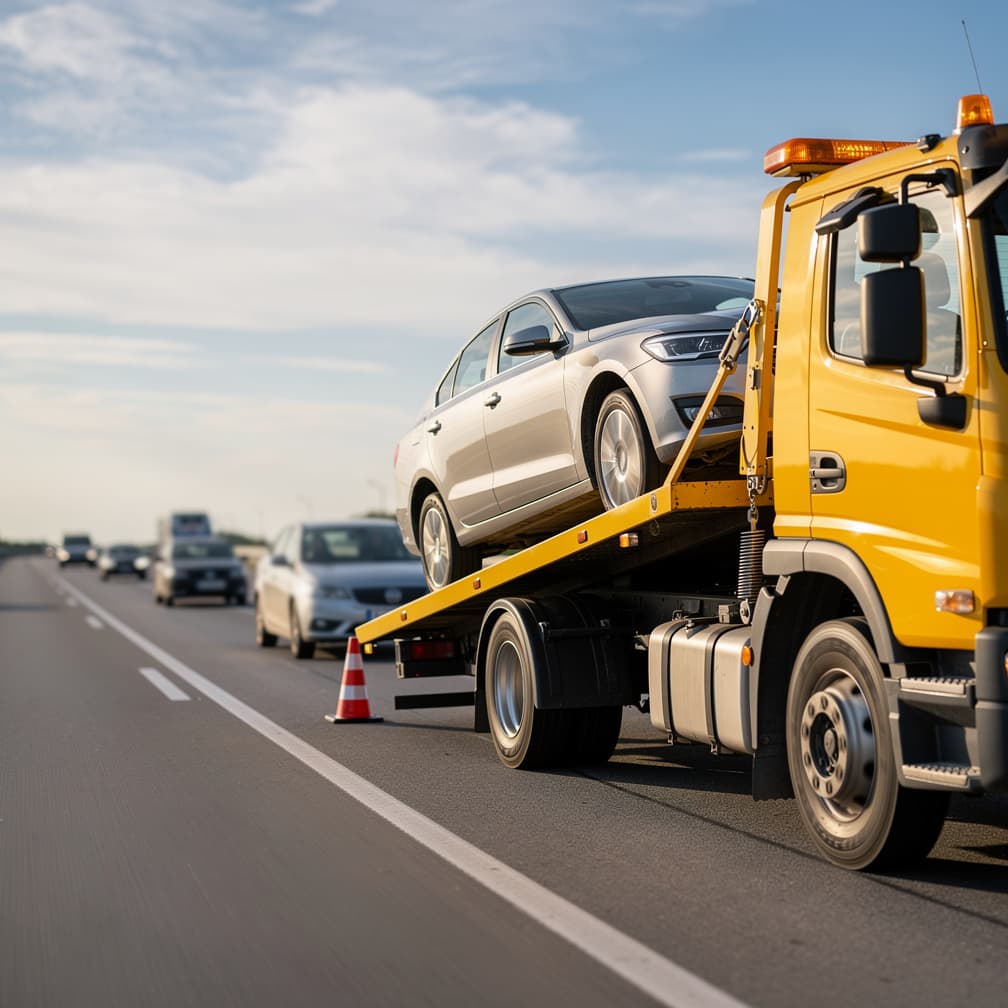
The practical review starts with how a claim is likely to be argued after a customer vehicle is damaged during a tow. The real questions are usually concrete: whether the vehicle was already in your care, whether the handoff was documented, whether the loading method matched the vehicle type, and whether the loss happened during a routine roadside tow, a recovery, a dealer transfer, or an impound release.
For many Missouri towing operations, the most important difference is how often one truck handles several kinds of work in the same week. A flatbed may move disabled passenger cars one day, and a wheel-lift may clear a private lot the next. The same account may also respond to weather-driven calls where road conditions complicate loading and unloading. If your operation crosses those lines, ask for wording and limits that are reviewed against each service type, because a claim involving a low-clearance vehicle, modified suspension, or heavier commercial unit can be handled very differently from a standard passenger auto tow.
You should also review where disputes tend to start. In practice, that often means pre-tow photos, dispatch notes, signed releases, lot condition records, and procedures for documenting pre-existing damage before hookup. Missouri weather and road conditions can turn a routine tow into a contested file quickly, especially if visibility, debris, flooding, or storm cleanup affects the scene. If you also store vehicles, ask the quote review to address how storage or garagekeepers exposures interact with your towing operation so each part of the business is evaluated clearly.
Missouri's insurance regulator is the Missouri Department of Commerce and Insurance. That agency handles consumer complaints, licenses producers, and publishes guidance on policy forms used in the state. If you are comparing forms, endorsements, or complaint handling expectations, keep your policy documents organized and review state-facing notices before binding coverage.
Collision on Hook
Covers damage to towed vehicles from collisions during transport.
Comprehensive on Hook
Covers theft, fire, and weather damage to vehicles being towed.
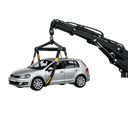
Loading & Unloading
Covers damage during the process of loading and unloading vehicles.
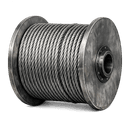
Winching Coverage
Covers damage to vehicles during winching and recovery operations.
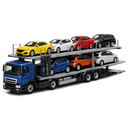
Multiple Vehicle
Covers all vehicles on multi-car carriers and rollback flatbeds.
On-Hook Towing Insurance Requirements in Missouri
- Missouri weather can turn a routine tow into a documentation dispute fast. Ice on a shoulder, a flooded underpass, or storm debris on a ramp changes how a vehicle gets loaded and how a claim gets argued afterward. Photo procedures and scene notes should be consistent across every driver, especially during storm-driven rotation calls.
- If your operation mixes private property impounds with roadside calls, ask the quote review to address how those different dispatch types affect your towing exposure. Private property work in Missouri often involves signed authorization forms, lot releases, and after-hours handoffs that roadside calls do not.
- Operators serving both metro corridors and rural areas should explain travel radius, after-hours work, and recovery frequency clearly before comparing policy terms. A truck running I-70 between Kansas City and St. Louis faces different traffic and loss conditions than one working county roads south of Springfield.
- If you store vehicles after towing, ask the quote review to address how storage or garagekeepers exposures interact with your towing operation so responsibilities stay clear after a loss.
How Much Does On-Hook Towing Insurance Cost in Missouri?
Underwriters want to know what kinds of vehicles you tow, whether you handle accident recovery or mostly routine roadside calls, how often you work after hours, and whether one unit shifts between wheel-lift, flatbed, impound, and transport work. If your dispatch pattern changes by season or storm activity, say that early. A cleaner description often produces a more accurate quote than a short application with missing details.
Garaging location matters because it affects theft exposure, weather exposure, and how quickly a truck reaches higher-traffic corridors or remote recovery scenes. So does radius of operation. A unit that stays local may be priced differently from one that regularly crosses the state for dealer moves or contract work. Driver experience, motor vehicle records, prior losses, deductibles, requested limits, and whether you subcontract overflow work can all change the premium. If you tow higher-value vehicles, specialty units, or commercial equipment, expect the underwriter to ask for more detail before offering terms.
Your paperwork also affects cost. Missouri operators that can show consistent pre-trip inspections, hookup procedures, photo documentation, and signed service records are easier to underwrite because the carrier can see how a disputed damage claim would be defended. If your current policy bundles several exposures together, ask the agent to separate what is being charged for on-hook risk versus auto liability, physical damage, garagekeepers, or inland marine so you can compare quotes on equal terms.
The most useful way to shop is to request the same deductibles, the same limit structure, and the same service description across each quote. That lets you see whether a lower premium comes from real underwriting appetite or from narrower terms that leave your Missouri operation exposed where claims actually happen.
Request a Quote Comparison
Enter your ZIP code to compare on-hook towing insurance rates from top carriers.
Business insurance starting at $25/mo
Who Needs On-Hook Towing Insurance?
This coverage may be worth reviewing anywhere your business takes possession of someone else's vehicle and moves it with your equipment under conditions that can produce a damage dispute. That may include obvious towing operations, and it can also apply to businesses whose revenue comes from a mix of roadside assistance, transport, impounds, recovery, dealer work, salvage movement, or contract towing for property owners and municipalities. If a customer auto is attached to your truck or on your bed and something goes wrong, this coverage may help address the resulting damage claim.
Property managers may ask for certificates before authorizing private property impound work. Municipal or law enforcement related opportunities may require evidence of insurance before rotation or vendor participation is considered. Lenders and lessors may also want to see that your insurance program matches the financed equipment's use, especially if the truck is central to your revenue.
Missouri operators should pay close attention if they handle mixed-use fleets. A business that advertises roadside service may still need a careful review if it occasionally performs recoveries, transports disabled commercial vehicles, or moves customer units between lots. The same is true for repair shops, repossession-related operators, transport businesses, and salvage-connected operations that do not market themselves primarily as towing companies but still assume custody of vehicles during movement.
If you are unsure whether your work fits, look at your invoices and dispatch logs, not your homepage. If they show that your staff loads, winches, lifts, carries, or unloads customer vehicles as part of paid work in Missouri, bring those records into the quote conversation and ask for the towing exposure to be evaluated directly.
On-Hook Towing Insurance by City in Missouri
On-Hook Towing Insurance rates and coverage options can vary across Missouri. Select your city below for localized information:
How to Buy On-Hook Towing Insurance
Buying this coverage in Missouri goes faster when you present the operation the way an underwriter will examine it after a loss. Start with a current unit schedule that shows each truck, how it is equipped, where it is garaged, and what work it performs most often. Then add a driver list with license details, experience, and any role differences between routine towing, recovery, and after-hours dispatch. If one truck is used for several service types, say so plainly instead of forcing it into one narrow description.
Next, assemble the documents that prove how your business controls claims. That usually means dispatch logs, sample tow tickets, pre-tow and post-tow photo procedures, storage or release forms if you impound, and any contracts with property managers, municipalities, lenders, motor clubs, dealers, or commercial accounts. If you subcontract overflow work, disclose that up front. If you use independent contractors, explain exactly where their responsibility starts and ends.
For a Missouri quote comparison, ask each agent or broker to review the same operational facts: service radius, vehicle types handled, percentage of roadside versus recovery work, whether you tow after storms, whether you move exotic or low-clearance vehicles, and whether you store units after towing. Request a quote today so the comparison is real. If an exclusion or condition appears in one proposal, ask how it would apply to your most common dispatches. Before binding, read the named insured, truck schedule, garaging addresses, and endorsements line by line. Certificates should match the legal entity that signs contracts in Missouri. If a landlord, client, or lender asks for proof, send it only after you confirm the policy reflects the operation you are actually running today.
How to Save on On-Hook Towing Insurance
The strongest savings strategy is to make your towing operation easier to understand and easier to defend. Start with documentation that shows what happened before the vehicle was hooked, while it was being moved, and when it was released. Clear time-stamped photos, dispatch notes, signed condition acknowledgments, and consistent tow tickets can reduce uncertainty in a claim file.
You can also save by separating service types instead of describing everything as general towing. If one truck mostly handles dealer transfers and another responds to roadside calls or impounds, ask for the quote to reflect those differences. A vague application can push the underwriter toward broader assumptions, while a precise one may produce cleaner terms. The same principle applies to driver assignments. If your most experienced operators handle recoveries or higher-value vehicles, document that workflow.
Equipment discipline matters too. Keep inspection logs for winches, straps, wheel-lifts, dollies, bed mechanisms, and lighting. Show that damaged gear is removed from service promptly and that replacement practices are documented. If you train drivers on low-clearance loading, electric vehicle handling, or specialty vehicle securement, include that in the submission. Those details help explain why your operation may present less avoidable loss than a similar-sized fleet with weaker controls.
Finally, shop before renewal pressure builds. Give yourself time to correct vehicle schedules, remove sold units, update garaging addresses, and reconcile claims history. Ask each quote source to identify what is driving the premium, such as vehicle mix, loss history, deductibles, or service profile. Then decide whether a lower price reflects better fit or simply less protection for the kinds of Missouri tows that create the hardest claims.
Our Recommendation for Missouri
For Missouri towing businesses, the smartest buying move is to test your policy against your hardest dispatch, not your easiest one. Think about the call that would create the most argument: a storm-related recovery, a low-clearance vehicle with pre-existing damage, an after-hours impound release, or a commercial unit moved from a tight lot. If the quote is vague on how your operation is described, fix that before you bind.
I would also review contracts and certificates together. A property manager, lender, or municipal client may ask for proof quickly, but speed is not the goal if the named insured, addresses, or service description are wrong. Match the legal entity on the policy to the entity signing Missouri contracts, and confirm every truck in service appears on the schedule.
Keep your evidence habits strong. Standardize pre-tow photos, release signatures, and dispatch notes across every driver and every shift. That does not just help after a loss. It also gives underwriters a reason to take your submission seriously at renewal. If your business mixes towing with storage, roadside service, transport, or recovery, ask for each exposure to be reviewed on purpose.
FAQ
Frequently Asked Questions
In Missouri, landlords, property managers, municipal vendors, lenders, and commercial clients commonly ask for proof before they release yard access, approve contract work, or finance equipment tied to towing operations. Have certificates and policy details ready before the request becomes urgent.
Missouri towing companies that also handle impounds should ask for a separate operational review because private property work, releases, storage handoffs, and after-hours dispatch can change how a claim is documented and defended after a customer vehicle is damaged.
Missouri buyers should compare quotes using the same truck schedule, service descriptions, deductibles, and limits. That makes it easier to see whether one proposal is truly competitive or simply narrower where your dispatches create the most claim pressure.
Missouri towing businesses usually move faster through underwriting when they provide a current unit list, driver roster, dispatch logs, tow tickets, sample contracts, and photo procedures. Those records help the underwriter understand how your operation controls disputed damage claims.
Missouri weather can affect how you shop because storm cleanup, flooding, debris, and poor visibility can change the difficulty of loading and unloading a customer vehicle. Describe those dispatch conditions clearly so the quote reflects your real operating environment.
Missouri insurance questions and complaints are overseen by the Missouri Department of Commerce and Insurance. Keep policy forms, endorsements, and certificates organized so you can review state-facing notices and compare proposals carefully before binding coverage.
If your technicians regularly attach, lift, winch, carry, or unload customer vehicles for pay, the answer is usually yes. Your invoices and dispatch records tell the story more accurately than your website headline does.
On-hook towing insurance may cover damage to a customer vehicle while it is being loaded, attached, carried, winched, or unloaded by your tow truck, depending on the policy terms. Buyers should review collision, fire, theft, weather, and loading-related damage carefully.
Sources
- 1.Missouri Department of Commerce and Insurance(Missouri's insurance regulator is the Missouri Department of Commerce and Insurance.)
Updated July 16, 2026