







































Updated July 16, 2026

Builders Risk Insurance in Billings
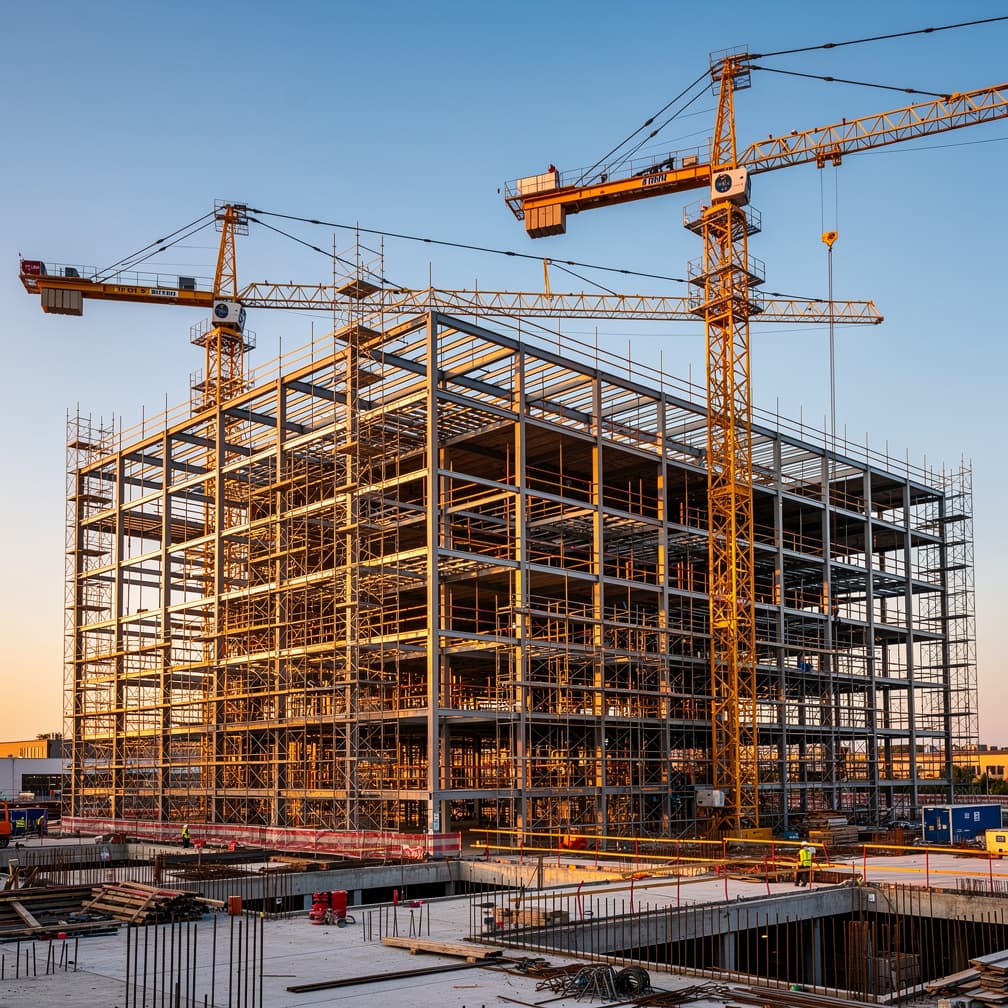
Property managers, construction lenders, and prime contractors around Billings often ask for proof of coverage before a draw is released, a leasehold improvement starts, or materials are staged on site. Locally, that usually means the certificate and policy details have to match the actual job, the named insured, and the project address rather than just handing over a generic evidence form. That is where builders risk insurance in Billings becomes a practical document review, especially for fast-moving projects that jump quickly from bid to mobilization.
The local housing baseline matters here too. With a median home value of $311,800 in Billings, a single weather event or site loss could cost you tens of thousands before the project is even habitable. Your limit should track the completed value and change orders carefully. If you are building for an owner occupant, a landlord, or a small commercial owner, ask early who needs to be listed. Confirm whether soft costs need review and how temporary storage or transit of materials will be handled before the first delivery arrives.
Builders risk is really about aligning the policy with the people who touch the project. That typically means getting everyone on the same page, from the owner and lender to the general contractor and any property manager involved. If those parties are not lined up correctly, friction tends to surface when a draw is pending or a loss raises questions about whose financial interest was actually scheduled.
That is especially important on residential builds and renovation work tied to real property values. Billings has a median household income of $71,855, which means a mid-build loss could force you to choose between halting construction or taking on debt to finish. For you, that means the cleaner purchase is usually the one where your policy details are reviewed against the construction contract and financing documents. Get that alignment done before materials are committed or the first draw is scheduled.
Builders Risk Insurance Risk Factors in Billings
Billings's top risk factors include Wildfire risk, Drought conditions, Power shutoffs, and Air quality events.
Montana has a moderate climate risk rating. Top hazards: Wildfire (Very High), Winter Storm (High), Earthquake (Moderate), Flooding (Moderate). The state's expected annual loss from natural hazards is $280M, which influences builders risk insurance premiums and may affect coverage availability in high-risk areas.
What Builders Risk Insurance Covers
You want the quote to match how the work will actually unfold on your site. That means reviewing whether the policy is being written around new construction, a major remodel, or an addition where existing property and new work may need to be separated carefully.
For many Montana projects, a practical review includes temporary storage, materials in transit, and the point at which installed items become part of the covered project. If windows, cabinets, mechanical equipment, or finish materials arrive early and sit before installation, ask how those items are treated at the site and away from it. If your build depends on special-order components or long replacement lead times, ask how a delay after a covered loss could affect the budget and schedule. Those questions matter more when replacement materials are not easy to source quickly.
You should also review who needs to be named or recognized under the policy. Owners, general contractors, lenders, and others with a financial interest may all need to appear correctly, depending on the contract. That distinction can decide whether a loss falls to your builders risk policy, another property policy, or a gap you need to fix before work starts.
Montana weather exposure also makes site protection details worth spelling out. If the project will sit idle between trades, if materials will be stored outdoors, or if the site is some distance from regular supervision, bring that up in the application. The policy terms can then be reviewed around the real job conditions rather than a generic template.
Coverage Included

Structure Coverage
Covers the building or structure under construction.
Materials on Site
Covers building materials stored at the construction site.

Materials in Transit
Covers materials being transported to the job site.
Temporary Structures
Covers scaffolding, fencing, and temporary buildings.

Soft Costs
Covers additional expenses from construction delays due to covered losses.
Equipment Coverage
Covers permanently installed fixtures and equipment.
Industries & Insurance Needs in Billings
Yellowstone County's business mix changes the buying conversation because construction is not a niche activity here. The county has 5,935 business establishments, and construction holds the largest establishment share at 13.2%, ahead of retail trade at 11.6% and health care and social assistance at 10.3%. That concentration means many projects involve multiple local trades, supplier handoffs, and owner expectations around certificates, contract language, and draw schedules, so builders risk paperwork often needs to be coordinated tightly with the rest of the job file.
For you as a buyer, the consequence is practical rather than abstract. More active contractors and commercial tenants can mean more frequent remodels, build-outs, and phased work where responsibility for materials, fixtures, and partially completed improvements needs to be clear before work starts. Review who is purchasing the policy, who has an insurable interest, and whether the project timeline leaves enough room to extend the term if inspections, financing, or tenant turnover push completion back.
What Makes Billings Different
The local housing baseline matters here too. With a median home value of $311,800 in Billings, a single weather event or site loss could cost you tens of thousands before the project is even habitable. Your limit should track the completed value and change orders carefully. If you are building for an owner occupant, a landlord, or a small commercial owner, ask early who needs to be listed. Confirm whether soft costs need review and how temporary storage or transit of materials will be handled before the first delivery arrives.
Builders risk is really about aligning the policy with the people who touch the project. That typically means getting everyone on the same page, from the owner and lender to the general contractor and any property manager involved. If those parties are not lined up correctly, friction tends to surface when a draw is pending or a loss raises questions about whose financial interest was actually scheduled.
That is especially important on residential builds and renovation work tied to real property values. Billings has a median household income of $71,855, which means a mid-build loss could force you to choose between halting construction or taking on debt to finish. For you, that means the cleaner purchase is usually the one where your policy details are reviewed against the construction contract and financing documents. Get that alignment done before materials are committed or the first draw is scheduled.
Our Recommendation for Billings
Start with the contract set, not the application alone. On a local project, ask your agent to review the owner contractor agreement, lender requirements, and any lease or property management conditions together. The goal is to make sure the named insured, additional interests, and project description all line up across the paperwork. Catching a mismatch at the front end keeps your draw schedule from stalling later, when someone asks for proof of coverage before funds move.
Build the limit from the project budget and completed value, then revisit it when change orders hit. If you are handling a remodel, tenant improvement, or phased build, ask specifically how existing structure, newly installed materials, and temporary storage are treated under the form being quoted. It is also worth confirming the planned completion date against a realistic construction schedule. A term that is too short can create friction late in the job. Before binding, request a specimen certificate or evidence format that mirrors what the lender, owner, or upstream contractor expects to see.
Get Builders Risk Insurance in Billings
Enter your ZIP code to compare builders risk insurance rates from carriers in Billings, MT.
Business insurance starting at $25/mo
FAQ
Frequently Asked Questions
Billings lenders usually want proof that the project address, insured party, and coverage term match the financed job. Because local home values center around $311,800, they often look closely at whether the insured value reasonably tracks the completed project value.
Remodel projects can warrant builders risk review when the work involves substantial materials, unfinished improvements, or lender collateral. The key question is not project type alone, but whether a covered loss during construction would leave you with a meaningful financial exposure.
Yellowstone County has 5,935 business establishments, with construction representing 13.2% of establishments. That density of trades on site means a miscommunication about who carries the policy can leave a gap nobody notices until a loss happens. It makes sense to verify who buys the policy, who is listed, and how responsibility shifts during the job.
Owner-builders should review soft costs if a delay would increase interest expense, permit costs, or other time-sensitive project expenses. That discussion matters most when financing, contractor scheduling, or occupancy timing leaves little room for a long construction interruption.
Commercial tenant improvements often need tighter paperwork because landlords, lenders, and contractors may each request evidence of coverage. Before work starts, compare the lease, construction contract, and policy details so the named interests and project description line up.
The buyer is usually the party the contract makes responsible for insuring the work in progress. That can be the owner, contractor, or developer, so you should check the agreement and any lender requirements before requesting a quote.
Home builds in rural areas are often worth reviewing carefully because distance, storage, and site supervision can affect how the risk is described. Bring your budget, schedule, and material delivery plan to the quote review so terms match the job.
Lenders often want evidence that the project value under construction is insured before funds continue to move. You should ask what wording, named interests, and policy term they expect, then compare that against the construction contract before binding.
Sources
- 1.U.S. Census Bureau, ACS 5-Year Estimates, table B25077(With a median home value of $311,800 in Billings, even a modest custom home or major renovation can put a meaningful amount of unfinished value, installed materials, and lender collateral at stake.)
- 2.U.S. Census Bureau, County Business Patterns, Yellowstone County(Yellowstone County has 5,935 business establishments, and construction holds the largest establishment share at 13.2%, ahead of retail trade at 11.6% and health care and social assistance at 10.3%.)
- 3.U.S. Census Bureau, ACS 5-Year Estimates, table B19013(Billings has a median household income of $71,855, so many projects are financed with a close eye on budget discipline and lender documentation rather than loose contingency planning.)
Updated July 16, 2026





