







































Updated July 5, 2026

Car Insurance in Great Falls
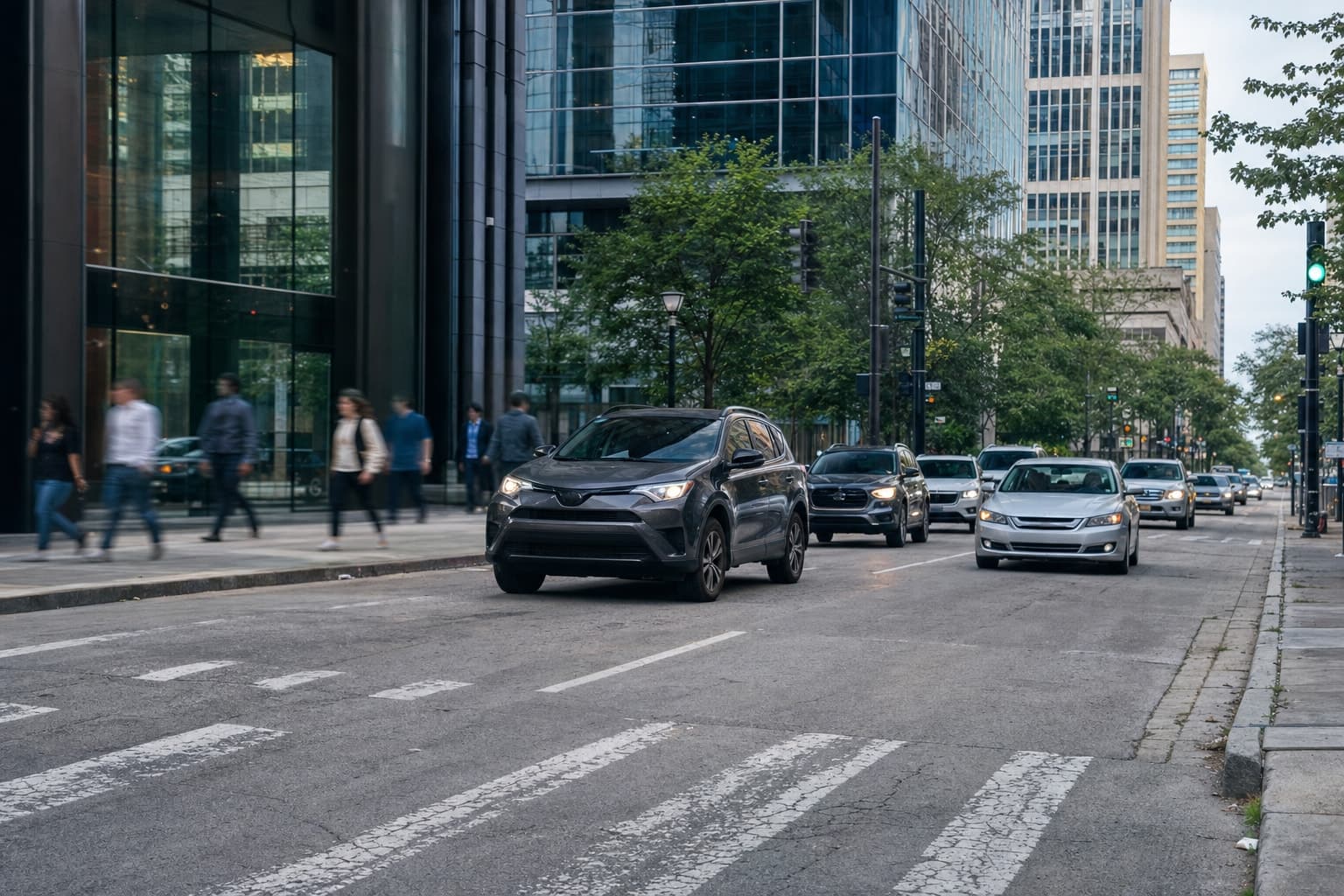
A smaller market changes how you shop. In Great Falls, you usually have fewer truly local agency relationships to lean on, and carrier appetite can shift faster for drivers with a recent ticket, a youthful operator, or a financed vehicle that needs physical damage coverage. That makes car insurance in Great Falls less about chasing a generic online quote and more about checking which companies are actively writing the kind of risk you bring right now.
Local driving also mixes short in-town trips with regular runs across Cascade County for work, errands, and appointments, so your quote should match how the car is actually used. If you commute, deliver, or split time between household and business errands, say that clearly before you bind. Great Falls households report a median income of $63,934, so deductible choices and rental reimbursement limits are worth reviewing against what you could comfortably absorb after a loss. If one breakdown or collision would strain your monthly budget, ask for side by side quotes with more than one deductible and with uninsured motorist options reviewed, then compare the out of pocket tradeoff before you renew.
Montana has a moderate climate risk rating. Top hazards: Wildfire (Very High), Winter Storm (High), Earthquake (Moderate), Flooding (Moderate). The state's expected annual loss from natural hazards is $280M, which influences car insurance premiums and may affect coverage availability in high-risk areas.
What Car Insurance Covers
Car insurance in Montana is built around protecting you from losses tied to an auto accident, vehicle damage, injuries, and uninsured drivers. Liability coverage is the foundation because Montana drivers must meet the state's auto insurance rules, and split liability limits serve as a benchmark for required protection levels. For personal policies, the exact structure can vary by carrier. The key idea is that liability can help pay for injuries or damage you cause to others, while collision may help cover your own vehicle after an accident and comprehensive can help cover non-collision losses such as wildfire, hail, theft, or winter storm-related damage.
That matters in Montana, where wildfire risk is rated very high, winter storms are high risk, and recent disasters included a 2024 wildfire complex and a 2023 severe winter storm. Uninsured motorist coverage is especially relevant because Montana's uninsured driver rate is 7.8%, so it can help when the other driver lacks enough coverage. Medical payments coverage can help with medical expenses after a crash, and rental reimbursement can help keep you mobile while your car is being repaired, subject to policy terms. Deductibles and coverage limits shape how much risk stays with you versus the insurer. Exclusions and endorsements vary by policy, so drivers in Montana should review how their policy treats weather losses, rural driving, and high-value vehicles before they bind coverage.
Coverage Included

Liability
Can help pay for injuries and property damage you cause to others in an accident, coverage most states require drivers to carry.

Collision
Can help pay to repair or replace your car after a crash with another vehicle or object, regardless of fault.

Comprehensive
Typically covers damage to your car from events other than collisions, such as theft, hail, fire, flooding, or hitting an animal.

Uninsured Motorist
May pay for your injuries and, in some states, car damage when an at-fault driver has no insurance or too little.

Medical Payments
Can help cover medical bills for you and your passengers after an accident, no matter who was at fault.
Rental Reimbursement
May pay for a rental car while your vehicle is in the shop for repairs after a covered claim.
Car Insurance Cost in Great Falls
Average Cost in Montana
$80 - $190
per month
In Montana, car insurance premiums typically run $80 - $190 per month, which tends to run 21% below the national range of $110 - $230 per month.
- Driving record and age
- Vehicle make, model, and year
- Location and commute distance
- Credit-based insurance score
- Coverage limits and deductibles
Contact CPK Insurance for a personalized quote.
Prices shown are general estimates, not guaranteed rates or quotes. Your actual premium will depend on the insurer, coverage selected, personal details, location, claims history, and other underwriting factors. Learn about our pricing methodology.
Montana car insurance cost is close to the national average overall, with a premium index of 98 and an average monthly range of $80 to $190 per month. A premium index of 98 means Montana rates sit just below the national baseline, so your pricing should feel roughly typical compared to drivers in other states. That range is wide because carriers price for the details that matter most in Montana: coverage limits, deductibles, claims history, location, endorsements, and the type of vehicle you drive. A driver in Helena may see different pricing than someone in a rural county because commute patterns, theft exposure, weather risk, and repair access can all influence a quote. Montana also has a broad market with many active insurance companies, which creates more shopping options but also more variation between quotes.
State risk conditions can push premiums in different directions. Severe winter storms, wildfire exposure, and flood or mudslide history can increase the likelihood of comprehensive claims. The state's 18,000 crashes in 2023 and average claim cost of $22,817 mean a single severe collision can add thousands in repair and medical costs, which can push rates higher for everyone in the pool. Speeding, red-light violations, weather conditions, drowsy driving, and impaired driving were all leading crash factors, so a driver's record can matter a lot. The state's market is also affected by local economics: household income, vehicle use, and annual mileage can all influence what a carrier offers. Because premiums are near average but still vary by carrier, comparing quotes from multiple insurers is one of the most practical ways to understand your own price.
Industries & Insurance Needs in Great Falls
Cascade County's business mix changes how many local drivers use their vehicles. The county has 2,484 business establishments, and the largest establishment shares are retail trade at 13.5%, health care and social assistance at 13.1%, and construction at 11.7%. So a lot of vehicles here are tied to shift work, jobsite travel, supply runs, and customer-facing errands rather than a simple home-to-office commute.
That matters because personal auto policies are priced and underwritten around use. If your car regularly carries tools, samples, or inventory, or if you drive between locations during the workday, your agent should review whether your current policy language still fits. A retail manager, home health worker, or contractor can all have very different mileage patterns even if they live in the same ZIP code. Before you buy, list who drives, where the car is parked during work hours, and whether any business use shows up during the week. That is often where a local quote becomes more accurate.
What Makes Great Falls Different
Smaller-market carrier fit is the main difference here. In a place this size, the biggest pricing mistake is often not the limit you pick, but assuming every insurer wants the same kind of driver profile at the same time. One company may be comfortable with a clean record and a teen driver added to the household, while another may price more favorably for an older paid-off vehicle with low annual mileage.
That narrower local market means you should shop with more detail, not less. Be precise about garaging address, annual miles, commute pattern, financed status, and every regular driver in the household. If your situation changed since the last renewal, update it before comparing quotes so you are not measuring inaccurate offers against each other. This is also a market where bundling can help, but only if the auto coverage still matches how you use the vehicle. Start with a clean application, then compare deductible options, medical payments, and comprehensive and collision choices on the same basis.
Our Recommendation for Great Falls
Start your review with usage, not price. If your driving week includes school drop offs, county travel, shift work, or occasional business errands, ask the agent to confirm the vehicle use classification before you compare premiums. A cheap quote built on the wrong use pattern is not a useful quote.
Next, stress test your deductible against your cash flow. For many households, the better question is not whether a higher deductible lowers the premium, but whether you could pay that amount without putting repairs on a card or delaying the claim. If your car is financed, also confirm lender requirements for comprehensive and collision before making changes.
Finally, ask for the same liability limits across every quote so you can see real differences. Then review uninsured motorist options, rental reimbursement, and roadside assistance as separate decisions rather than automatic add ons. If you have a teen driver, a recent violation, or mixed personal and work use, tell the agent upfront and request a fresh market check before renewal.
Get Car Insurance in Great Falls
Enter your ZIP code to compare car insurance rates from carriers in Great Falls, MT.
Car insurance starting at $59/mo
FAQ
Frequently Asked Questions
Great Falls is a smaller market, so carrier appetite can differ more sharply by driver profile, vehicle financing, and use pattern. If you have a teen driver, recent violation, or business-related mileage, ask for a fresh market check using the same limits and deductibles.
Great Falls households report a median household income of $63,934, so deductible selection should match what you could realistically pay after a claim. Compare at least two deductible options and weigh the premium savings against your likely out of pocket burden.
Cascade County has 2,484 business establishments, so many drivers here use their cars for more than a basic commute. If you travel between jobsites, stores, or care locations during the day, ask whether your current vehicle use classification still fits.
Cascade County's leading sectors are retail trade at 13.5%, health care and social assistance at 13.1%, and construction at 11.7%. Those work patterns often involve shift changes, supply runs, or jobsite travel, which should be disclosed before you bind coverage.
In Montana, liability can help pay for injuries or damage you cause to others, while collision helps repair your vehicle after an accident and comprehensive can respond to losses tied to wildfire, winter storm damage, theft, or other non-collision events. That mix matters because Montana has very high wildfire risk and high winter storm risk, so many drivers review comprehensive coverage more carefully than they would in a milder state.
Montana drivers should confirm the state's required liability structure with the state regulator, and the state's auto minimums of $25,000/$50,000/$15,000 serve as a benchmark for required protection levels. Because requirements and policy design can vary by driver and vehicle, it is best to compare quotes using the same limits.
Montana drivers see an average monthly range from $80 to $190. Your price depends on coverage limits, deductibles, claims history, location, vehicle type, and endorsements, so two drivers in the same city can still see different quotes.
Liability is the starting point because it addresses injuries or damage you cause to others, but collision and comprehensive are often worth comparing if your vehicle would be expensive to repair or replace after a crash, wildfire, hail, or severe winter weather. The right mix depends on your car's value, your deductible comfort, and how much risk you want to keep.
Sources
- 1.U.S. Census Bureau, ACS 5-Year Estimates, table B19013(Great Falls households report a median income of $63,934, so deductible choices and rental reimbursement limits are worth reviewing against what you could comfortably absorb after a loss.)
- 2.U.S. Census Bureau, County Business Patterns, Cascade County(The county has 2,484 business establishments, and the largest establishment shares are retail trade at 13.5%, health care and social assistance at 13.1%, and construction at 11.7%.)
Updated July 5, 2026





