Updated July 16, 2026

Commercial Auto Insurance in Great Falls
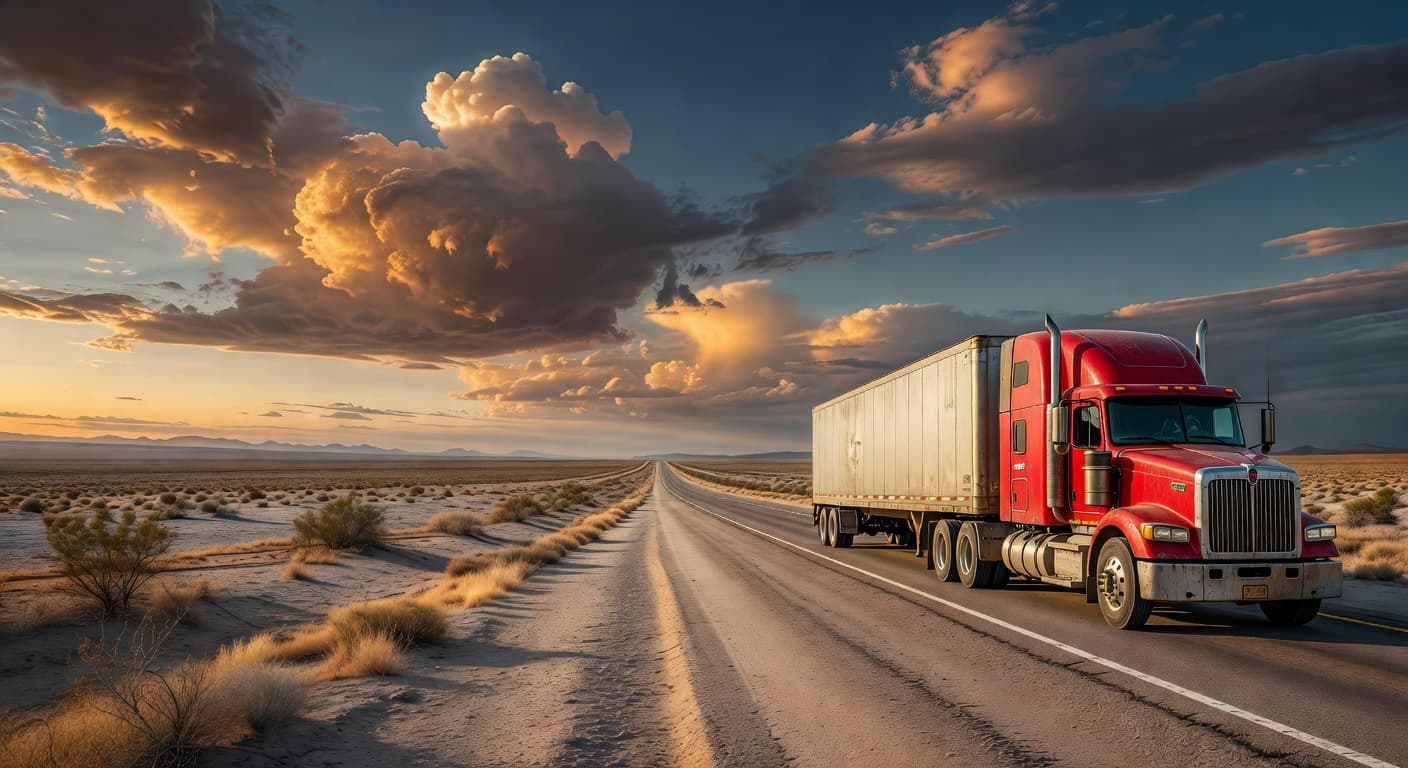
Retail, health care, and construction shape how vehicles are used around Great Falls, and that changes what you should review before you bind coverage. In Cascade County, retail trade accounts for 13.5% of establishments, health care and social assistance 13.1%, and construction 11.7%, so a lot of local fleets are making short delivery runs, service calls, patient-related trips, and jobsite moves instead of one predictable commute pattern. That operating mix matters because where vehicles are parked, who drives them, and what equipment rides along can all change the quote and the policy design. The county also has 2,484 business establishments, so certificates, contract requirements, and vendor expectations often come up quickly once you add a vehicle to the business. Before you request quotes, sit down and list every vehicle, who drives it, where it is parked overnight, and whether employees ever use personal cars for errands, deliveries, or site visits.
Commercial Auto Insurance Risk Factors in Great Falls
Great Falls's top risk factors include Wildfire risk, Drought conditions, Power shutoffs, and Air quality events. Great Falls's crime index of 107 (national avg: 100) increases vehicle theft risk, comprehensive auto coverage is important here.
Montana has a moderate climate risk rating. Top hazards: Wildfire (Very High), Winter Storm (High), Earthquake (Moderate), Flooding (Moderate). The state's expected annual loss from natural hazards is $280M, which influences commercial auto insurance premiums and may affect coverage availability in high-risk areas.
What Commercial Auto Insurance Covers
In Montana, commercial auto insurance is built around business use rather than personal errands, so the policy needs to match how the vehicle is actually driven on state roads, county roads, and longer interstate trips. The core protections typically include liability for bodily injury and property damage, collision for damage from a vehicle accident, comprehensive for theft or weather-related losses, medical payments, and uninsured motorist protection. Montana's state minimum liability for commercial vehicles applies, and registration status should be reviewed alongside your coverage. Uninsured and underinsured motorist coverage may be required, which is especially relevant given the state's 7.8% uninsured driver rate. Hired auto and non-owned auto coverage can matter if your business rents vehicles or if employees use personal cars for company errands, client meetings, or deliveries. Coverage terms can vary by carrier, so a policy for a single company car may look different from fleet auto insurance for trucks that travel across winter-prone routes. If you haul tools, equipment, or cargo, ask whether the policy structure matches that exposure before you bind.
Coverage Included

Bodily Injury Liability
Covers injuries you cause to others in an accident

Property Damage Liability
Covers damage you cause to others' property
Collision Coverage
Pays for damage to your vehicle in an accident

Comprehensive Coverage
Covers theft, vandalism, weather, and animal damage

Medical Payments
Covers medical costs for your drivers and passengers

Uninsured Motorist
Protection when the other driver lacks insurance
Hired & Non-Owned Auto
Covers rented or employee-owned vehicles used for work
Commercial Auto Insurance Cost in Great Falls
Average Cost in Montana
$130 - $350
per month
Businesses in Montana typically see commercial auto insurance premiums of $130 - $350 per month, which tends to run 13% below the national range of $140 - $410 per month.
- Fleet size and vehicle types
- Driver records and experience
- Coverage limits and deductibles
- Business industry and use
- Annual mileage and operating radius
- Claims history
Rates based on small business averages. Your actual premium may vary.
Prices shown are general estimates, not guaranteed rates or quotes. Your actual premium will depend on the insurer, coverage selected, business details, location, claims history, and other underwriting factors. Learn about our pricing methodology.
The state pricing picture for commercial auto insurance in Montana sits close to the national average, with a premium index of 98. That index uses 100 as the national midpoint, so Montana sits just below average. Premiums tend to move with several factors. Fleet size and vehicle types set the baseline. Driver records and experience shift the price up or down. Coverage limits and deductibles change the math, as does your business industry and use. Annual mileage, operating radius, and claims history round out the picture. A single service van working mainly around town may price differently than a vehicle that spends more time on rural highways or in winter conditions. The state's auto accident data also matters because crash volume, average claim cost, and top causes including speeding, weather conditions, and impaired driving all influence how insurers price for likely claim severity. With 240 active insurers competing for business, you can find meaningful quote differences by carrier and by how they rate local exposure.
What Makes Great Falls Different
Your cargo, your passengers, and your weekly mileage all influence what you end up paying. Cascade County leans heavily toward retail trade, health care and social assistance, and construction, so many businesses are not insuring a single-purpose fleet. You may have a pickup that hauls tools on some days, a van that makes customer stops on others, or staff using personal vehicles for banking, supply runs, and visits. Those details matter because how each vehicle is used and who is assigned to it can affect how your policy is built. With 2,484 business establishments in the county, a lot of firms are operating in close vendor and subcontractor networks, so proof of coverage can become part of routine business administration rather than an occasional request. Review your policy around how vehicles actually move through your week, not just who owns the title, and ask for quote options that separate owned autos from employee-car exposure.
Our Recommendation for Great Falls
Your vehicle schedule is the right place to begin, then you can work outward to operations. If your business touches retail, health care, or construction work, consider asking the agent to classify each unit by actual use instead of grouping everything under one broad description. A service van making customer stops, a delivery vehicle on a tight route, and a pickup assigned to jobsite supervision each raise different liability and physical damage questions worth reviewing. If employees ever run errands in their own cars, it may be worth reviewing hired and non-owned auto liability alongside the core policy. Great Falls buyers should also consider who keeps each vehicle overnight, whether tools or mobile equipment stay inside, and whether any unit is shared across multiple drivers during the week. If a large out-of-pocket repair would be hard to absorb, consider deductibles you could reasonably carry during a bad month, not just the lowest premium on the page. When you are ready, request a quote and bring your current declarations page, driver list, and any contract insurance requirements so coverage gaps show up before renewal.
Get Commercial Auto Insurance in Great Falls
Enter your ZIP code to compare commercial auto insurance rates from carriers in Great Falls, MT.
Business insurance starting at $25/mo
FAQ
Frequently Asked Questions
Great Falls businesses should list each vehicle, every regular driver, overnight garaging, business use, and any employee use of personal cars. That detail matters locally because vehicle duties often change during the week in retail, health care, and construction work.
Great Falls contractors often have employees running parts, bids, or site visits in personal cars. If that happens, ask to review hired and non-owned auto liability, because a policy on company-owned pickups alone may not address every work-related driving exposure.
Cascade County has 2,484 business establishments, so local firms often face certificate requests from landlords, vendors, and project partners sooner than expected. That makes it smart to confirm named insureds, covered autos, and liability limits before a contract or delivery relationship starts.
Great Falls service and health care operations should describe stop frequency, who drives, where vehicles are parked, and whether staff transport supplies or equipment. County establishment share is 13.1% for health care and social assistance, roughly one in seven local businesses, so mixed-use driving patterns are common enough to rate carefully.
Consider deductibles you could reasonably pay tomorrow without derailing payroll, not just the lowest number on the quote page. A deductible that looks manageable on paper can still strain operations after a collision or theft loss, especially if one vehicle supports daily revenue.
In Montana, it can include liability, collision, comprehensive, medical payments, uninsured motorist protection, and endorsements for hired or non-owned auto exposure when those options are added.
Montana requires minimum commercial auto liability of $25,000/$50,000/$15,000, and commercial vehicles must be registered with the DMV.
The state-specific average range is $130 to $350 per month per vehicle, but the final price varies by vehicle type, mileage, driver records, limits, deductibles, and claims history.
Sources
- 1.U.S. Census Bureau, County Business Patterns, Cascade County(In Cascade County, retail trade accounts for 13.5% of establishments, health care and social assistance 13.1%, and construction 11.7%.; The county has 2,484 business establishments.)
Updated July 16, 2026